EN
EN

Electrical pipe clamps are essential components used in electrical installations to secure and support various types of piping, conduit, and cable trays. For B2B buyers, understanding how to select the right clamp for your project needs is critical, as it directly impacts installation efficiency and overall system performance. This article delves into key considerations for sourcing electrical pipe clamps, including specifications, cost factors, and common issues that may arise during use, helping you make informed purchasing decisions.
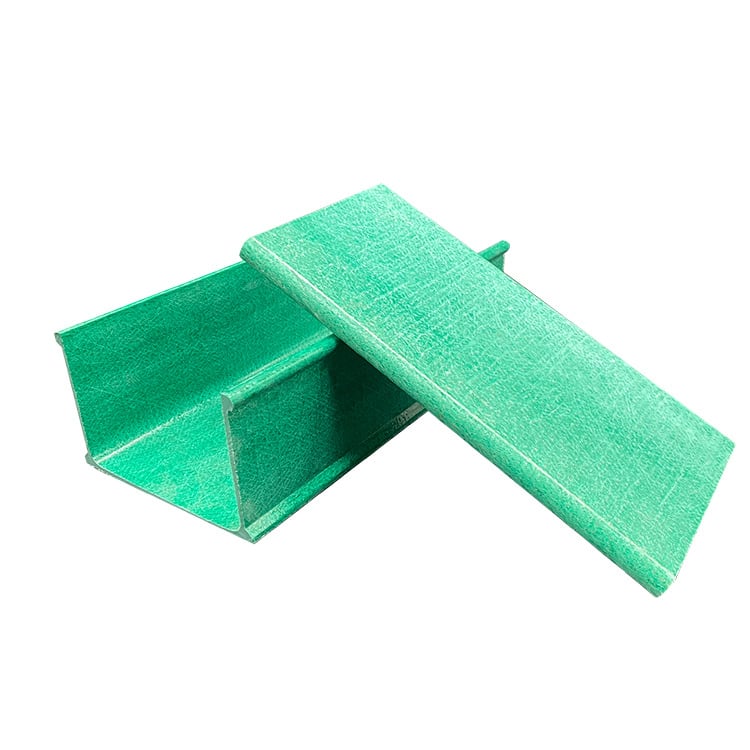


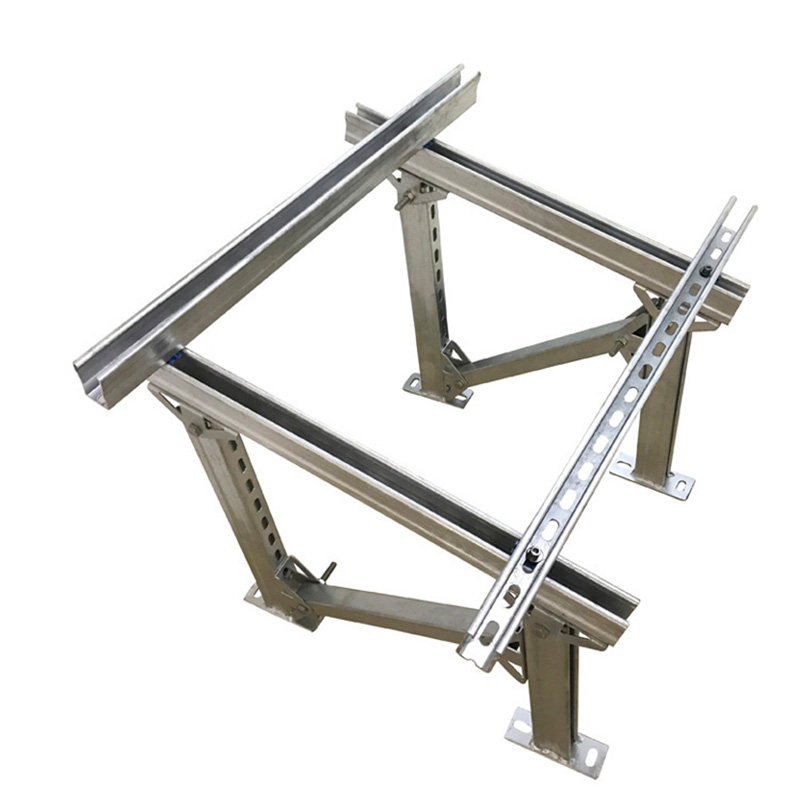

Key Specifications to Consider When Sourcing Electrical Pipe Clamps
Several key specifications should guide your sourcing decision for electrical pipe clamps:
Material: Common materials include steel, aluminum, and plastic. Steel clamps offer durability and strength, while plastic options can be lighter and more resistant to corrosion.
Load Capacity: Each clamp will have a specified load capacity. It is critical to choose clamps that can support the weight of the pipes and any additional loads they may bear during their lifespan.
Diameter Range: Ensure that the clamps can accommodate the pipe diameter you are using. Many manufacturers provide clamps in various sizes, so it's vital to confirm that the diameter range is suitable for your needs.
Mounting Type: Clamps can be designed for different mounting methods, including wall-mounted, ceiling-mounted, or floor-mounted configurations. This choice should align with your installation environment.
Certifications: Look for products that are certified to meet industry standards, as this often reflects a commitment to quality and safety.
By prioritizing these specifications, buyers can ensure they select the most appropriate electrical pipe clamps for their specific applications.