EN
EN

Solar Mounting System — Hurricane-Grade Ground Mount Racking Engineered to ASCE 7
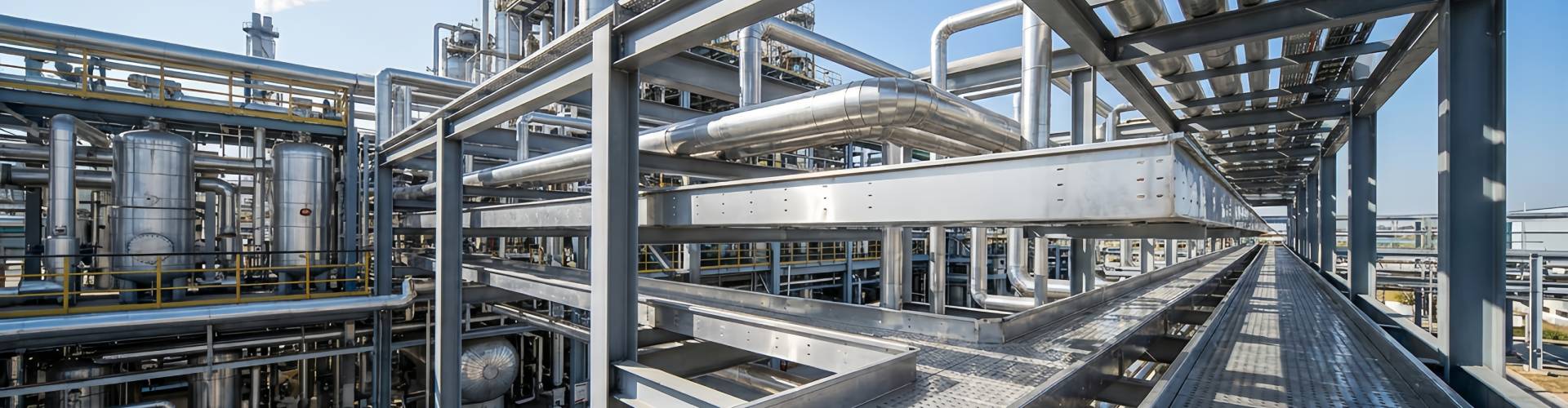
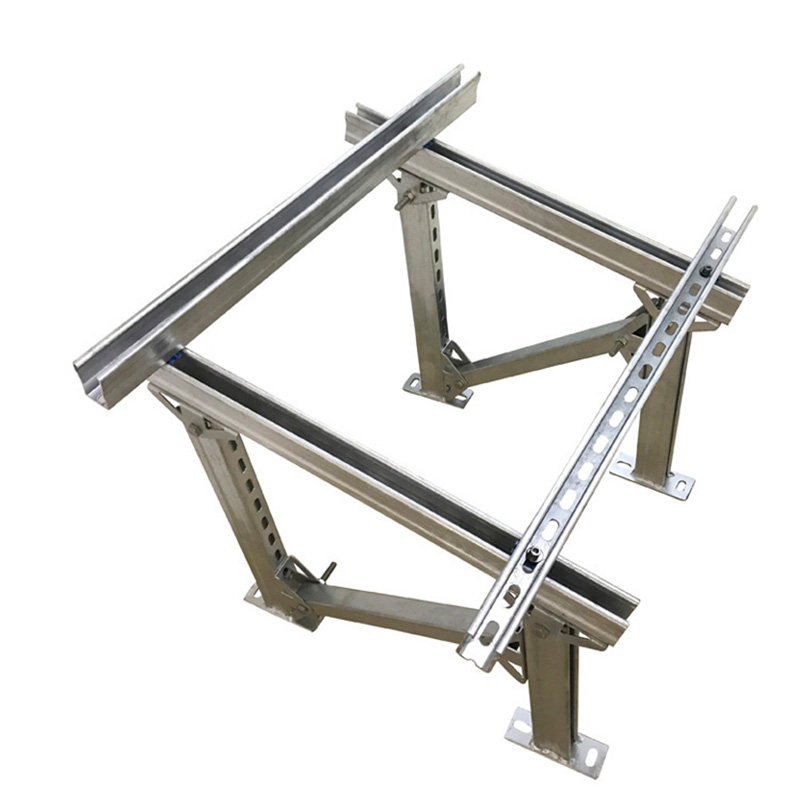
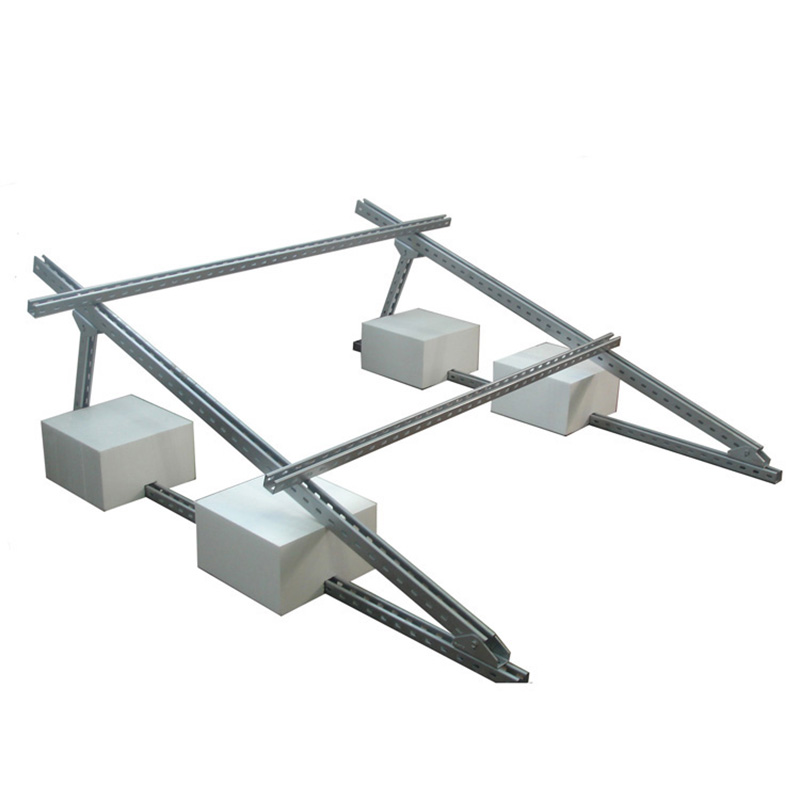
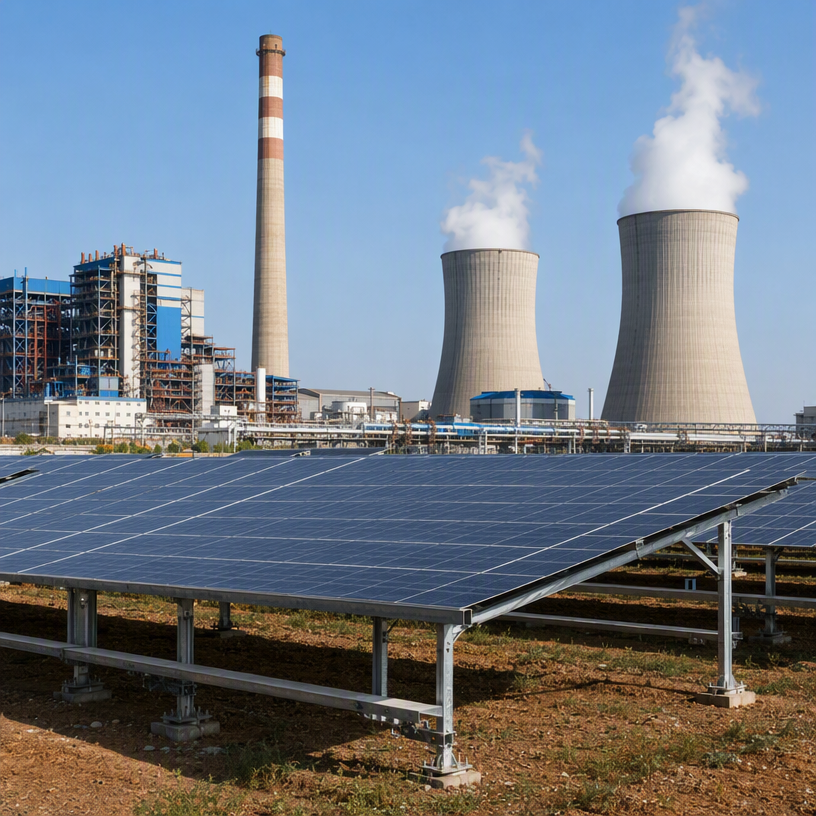
Qinkai solar mounting systems are ground-mount racking solutions engineered for hurricane and typhoon zones. Every structure is designed to ASCE 7-22 with site-specific 3-second-gust wind speeds, delivering verified stability through Category 3–4 hurricanes — the standard for Caribbean and Southeast Asian markets.
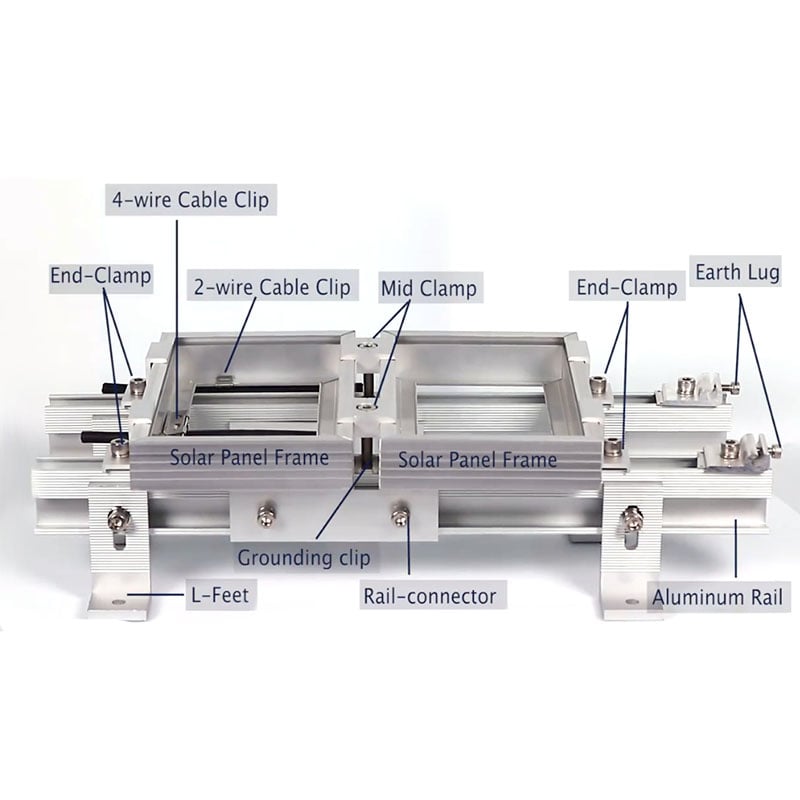
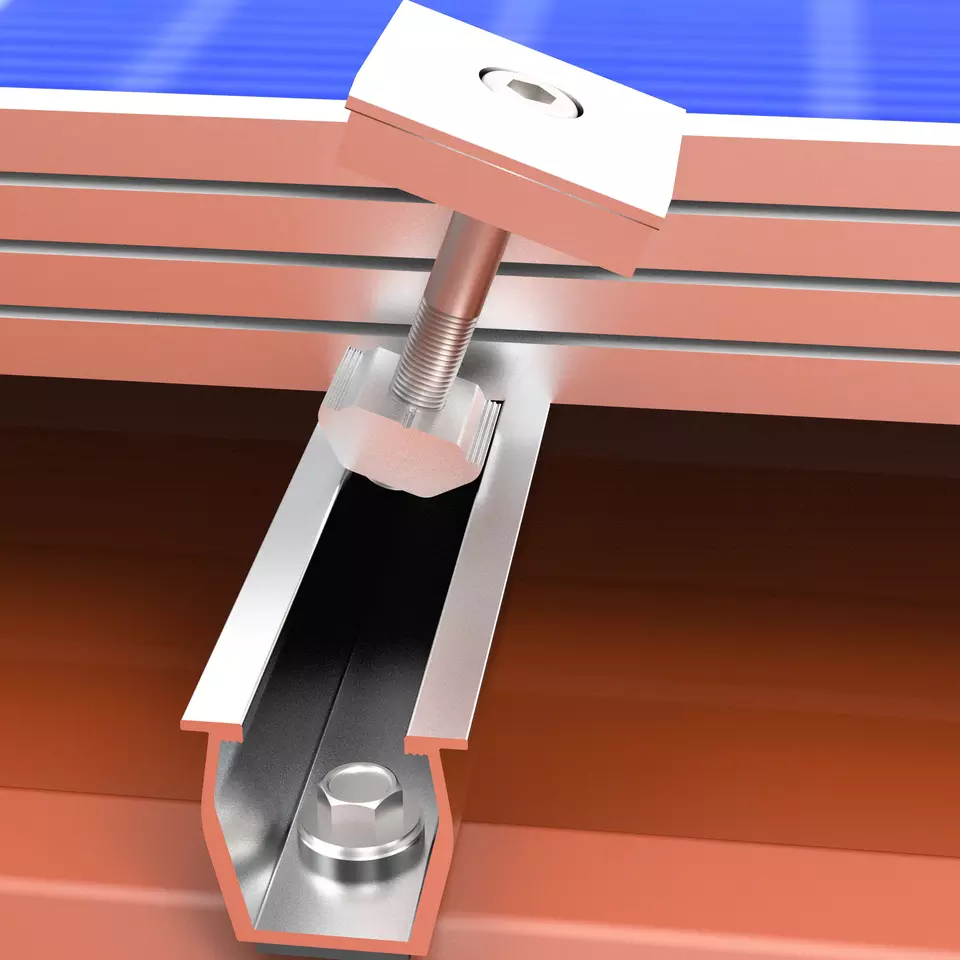
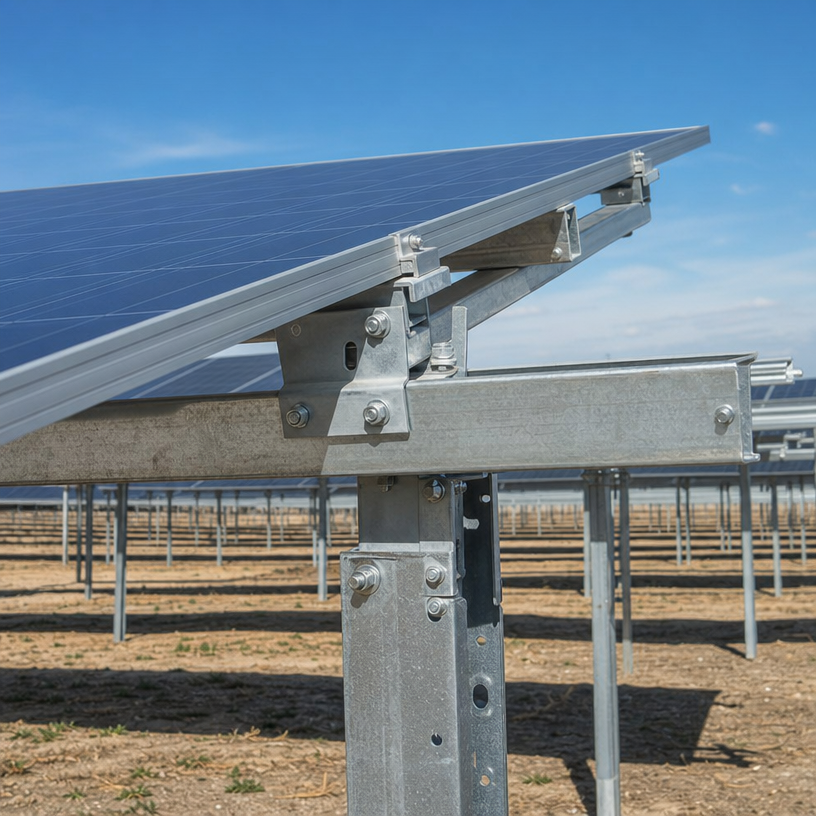
Fabricated from Q355B high-strength steel with hot-dip galvanizing to ISO 1461 (65–85 µm+), our systems resist salt-spray corrosion in coastal and island installations. Modular rails, adjustable tilt angles (0–45°) and universal clamps fit all mainstream 60–78 cell and bifacial modules from Jinko, LONGi, Trinasolar and Canadian Solar. Pile-drive, screw-pile and ballast foundations available with full structural calculations — PE-stamped for permit submission.
- Technical Specifications
- Advantages
- Applications
- FAQ
- Recommended Products
Technical Specifications
General Specifications
| Parameter | Specification |
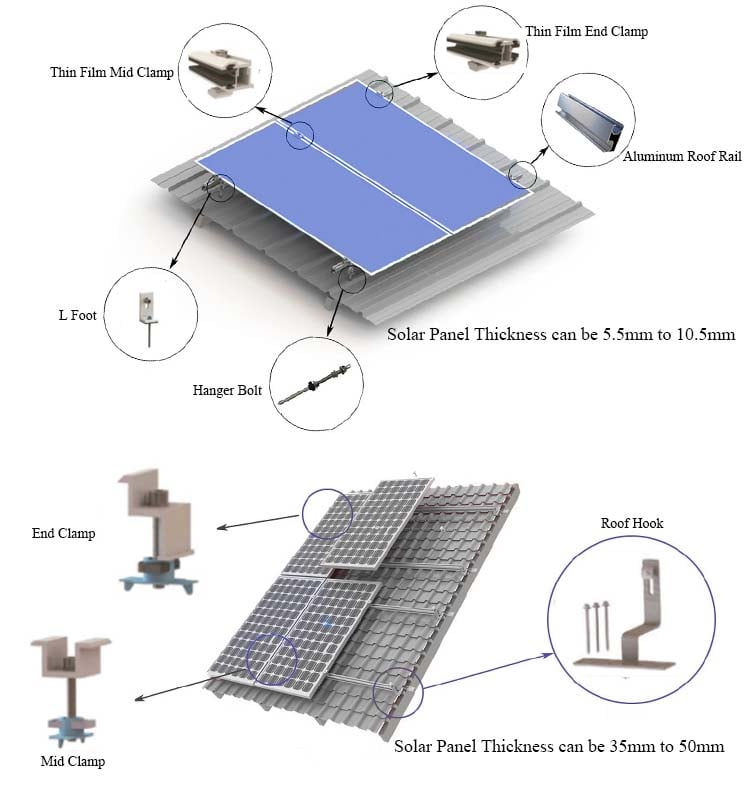
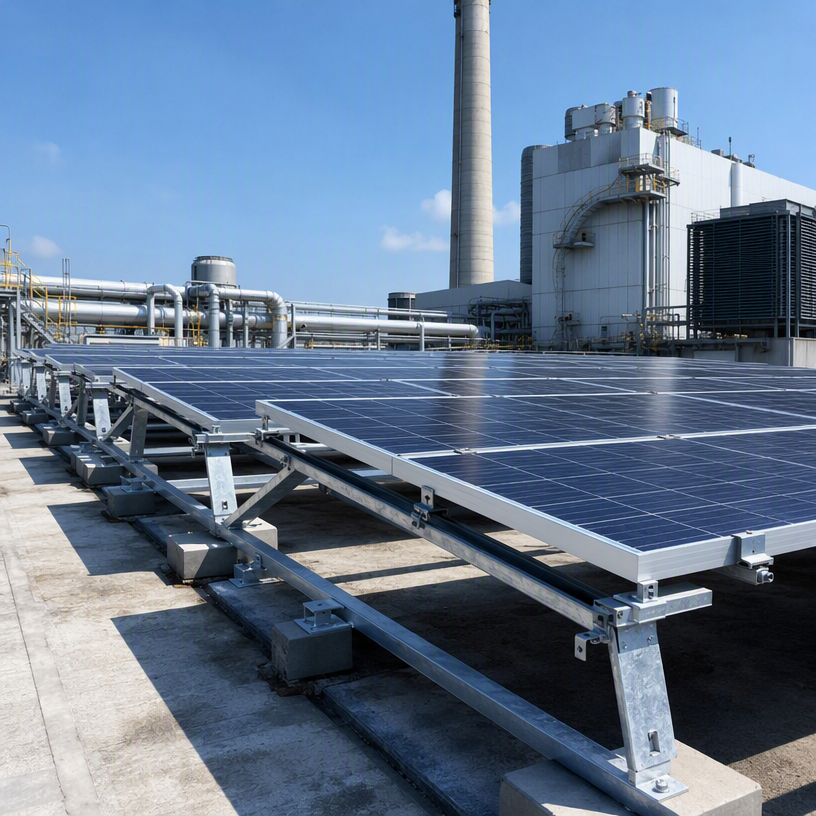
| System Type | Ground Mount / Roof Mount / Carport |
| Material | Q355B high-strength steel (HDG); aluminum rails 6005-T5 |
| Galvanizing | ISO 1461, 65–85 µm+ (coastal salt-spray environments) |
| Wind Design | ASCE 7-22, 3-second gust up to 180 mph (Category 3–4 hurricane) |
| Snow Load | Site-specific design (>50 psf requires special engineering) |
| Tilt Angle | 0° – 45° (fixed, adjustable) |
| Foundation | Screw pile / pile drive / concrete ballast |
| Module Compatibility | Mainstream 60/66/72/78-cell and bifacial modules (Jinko, LONGi, Trinasolar, Canadian Solar, etc.) |
| Standard | ASCE 7-16/7-22 / IBC / ISO 1461 / IEC 61215-61730 (module interface) |
| Corrosion Class | C4–C5 (ISO 9223), suited to coastal island environments |
| Lead Time | 15–25 days for standard systems (per project volume) |
Wind Performance Tiers (by market climate)
| Climate Zone | Design Wind Speed (3-sec gust) | Equivalent Rating |
| Philippines / SE Asia typhoon belt | 150 – 180 mph (240–290 km/h) | Typhoon 4–5 equivalent |
| Caribbean / Gulf of Mexico hurricane belt | 140 – 170 mph (225–275 km/h) | Hurricane 3–4 |
| General inland markets | 90 – 120 mph (145–195 km/h) | Standard ASCE 7 wind zone |
Advantages
Six Core Advantages
| Advantage | Value Proposition |
| 1. Hurricane-grade wind engineering | Project-by-project wind engineering per ASCE 7-22, 3-second gusts up to 180 mph — zero panel loss in typhoon season |
| 2. All-steel HDG corrosion protection | ISO 1461 hot-dip galvanizing 65–85 µm+ — decades without rust in salt-spray island environments |
| 3. High-strength steel, lighter structure | Q355B saves 20%+ weight — lower sea-freight cost and installation labor |
| 4. Modular fast installation | Pre-drilled rails + universal clamps — standard crew capable of 1 MW+ per day |
| 5. Universal module compatibility | 60–78 cell and bifacial modules all fit; rail clamps adjust instantly to module width |
| 6. Calculations shipped with every order | PE-stamped structural calculations + foundation checks + assembly drawings, submittable directly for grid-connection permits |
Core Competitiveness (Why Qinkai)
Project-by-project wind engineering (hard qualification) — PE-stamped calculations per ASCE 7-22 covering wind pressure, foundation pull-out and connection checks — the hard gate for grid-connection approval in the Philippines and Caribbean.
Proven record in typhoon/hurricane markets — shipping into the Philippine typhoon belt and Caribbean hurricane belt, with structures aligned to local wind requirements (Philippine NBCP / ASCE in US territories).
In-house HDG galvanizing line — own hot-dip line; 65–85 µm+ coating per ISO 1461 with test reports — maintenance-free in coastal salt-spray.
Factory-direct, integrated manufacturer — own-plant pricing, 15–25 day lead times for standard systems, phased delivery for large projects.
One-stop package — rails, clamps, foundations, grounding and inverter brackets all in one supply — one fewer supplier interface, one fewer risk point for EPC.
Applications
In typhoon- and hurricane-prone markets (Philippines, Caribbean, Gulf of Mexico), the mounting system is the project's safety baseline — wind-damage events are usually not the modules' fault, but the racking's inadequate design strength. Qinkai designs every project to ASCE 7, so every module holds through the design wind speed.
| Application | Key Value |
| Philippines Ground Mounts | Typhoon-belt 4–5 wind pressure design; screw-pile foundations with pull-out checks — zero loss in typhoon season |
| Caribbean Island Projects | Hurricane 3–4 wind rating + C5 salt-spray corrosion resistance, both certified; containerized shipment |
| Coastal Agri-PV (solar + aquaculture) | Elevated structure resists wind; galvanized coating withstands salt spray; dual revenue |
| Commercial Rooftop | Low-profile wind design; ballast/clamp solutions that do not penetrate the waterproofing membrane |
| Solar Carports | Integrated structure: wind-resistant, shading, EV charging ready |
| Remote Off-grid Stations | Modular components ship flat; fast on-site assembly with no heavy lifting equipment |
Application block copy: From rice-field ground mounts in the Philippines to island arrays across the Caribbean, Qinkai solar mounting systems are engineered to ASCE 7 for 180 mph gusts — HDG steel that stands up to salt spray and typhoon season, year after year, with PE-stamped calculations on every project.
FAQ
Q1: How much wind can it withstand? Which standard?
A1: Designed project-by-project to ASCE 7-22, 3-second gusts up to 180 mph (hurricane 3–4, Philippine typhoon belt); PE-stamped calculations provided.
Q2: What material? Resistant to coastal salt spray?
A2: Q355B high-strength steel with ISO 1461 hot-dip galvanizing 65–85 µm+, suited to ISO 9223 C4–C5 coastal salt-spray environments; coating test reports shipped.
Q3: Which modules are compatible?
A3: All mainstream 60/66/72/78-cell and bifacial modules (Jinko, LONGi, Trinasolar, Canadian Solar, etc.); rail clamps adjust instantly to module width.
Q4: How do I choose the foundation?
A4: Three options — screw pile (soft soil / fast install), pile drive (dense soil), concrete ballast (no excavation); we recommend per geotechnical report and issue pull-out checks.
Q5: Can you customize tilt angle / dimensions? MOQ?
A5: Yes — tilt 0–45°, array dimensions and post height all customizable; quote within 24 h of your drawing; standard systems MOQ from one 40HQ container.
Q6: Do you provide structural calculations? Submittable?
A6: Yes — PE-stamped structural calculations (wind pressure / foundation / connection checks) plus assembly drawings ship with the order, submittable directly for grid-connection and building permits.