EN
EN

SS316 Wire Mesh Cable Tray — Marine-Grade Stainless Steel Cable Management for Offshore & Coastal Installations
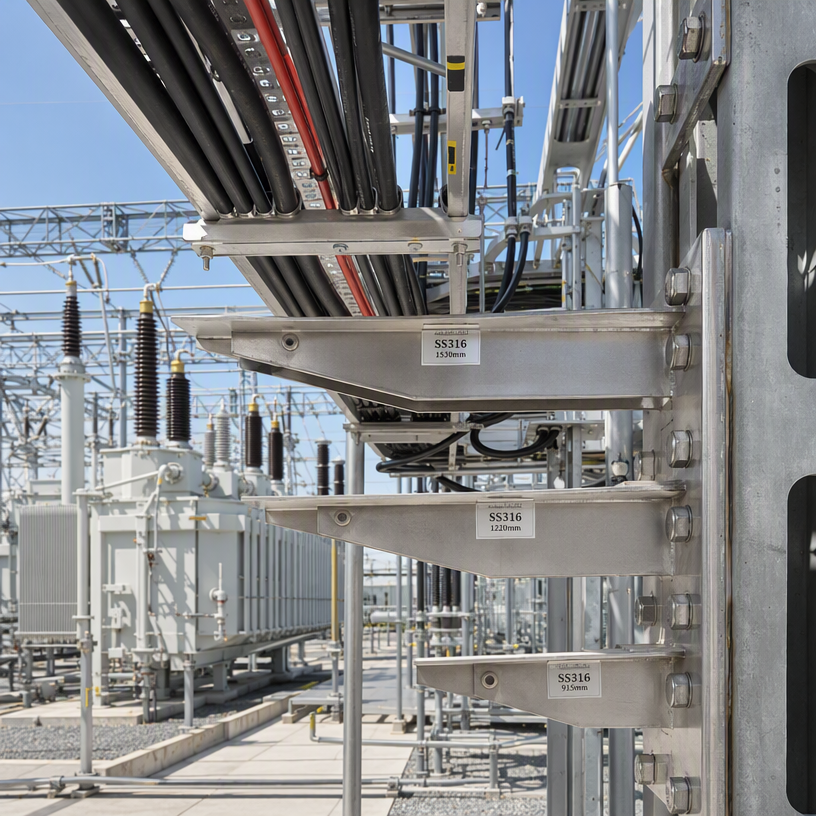
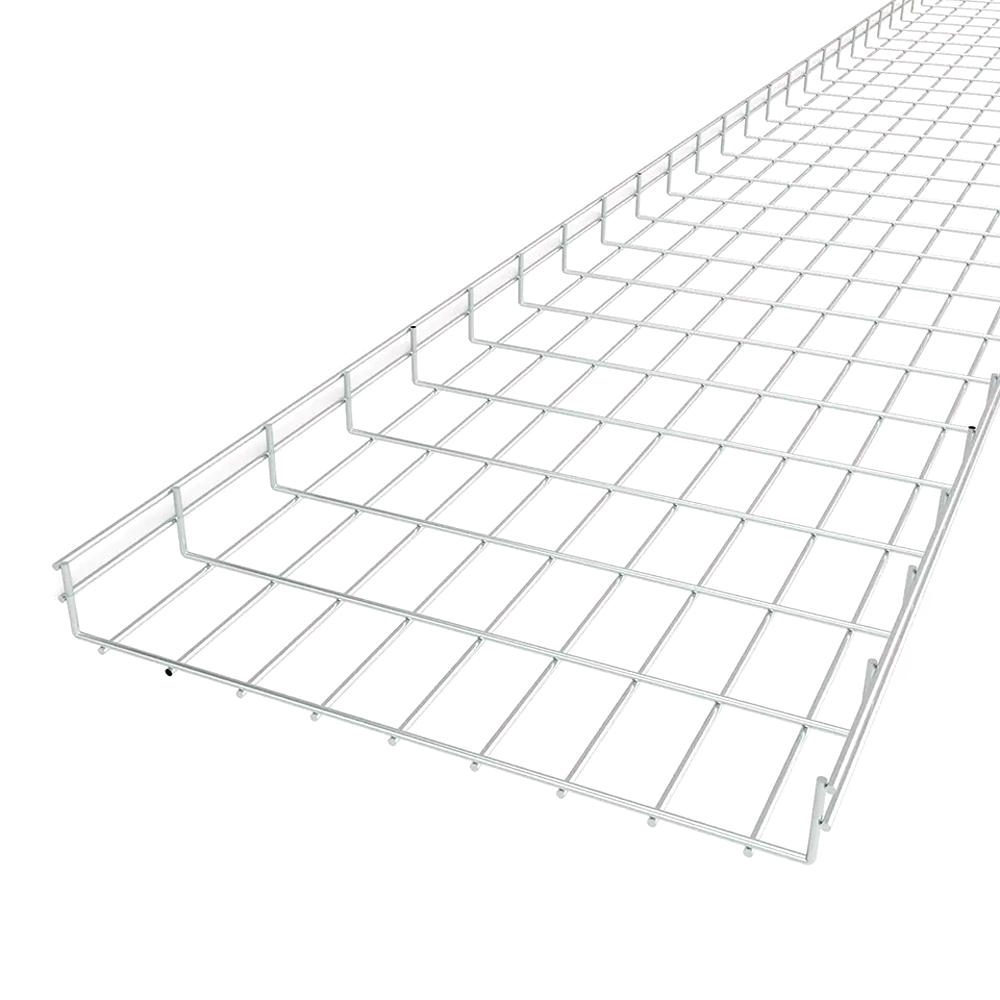
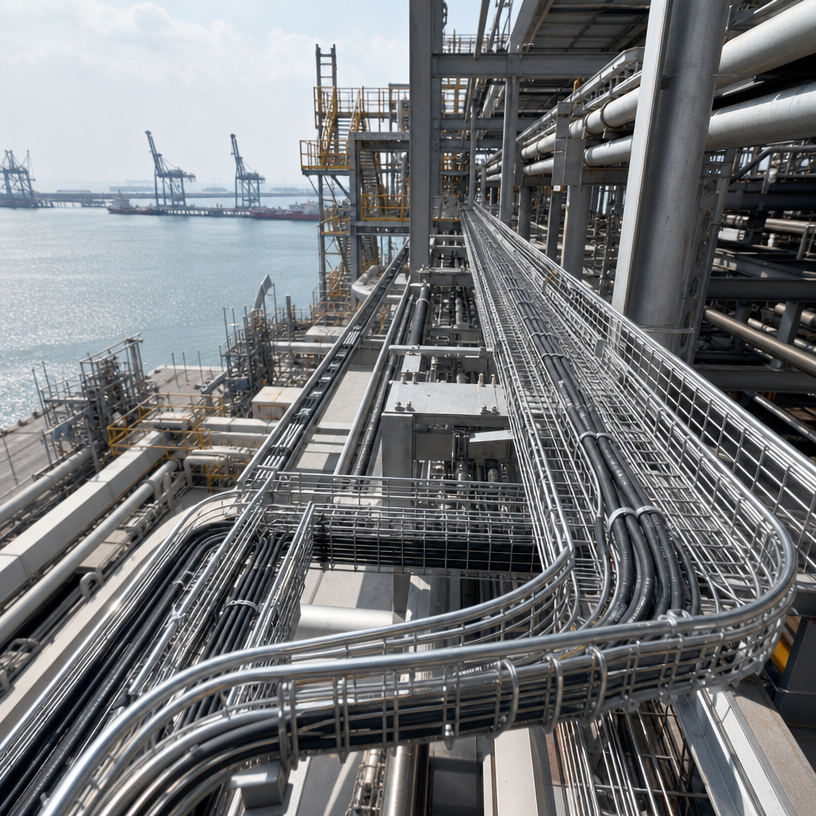
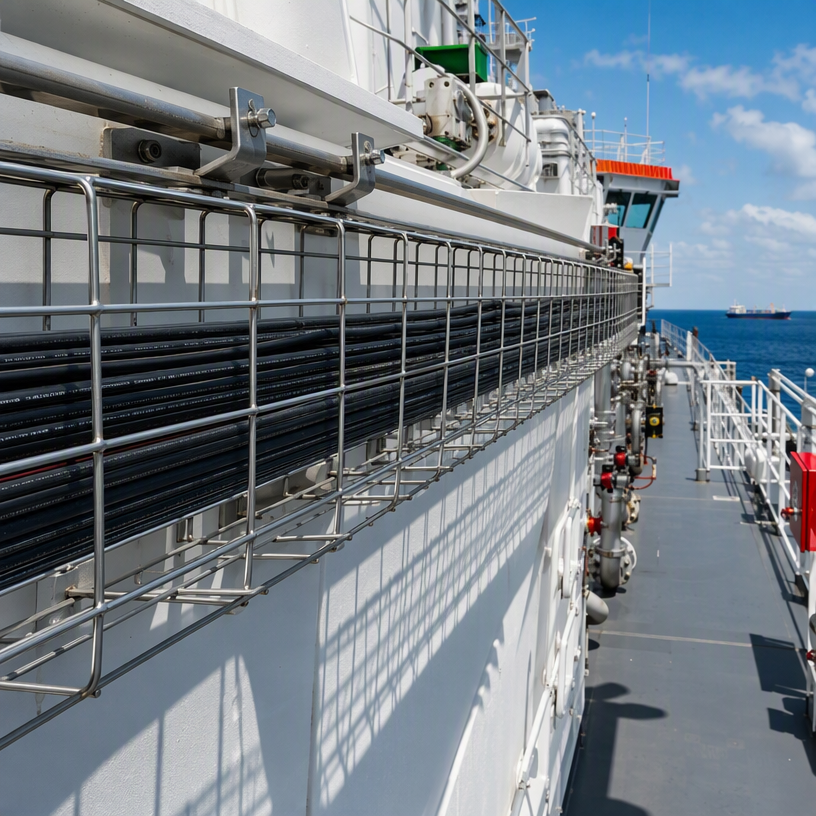
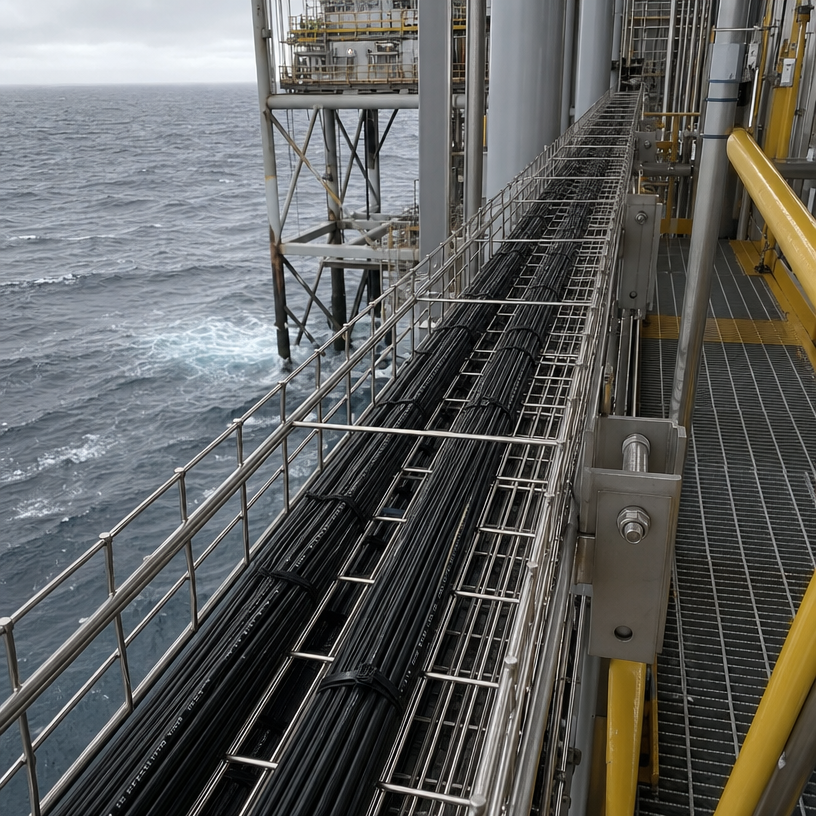
Qinkai SS316 wire mesh cable trays are open-mesh cable management systems woven from 316L stainless steel wire, purpose-engineered for marine and coastal environments where chloride-induced pitting destroys ordinary trays. The 2–3% molybdenum content of 316L resists pitting and crevice corrosion in salt-spray, splash-zone and high-humidity service — the industry-standard material for offshore platforms, shipyards, desalination plants and coastal power stations.
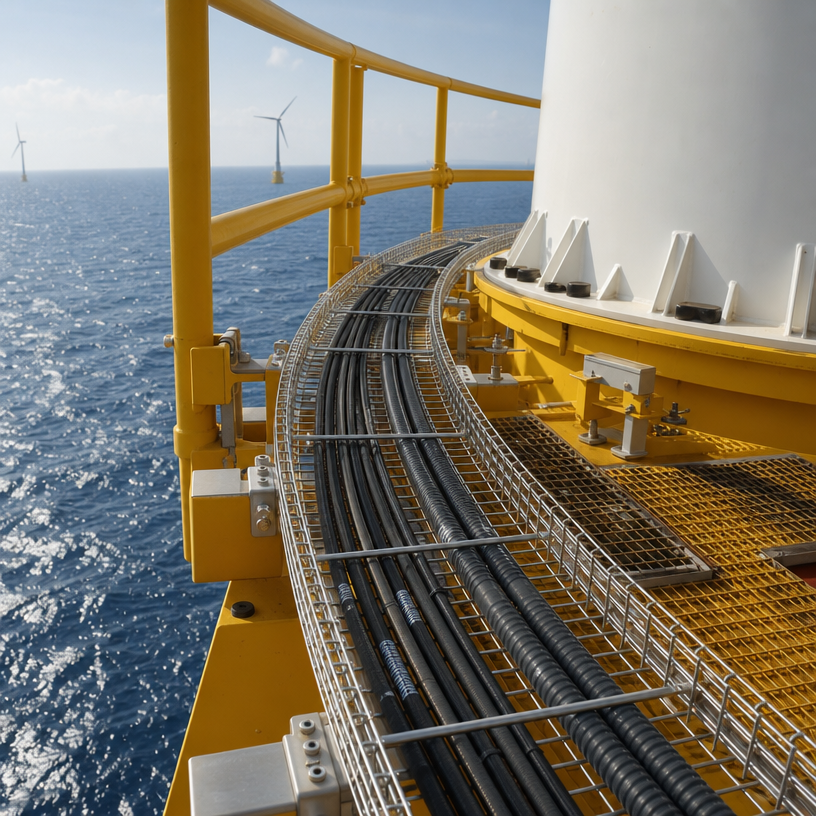
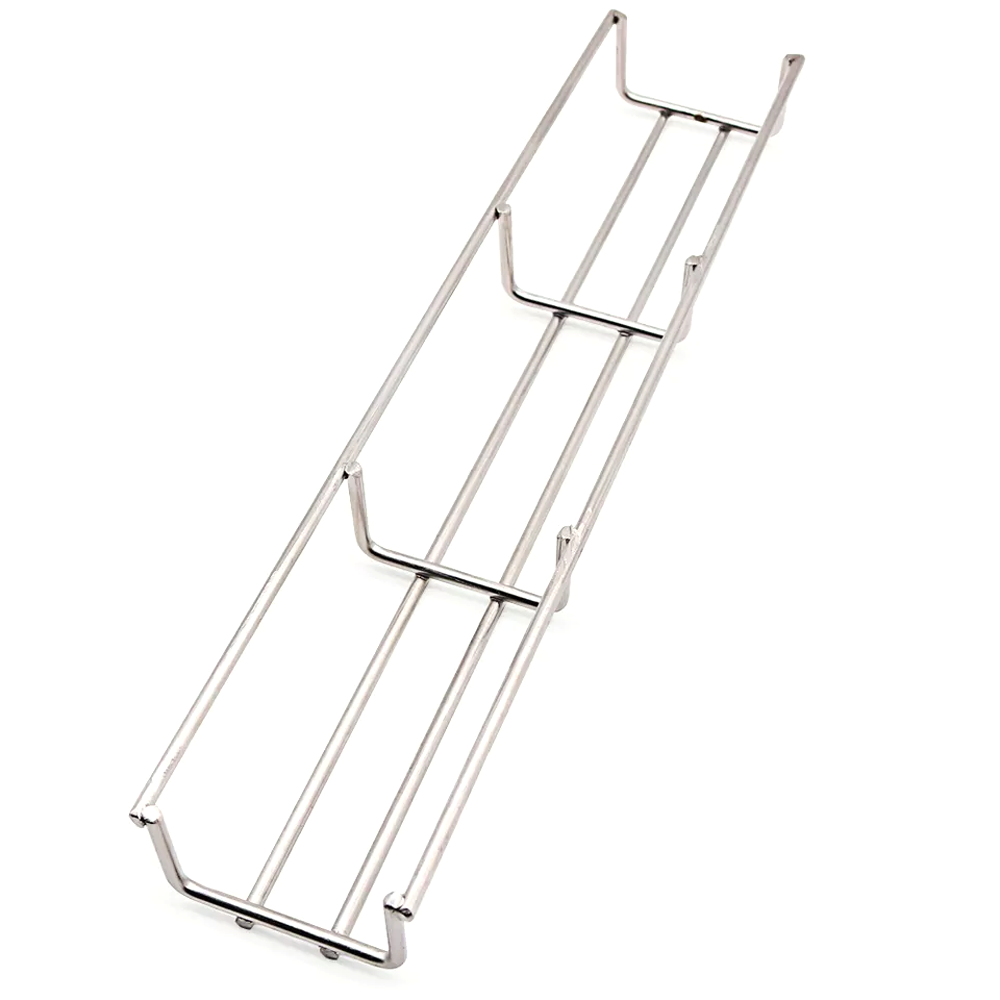
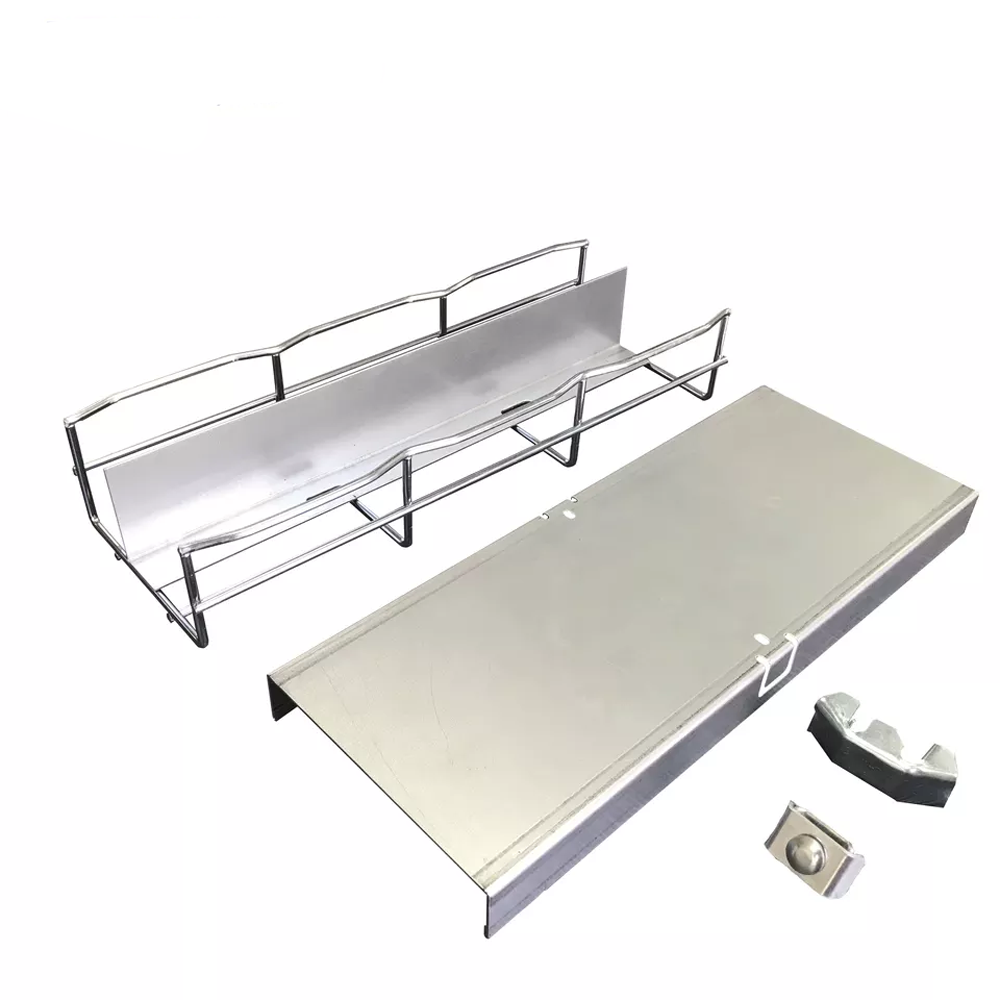
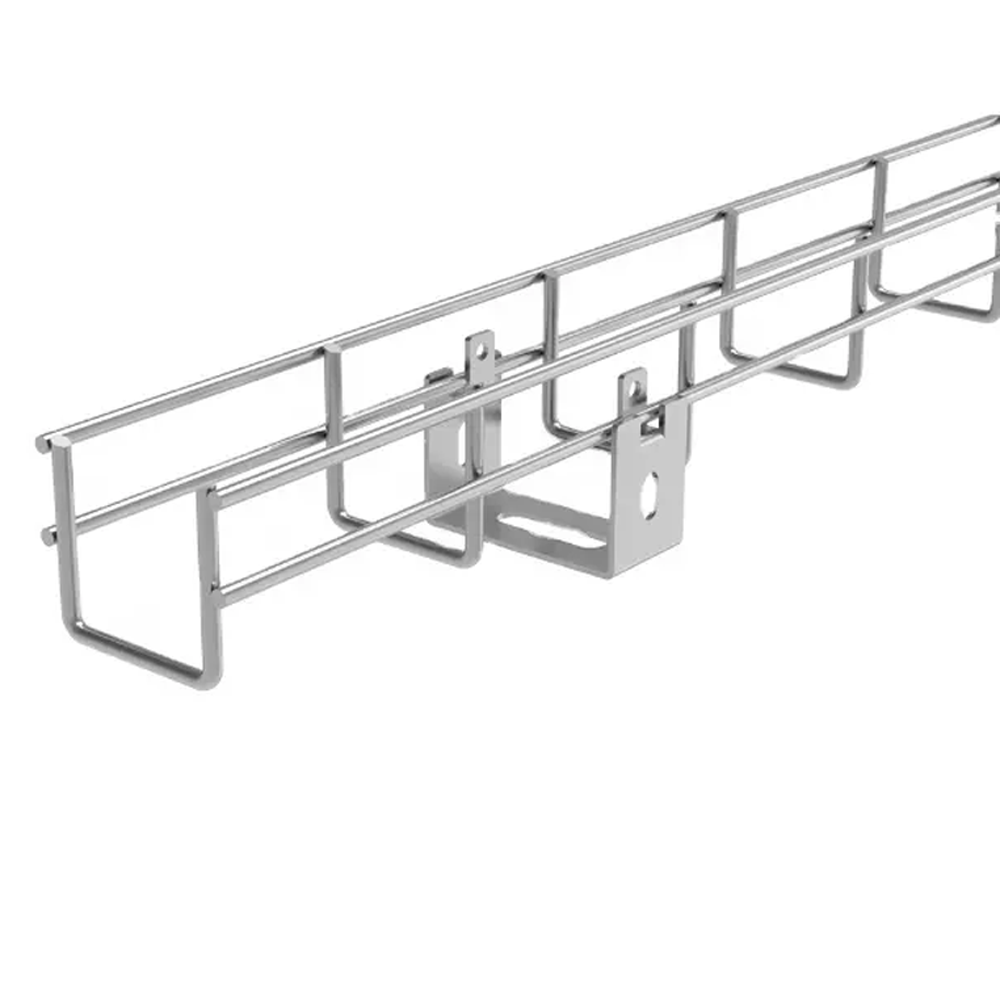
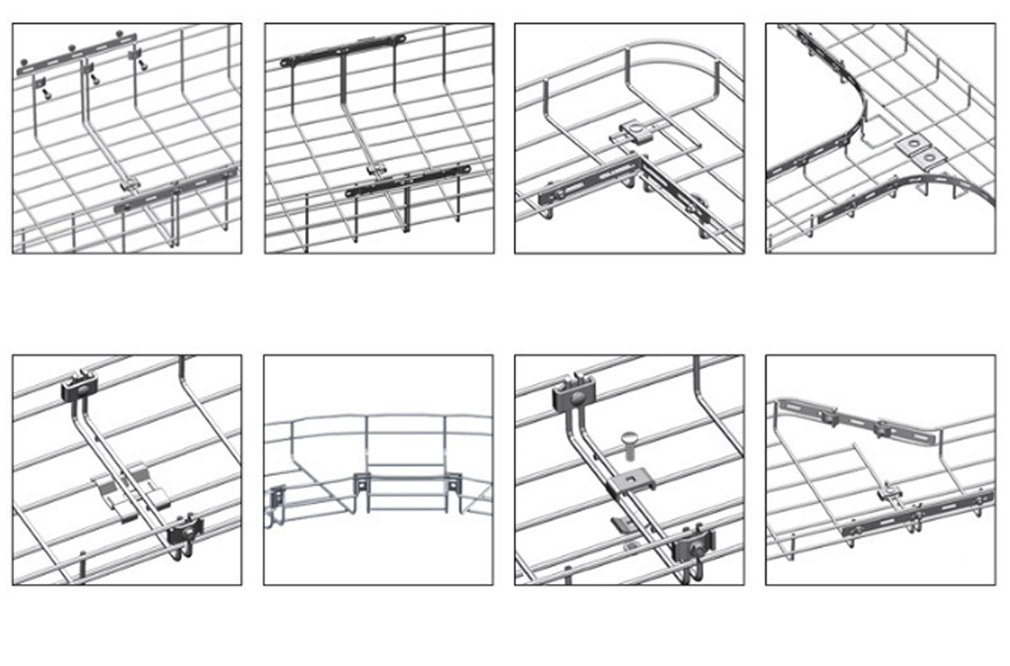
The open mesh design maximizes cable airflow for cooler operation, allows fast point-to-point routing with standard cable ties, and reduces wind and wave loading on offshore structures. Trays are available in 4–6 mm wire diameters with 50×100 mm mesh, widths from 100 to 600 mm, fully passivated to ASTM A380, and supplied complete with all 316L connectors, covers and support hardware.
- Technical Specifications
- Advantages
- Applications
- FAQ
- Recommended Products
Technical Specifications
General Specifications
| Parameter | Specification |
| Material | 316L stainless steel (X2CrNiMo17.12.2, Mo 2–3%) |
| Product Type | Open wire mesh / basket (cover optional) |
| Wire Diameter | 4.0 / 5.0 / 6.0 mm (customizable) |
| Mesh Size | 50 × 100 mm standard (custom 30×50 to 100×100) |
| Standard Width | 100 / 150 / 200 / 300 / 400 / 500 / 600 mm |
| Standard Length | 3000 mm (customizable) |
| Standard | IEC 61537 / NEMA VE 1 / UL 5A (per project) |
| Surface Finish | ASTM A380 pickling & passivation (electropolishing optional) |
| Allowable Span | 1.5 – 3.0 m (depending on width and load) |
| Operating Temperature | -60 °C to +400 °C (316L) |
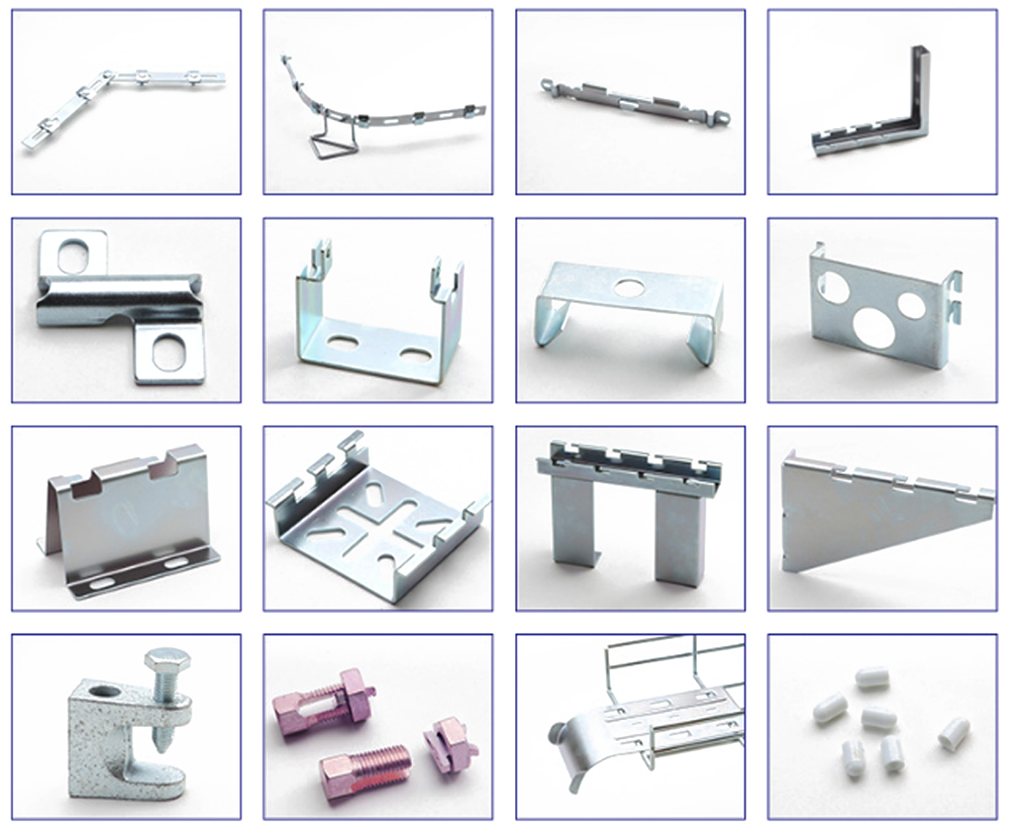
| Accessories | 316L connectors, covers, support brackets, cable ties, grounding fittings |
Material Comparison (marine selection guide)
| Material | Molybdenum | Marine Salt-Spray Performance |
| 304 | None | Acceptable short-term; pitting within 2–3 years in chloride environments |
| 316L | 2–3% | Resists pitting and crevice corrosion; long-term stability in marine service |
| 201 / 430 (fake "stainless") | None | Corrosion begins within ~18 months in marine air — banned for marine projects |
Advantages
Six Core Advantages
| Advantage | Value Proposition |
| 1. True 316L material | 2–3% molybdenum resists chloride pitting and crevice corrosion — decades of service in marine environments without replacement |
| 2. Open-mesh heat dissipation | Full airflow keeps cables cooler — higher ampacity and longer service life |
| 3. Lightweight structure | 60%+ lighter than enclosed trays — lower offshore lifting and overhead installation costs |
| 4. Flexible routing | Field-cuttable with standard tools and cable ties — dramatically shorter installation schedules |
| 5. Low wind & wave loading | Open structure reduces wind load and wave impact on offshore structures |
| 6. All-316L accessory package | Connectors, covers, brackets and fasteners in the same material — zero galvanic corrosion risk |
Core Competitiveness (Why Qinkai)
Traceable material certification — mill certificates with heat numbers shipped with every order. After seeing 201/430 "stainless-look" trays corrode within 18 months in marine air, EPC buyers only accept documented 316L.
ASTM A380 passivation process — pickling and passivation remove surface free iron and restore the chromium oxide film — delivered at peak corrosion resistance.
All-316L matching accessories — fasteners, covers and brackets in the same grade from one source, eliminating galvanic-corrosion interface risk.
Factory-direct, integrated manufacturer — own-plant pricing, controlled lead times, phased delivery for large projects.
Marine project experience — spec adaptation and drawing delivery for offshore platforms, shipyards and desalination projects, ready for EPC bids.
Applications
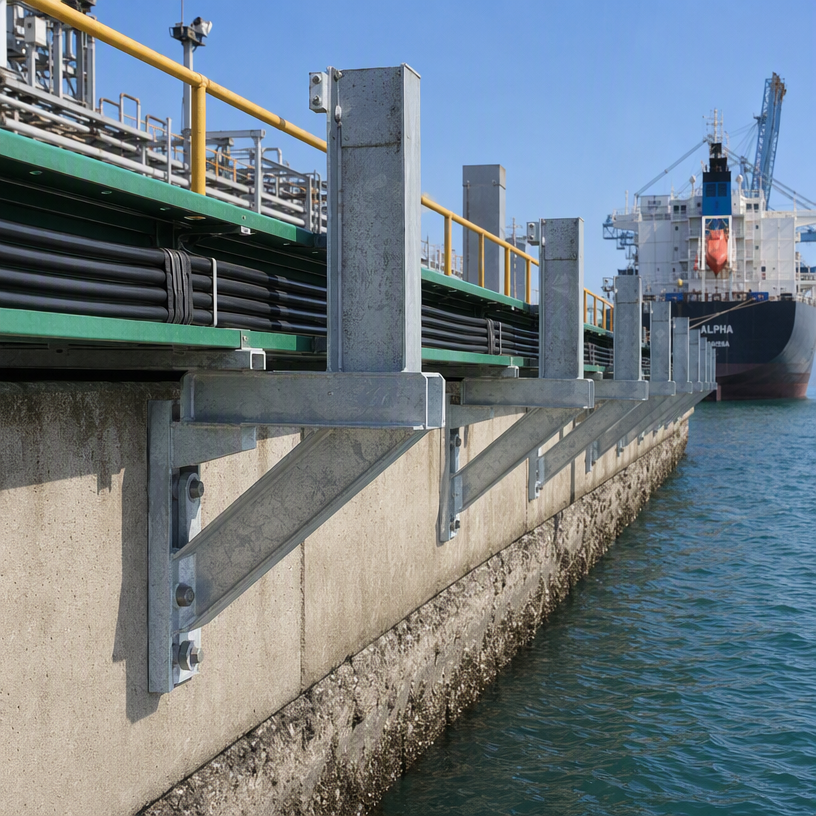
In marine environments, material decides lifetime: 304 shows pitting within 2–3 years under chloride attack, galvanized steel corrodes through in a few years, while 316L stays stable for decades in salt-spray, splash-zone and seawater-adjacent service thanks to its molybdenum content. That is why 316L is the industry-standard material for marine cable management.
| Application | Key Value |
| Offshore Oil & Gas Platforms | 316L resists salt-spray and splash-zone corrosion; open structure reduces platform wind load |
| Offshore Wind Farms | High-humidity salt-laden environment inside towers and nacelles; lightweight for work at height |
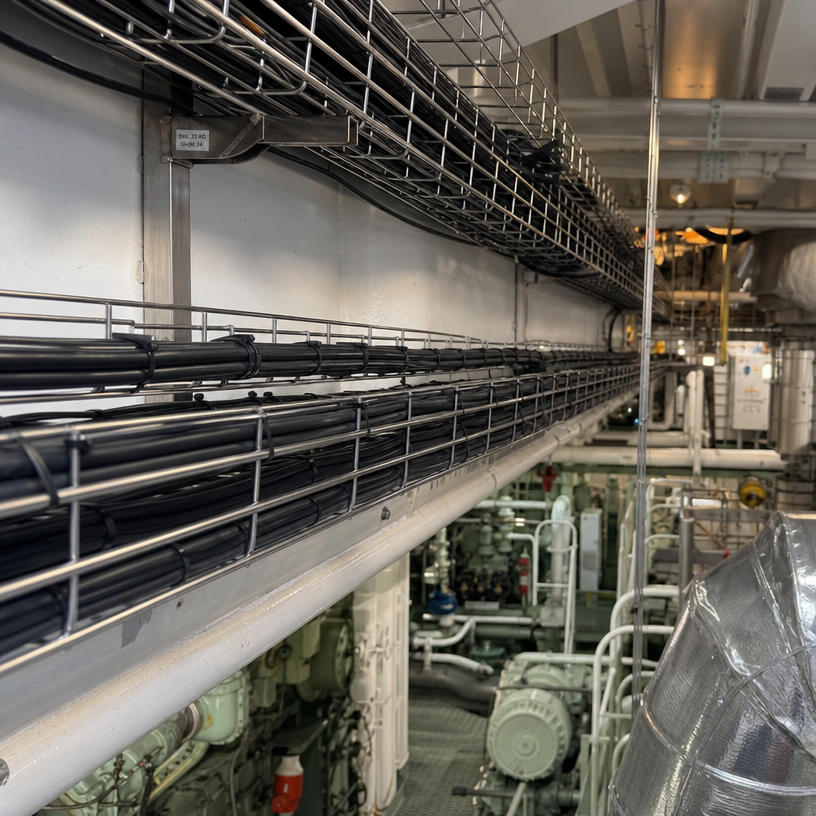
| Shipyards & Vessels | Corrosive compartments; mesh structure enables fast dense cable routing |
| Ports & Harbors | Long-term structural integrity under tidal-zone salt-spray and washdown |
| Desalination Plants | The standard answer to combined chloride + high-humidity attack |
| Cross-Sea Bridges | Open routing of bridge ancillary cables — ventilated, cool, easy to inspect |
Application block copy: From process decks in the Gulf of Mexico to desalination plants in the Arabian Gulf, Qinkai SS316 mesh trays keep power and instrument cables cool, clean and corrosion-free through salt-spray, splash-zone and seawater-adjacent service — with true 316L material certification on every shipment.
FAQ
Q1: Is it really 316L? How do we verify?
A1: Yes — mill certificates with heat numbers ship with every order; full compensation if 201/430 is ever substituted.
Q2: How long will it last in marine salt-spray?
A2: 316L provides a 30+ year design life in ISO 12944 C5-M marine environments, further enhanced by ASTM A380 passivation.
Q3: Why mesh instead of enclosed tray?
A3: Mesh offers better ventilation and ampacity, is 60%+ lighter, and is field-cuttable — lower installation time, wind load and cost.
Q4: Load capacity and span?
A4: Wire diameters 4–6 mm, standard spans 1.5–3.0 m, supporting mixed power and instrument routing; load–span tables supplied.
Q5: Can you customize width / wire diameter? MOQ?
A5: Yes — width, wire diameter and mesh size all customizable; quote within 24 h of your drawing, MOQ from 100 m per size.
Q6: Are accessories also 316L?
A6: Yes — connectors, covers, brackets and fasteners all 316L from one source, eliminating galvanic corrosion.