EN
EN

Plastic conduit clips are essential components used to secure and support electrical conduits in various applications, ranging from residential to industrial installations. For B2B buyers, concerns often revolve around the quality, compatibility, and specifications of these clips. This article will provide insights into sourcing, key specifications, quality evaluation, best practices, and common issues related to plastic conduit clips, enabling purchasing managers and engineers to make informed decisions.

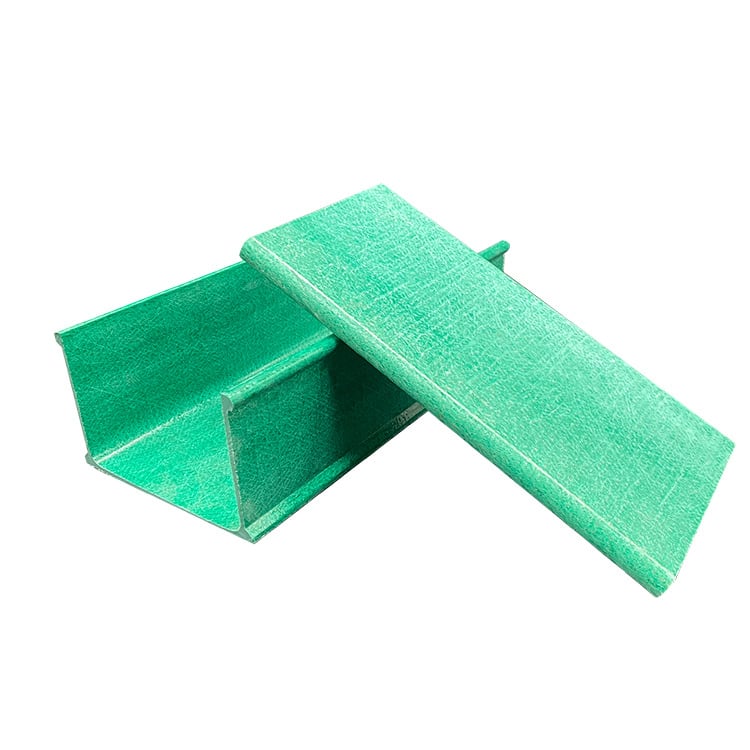


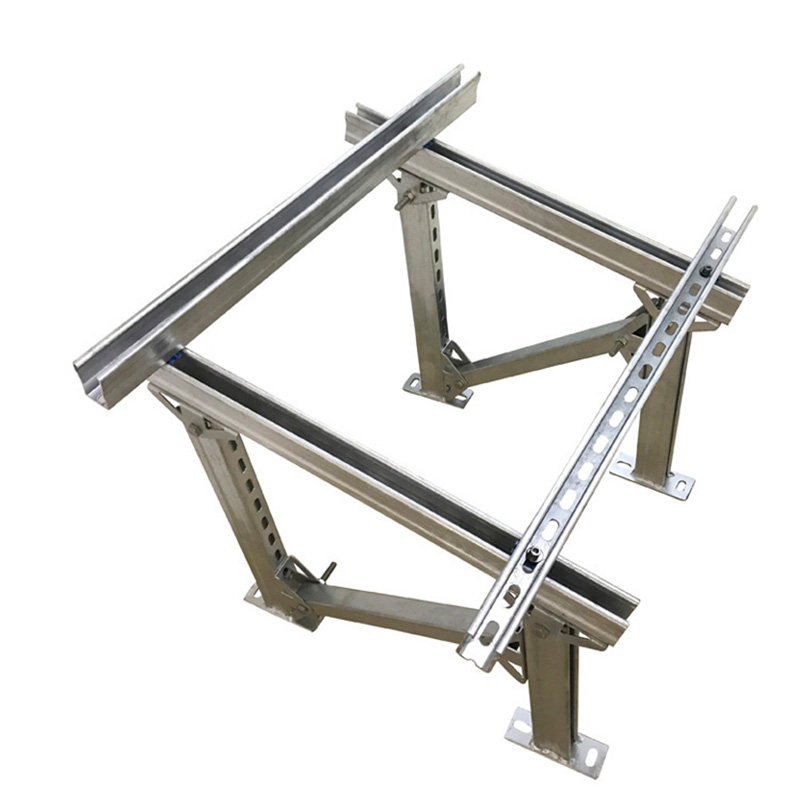
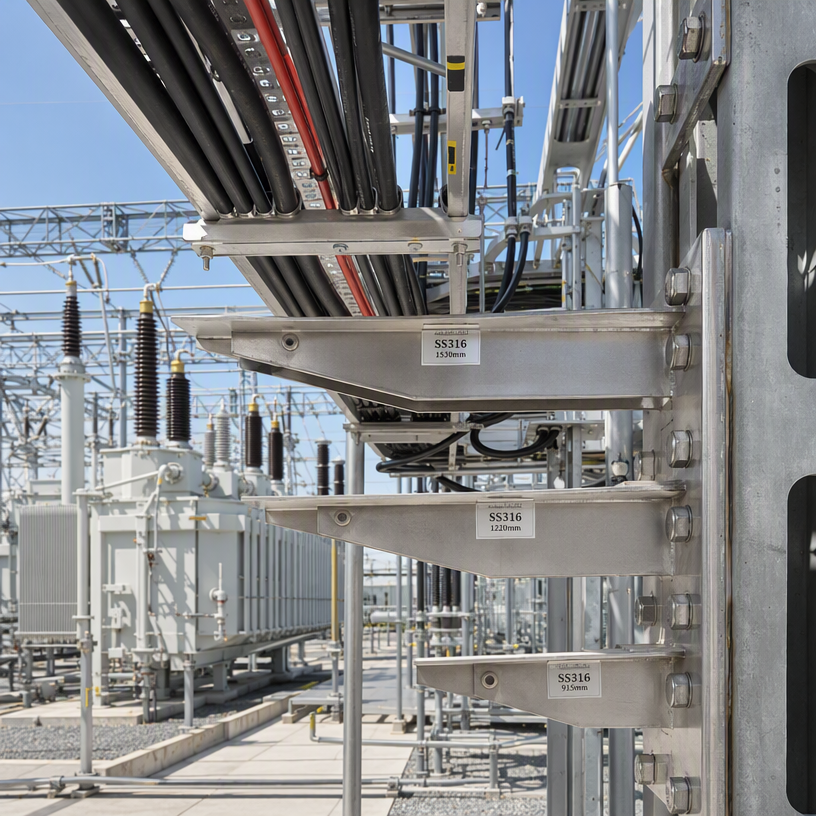
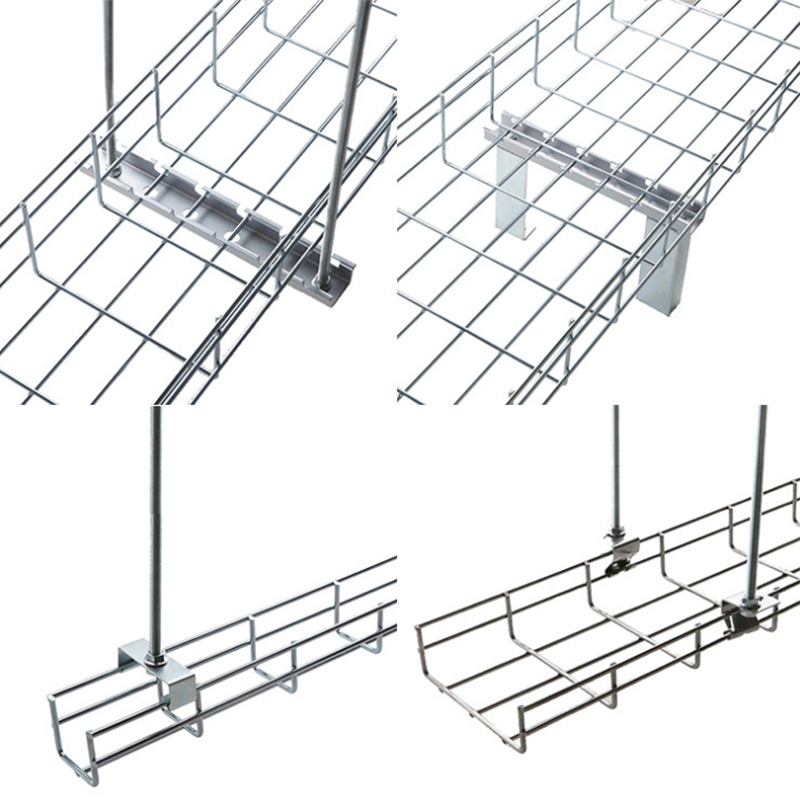
Key Specifications to Consider for Plastic Conduit Clips
When evaluating plastic conduit clips, certain specifications are critical to ensure their performance and suitability for your application:
Material: Plastic conduit clips are often made from PVC, nylon, or other durable plastics. The choice of material impacts the clip's strength, flexibility, and resistance to environmental factors such as UV exposure and moisture. For instance, UV-resistant materials are crucial for outdoor installations.
Dimensions: The size and design of the clip must match the conduit diameter and installation requirements. Confirm the dimensions before ordering to avoid compatibility issues during installation.
Load Capacity: Each clip has a specified load capacity that must be adhered to ensure safety and functionality. Verify this specification to prevent conduit failure under stress.
Installation Method: Some clips are designed for specific installation methods (screw, adhesive, or snap-on). Ensure the selected clip aligns with your installation preferences and capabilities.
By understanding these key specifications, you can select clips that not only meet your functional requirements but also provide long-lasting performance.