EN
EN

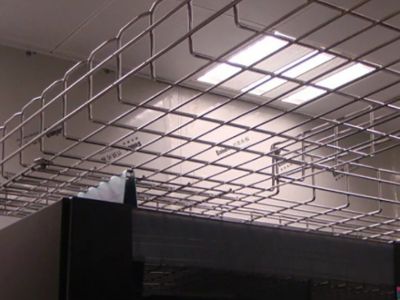
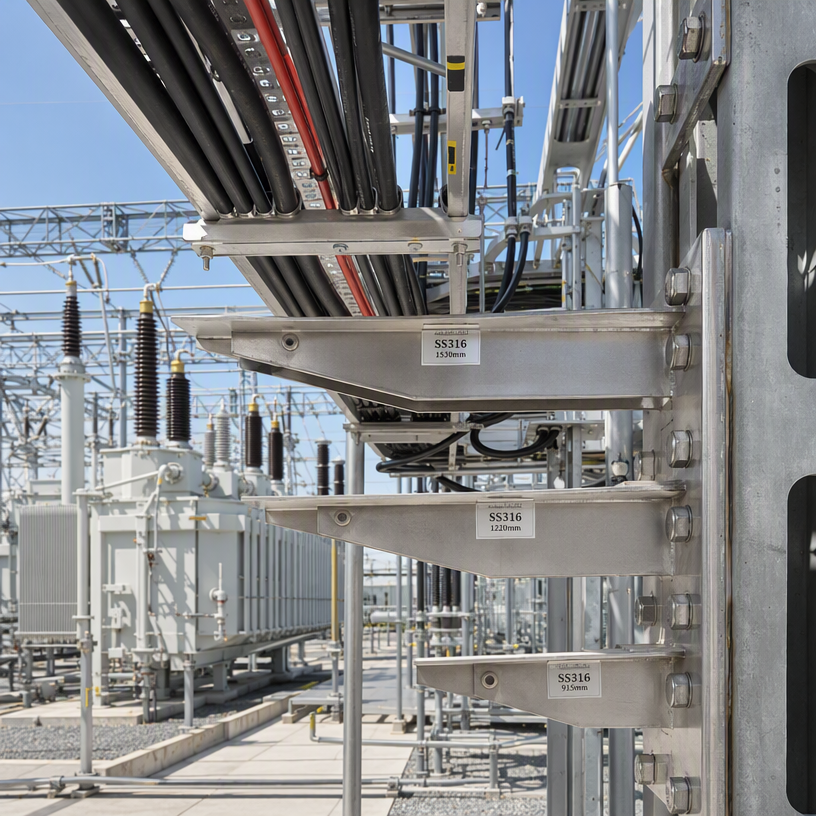
Conduit strap clamps are essential components used in securing electrical conduits, ensuring stability and safety in both commercial and industrial applications. As B2B buyers, purchasing managers, and engineers consider these products, it's crucial to evaluate their quality, materials, and installation methods to ensure they meet specific application requirements. This article will help you navigate the complexities of conduit strap clamps, addressing key concerns such as quality evaluation, installation guidance, material advantages, common problems, and cost factors influencing your purchase. For instance, materials like stainless steel in products such as SS316 Wire Mesh Cable Tray — Marine-Grade Stainless Steel Cable Management for Offshore & Coastal Installations are essential for durability.


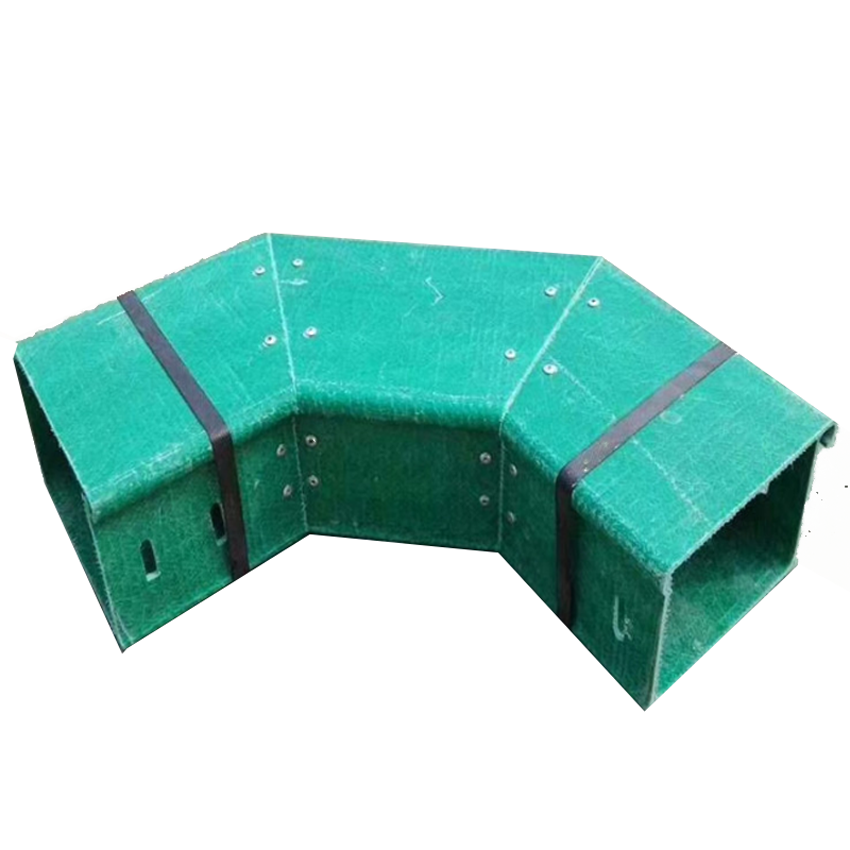
Top Suppliers of Durable Conduit Strap Clamps for Bulk Orders
Correct installation of conduit strap clamps is vital to ensure their effectiveness and longevity. First, identify the surface where the clamp will be mounted. For concrete or masonry surfaces, ensure that you use appropriate anchors to secure the clamp firmly. In contrast, for wooden surfaces, wood screws may suffice.
When installing the clamp, position it around the conduit and secure it snugly without over-tightening, which could damage the conduit or the clamp itself. In environments subject to vibration or movement, consider using additional supports or securing methods to prevent loosening over time. It's also crucial to follow any specific installation instructions provided by the manufacturer, as these will offer guidance tailored to that specific product.
For applications with varying temperature and environmental conditions, consult with the manufacturer about the suitability of the clamp material and design. This can prevent issues such as material fatigue, corrosion, or failure under load.