Choosing the Right Conduit Clamp for Your Project

Get a Free Quote

Our representative will contact you soon.
Email
Mobile/WhatsApp
Name
Company Name
Message
0/1000

conduit clamp

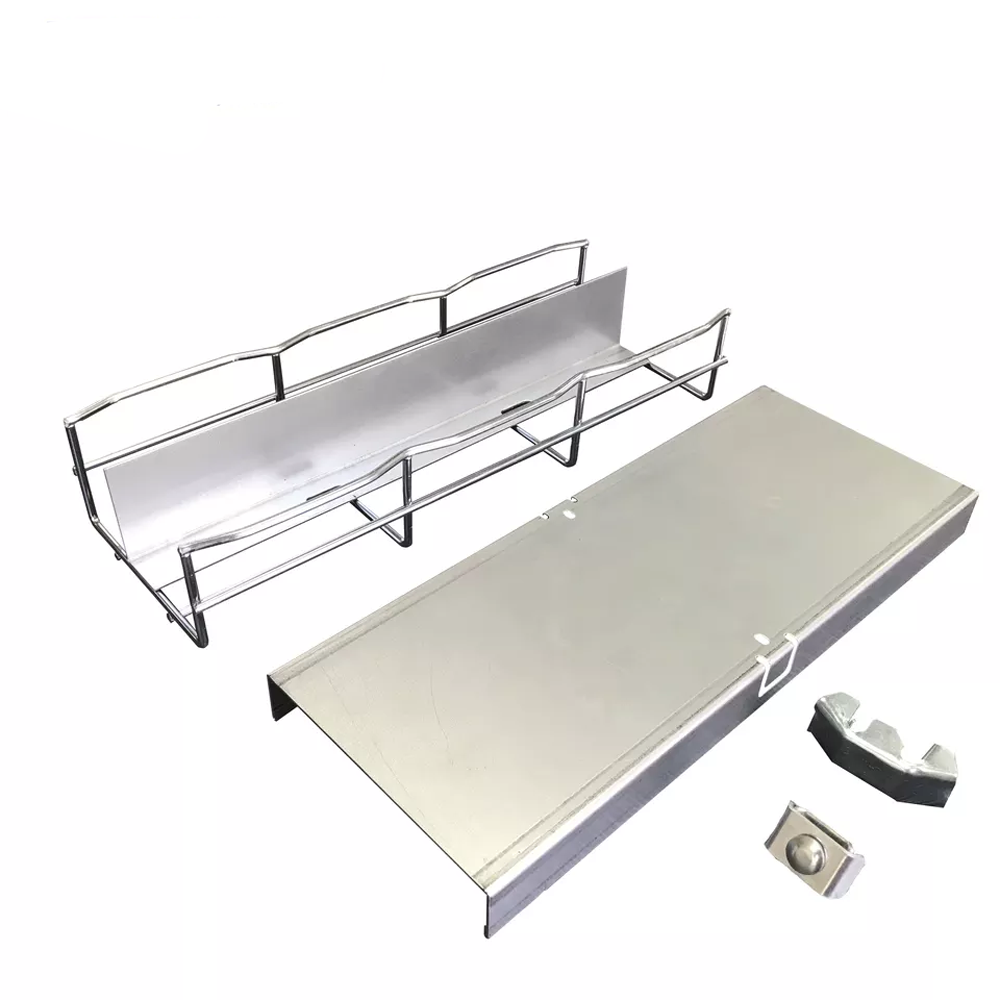
Understanding  conduit clamps is  essential  for  any project involving cable management and electrical  installations. As a vital  component used to secure  and support electrical  conduits, choosing the  right conduit clamp  can greatly  affect the efficiency and safety of electrical systems. This  article  will  help you  navigate key considerations when  selecting conduit  clamps,  focusing on sourcing reliable suppliers,  evaluating quality, and understanding the costs associated with  bulk orders.
Our Products

Where to Source Reliable Conduit Clamps for Wholesale Purchases

Where to Source Reliable Conduit Clamps for Wholesale Purchases

Sourcing conduit clamps for wholesale purchases involves identifying reputable suppliers who can consistently meet your quality and delivery requirements. Start by researching  manufacturers with a proven track record in  the industry.  Established companies often have  extensive catalogs of products and  can offer customization options to fit your specific  needs.

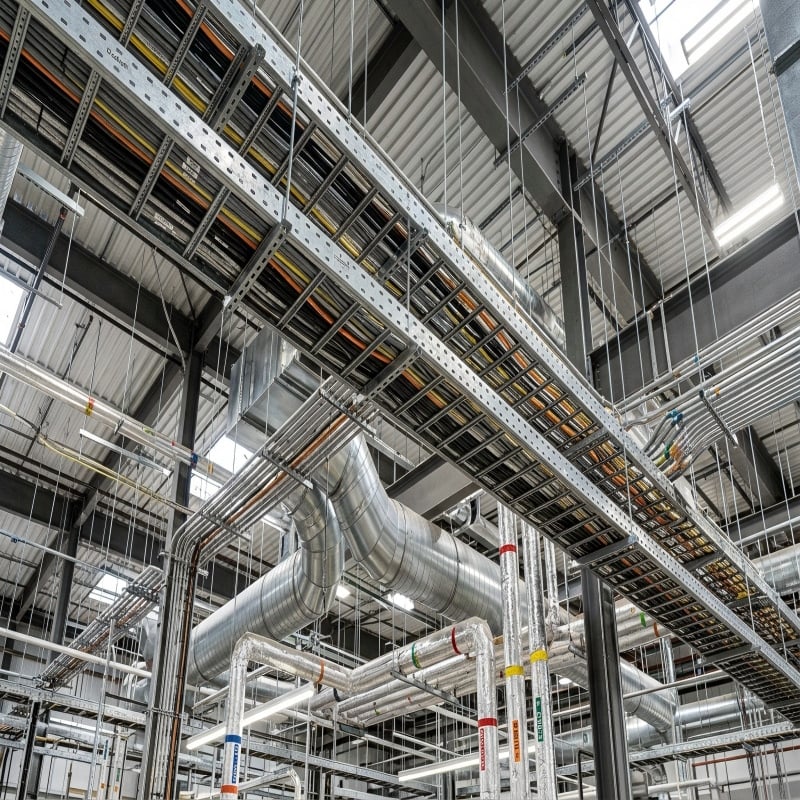
When evaluating  suppliers, consider their  manufacturing capabilities, including their production equipment and  quality control processes. Suppliers  like Shanghai Qinkai Industry Co.,  Ltd.  leverage advanced technologies  and rigorous quality  control standards  to ensure their products meet industry  specifications, similar to those used in various Industrial Workshops.

Additionally,  inquire about their experience with export markets and their ability to handle large orders.  This can significantly affect lead times and overall costs. Request references or case studies from past clients to assess  their reliability and service quality.
 
Key Quality Factors in Conduit Clamps You Should Know

Key Quality Factors in Conduit Clamps You Should Know

Quality  is a crucial aspect  when selecting conduit clamps, as it directly impacts  the performance and safety of  your electrical installations. Here are key factors to consider:

Material Composition: The choice of  material affects durability and resistance to environmental factors. For instance, galvanized steel offers excellent corrosion resistance, while stainless steel provides  additional strength and longevity.

Design and Construction: Examine the  design  of  the clamp, including features such as rounded  edges  to prevent damage to conduits and  locking mechanisms for secure  fastening. Proper construction techniques, such as welding  or machining, also play a role in the  clamp’s overall strength.

Certification  and Compliance: Ensure the clamps meet relevant industry standards and certifications, such as UL, CE, or ISO. These certifications indicate  that the product has undergone rigorous testing for  safety and  performance.

Before finalizing your order, it’s advisable to conduct a quality inspection  of samples. This will allow you to verify the dimensions, fit, and overall performance under actual operating conditions.

How to Evaluate the Cost of Conduit Clamps for Bulk Orders

How to Evaluate the Cost of Conduit Clamps for Bulk Orders

Evaluating the cost of conduit clamps for bulk orders involves more  than just comparing unit prices. While lower prices may  be appealing, consider  the total cost of ownership,  which  includes factors such as:

Material Quality: Higher-quality materials often lead  to higher upfront costs  but can reduce maintenance and replacement expenses over time. Customization: If your project requires specific dimensions or features,  customization can affect  pricing. Discuss this upfront with suppliers to avoid unexpected costs. Shipping and Handling: Bulk orders may qualify  for discounted shipping rates, but always factor  in shipping costs to your overall budget. Lead Time: Rush orders  can incur additional fees. Plan your project  timeline to  allow for standard lead times  if  possible.

When requesting quotes from suppliers,  provide detailed specifications, including material type, dimensions, and  quantity. This will enable suppliers to give you  accurate  pricing information.

Essential Technical Knowledge for Sourcing Conduit Clamps

When sourcing conduit clamps, understanding technical specifications is essential for  making informed purchasing decisions. Here are some key technical aspects to consider:

Load Capacity: Check the load rating of the clamp,  which determines how much weight it can support. This is particularly important for installations in commercial  and industrial settings where safety is  a priority.

Dimensions: Accurate dimensions are critical for ensuring  the clamp fits  the conduit properly. Be sure to provide suppliers with specifications for both the  conduit and the  clamp.

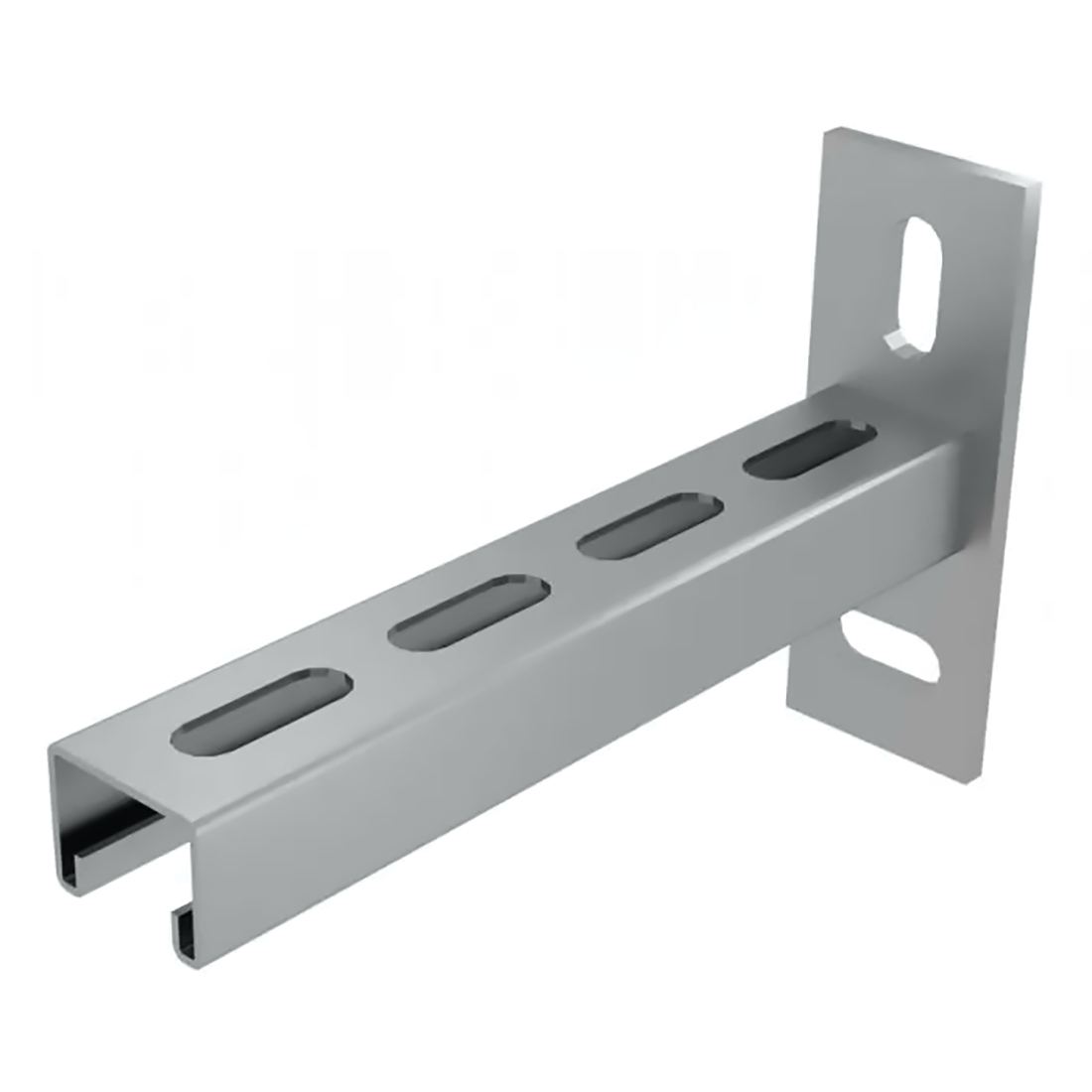
Mounting  Options: Different clamps offer various mounting options, such as wall-mounted or  ceiling-mounted configurations. Choose a clamp that aligns with your installation method.

Environmental Resistance:  Depending on the  installation environment,  consider clamps  with additional protective  coatings or treatments for enhanced durability.

Before committing to a supplier, it’s beneficial to request samples that allow for hands-on evaluation. Testing the clamps under the specific conditions they  will face can provide  valuable insights into their performance and suitability for your project.

By understanding these technical considerations and sourcing from reputable suppliers, you can  ensure that your conduit clamp selection not only meets your project requirements  but also enhances the overall reliability of your electrical installations.


Choosing the Right Conduit Clamp for Your Project Needs

Selecting the appropriate conduit clamp  depends on several project-specific factors.  First, consider the type and size of the conduits you  will be using. Common materials for  conduit clamps include steel, aluminum,  and plastic, each offering unique benefits. Steel  clamps are robust and suitable for heavy-duty applications, while aluminum clamps  are lighter  and resistant to corrosion, making them ideal for outdoor or humid environments. For applications in environments like Marine Engineering, understanding material properties becomes even more crucial.

Additionally, assess the load requirements of your installation.  Some clamps are designed to support heavier conduits or cables, while others are meant for lighter  applications.  Ensure  that the clamp you choose can withstand the environmental conditions it will  face—such as moisture, temperature fluctuations,  and exposure to chemicals—by reviewing material specifications and certifications.

Lastly, consider the installation method. Some  conduit  clamps are designed  for easy installation with standard tools, while others may require specialized equipment. Understanding these factors will  ensure that you select a conduit clamp  that meets the specific demands of  your project.

Frequently Asked Questions

What materials are your conduit clamps made from?

Our conduit clamps are manufactured from high-quality steel or stainless steel, with options for corrosion-resistant coatings to suit indoor and outdoor installations.
We offer multiple sizes to fit common conduit diameters and finishes including zinc plating, hot-dip galvanizing, and powder coating for durability.
Yes. Our conduit clamps are designed to integrate with cable trays, metal wire troughs and support systems for secure routing and organization.
Yes. We offer custom stamping and fabrication to meet specific dimensions, hole patterns and load requirements for specialized projects.
Products undergo material inspection, dimensional checks and surface treatment tests. We adhere to internal quality standards and can support inspection documentation on request.

Our Blog Posts

Stainless Steel Custom Parts: How to Align Drawings With Solar Project Requirements

22

Sep

Stainless Steel Custom Parts: How to Align Drawings With Solar Project Requirements

Stainless steel custom parts play a critical role in solar projects, ensuring durability and reliability in various applications. Buyers, including purchasing managers and engineers, often have concerns regarding specifications, material suitability,...
View More
Solar Panel Bracket Buying Guide for Utility-Scale Ground-Mount Solar Projects

25

Sep

Solar Panel Bracket Buying Guide for Utility-Scale Ground-Mount Solar Projects

When planning utility-scale ground-mount solar projects, selecting the right solar panel brackets is crucial for ensuring stability, durability, and optimal performance. This Solar Panel Bracket Buying Guide for Utility-Scale Ground-Mount Solar Proje...
View More
What Makes Wire Mesh Cable Tray Ideal for Data Center and Rooftop Solar

24

Sep

What Makes Wire Mesh Cable Tray Ideal for Data Center and Rooftop Solar

Wire mesh cable trays are essential components in data centers and rooftop solar installations, providing a structured pathway for electrical cables and ensuring efficient management of wiring systems. Understanding what makes wire mesh cable trays i...
View More
FRP Cable Tray Flame-Resistant Performance for Industrial Solar Installations

24

Sep

FRP Cable Tray Flame-Resistant Performance for Industrial Solar Installations

Flame-resistant fiberglass reinforced plastic (FRP) cable trays play a critical role in industrial solar installations, ensuring safety and reliability in demanding environments. With the increasing adoption of solar energy solutions, understanding t...
View More

Get a Free Quote

Our representative will contact you soon.
Email
Mobile/WhatsApp
Name
Company Name
Message
0/1000

Related product categories

Choosing the Right Conduit Clamp for Your Project

Get a Free Quote

Our representative will contact you soon.
Email
Mobile/WhatsApp
Name
Company Name
Message
0/1000