EN
EN

Seismic Support System — Code-Compliant Seismic Bracing for Piping, Conduit & Cable Tray
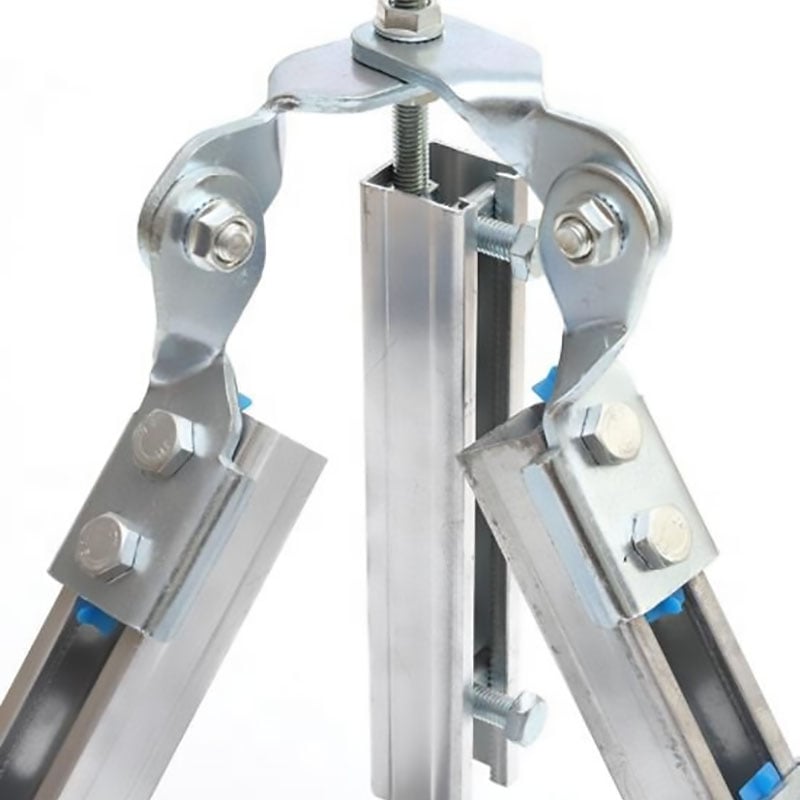
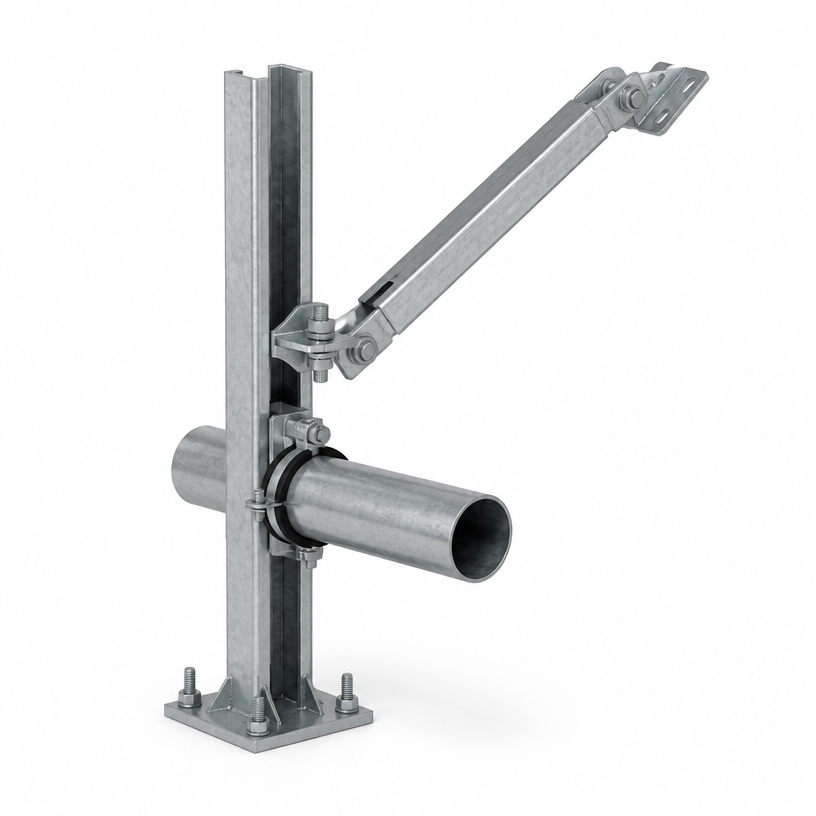
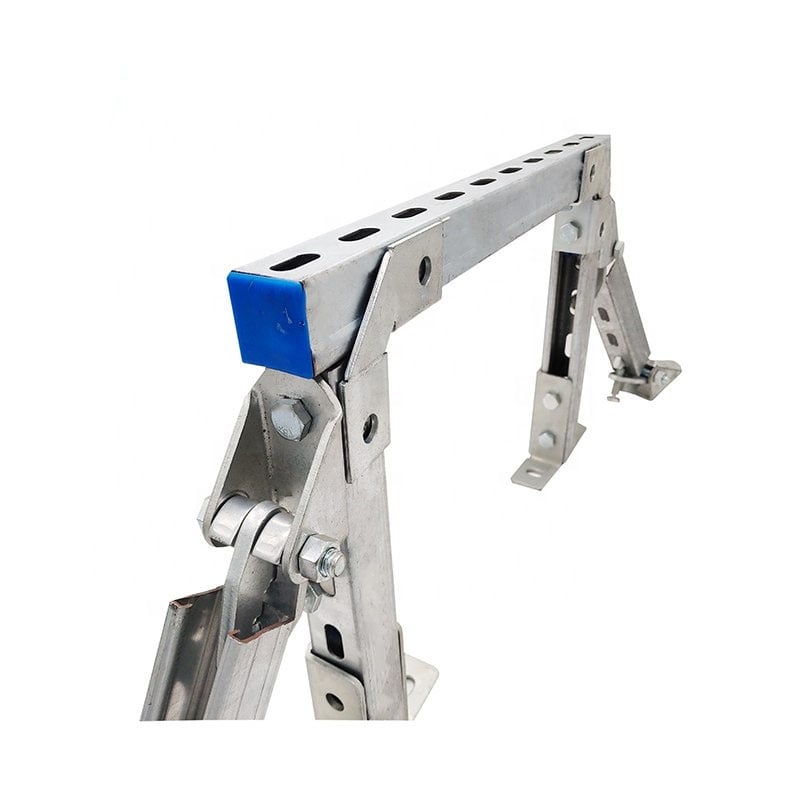
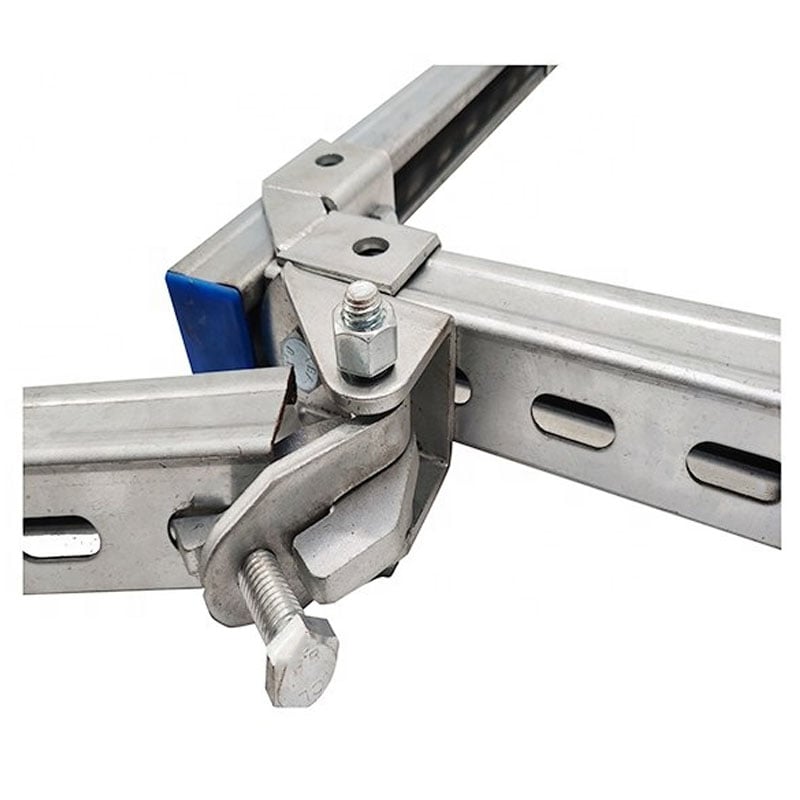
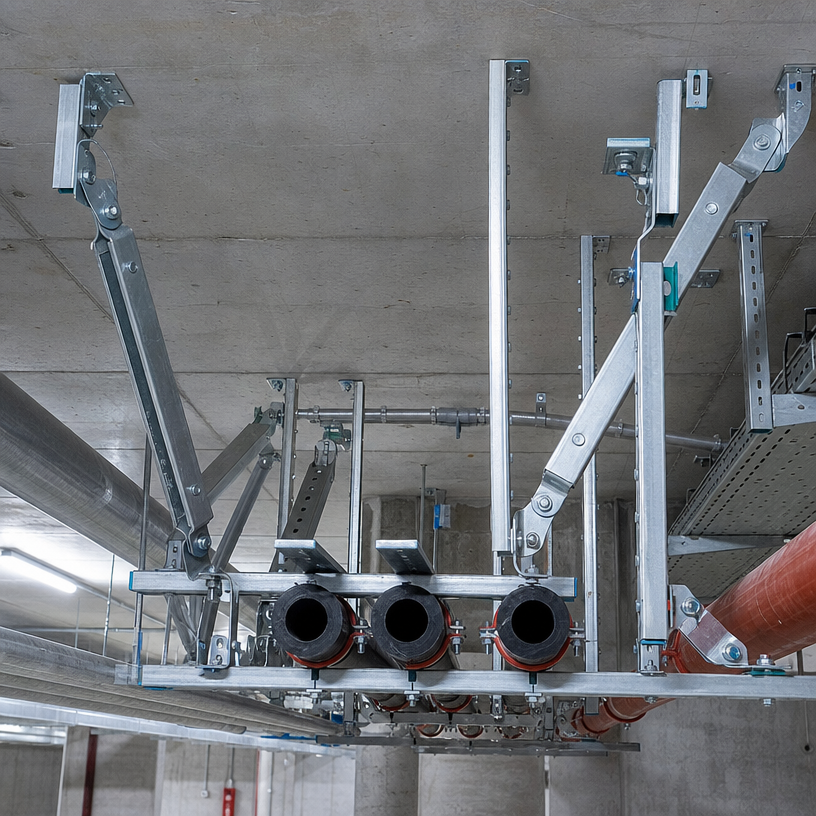
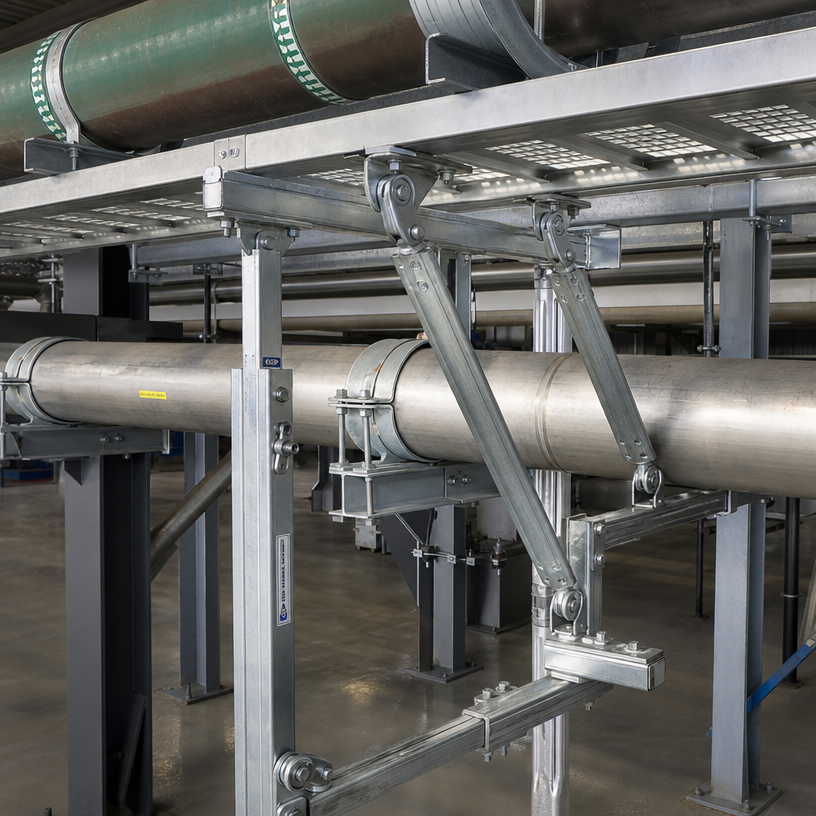
Qinkai seismic support systems are prefabricated, code-compliant bracing solutions that restrain MEP systems — fire sprinkler piping, HVAC ducts, conduits and cable trays — against seismic forces. Each assembly combines structural channel, 45° diagonal braces, pipe clamps and anchoring hardware, engineered to FM 1950 and NFPA 13, with design loads calculated to IBC / ASCE 7-16.
Lateral braces control movement perpendicular to the run; longitudinal braces resist forces along the axis — supplied as single-pipe, multi-pipe and trapeze configurations. All components are hot-dip galvanized (or epoxy-coated / stainless steel for aggressive environments) and factory-prefabricated for fast, tool-minimal installation. Every project ships with engineered calculations, anchor pull-out checks and assembly drawings that contractors can submit directly with permit applications.
- Technical Specifications
- Advantages
- Applications
- FAQ
- Recommended Products
Technical Specifications
General Specifications
| Parameter | Specification |
| Product Type | Lateral Brace / Longitudinal Brace / Trapeze / Single & Multi-pipe |
| Standard | FM 1950 / NFPA 13 / IBC & ASCE 7-16 / CBC / MSS SP-58, SP-69 |
| Brace Angle | 45° standard diagonal (adjustable 30°–60°) |
| Applicable Systems | Fire sprinkler, plumbing, HVAC ducts, cable trays, busways, power piping |
| Pipe Size Range | DN25 – DN600 (1" – 24") |
| Design Load | Seismic lateral force Fp per ASCE 7 (0.5g – 1.5g acceleration levels) |
| Channel Profile | 41×41 / 41×62 / 41×82 mm series |
| Material | Q235B carbon steel (HDG); 304/316 stainless steel; epoxy powder coating |
| Galvanizing | Hot-dip galvanized ≥ 65 µm (ISO 1461) |
| Operating Temperature | -40 °C to +150 °C |
| Finish | Hot-dip galvanized / epoxy-coated / stainless steel |
Code Trigger Points (selection guide for buyers)
| Code | Trigger Requirement |
| NFPA 13 | Seismic bracing mandatory for sprinkler risers, mains and branch lines ≥ 2.5" (DN65) |
| ASCE 7-16 §13.6 | All trapeze assemblies supporting ≥ 100 lbs (45 kg) require sway bracing |
| FM 1950 | Factory mutual approval system; each lateral/longitudinal brace individually verified |
| IBC / CBC | Seismic restraint mandatory for MEP systems in high-risk categories (hospitals, schools, data centers) |
Advantages
Six Core Advantages
| Advantage | Value Proposition |
| 1. Code-level compliance | Full coverage of FM 1950 / NFPA 13 / ASCE 7-16 — passes inspection the first time |
| 2. Dual-direction bracing in one unit | Lateral + longitudinal bracing prefabricated as one assembly — both directions restrained at a single suspension point |
| 3. Optimal 45° mechanics | Standard 45° diagonal converts horizontal seismic force into axial tension/compression — maximum structural efficiency |
| 4. Factory prefabrication | Channel, diagonal braces, clamps and anchors pre-kitted to drawings — 50%+ faster on-site installation |
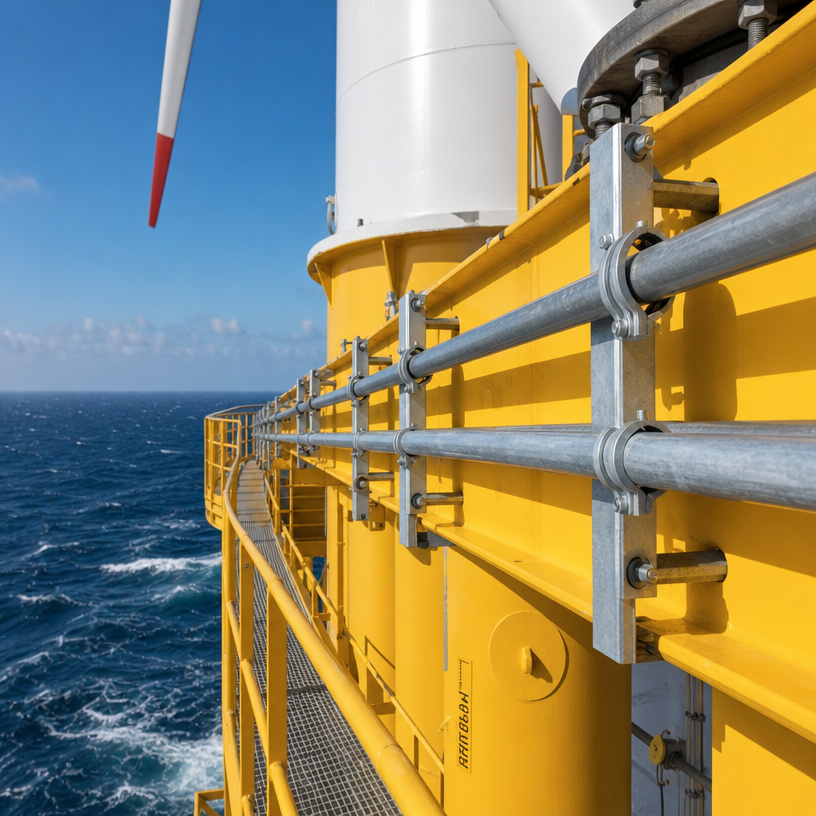
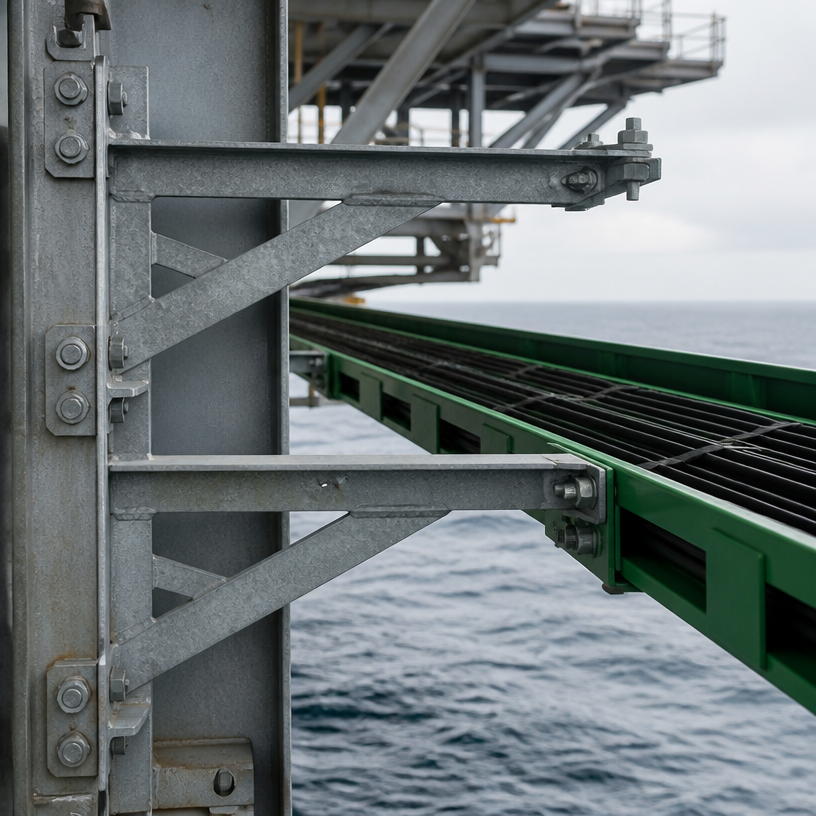
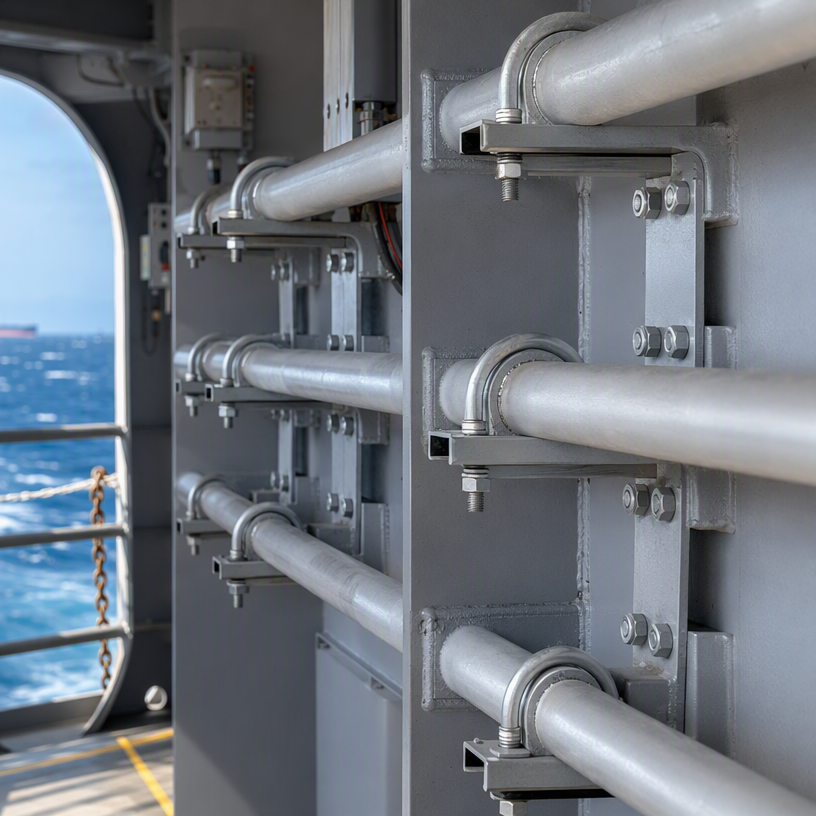
| 5. Full-life corrosion protection | HDG / epoxy / stainless options cover salt-spray, humid and chemical environments |
| 6. Calculations delivered with every order | PE-stamped seismic calculations + anchor pull-out checks + assembly drawings, submittable straight to plan review |
Core Competitiveness (Why Qinkai)
Deliverable engineering calculations (hard qualification) — Fp lateral force calculations per ASCE 7-16, anchor pull-out checks and assembly drawings that contractors submit with permit applications. An endorsement trading intermediaries cannot provide.
FM / NFPA dual-standard compatibility — one system satisfies both FM 1950 and NFPA 13, seamless across US fire-protection inspections.
Proven track record in seismic zones — delivery records across the US West Coast, Philippines and Mexico; familiar with local plan-review requirements (CBC / Philippine NBCP).
Factory-direct, integrated manufacturer — own-plant production with in-house hot-dip galvanizing line; controlled lead times and quality.
Deep customization — non-standard channel lengths, dual-direction assemblies, coating systems and anchor schemes engineered to your drawings.
Applications
Seismic support is not an option — it is a mandatory compliance item for MEP systems in seismic zones. In an earthquake, unrestrained piping, ducts and cable trays detach and sever lifeline systems, triggering secondary disasters: water damage, power outages and fire spread.
| Application | Key Value |
| Fire Sprinkler Systems | NFPA 13 mandate: risers, mains and ≥ 2.5" branch lines fully restrained — sprinklers stay operational after a quake |
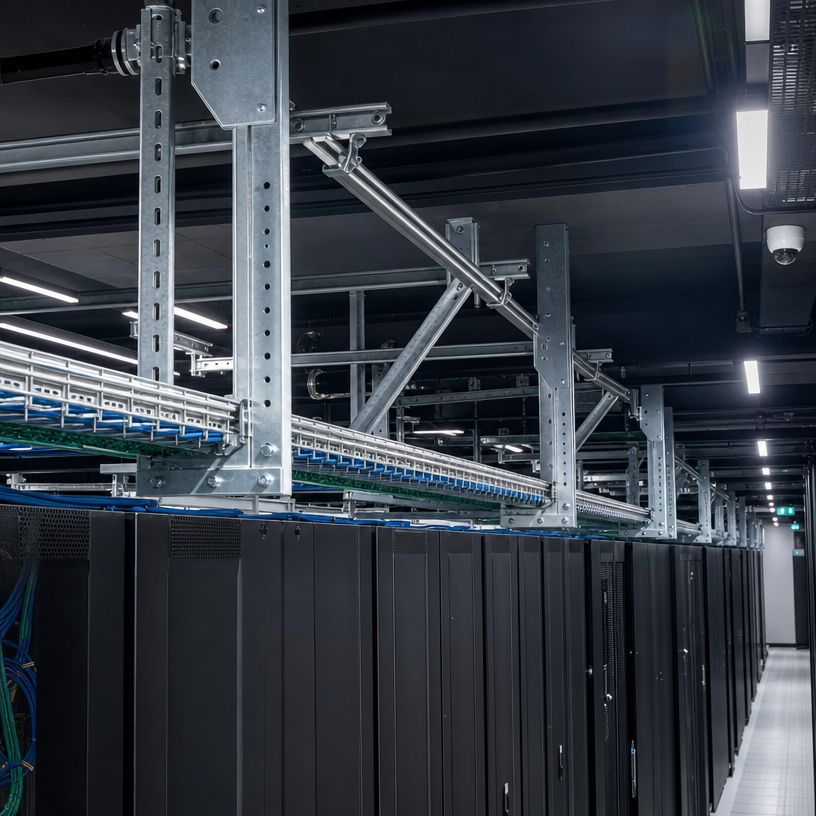
| Data Centers | Server chilled-water piping and busways secured — zero business downtime after seismic events |
| Hospitals & Schools | IBC high-risk categories (Risk Category III/IV): MEP seismic restraint mandatory |
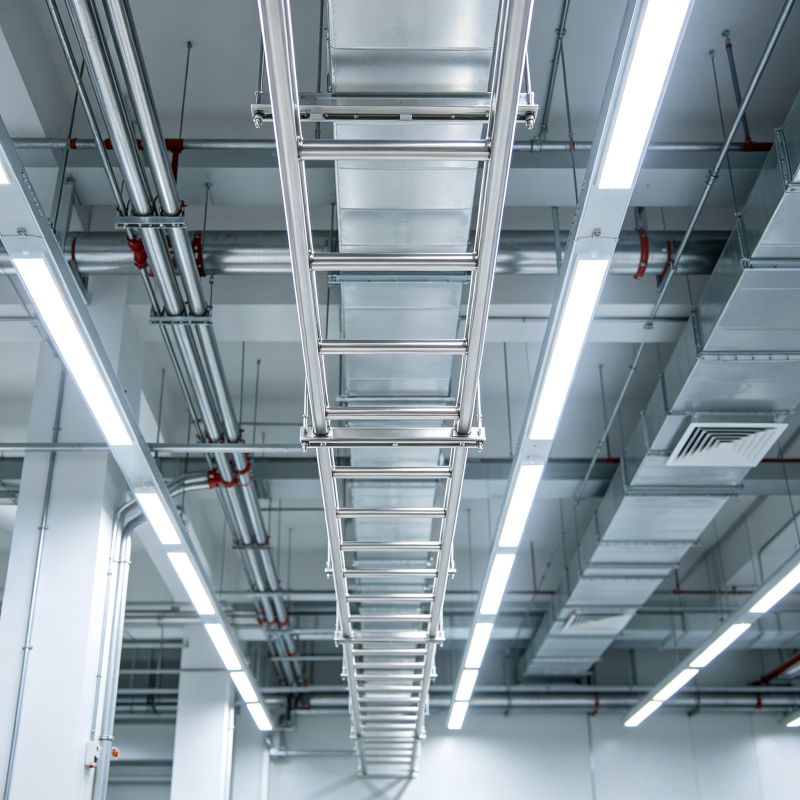
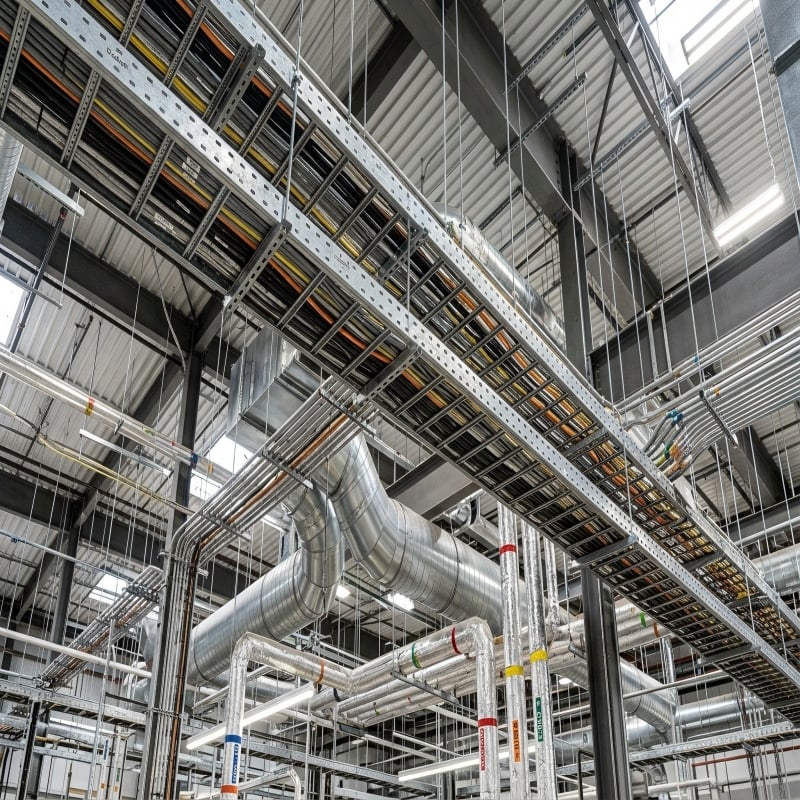
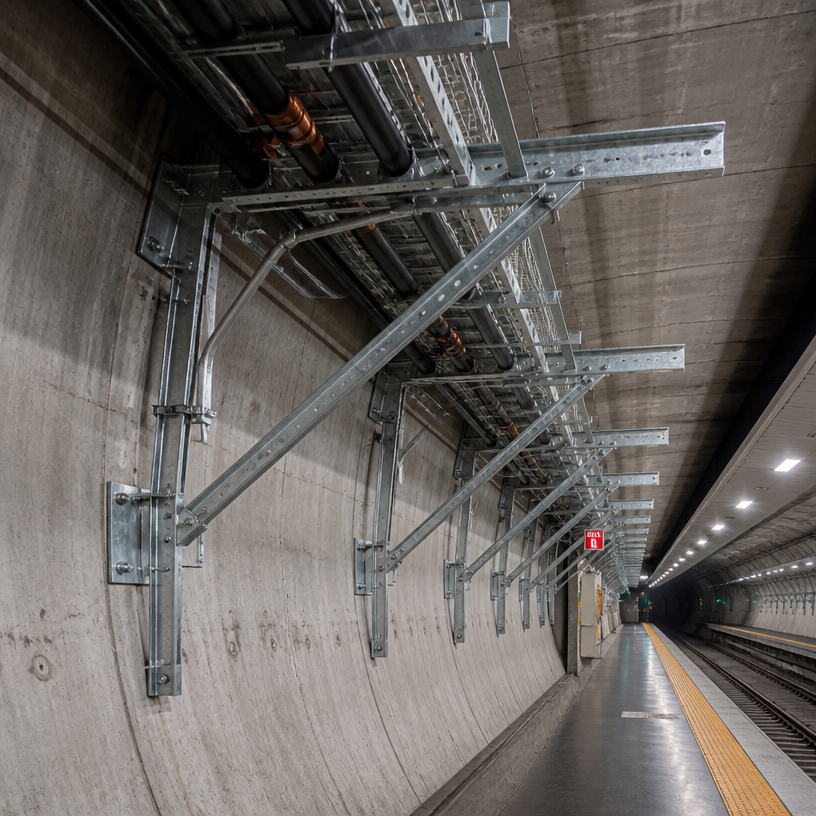
| Airports & Transit Hubs | Integrated seismic bracing for ducts, trays and combined services in large-span ceilings |
| Industrial Plants & Petrochemical | High-temperature / high-pressure piping restrained to prevent cascading leak incidents |
| High-Rise Complexes | Vertical risers braced segment-by-segment to stop domino-style failures |
Application block copy: From sprinkler risers in Los Angeles hospitals to chilled-water lines in Manila data centers, Qinkai seismic support systems keep critical MEP services anchored through design-level earthquakes — protecting lives, preventing secondary damage, and keeping facilities operational when it matters most.
FAQ
Q1: Do your products comply with FM 1950 or NFPA 13?
A1: Yes — lateral and longitudinal braces are designed to FM 1950 and NFPA 13, with applicable test and certification documents available.
Q2: Can you provide PE-stamped calculations?
A2: Yes — Fp calculations per ASCE 7-16, anchor pull-out checks and assembly drawings ship with every order, submittable directly to plan review.
Q3: What's the difference between lateral and longitudinal bracing?
A3: Lateral braces restrain movement perpendicular to the run; longitudinal braces resist forces along the axis. Dual-direction assemblies handle both at one point.
Q4: What material? Corrosion protection level?
A4: Q235B carbon steel, hot-dip galvanized ≥ 65 µm (ISO 1461); epoxy coating or 304/316 stainless available for humid and chemical environments.
Q5: Can you customize? MOQ?
A5: Yes — channel length, dual-direction form, coating and anchor schemes made to your drawings; quote within 24 h, MOQ from 50 sets per size.
Q6: Easy to install on site?
A6: Factory pre-kitted — site work is tightening only, no field welding; 50%+ faster installation, with assembly drawings and video commissioning support.