EN
EN

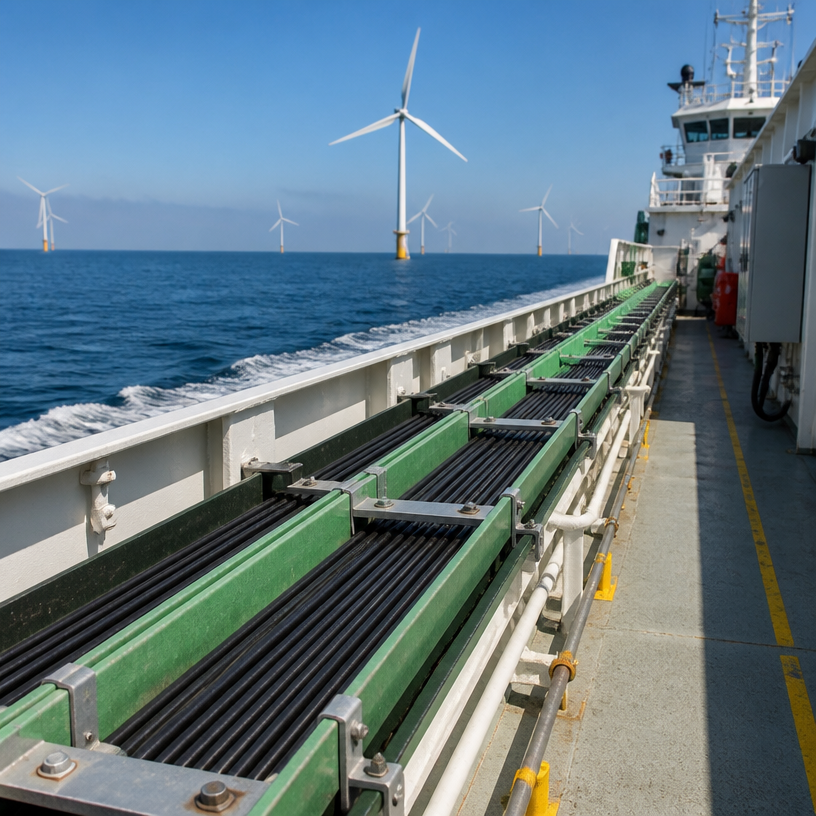
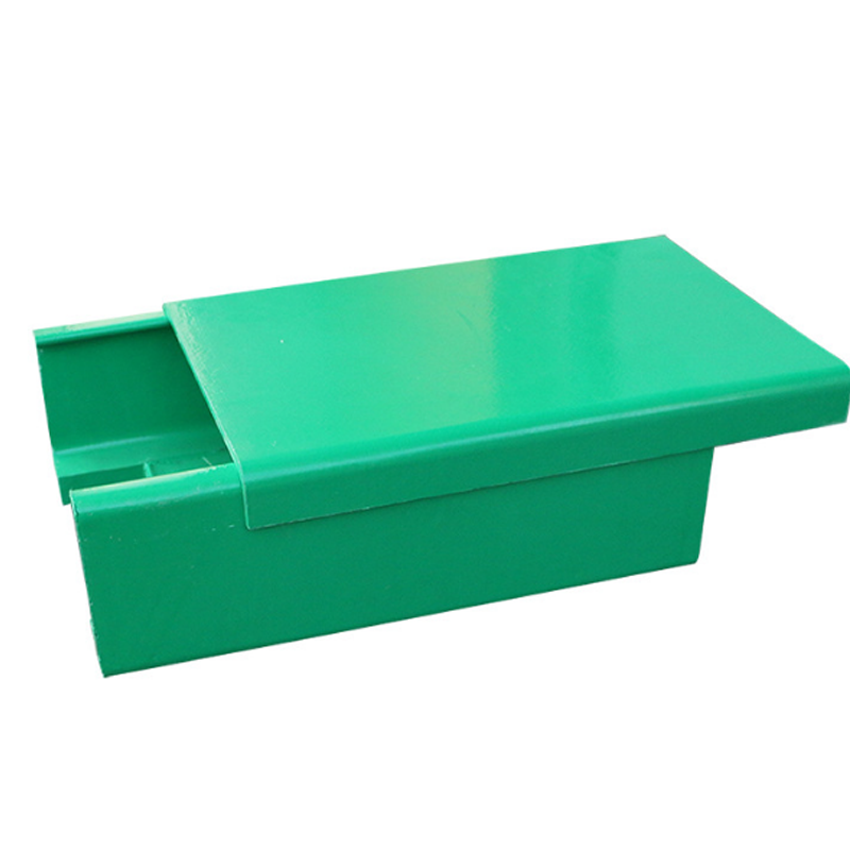
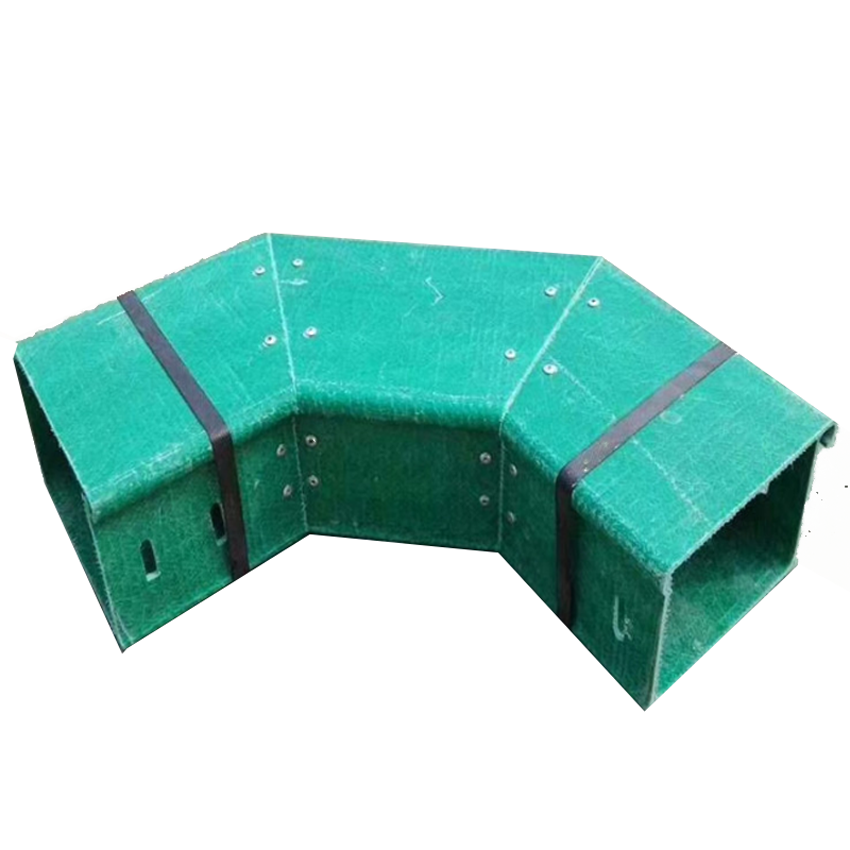
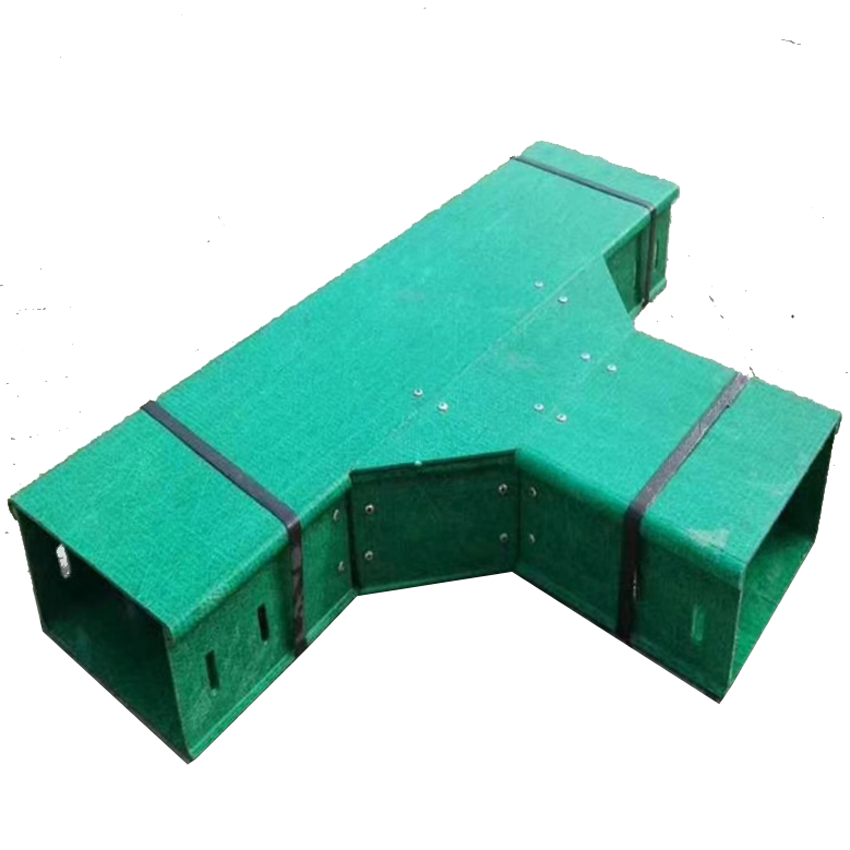
Marine-Grade FRP Cable Tray | NEMA FG1 Fiberglass Cable Ladder for Offshore & Coastal Projects
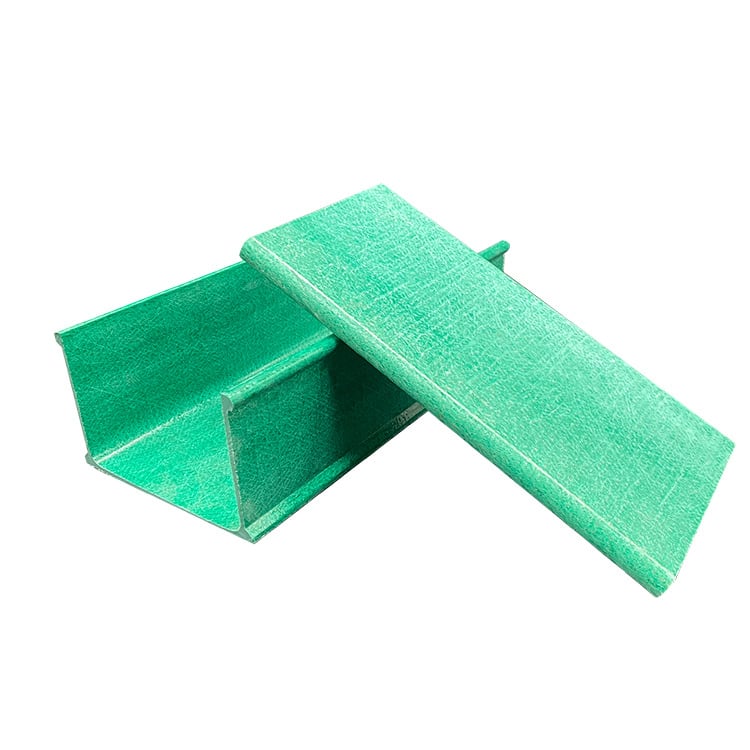
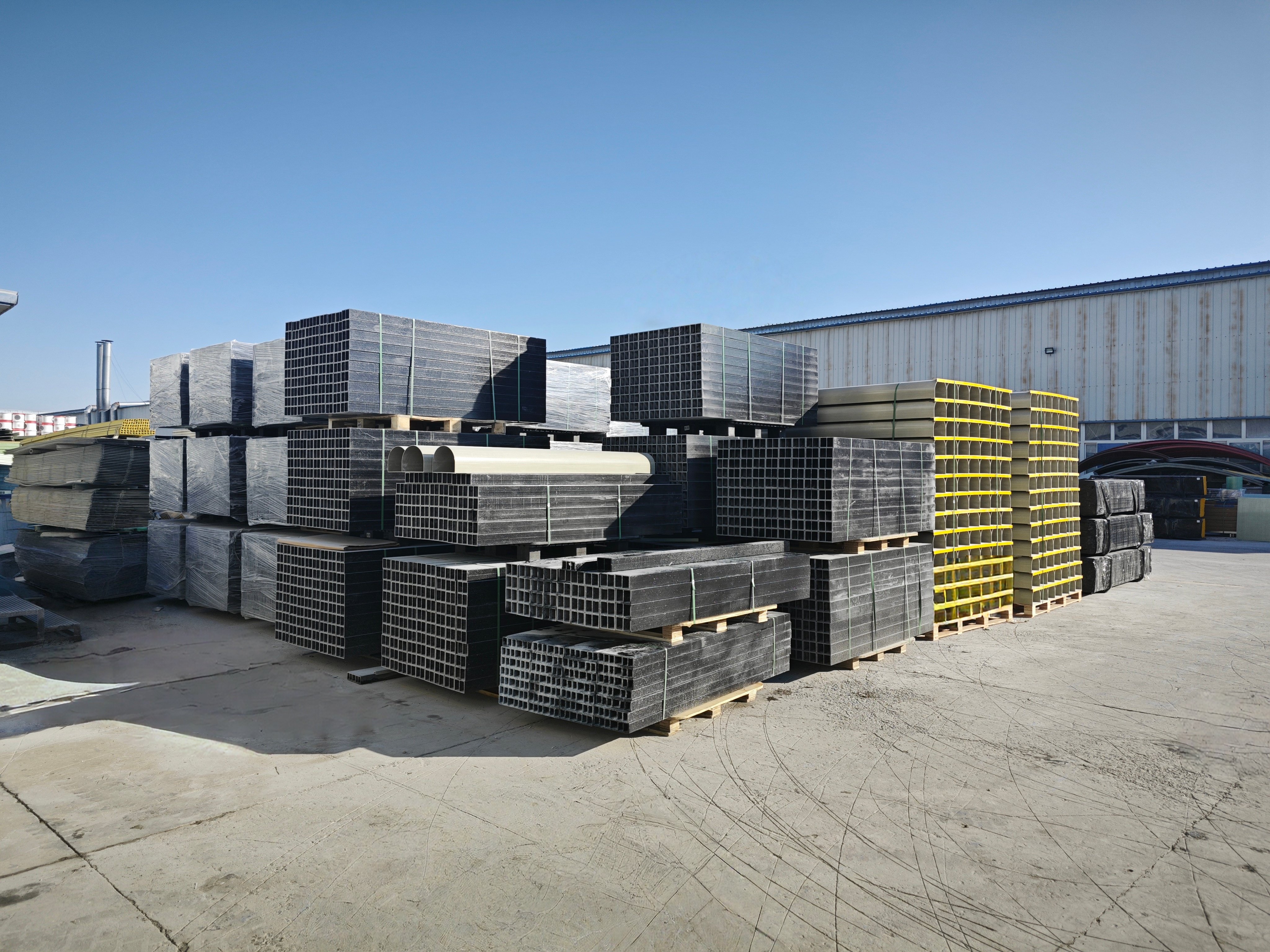
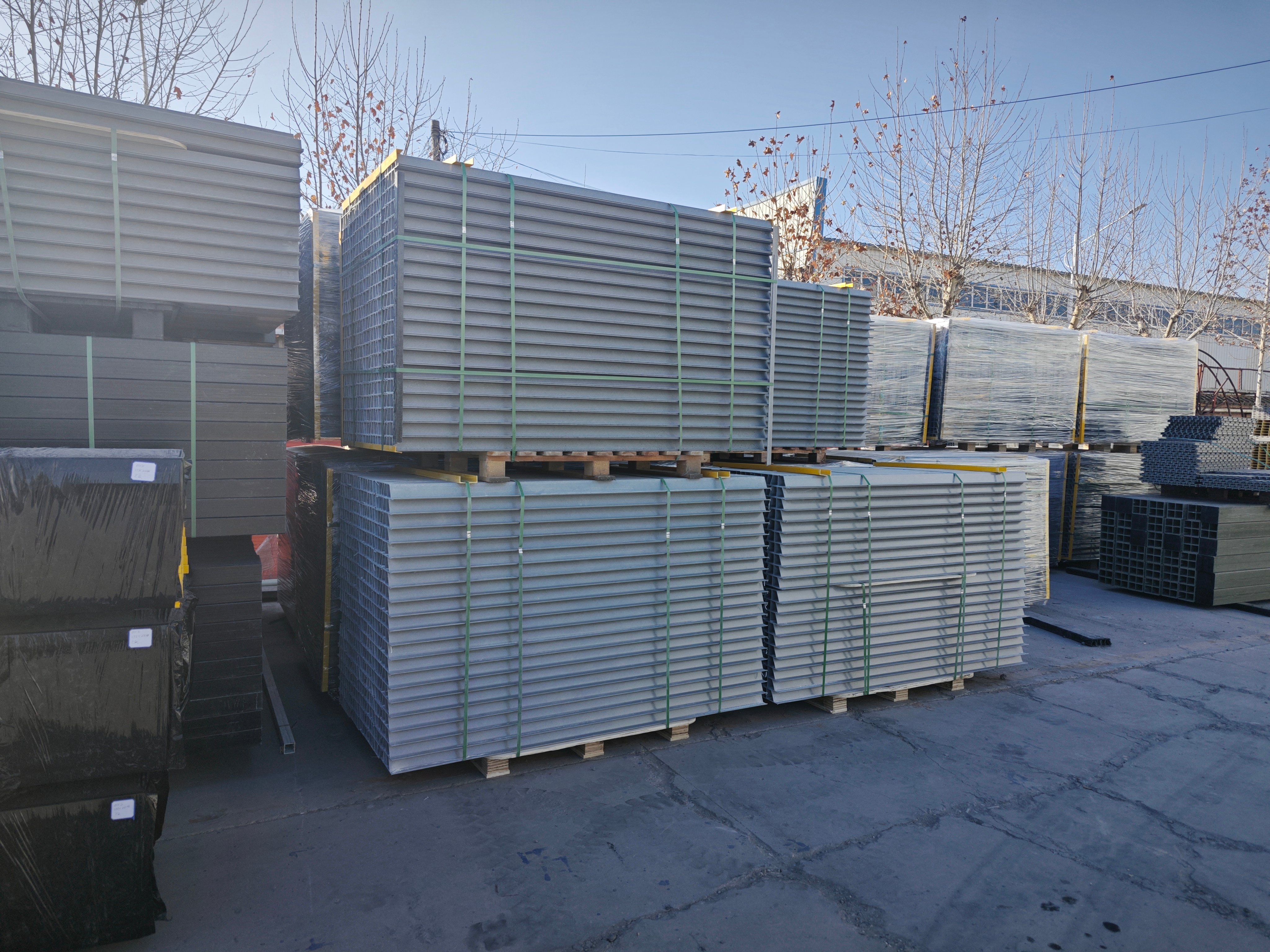
Qinkai FRP cable trays are pultruded fiberglass-reinforced polyester cable management systems engineered for the toughest corrosive environments — offshore platforms, shipyards, desalination plants, chemical and petrochemical facilities, and coastal power stations. Unlike galvanized steel, FRP never rusts, never needs repainting, and is completely electrically non-conductive and non-magnetic, eliminating eddy-current heating on single-core high-current cables.
Manufactured to NEMA FG 1 and IEC 61537, our trays deliver verified load ratings (Class 8C–20C) with spans up to 3.0 m, flame-retardant UL94 V-0 performance, and a 25-year design life in marine salt-spray conditions. Available in ladder, trough, and channel profiles with full accessory kits — supplied factory-direct with engineering load charts, deflection calculations, and project drawings for EPC bids.
- Technical Specifications
- Advantages
- Applications
- FAQ
- Recommended Products
Technical Specifications
| Parameter | Specification |
| Product Type | Ladder / Trough / Channel |
| Standard | NEMA FG 1 / IEC 61537 |
| Standard Width | 100 / 150 / 300 / 450 / 600 / 750 mm |
| Side Rail Depth | 75 / 100 / 150 / 200 mm |
| Standard Length | 3000 mm (customizable up to 6000 mm) |
| Resin System | Unsaturated polyester (UPR); marine-grade vinylester (optional) |
| Glass Content | 30–50% by weight |
| Flame Rating | UL94 V-0; oxygen index ≥ 28 (ASTM D2863) |
| Operating Temperature | -40 °C to +150 °C |
| Color | Orange / Yellow / Grey / custom per project |
| Surface Finish | UV-stabilized, outdoor-durable |
Load Ratings (NEMA FG 1)
| Class | Typical Loading | Application |
| 8C / 12C | Light duty | Low-voltage, control and instrumentation cables |
| 20B / 20C | Medium–heavy duty | Power cables, mixed routing |
Allowable span: 1.5 – 3.0 m (depending on width, side rail depth and load; load–span curves supplied with each shipment).
Advantages
Six Core Advantages
| Advantage | Value Proposition |
| 1. Extreme corrosion resistance | 25+ years of service in marine salt-spray and chemical environments; galvanized steel starts rusting and fails in 5–10 years under the same conditions |
| 2. Electrically non-conductive · eddy-current free | No conductivity, no magnetism — no eddy-current heating on single-core high-current cables, lower line loss and fire risk |
| 3. Lightweight | Approximately 1/4 the weight of steel trays — significantly lower sea-freight and overhead installation costs |
| 4. Flame-retardant & self-extinguishing | UL94 V-0 rated, low smoke and low toxicity, compliant with international engineering safety codes |
| 5. Maintenance-free | No hot-dip galvanizing, no periodic repainting — near-zero lifecycle maintenance cost |
| 6. Weather & UV resistant | No chalking, no deformation, stable color under long-term outdoor exposure |
Core Competitiveness (Why Qinkai)
Engineering data delivered with every order — NEMA FG1 load–span tables, deflection calculations, project drawings and 3D models that drop straight into EPC tender documents. This is a hard qualification that trading intermediaries cannot provide.
Marine-grade resin selection — dual resin systems (standard polyester + optional vinylester) with our engineers recommending the right system per project salinity level and chemical exposure. No more "wrong material" mistakes.
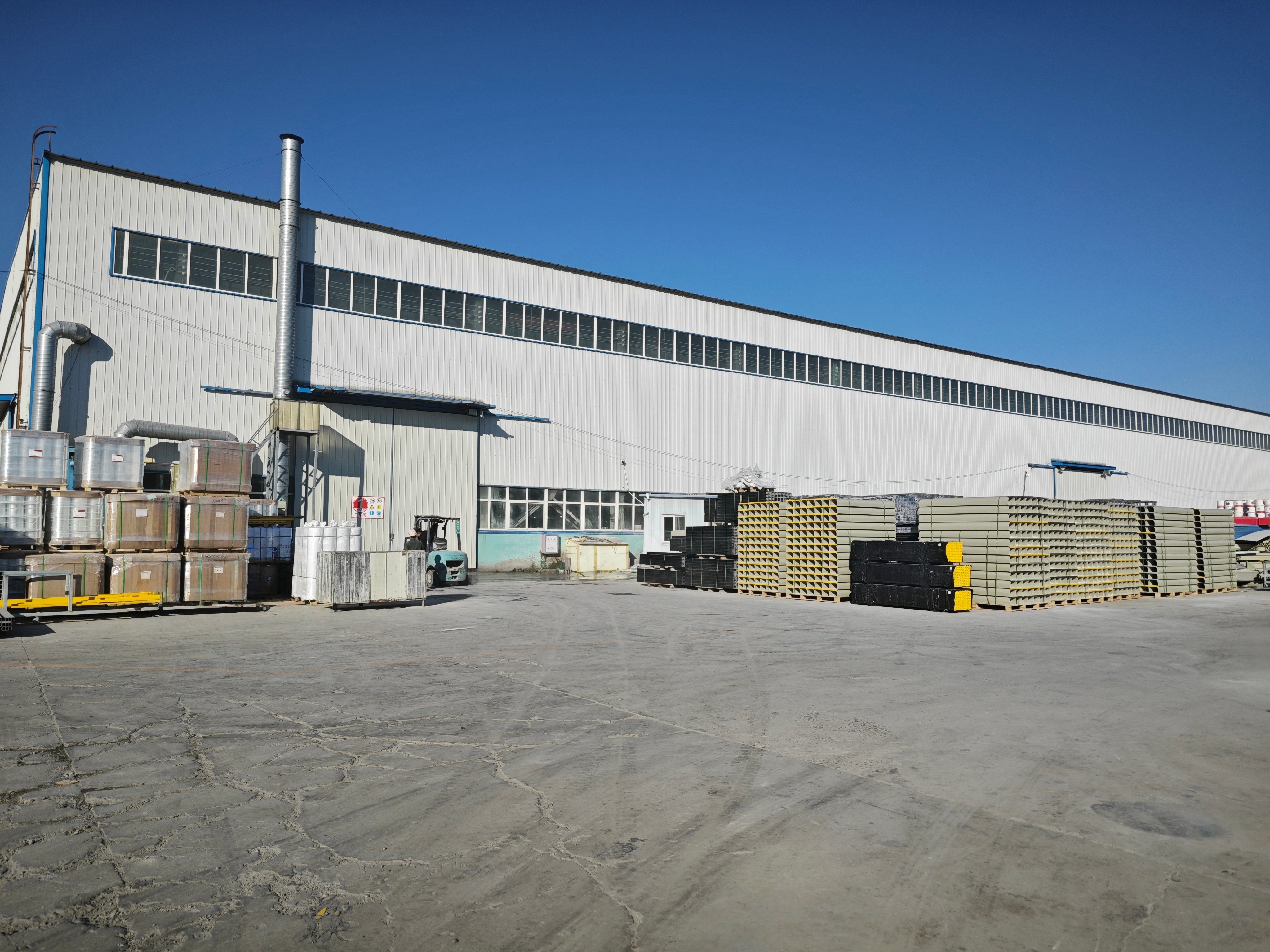
Factory-direct, integrated manufacturer — own-plant pricing with no intermediary markup; controlled lead times and phased deliveries for large projects.
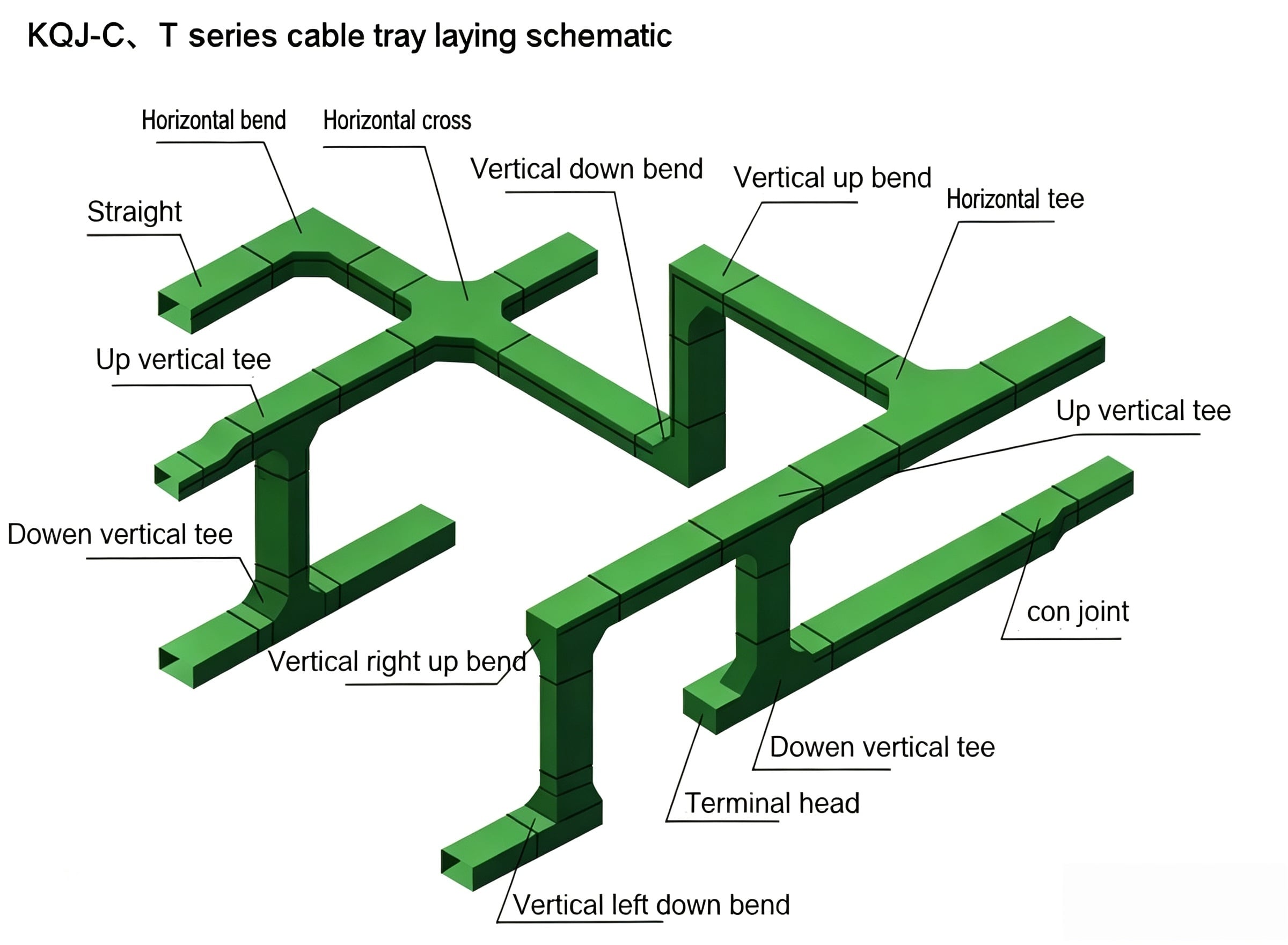
Complete accessory package — connectors, covers, support brackets, expansion bolts and grounding kits supplied as one set, eliminating multi-supplier interface risk.
Custom manufacturing — non-standard widths, side rail depths, cutouts and colors available to match overseas project specifications.
Applications
Marine & Offshore Applications
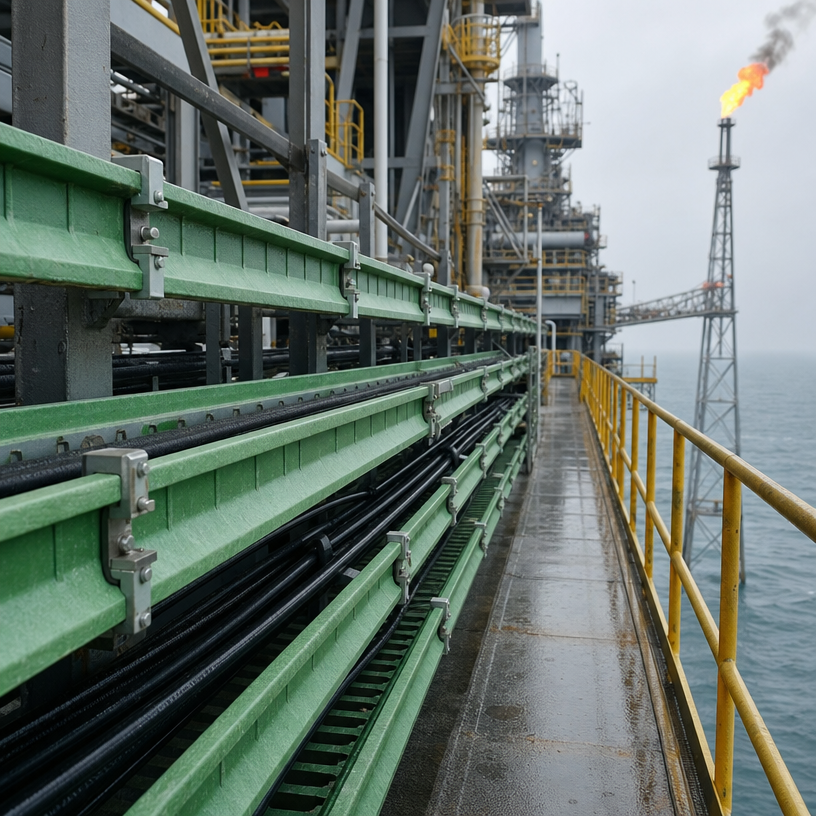
In marine engineering, FRP is not a substitute — it is the standard answer where galvanized steel stops making economic sense. High salt-spray and humidity quickly penetrate hot-dip zinc coatings, while FRP runs maintenance-free on the inherent corrosion resistance of the material itself.
| Application | Key Value |
| Offshore Oil & Gas Platforms | Immune to salt-spray corrosion; electrical insulation prevents galvanic corrosion of steel structures; light weight simplifies lifting |
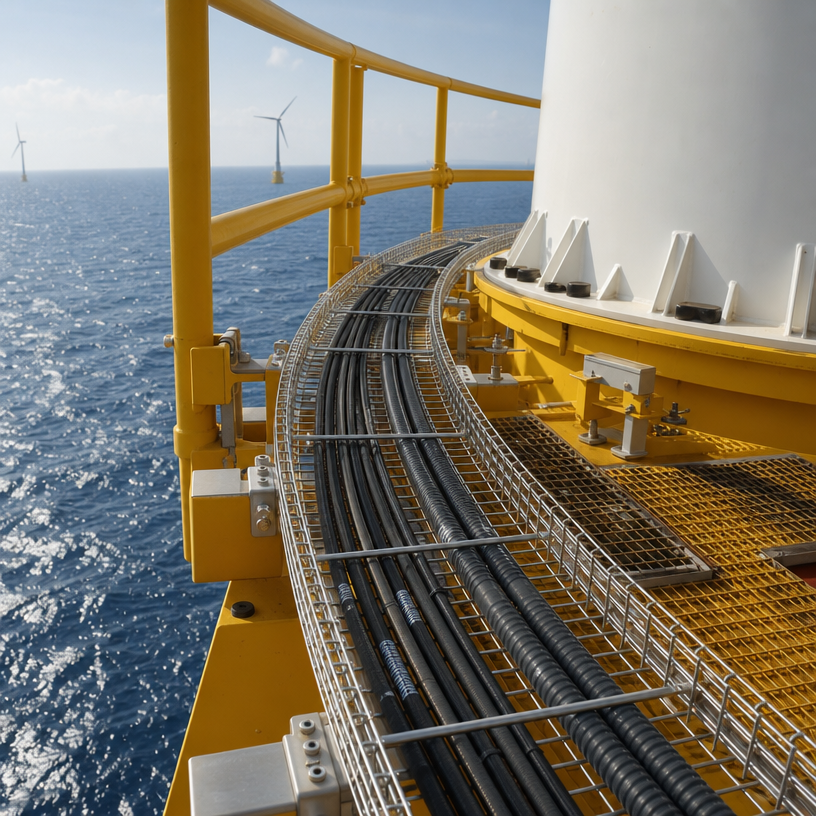
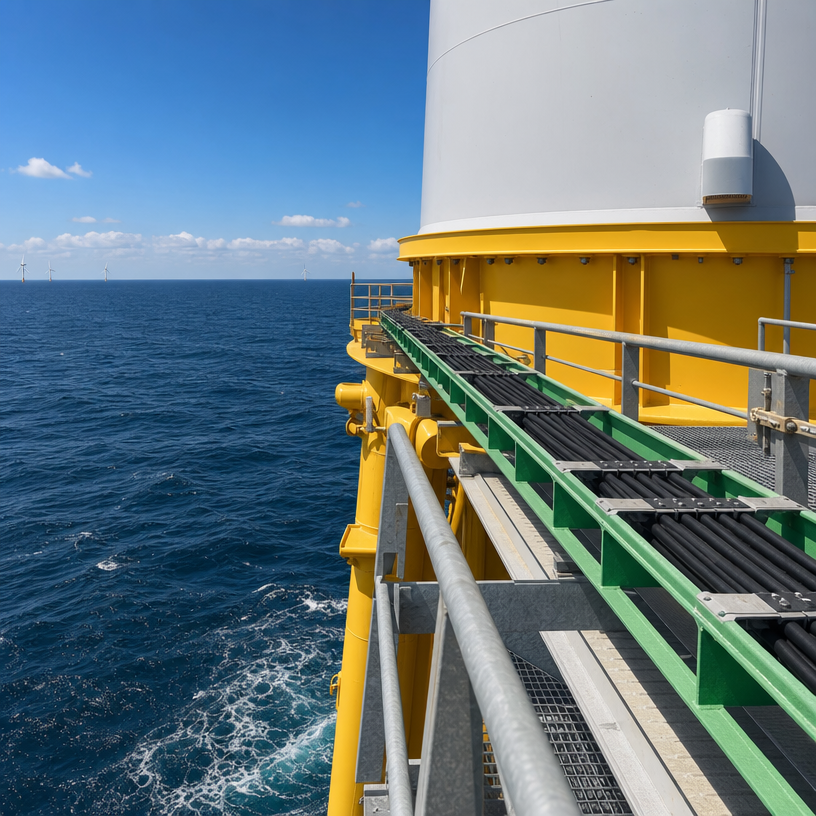
| Offshore Wind Farms | Cable management inside towers and nacelles; no eddy-current loss; maintenance-free for the full service life |
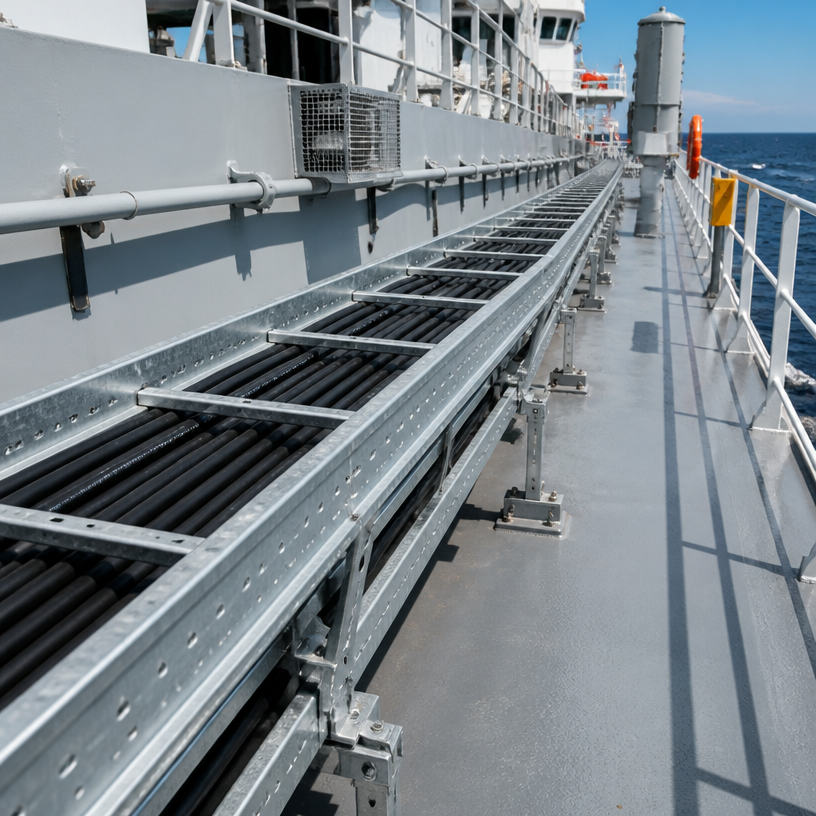
| Shipyards & Vessels | Withstands humid, salt-laden compartments; flame rating meets marine classification requirements |
| Ports & Cross-Sea Bridges | Structural integrity under prolonged tidal-zone exposure, splash-zone washing and scour |
| Desalination Plants | Dual attack from chloride ions and high humidity; chemical resistance superior to metallic trays |
| Coastal Power Stations | High-corrosion environments in circulating-water and stack areas |
FAQ
Q1: Are FRP trays more expensive than galvanized steel?
A1: Initial cost is ~1.2–1.5× steel, but FRP lasts 25+ years vs 5–10 years for steel — saving 40–60% over a 20-year TCO.
Q2: Will FRP last 25 years in marine salt-spray? Special resin needed?
A2: Yes — standard polyester meets a 25-year design life in ISO 12944 C5-M; vinylester available for seawater immersion.
Q3: Load capacity and maximum span?
A3: NEMA FG1 Class 8C–20C, spans up to 3.0 m; load–span curves and deflection calcs supplied per project.
Q4: Flame-retardant? Which standards?
A4: UL94 V-0, oxygen index ≥ 28, compliant with NEMA FG 1 & IEC 61537; third-party reports on request.
Q5: Custom sizes? MOQ?
A5: Yes — quote within 24 h of your drawing; MOQ from 100 m per size.
Q6: Easy to install? Accessories included?
A6: 1/4 the weight of steel, cut with a standard saw; full accessory kit + manual included, video support for overseas projects.