Choosing the Right Conduit Pipe Clamp for Your Project

Get a Free Quote

Our representative will contact you soon.
Email
Mobile/WhatsApp
Name
Company Name
Message
0/1000

conduit pipe clamp

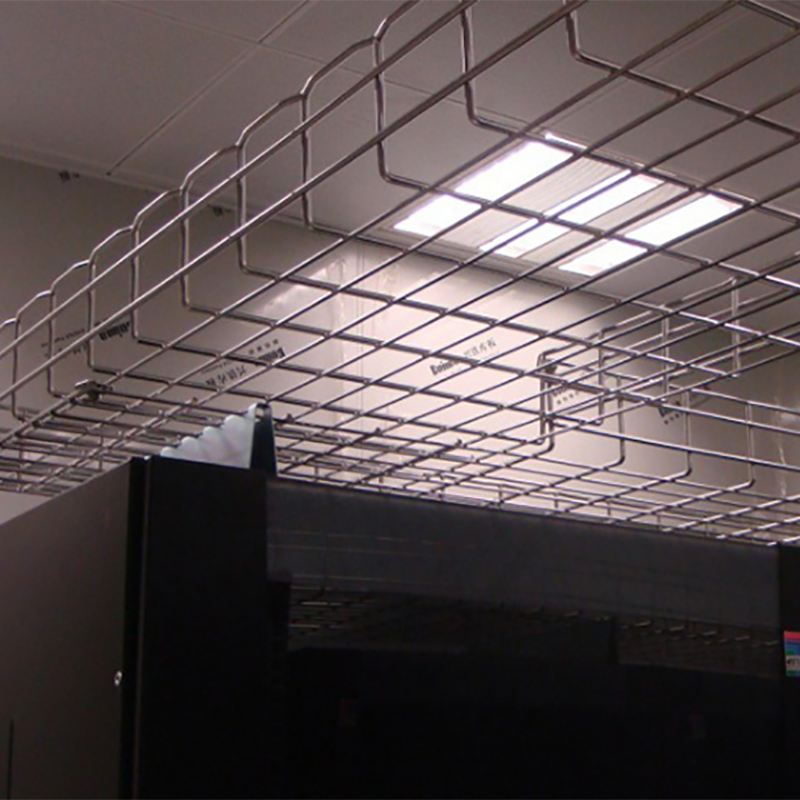
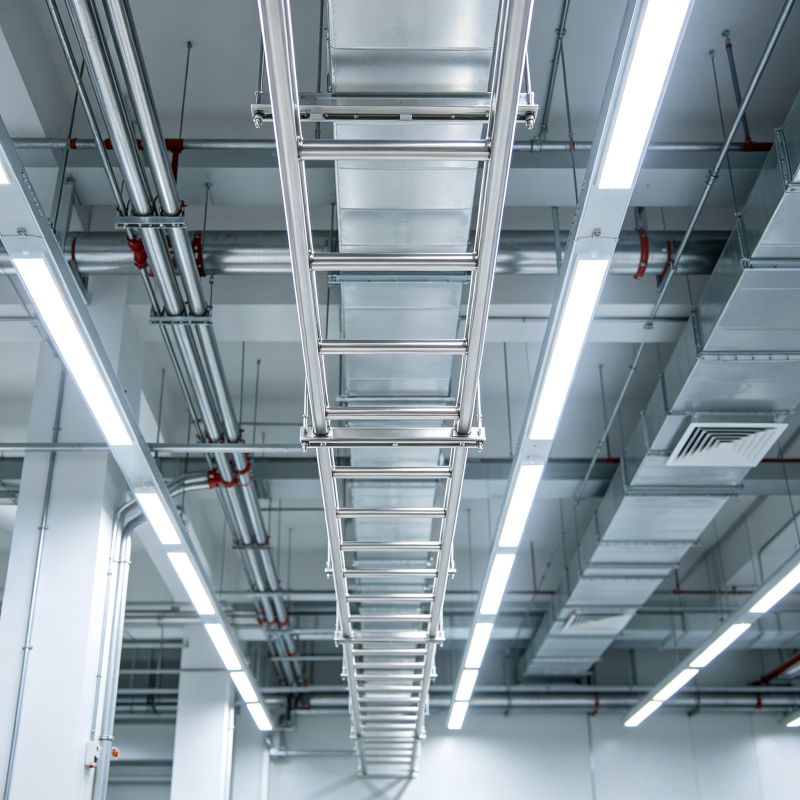
Conduit pipe clamps are essential components in various  industrial applications, providing secure  support for  pipes  and conduits  in electrical, plumbing, and  HVAC systems. B2B buyers  often seek high-quality clamps  that  meet their specific project requirements, ensuring durability,  compatibility, and ease  of  installation. This article aims to  guide  purchasing  managers,  engineers,  and  distributors in understanding the  critical aspects of selecting, evaluating,  and using conduit pipe clamps effectively.
Our Products

How to Evaluate the Quality of Conduit Pipe Clamps for Bulk Orders

How to Evaluate the Quality of Conduit Pipe Clamps for Bulk Orders

When purchasing  conduit pipe clamps in bulk, quality assurance is  paramount to ensure consistency  and reliability. Here are some  guidelines to evaluate the quality of clamps:

Material Certification: Verify that the materials  used in  the clamps are certified and meet industry standards. Certifications may include ISO standards or specific material compliance documentation, which should be available from the supplier.

Manufacturing Process: Understanding the manufacturing process can give  insights into the quality. Look for suppliers that employ stringent  quality control measures during production,  such as automated assembly and regular inspections.

Testing and Inspection: Request information on the testing protocols for the clamps. Effective suppliers  will conduct tests for load capacity,  corrosion  resistance, and dimensional accuracy. Additionally, samples  from the production batch should be available  for inspection before finalizing your bulk  order.

Customer Reviews and References:  Research customer feedback and references for the supplier. Testimonials can provide valuable insights into the long-term performance  of the clamps in real-world  applications.
Installation Guidelines for Efficient Use of Conduit Pipe Clamps

Installation Guidelines for Efficient Use of Conduit Pipe Clamps

Proper installation of conduit pipe clamps is crucial for ensuring  their  effectiveness and  longevity. Follow these guidelines to achieve optimal results:

Surface Preparation: Ensure the  surfaces where the  clamps will be installed are clean and free of debris. This promotes better adhesion and prevents corrosion at contact points.

Correct  Torque  Settings:  Use a torque  wrench to tighten  clamps  to the manufacturer's specifications. Over-tightening can  lead to deformation  of the clamp or damage to the conduit, while under-tightening may  result in slippage.

Spacing and  Layout: Maintain appropriate spacing between clamps to distribute the load evenly  and allow for thermal expansion. The exact spacing can  depend on the application and the type of conduit being supported.

Inspection Post-Installation:  After installation, conduct a thorough inspection to ensure all clamps are securely fastened and positioned correctly. Regular inspections should  also be scheduled to monitor performance over time.

Common Problems with Conduit Pipe Clamps and Their Solutions

Common Problems with Conduit Pipe Clamps and Their Solutions

Despite their  importance, conduit pipe clamps can present several  issues if  not  properly selected or installed. Here are common problems and  their solutions:

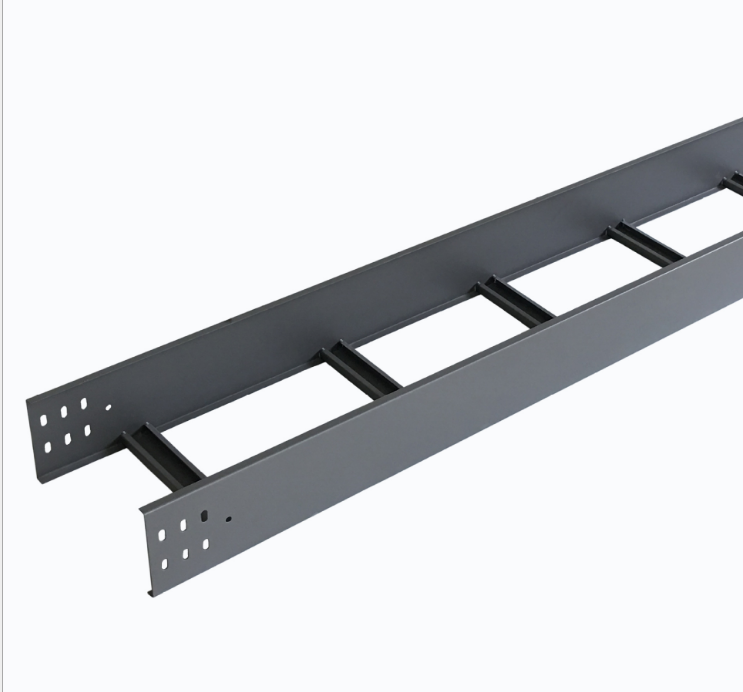
Corrosion: If clamps are made from  inferior materials or not suited for  the environment,  they may corrode over time.  To mitigate this, choose clamps made from  corrosion-resistant materials and apply protective coatings when  necessary. Exploring options like our Marine-Grade FRP Cable Tray may be beneficial for corrosive environments.

Misalignment: Misaligned clamps can lead to stress on  the conduit, potentially causing it to  fail. Ensure accurate  alignment during installation and  regularly  check for any shifts in position.

Overloading: Using clamps that do not meet load specifications can lead to failure. Always  confirm load ratings and opt for clamps with a higher capacity than required.

Wear and Tear: Regular wear can compromise the integrity of  clamps. Schedule maintenance  checks, especially in high-stress applications, to identify signs of fatigue or damage early.

Applications of Conduit Pipe Clamps in Various Industries

Conduit pipe clamps are  versatile components used across numerous industries.  Key applications include:

Electrical: In electrical installations, conduit pipe clamps secure electrical conduits, ensuring that wiring remains protected and organized.

HVAC: In HVAC systems,  clamps are used  to support ductwork  and  piping, helping maintain airflow efficiency and structural integrity.

Plumbing: In plumbing, clamps provide support for  pipes carrying water,  gas,  or  waste, ensuring that systems function effectively under varying pressures.

Telecommunications:  Conduit clamps are also utilized in telecommunications  to secure cables and conduits that  carry data, ensuring  safe and reliable communication networks.

Industrial and Manufacturing: In manufacturing settings, clamps support various piping systems, contributing to operational efficiency and safety in production processes.

By understanding  the specifications, quality evaluations, installation guidelines,  common  problems, and applications of conduit pipe clamps,  B2B buyers can make informed decisions that enhance project success  and operational reliability.

Choosing the Right Conduit Pipe Clamp for Your Project Needs

Selecting the appropriate conduit  pipe clamp involves understanding the specific requirements of your  project.  Key considerations include the type of  materials the clamps will support, the environmental conditions they will be exposed  to, and the load-bearing capacities required. For projects needing corrosion-resistant solutions, consider our SS316 Cable Tray Bracket — Corrosion-Proof Support Arms for Power Plant Cable Systems.

Material Selection: Common materials for conduit pipe clamps include galvanized steel, stainless steel, and plastic. Galvanized steel  offers excellent corrosion resistance, making it ideal for outdoor  or humid environments. Stainless steel provides superior strength and  durability, suitable for heavy-duty applications. Plastic clamps may be used in light-duty applications where corrosion  is not a significant concern.

Size and Specifications: Ensure that the clamp  size matches  the diameter of the conduit or pipe. Clamps are  available in various sizes and configurations, including adjustable options that  cater to  different pipe diameters. Always refer to the manufacturer’s specifications to confirm compatibility.

Load Capacity: Assess the load requirements  for your application. Different clamps  have varying load  capacities; choosing one that meets or exceeds the anticipated load will prevent future issues like sagging or failure.

Installation Environment: Consider  the environmental factors such as temperature fluctuations,  exposure to chemicals, and moisture levels. For instance, clamps used in chemical processing plants should be  resistant to specific chemicals to avoid degradation.

Frequently Asked Questions

What is a conduit pipe clamp used for?

A conduit pipe clamp secures electrical conduits, maintaining alignment and preventing movement. It supports cable runs on trays, channels, or structures and protects against vibration and strain.
Our conduit clamps are offered in steel, stainless steel, and galvanized finishes to suit indoor, outdoor, and corrosive environments for long-term durability.
Yes. We manufacture standard and custom clamp sizes and stamped components to match specific conduit diameters and mounting requirements.
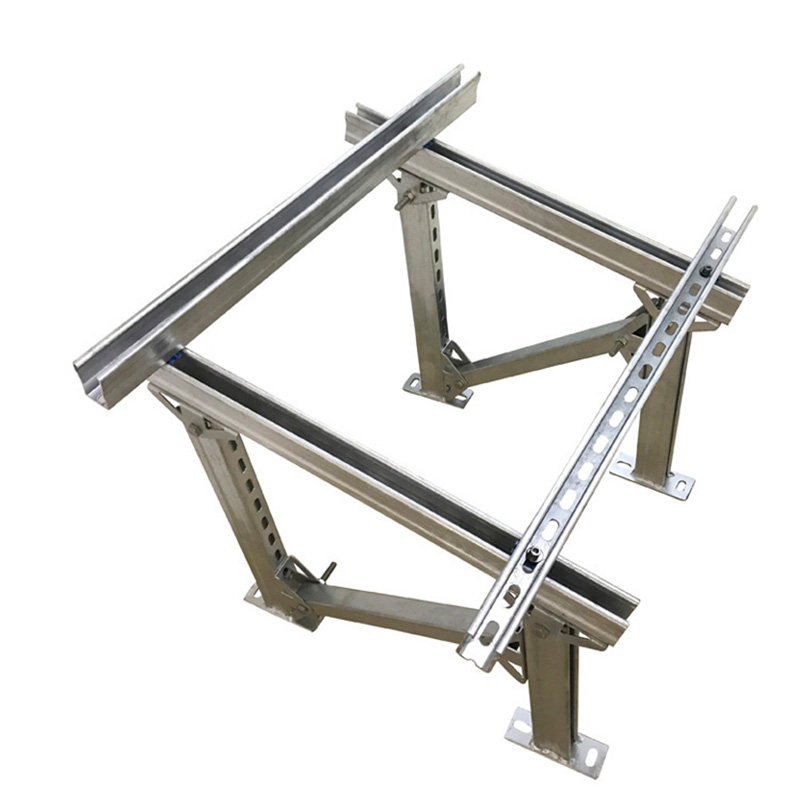
Yes. Clamps are compatible with cable trays, metal wire troughs, C-channels, and finished supports for secure conduit routing.
Provide conduit diameter, quantity, material/finish, mounting type, and any custom drawings. We will respond with lead time and pricing.

Our Blog Posts

Unistrut Channel Modular Design Benefits for Fast-Track Solar Construction

23

Sep

Unistrut Channel Modular Design Benefits for Fast-Track Solar Construction

The Unistrut channel system offers numerous benefits for fast-track solar construction, streamlining the installation process while ensuring durability and flexibility. As B2B buyers, purchasing managers, and project engineers explore options for mou...
View More
Unistrut Channel Buying Checklist for Solar EPC Contractors

23

Sep

Unistrut Channel Buying Checklist for Solar EPC Contractors

When sourcing Unistrut channels for solar projects, EPC contractors must navigate a range of specifications, applications, and potential challenges. This Unistrut Channel Buying Checklist for Solar EPC Contractors aims to equip professionals with pra...
View More
Wire Mesh Cable Tray: Benefits for Commercial Solar Cable Management

24

Sep

Wire Mesh Cable Tray: Benefits for Commercial Solar Cable Management

Wire mesh cable trays have become an essential component in managing solar cable systems for commercial applications. These trays provide a robust,  flexible solution for organizing and protecting electrical cables in solar installations. For pu...
View More
Cable Tray Complete Selection Guide for Large Solar Power Plant Cabling

24

Sep

Cable Tray Complete Selection Guide for Large Solar Power Plant Cabling

When it comes to setting up cabling in large solar power plants, selecting the right cable tray is crucial for ensuring efficiency and safety. The Cable Tray Complete Selection Guide for Large Solar Power Plant Cabling addresses key considerations th...
View More

Get a Free Quote

Our representative will contact you soon.
Email
Mobile/WhatsApp
Name
Company Name
Message
0/1000

Related product categories

Choosing the Right Conduit Pipe Clamp for Your Project

Get a Free Quote

Our representative will contact you soon.
Email
Mobile/WhatsApp
Name
Company Name
Message
0/1000