Choosing the Right Conduit Pipe Hangers

Get a Free Quote

Our representative will contact you soon.
Email
Mobile/WhatsApp
Name
Company Name
Message
0/1000

conduit pipe hangers

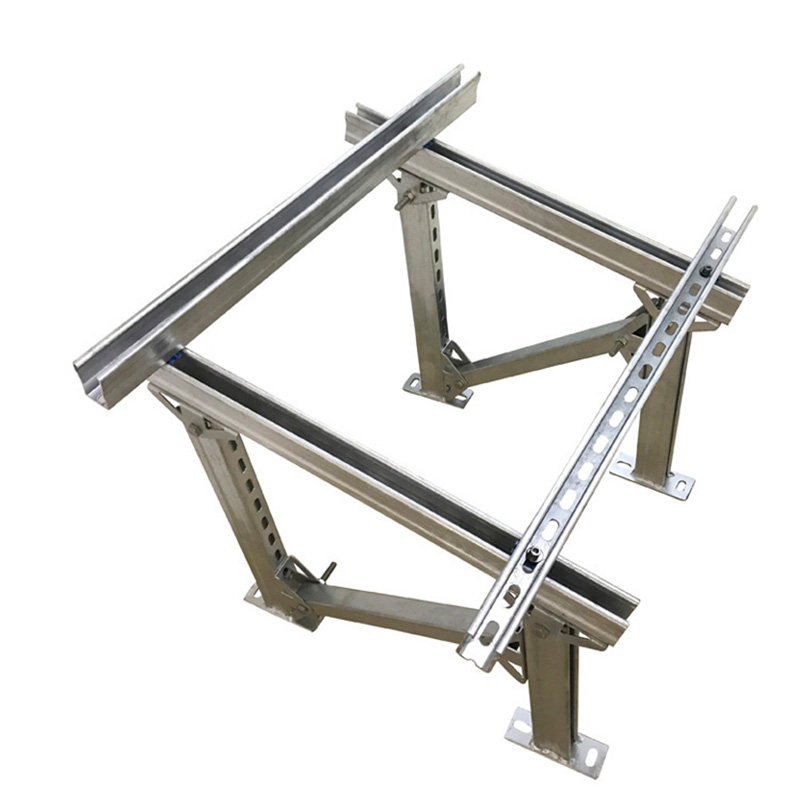
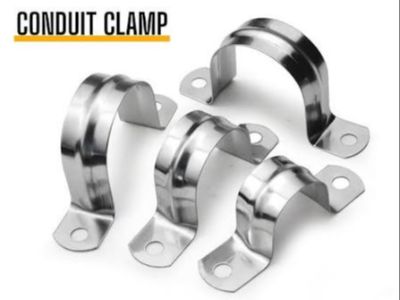
Conduit pipe hangers  are essential components  in various  industrial applications,  designed to secure and  support pipes  in a reliable manner. For  B2B buyers, selecting the right conduit pipe  hangers involves understanding  their specifications,  compatibility  with different materials,  and  how they will  perform under specific  conditions. This article will guide you through the critical elements of conduit pipe hangers, helping you make  informed  purchasing decisions  that align with your  project requirements.
 

Our Products

Key Specifications to Consider for Conduit Pipe Hangers

Key Specifications to Consider for Conduit Pipe Hangers

Understanding the key specifications  of conduit pipe hangers is critical for  ensuring  optimal performance.  Some of the most important specifications to  consider include:

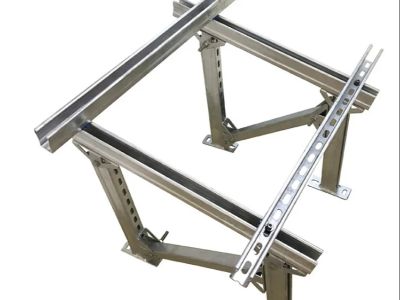
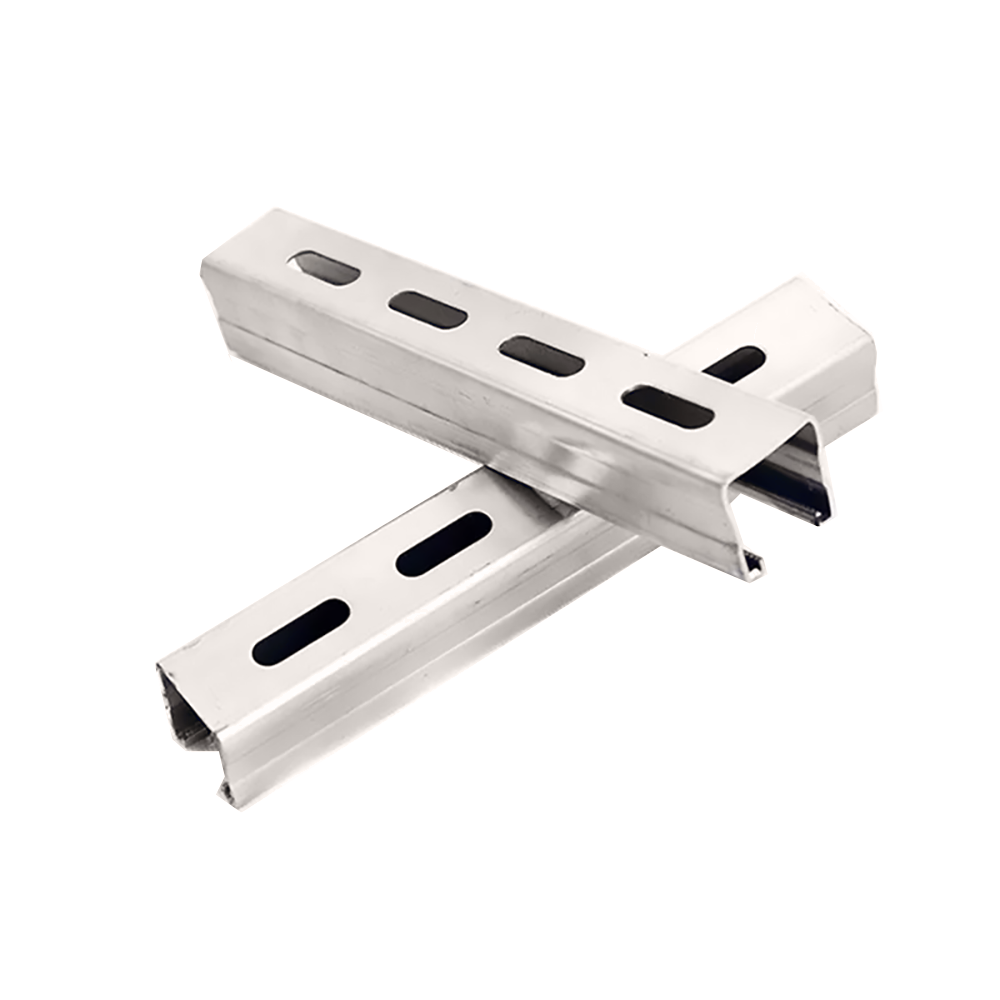
Load Capacity: This indicates the maximum weight the hanger can support. It is  vital to select a  hanger with a load  capacity that exceeds the total weight of the pipes and any additional insulation or  coatings.  Material: The material of the hanger affects  its  strength,  durability, and resistance to environmental factors. Common materials include steel, stainless steel, and plastic. Each material has its  own  benefits and limitations depending  on the application. Dimensions: The size of the hanger must match the  pipe's diameter. Incorrect sizing can  lead to inadequate support and increased wear on the hangers.  Type of Hanger: Different types of hangers—such as clevis hangers, loop hangers, and adjustable hangers—offer varying levels of support and flexibility  for installation. Choose the type that best suits your project’s needs.
A Buyeru2019s Guide

A Buyeru2019s Guide

When preparing to purchase conduit pipe hangers, it is essential to  gather specific  information to  facilitate the quotation process. Here’s a  checklist of what  to consider:

Pipe  Specifications: Provide  the diameter, material, and weight of the pipes you intend to  support. Environmental Conditions: Consider factors such as exposure to moisture, temperature extremes, and chemical exposure. This will help determine  the appropriate  materials and coatings for the hangers. Installation Method: Specify how the hangers  will be installed  (e.g., ceiling-mounted, wall-mounted) as this can affect the  type of hanger required. Quantity and Lead Time: Determine the  quantity needed and any specific lead times, as  this can influence  pricing and availability. Customization Needs: If  you have unique requirements, such as specific sizes or finishes, communicate  these  to  the manufacturer to explore customization options.
Common Problems with Conduit Pipe Hangers and Their Solutions

Common Problems with Conduit Pipe Hangers and Their Solutions

Despite their  importance, conduit pipe hangers  can face  a variety of challenges. Common problems  include:

Corrosion: This is  particularly an  issue  in  environments with  high humidity or exposure to chemicals. To combat corrosion, consider using hangers made from stainless steel or  those with a protective coating. Improper Load Distribution: If hangers are not evenly spaced or if the load is  not properly distributed, it can lead to stress on the pipes and  potential failure. Ensure that hangers are installed according to the manufacturer's guidelines.  Material Degradation: Over time, certain materials may degrade due to environmental factors. Regular inspections can help  identify any  signs of wear  and tear, enabling  timely replacements.

To mitigate these issues, regular  maintenance checks  and adherence to installation guidelines are  recommended. Additionally, working closely with your supplier can provide insights into the best practices for installation and maintenance.

The Advantages of Different Materials in Conduit Pipe Hangers

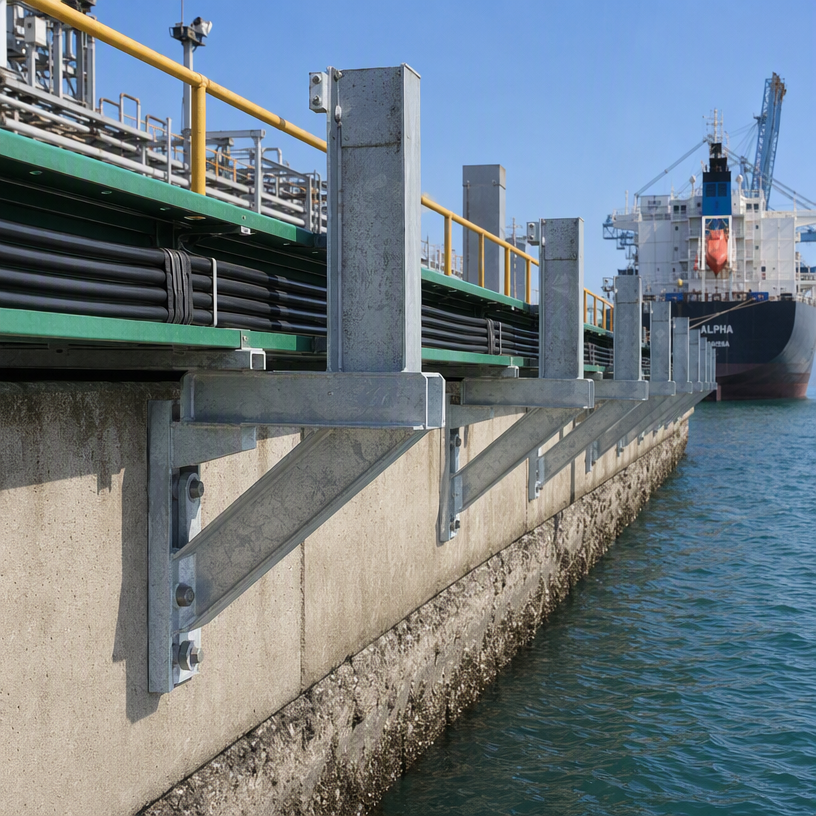
The material of conduit pipe hangers  significantly affects  their performance and suitability  for specific applications. Here are some common materials and their benefits:</p> Steel: Known for  its strength and durability, steel hangers  are ideal for heavy-duty  applications. They can support substantial  loads but may require protective coatings to prevent rusting in  damp environments. Stainless Steel: These hangers offer excellent corrosion  resistance, making them suitable  for applications  exposed to moisture or chemicals. They are also aesthetically pleasing, which can  be a consideration in  visible installations. Plastic: Lightweight and resistant to corrosion, plastic hangers are often used in less demanding applications.  They are easy to install and can  be a cost-effective solution for projects with lighter pipes. Galvanized  Steel: This material is coated with  zinc to enhance corrosion resistance. It is often used in outdoor applications where exposure to the elements is a concern.

In summary, selecting the right material for conduit pipe hangers should be based on the specific needs of  your application, including load requirements, environmental conditions, and budget considerations.  Always consult with your supplier to  ensure you are making the most informed choice possible.

Choosing the Right Conduit Pipe Hangers for Your Project Needs

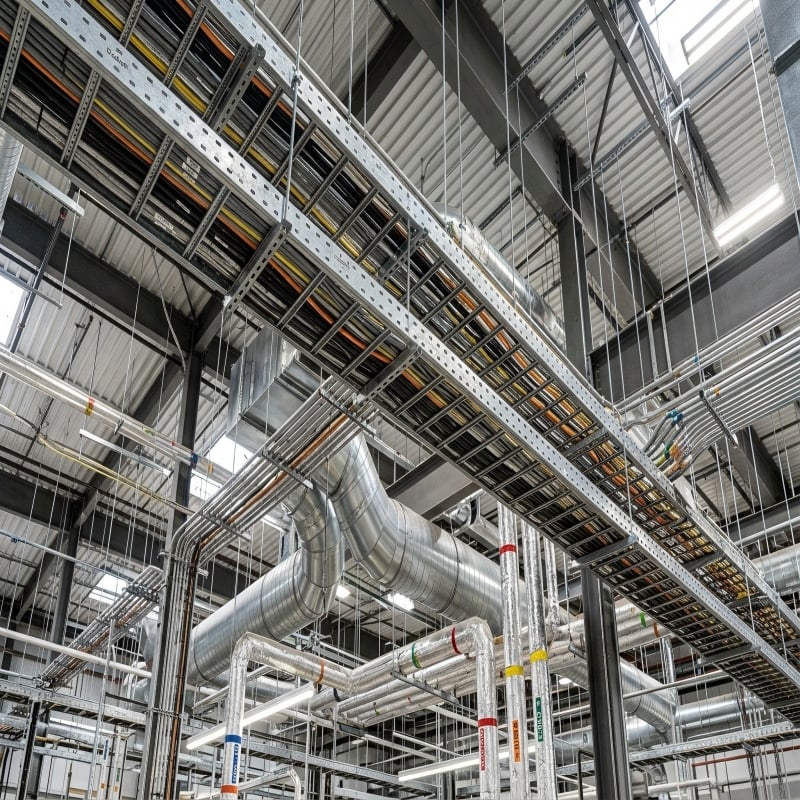
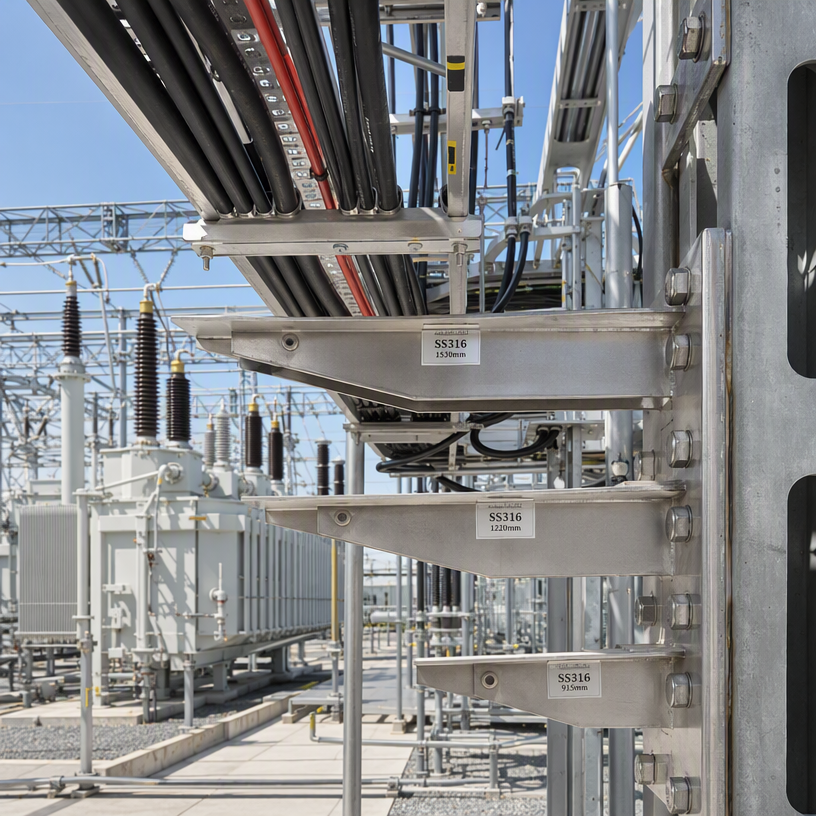
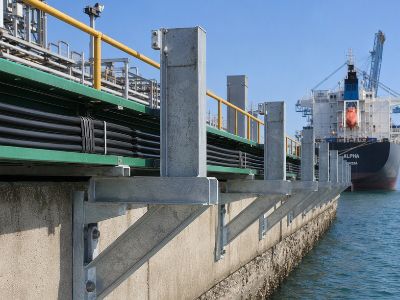
When selecting conduit pipe  hangers,  it is  crucial  to consider the specific requirements of your project. Factors such as pipe size,  weight, and material type will influence your choice. For instance, if  you are working  with  heavy-duty pipes, you will need hangers that can withstand higher loads, such as  those made from robust materials  like steel. Additionally,  the installation environment plays a role; for outdoor applications, corrosion-resistant materials like galvanized steel or stainless  steel may be necessary to ensure durability. In projects involving complex systems, such as those found in Power Plants, the choice of hangers becomes even more critical.

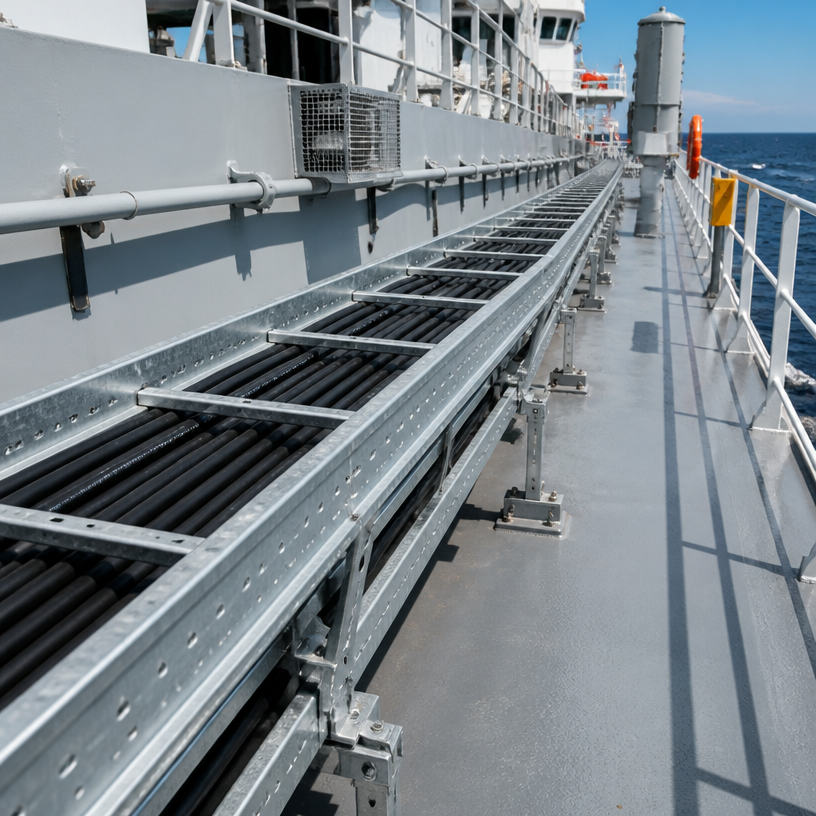
Compatibility is another key factor. Conduit pipe hangers must align with the dimensions and  materials of  the  pipes they support. If the hangers do not fit properly, it can lead to installation challenges and potential failures in the system. Therefore, always  check the manufacturer's specifications and  ensure  that the hangers are suitable for  your specific pipe sizes and  materials. In certain industries, like Marine Engineering, compatibility is essential to ensure safety and functionality.

Frequently Asked Questions

What types of conduit pipe hangers do you offer?

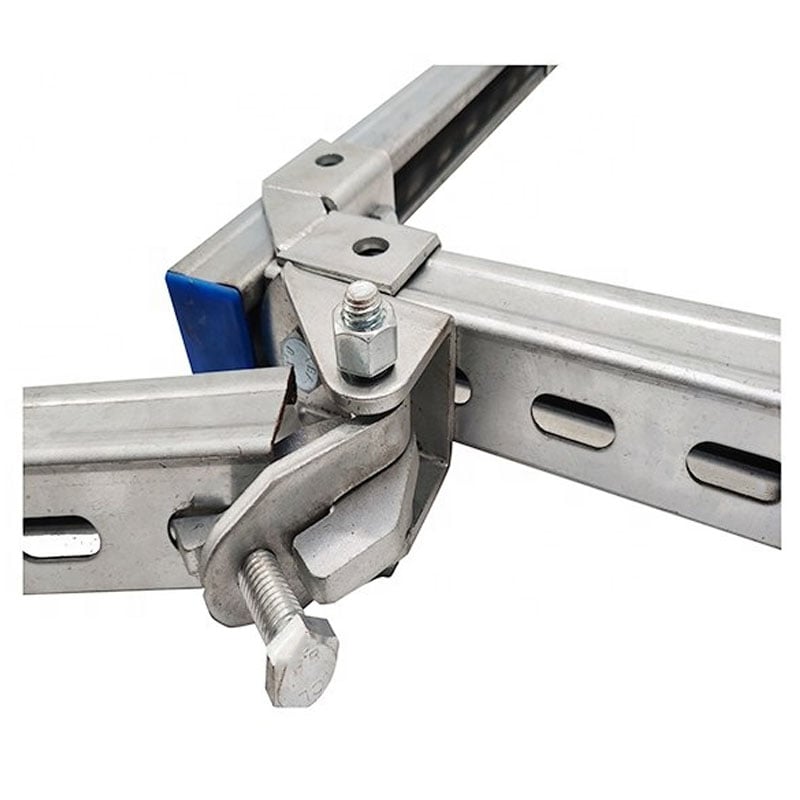
We supply various hangers including U-bolts, beam clamps, C-channel clamps, adjustable straps and insulated hangers compatible with steel, PVC and flexible conduit systems.
Hangers are made from galvanized steel, stainless steel and pre-painted steel to resist corrosion and meet indoor/outdoor installation needs.
Yes. We provide seismic bracing-compatible hangers and heavy-duty supports designed to meet load and vibration requirements for commercial projects.
Yes. We manufacture custom sizes, punched and stamped parts to match conduit diameters, mounting patterns and project specifications.
Products are manufactured under strict quality control with material traceability, dimensional inspection and adherence to industry standards for strength and corrosion resistance.

Our Blog Posts

How Aluminum Track Simplifies Adjustable Solar Panel Support Assembly

25

Sep

How Aluminum Track Simplifies Adjustable Solar Panel Support Assembly

Aluminum tracks have become a pivotal component in the assembly of adjustable solar panel support systems. They simplify the installation process, provide structural integrity, and enhance the overall efficiency of solar mounting solutions. For B2B b...
View More
Conduit Clamp Sizing Tips to Avoid Conduit Damage in Solar Installations

22

Sep

Conduit Clamp Sizing Tips to Avoid Conduit Damage in Solar Installations

When it comes to solar installations, selecting the right conduit clamps is essential for ensuring the integrity and performance of the system. Proper conduit clamp sizing is critical to prevent conduit damage, which can lead to increased maintenance...
View More
Unistrut Channel Accessories: Build Flexible Solar Panel Support Framework

23

Sep

Unistrut Channel Accessories: Build Flexible Solar Panel Support Framework

Unistrut channel accessories are essential components in constructing flexible solar panel support frameworks. These accessories support the mounting structures that secure solar panels, enabling efficient energy generation. As a purchasing manager o...
View More
Solar Panel Bracket Anti-Corrosion Treatment for Coastal and Salt-Spray Areas

24

Sep

Solar Panel Bracket Anti-Corrosion Treatment for Coastal and Salt-Spray Areas

Solar panel brackets are essential components that secure solar panels to mounting structures, especially in coastal and salt-spray areas where environmental conditions can accelerate corrosion. The Solar Panel Bracket Anti-Corrosion Treatment for Co...
View More

Get a Free Quote

Our representative will contact you soon.
Email
Mobile/WhatsApp
Name
Company Name
Message
0/1000

Related product categories

Choosing the Right Conduit Pipe Hangers

Get a Free Quote

Our representative will contact you soon.
Email
Mobile/WhatsApp
Name
Company Name
Message
0/1000