Choosing the Right Electrical Trunking for Your Project

Get a Free Quote

Our representative will contact you soon.
Email
Mobile/WhatsApp
Name
Company Name
Message
0/1000

electrical trunking

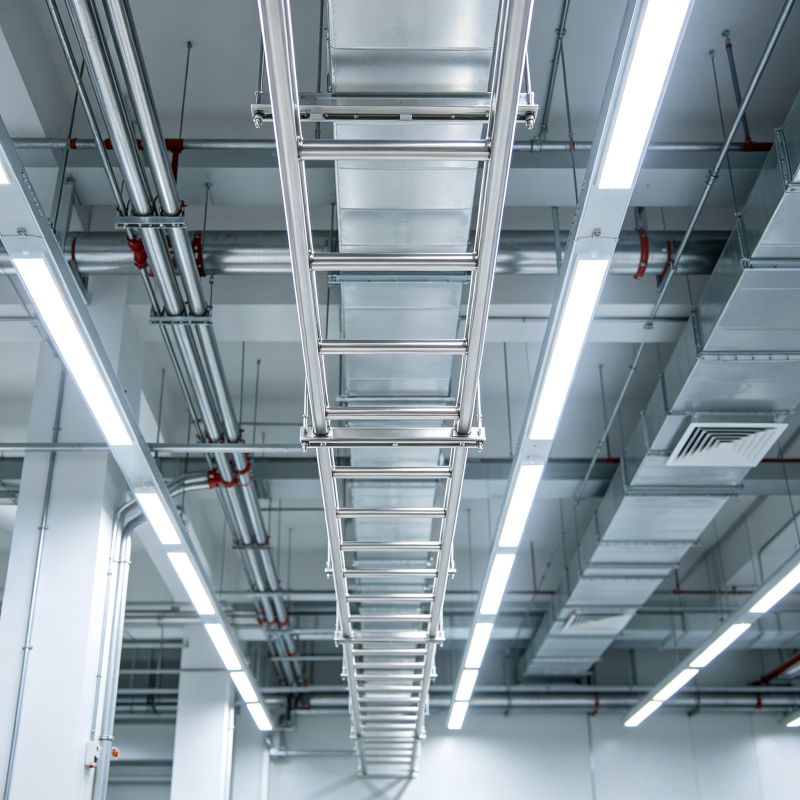
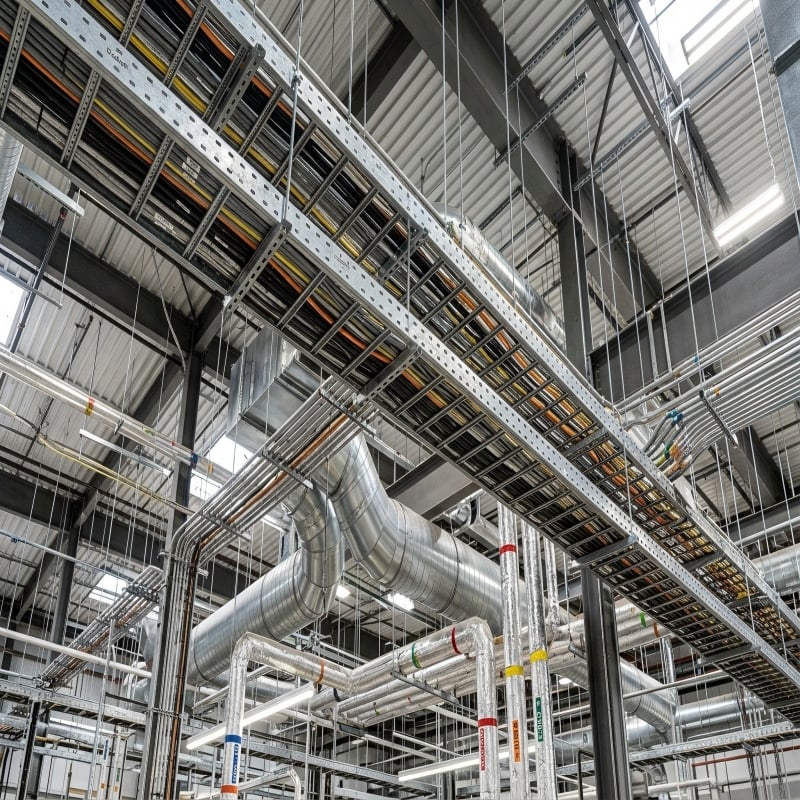
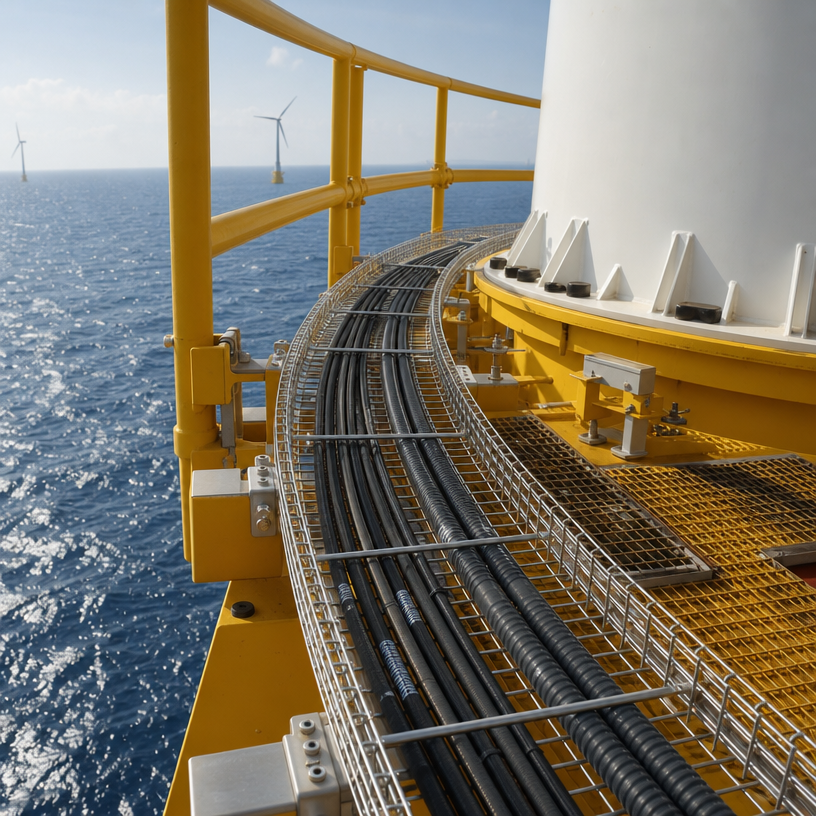
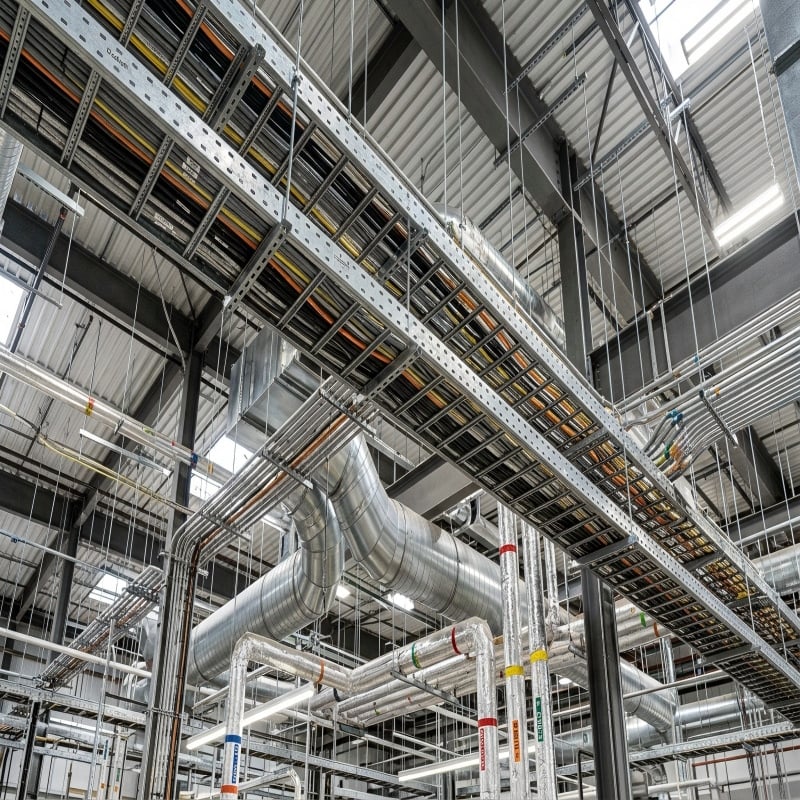
Electrical  trunking is a vital component in electrical installations,  designed to safely house and  manage electrical  cables in both commercial and  industrial  settings. Selecting the right  electrical  trunking  can significantly impact the efficiency, safety, and aesthetics of a project. As a  B2B  buyer,  you may have  concerns regarding compatibility, material specifications, installation  processes,  and overall costs. This article aims to  provide you  with a  comprehensive  understanding of electrical trunking, helping you make informed purchasing decisions tailored to  your project needs.
Our Products

Key Specifications to Consider

Understanding the specifications of electrical trunking is crucial for ensuring that it fulfills its intended function. Key specifications include:

Material: The  choice  between PVC, metal (such as aluminum or steel), and other  materials affects  durability, thermal performance, and resistance  to environmental factors. Dimensions: Trunking size must accommodate the cable volume, allowing for easy installation  and maintenance. The internal height,  width, and  depth  are critical measurements. Load Capacity: This  specification refers  to the maximum weight the trunking can  support without compromising structural integrity.  It’s essential for ensuring the safety of the installed cables. Sealing and Protection: Look for trunking with appropriate sealing features to protect cables  from dust  and moisture,  especially in industrial settings.

By carefully  evaluating these specifications, you  can select trunking that meets  project requirements  and operational safety standards.
Understanding the Cost Factors of Bulk Electrical Trunking Orders

When purchasing electrical  trunking in bulk, several cost  factors  come into play. First, the type of material significantly affects  pricing. For instance, metal trunking tends to be more  expensive than PVC due to the higher costs associated with materials and manufacturing  processes.

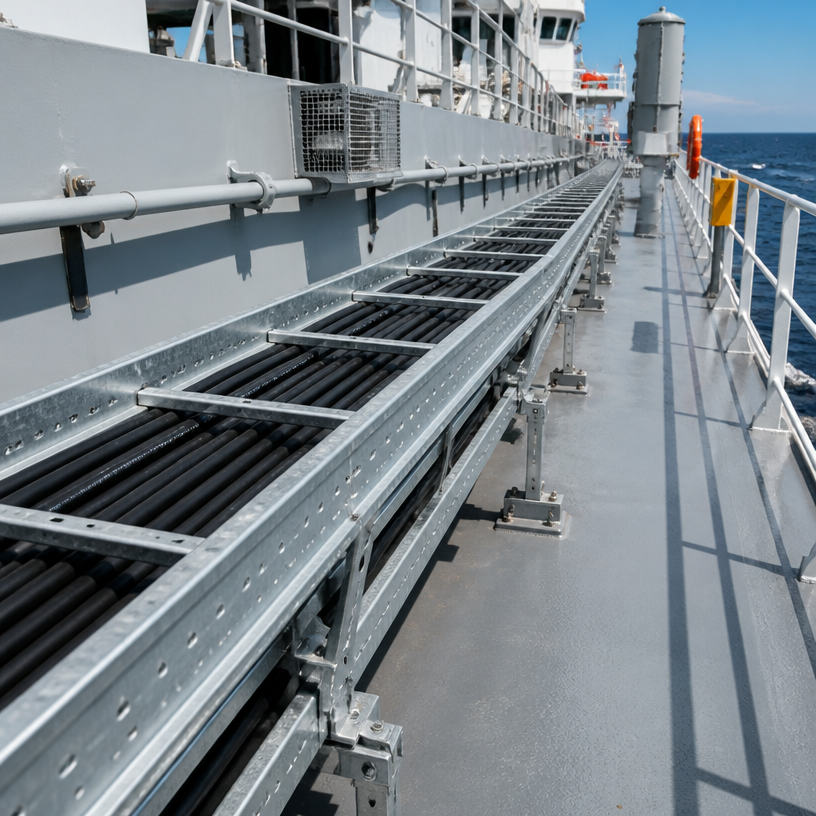
Additionally, manufacturing capabilities can influence lead times and costs. Companies like  Shanghai Qinkai Industry Co., Ltd.  may offer competitive pricing based on their  production efficiency  and economies of scale. Customization options  can also impact cost; bespoke  sizes or features may require additional production time and  resources. You may want to explore options like Marine-Grade FRP Cable Tray | NEMA FG1 Fiberglass Cable Ladder for Offshore & Coastal Projects to see if they fit your budget and project needs.


Lastly, shipping costs should be  considered,  particularly  for  large  orders. Understanding your total cost of ownership, including all associated fees, will help you budget effectively for your project.


Quality Control Standards in Electrical Trunking Manufacturing

Quality control  is  a critical aspect of electrical trunking manufacturing. Implementing robust quality assurance processes  ensures that  each product meets industry standards and customer specifications. Buyers should  inquire about the manufacturer's quality control practices,  such as:

Material Testing: Ensuring that raw materials are  tested for strength,  durability, and compliance with  safety  standards. Production  Inspections: Regular checks  during  the manufacturing  process  can identify  defects  early, minimizing waste and  ensuring consistent quality. Final Testing: Conducting thorough inspections of  finished products confirms that they meet all specifications before shipment.

A manufacturer with rigorous quality control standards can offer greater confidence in the reliability and performance of their  electrical trunking products, reducing the risk of issues during installation or operation.

Step-by-Step Installation Guidance for Electrical Trunking Systems

Installing electrical trunking requires  careful  planning and execution to ensure safety and efficiency. Here is a step-by-step guide to assist you in the installation process:

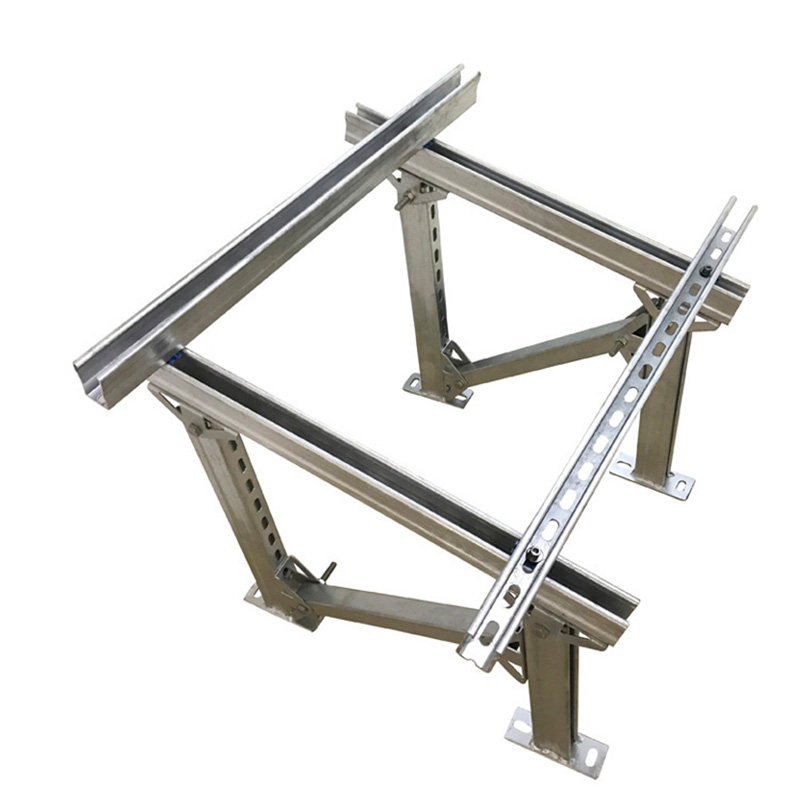
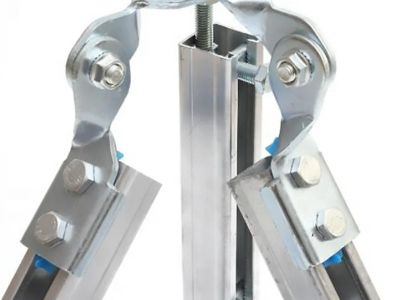
Preparation: Begin by reviewing  the installation  site and  planning the layout. Ensure that all necessary tools and materials are on hand. Cutting the Trunking: Measure  and  cut the trunking to  the required lengths. Use appropriate tools to ensure clean  cuts, which will facilitate better fitting. Mounting Brackets: Securely attach mounting brackets to the walls or ceilings according to the manufacturer's guidelines.  Ensure they are spaced  correctly to support the trunking's  weight. Running Cables: Carefully place the cables inside the trunking. Make sure to follow best practices for cable management, such as avoiding sharp bends and ensuring  adequate spacing. Sealing and Covering: Once the cables are in place,  seal  the trunking with its cover, ensuring it is securely fastened to protect the cables from external elements. Final Inspection: Conduct a thorough inspection of the installation, checking for proper  alignment and secure fittings.

Understanding this installation process can help buyers prepare effectively and ensure a successful project outcome, minimizing potential issues during implementation.


By considering the factors discussed ,  you can confidently  select and install electrical trunking systems that meet  your project requirements, ensuring safety, efficiency, and compliance with industry standards.

Choosing the Right Electrical Trunking for Your Project Needs

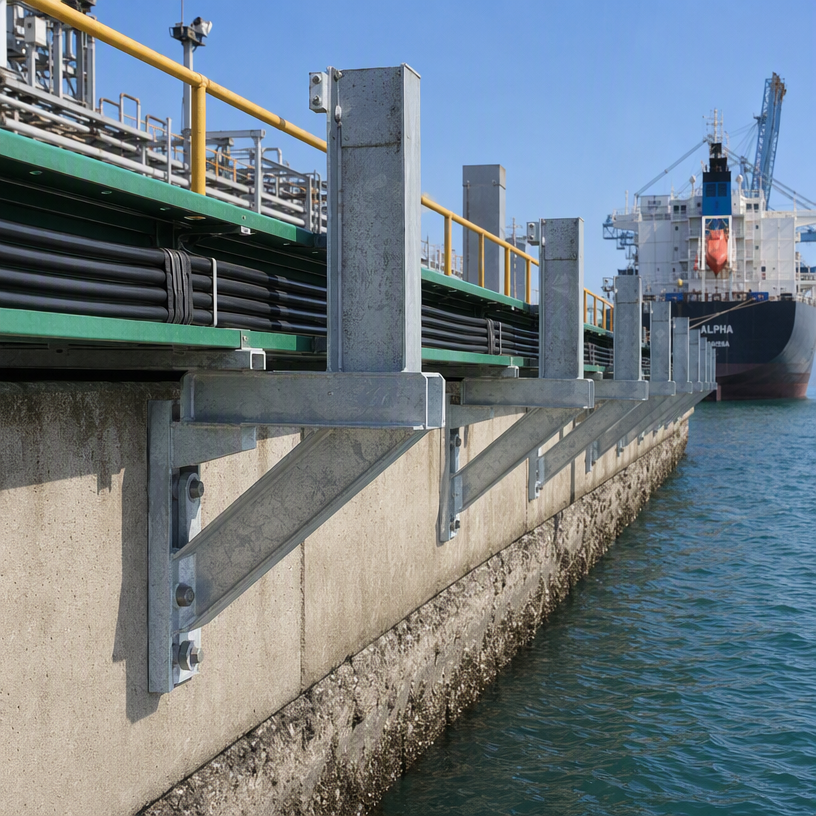
When selecting electrical trunking, it is essential  to consider factors such as the application  environment,  cable types, and installation space.  For instance, trunking made from materials like PVC or  metal can provide different benefits; PVC is lightweight  and resistant to corrosion,  making  it suitable  for indoor applications, while metal trunking offers superior strength  and durability for outdoor or industrial environments. You might also consider products like SS316 Cable Tray Bracket — Corrosion-Proof Support Arms for Power Plant Cable Systems for added support in such applications.

Buyers should also evaluate the trunking size and design. The dimensions should accommodate  the maximum number of cables planned while allowing room for heat dissipation.  Customization  options, such as different lengths  and color finishes, can also be  advantageous for specific installation  requirements or aesthetic considerations. Furthermore, reviewing  local regulations for  electrical  installations can help ensure compliance during your selection process.


Frequently Asked Questions

What types of electrical trunking do you offer?

We supply metal cable trays and wire trough-style electrical trunking in various profiles and sizes to suit C-channel systems, finished supports, and accessory integration.
Our trunking is made from steel and galvanized steel options, selected for strength, corrosion resistance, and compatibility with our support and bracing systems.
Yes. We provide custom lengths, perforation patterns, cutouts, and mounting configurations to match project drawings and integrate with our solar or seismic support components.
We engineer trunking to meet specified load ratings and industry safety standards, and we recommend using our compatible supports, C-channels, and seismic bracing for secure installation.
We offer production to order, packing for transport, and project technical support including installation guidance, drawing review, and accessories coordination.

Our Blog Posts

Complete Hardware Glossary: Solar Mounting, Pipe Supports and Cable Management Parts

21

Sep

Complete Hardware Glossary: Solar Mounting, Pipe Supports and Cable Management Parts

Understanding the components of solar mounting structures, pipe supports, and cable management parts is crucial for professionals in the manufacturing and construction industries. This complete hardware glossary will provide insights into evaluating ...
View More

Get a Free Quote

Our representative will contact you soon.
Email
Mobile/WhatsApp
Name
Company Name
Message
0/1000

Related product categories

Choosing the Right Electrical Trunking for Your Project

Get a Free Quote

Our representative will contact you soon.
Email
Mobile/WhatsApp
Name
Company Name
Message
0/1000