EN
EN

Electrical trunking is a vital component in electrical installations, designed to safely house and manage electrical cables in both commercial and industrial settings. Selecting the right electrical trunking can significantly impact the efficiency, safety, and aesthetics of a project. As a B2B buyer, you may have concerns regarding compatibility, material specifications, installation processes, and overall costs. This article aims to provide you with a comprehensive understanding of electrical trunking, helping you make informed purchasing decisions tailored to your project needs.
Key Specifications to Consider
Understanding the specifications of electrical trunking is crucial for ensuring that it fulfills its intended function. Key specifications include:
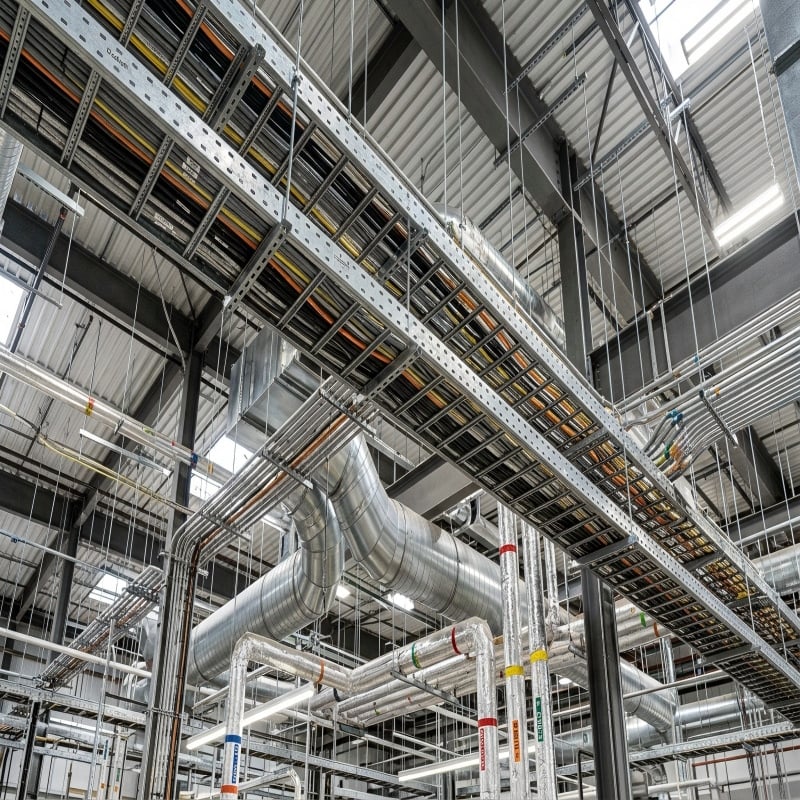
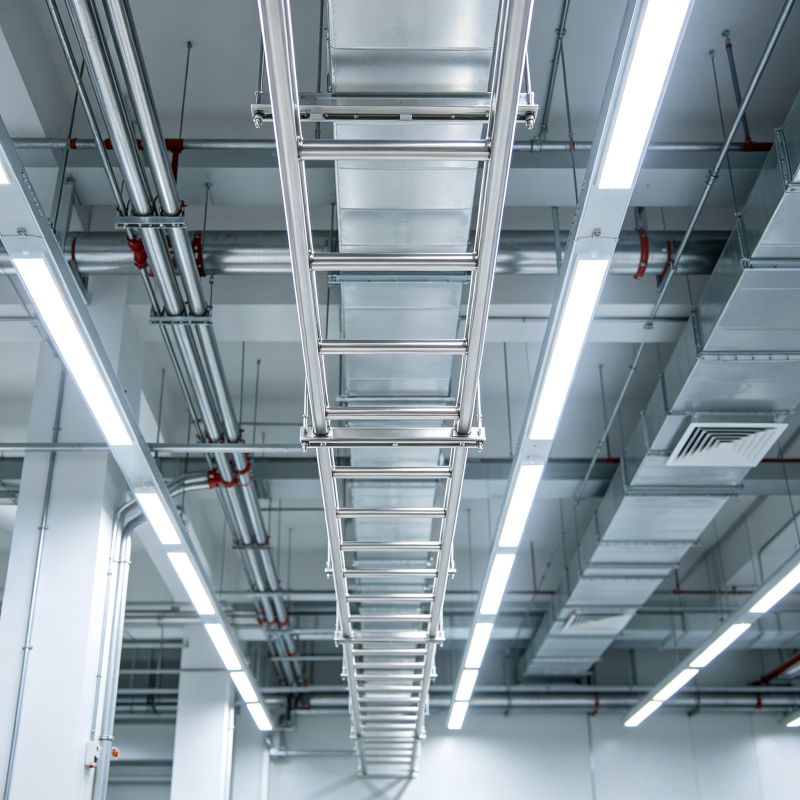
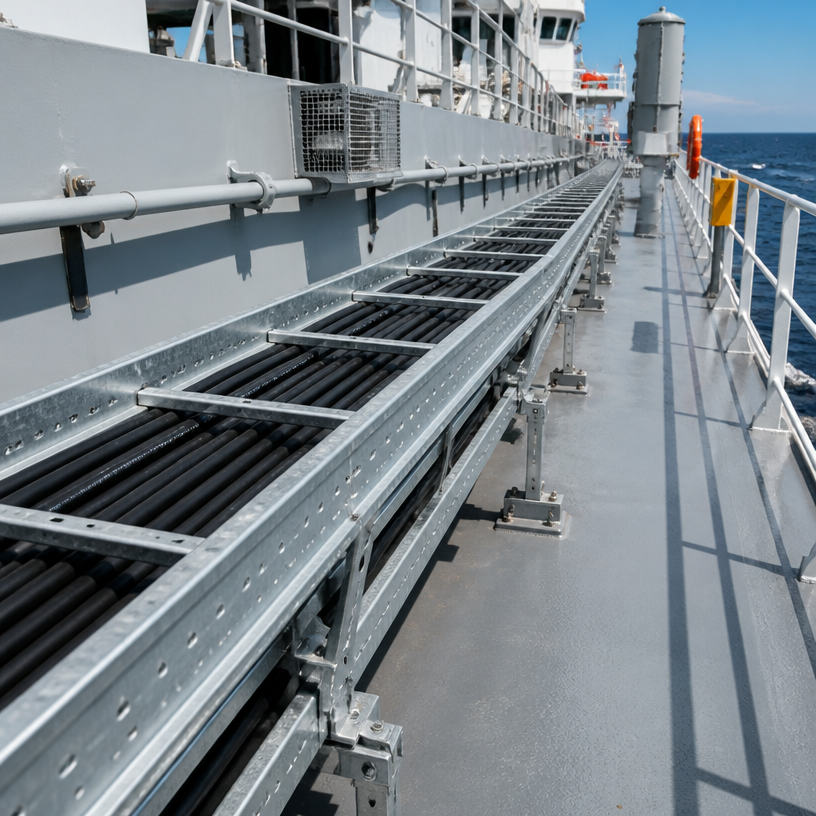
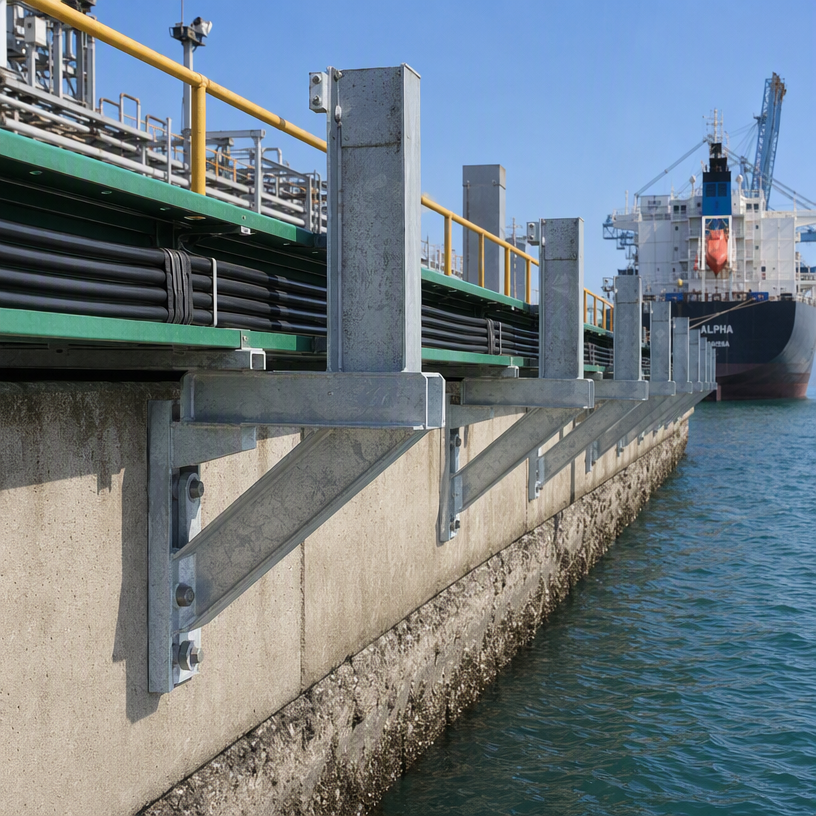
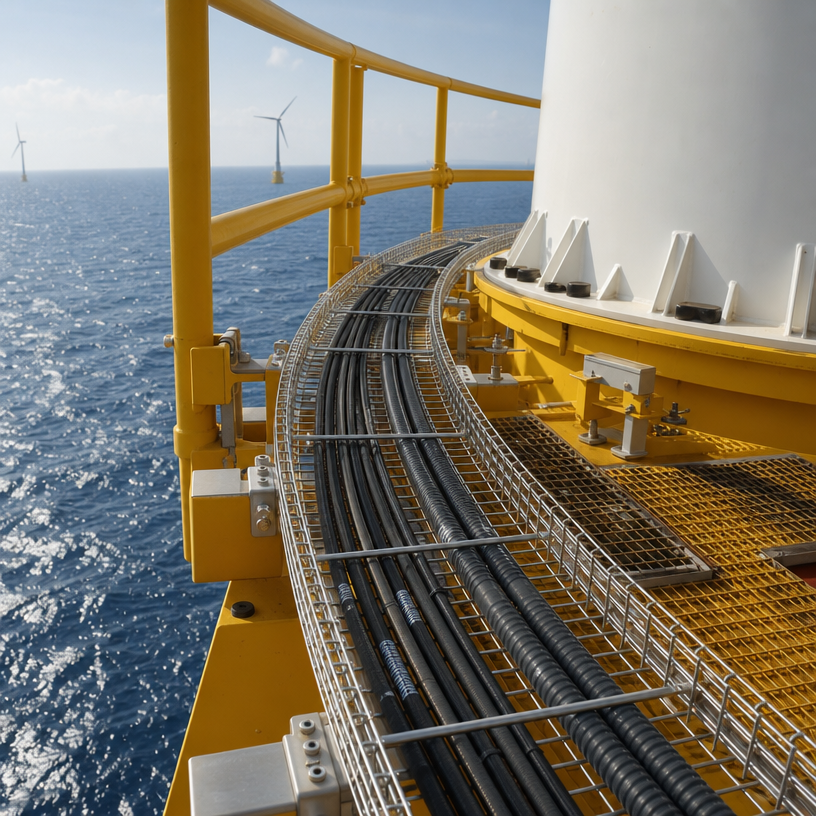
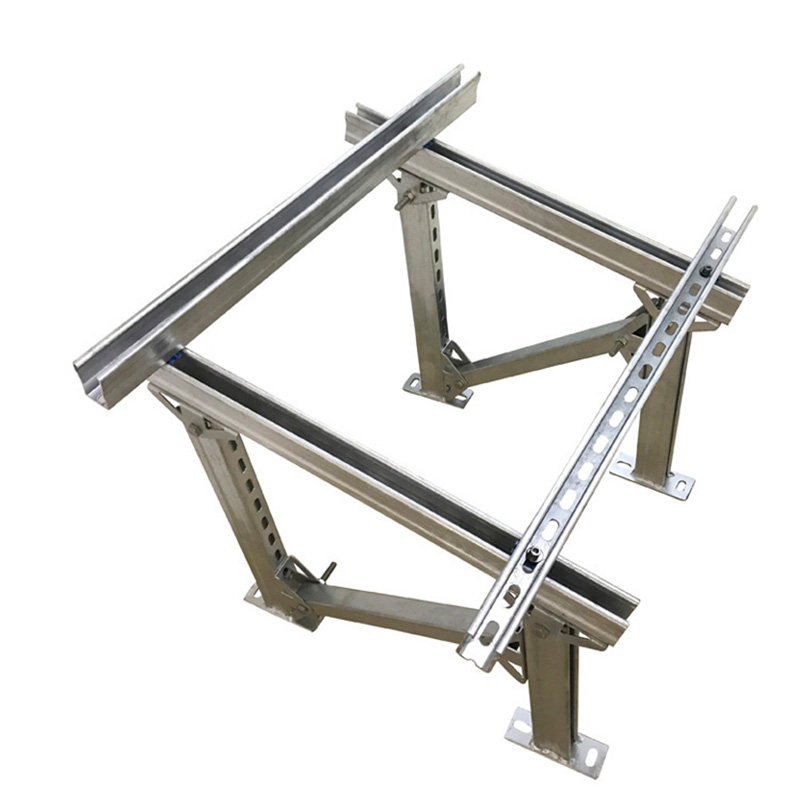
Material: The choice between PVC, metal (such as aluminum or steel), and other materials affects durability, thermal performance, and resistance to environmental factors. Dimensions: Trunking size must accommodate the cable volume, allowing for easy installation and maintenance. The internal height, width, and depth are critical measurements. Load Capacity: This specification refers to the maximum weight the trunking can support without compromising structural integrity. It’s essential for ensuring the safety of the installed cables. Sealing and Protection: Look for trunking with appropriate sealing features to protect cables from dust and moisture, especially in industrial settings.By carefully evaluating these specifications, you can select trunking that meets project requirements and operational safety standards.