EN
EN

Cable flex conduit is an essential component in various industries, designed to protect and manage electrical cables. These flexible conduits provide critical advantages such as resistance to environmental hazards, ease of installation, and versatility in application. B2B buyers, including purchasing managers, engineers, and project managers, often seek to understand the specifications, installation methods, and potential issues related to cable flex conduit. This article aims to provide detailed insights into these aspects, helping buyers make informed purchasing decisions.
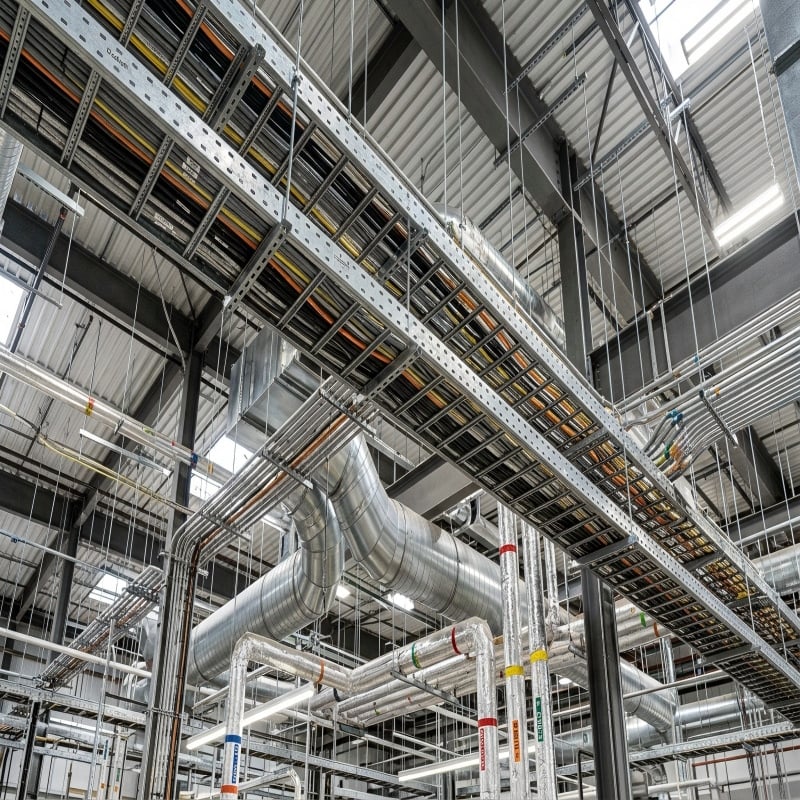


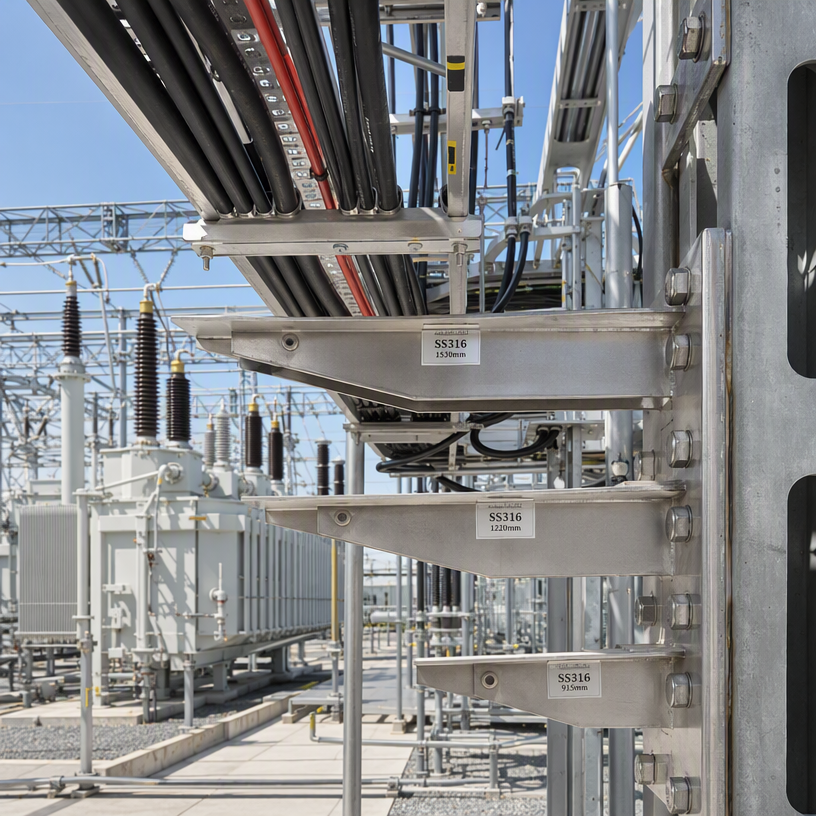

Installation Guidance for Cable Flex Conduit in Industrial Settings
Proper installation of cable flex conduit is vital for ensuring the longevity and effectiveness of cable protection. Here are some best practices for installing cable flex conduit in industrial settings:
Plan the Layout: Before installation, plan the conduit layout considering bends, junctions, and access points for future maintenance. This planning can help minimize unnecessary bends, which can lead to increased stress on cables.
Use Appropriate Fittings: Utilize the correct connectors and fittings that match the conduit specifications. Using incompatible fittings may lead to leaks or cable damage over time.
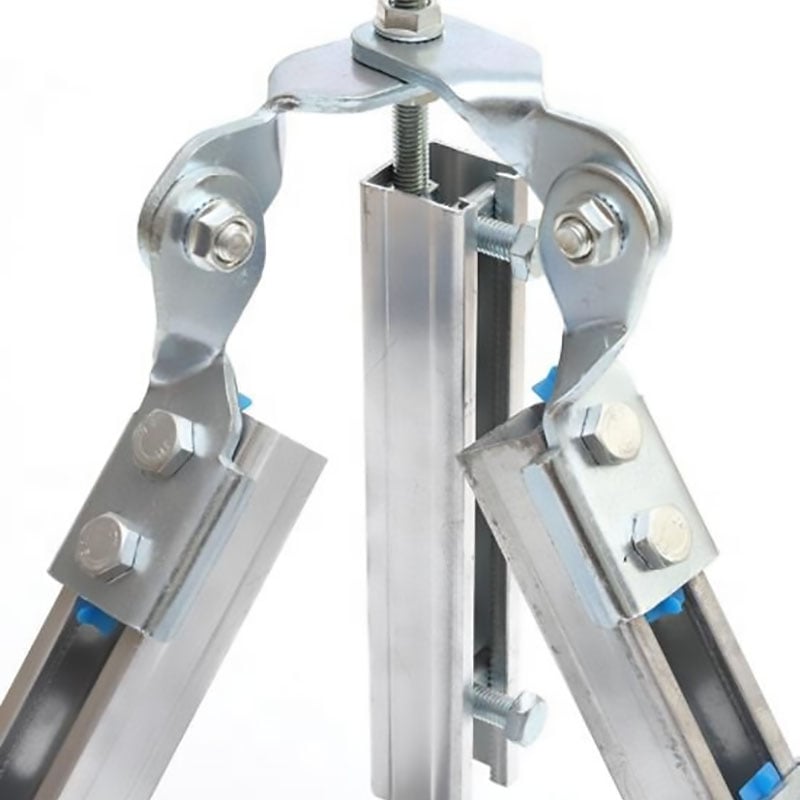
Secure the Conduit: Ensure that the conduit is securely fastened to walls, ceilings, or structures using appropriate mounting hardware. This helps prevent movement that could stress the cables within.
Avoid Overfilling: When routing multiple cables through a single conduit, avoid overfilling, as this can lead to heat buildup and potential cable damage. Follow the manufacturer’s guidelines for maximum fill capacities.
Regular Inspections: After installation, conduct regular inspections to check for any signs of wear, damage, or misalignment. Early detection of issues can prevent more significant problems down the line.
By adhering to these guidelines, buyers can ensure a successful installation that promotes the durability and functionality of their cable systems.