Choosing the Best Cable Flex Conduit for Applications

Get a Free Quote

Our representative will contact you soon.
Email
Mobile/WhatsApp
Name
Company Name
Message
0/1000

cable flex conduit

Cable flex conduit is  an essential component  in various industries, designed to  protect and  manage electrical cables. These  flexible conduits provide critical advantages such as resistance to environmental hazards,  ease of  installation, and versatility  in application. B2B buyers, including purchasing managers,  engineers,  and project managers,  often seek to  understand  the specifications, installation methods,  and  potential issues related to cable flex conduit. This  article aims to  provide detailed insights  into these aspects,  helping buyers  make informed purchasing decisions.
Our Products

Installation Guidance for Cable Flex Conduit in Industrial Settings

Installation Guidance for Cable Flex Conduit in Industrial Settings

Proper installation of cable flex conduit is vital  for ensuring  the  longevity and  effectiveness of cable protection. Here are some best practices for installing cable flex conduit in industrial settings:

Plan  the Layout: Before installation, plan the conduit layout  considering bends, junctions, and access points for  future maintenance. This planning can help minimize unnecessary bends, which can lead to  increased stress on cables.

Use Appropriate Fittings: Utilize the correct connectors and fittings that match the conduit  specifications. Using incompatible fittings may lead to leaks or cable damage over time.

Secure the Conduit: Ensure that the conduit is securely fastened to walls, ceilings,  or  structures using appropriate mounting hardware. This helps prevent movement that could  stress the cables within.

Avoid Overfilling: When routing multiple cables through a single conduit, avoid overfilling, as  this can lead  to heat buildup and potential cable damage. Follow the manufacturer’s guidelines for maximum fill capacities.

Regular Inspections: After installation, conduct regular inspections to check for  any signs  of wear, damage, or  misalignment. Early detection of issues can prevent more significant problems down the line.

By adhering to these guidelines,  buyers can ensure a successful installation that promotes the durability and functionality of their cable  systems.
Common Problems with Cable Flex Conduit and Their Solutions

Common Problems with Cable Flex Conduit and Their Solutions

While cable flex conduits are designed for  durability, they can encounter issues  during their lifecycle. Here are some common  problems and their solutions:

Cracking or Splitting: This can occur due to exposure to extreme temperatures or UV light. To mitigate this,  select conduits made from UV-resistant materials for  outdoor applications or ensure  proper shielding for indoor use.

Water Ingress: If  the conduit is not properly sealed  at fittings or junctions, water can enter  and damage  the cables. Ensuring that  all joints are securely connected and using sealing  compounds or grommets can help prevent water ingress.

Cable Insulation Damage: Over time, cables may become damaged due to friction against the conduit walls. To avoid this, ensure that  the conduit’s interior  is smooth, and consider using additional protective sleeves around  cables.

Bending Radius Issues: If a conduit  is bent beyond its specified radius, it can cause stress on the  cables inside. Always  adhere to the manufacturer’s specified bending radius to  prevent this issue.

By proactively addressing these common issues, buyers can  enhance the performance and longevity of their cable flex conduits.

Applications of Cable Flex Conduit in Various Industries

Applications of Cable Flex Conduit in Various Industries

Cable flex conduits find applications across numerous industries due to their protective qualities and versatility. Here are some key sectors utilizing cable flex conduit:

Manufacturing: In factories,  cable flex conduits protect  electrical wiring from machine  vibrations, chemical spills, and other environmental hazards. They are often used in robotic systems and assembly lines.

Construction: In construction  sites, these conduits are  essential for routing electrical cables in temporary setups, providing flexibility and protection as building structures evolve.

Automotive: Cable flex conduits are widely used in automotive manufacturing to safeguard wiring harnesses from heat,  moisture, and  mechanical wear.

Telecommunications: In telecommunications, these  conduits  protect sensitive communication cables from physical damage and  environmental factors, ensuring reliable connectivity.

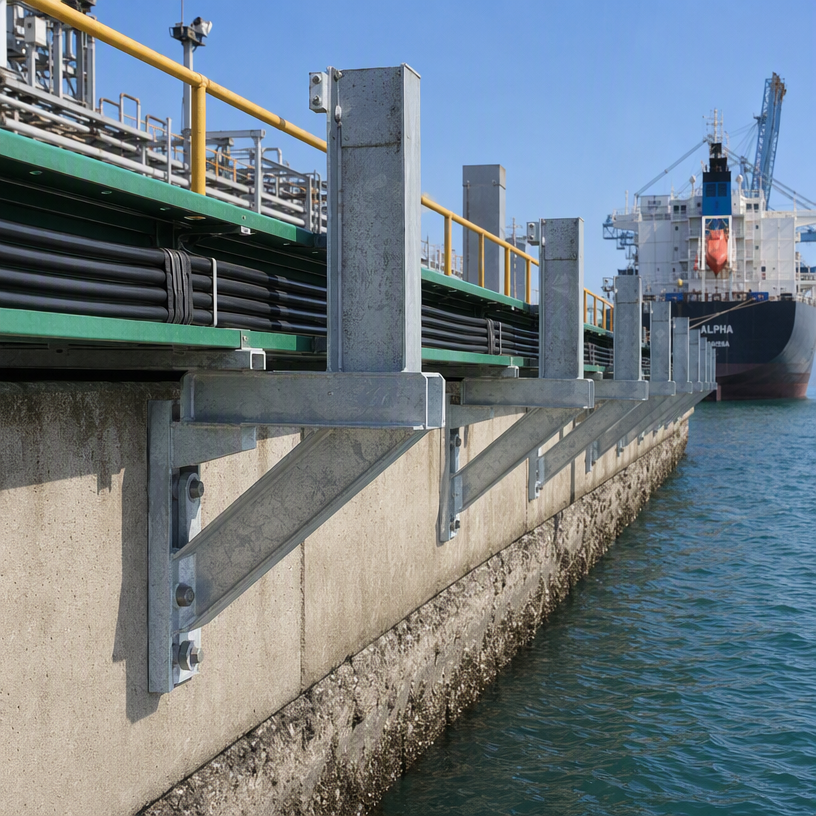
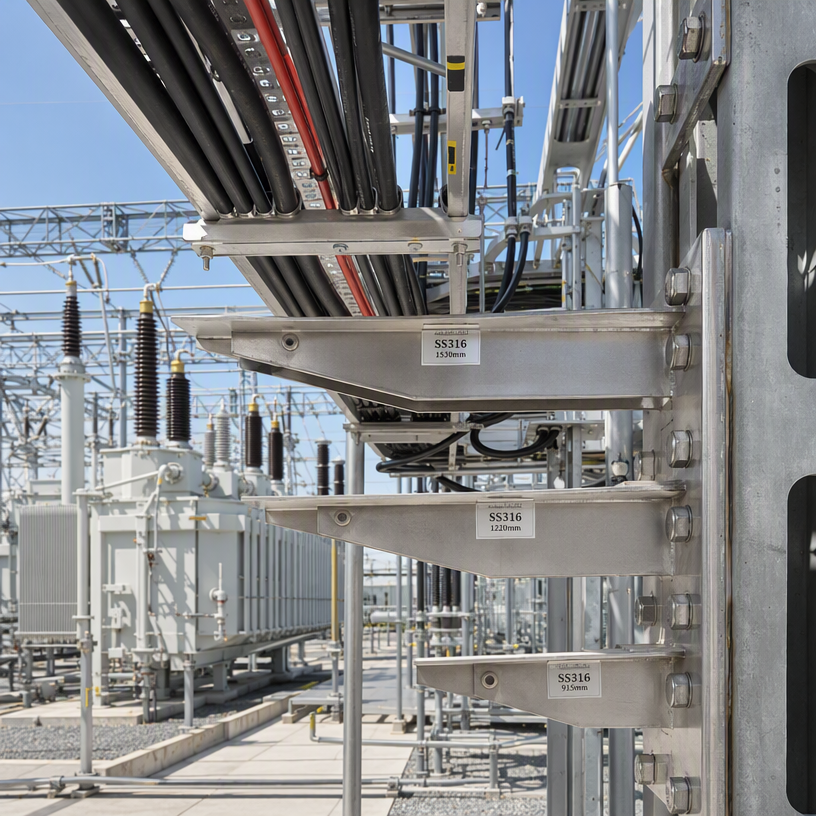
Renewable Energy:  With the  growth of solar and  wind energy, cable flex conduits are vital for  protecting  wiring in outdoor  installations, ensuring  durability against weather conditions. Furthermore, in settings like Power Plants, where wiring is exposed to harsh environments, the use of robust cable flex conduits is critical.

Understanding  the specific applications  and industry requirements can help  buyers select the most suitable conduit for their needs.

How to Choose the Best Cable Flex Conduit for Your Applications

Selecting the right cable flex conduit involves evaluating several  factors tailored  to your specific application requirements. Here are essential considerations for making an  informed choice:

Assess the Environment: Consider the environmental conditions where the conduit will be installed. For outdoor applications, choose materials resistant to UV light, moisture, and extreme  temperatures. For indoor settings, PVC conduits may be sufficient.

Determine Cable Size and Type: Measure the diameter and type of  cables  to be run through the conduit. Ensure that the selected conduit diameter accommodates the  cables without excessive tightness, which can lead to wear and tear.

Flexibility vs. Protection: Balance  the need for flexibility with the level of protection offered by the  conduit. In environments  with  high mechanical stress, a more rigid conduit may be  necessary, whereas areas with less physical interference can  accommodate more flexible options.

Compliance with Standards: Ensure that the  selected conduit complies with relevant industry standards and regulations. This is especially  important in sectors like telecommunications and  manufacturing, where safety and performance standards are stringent.

Customization Options: Consider whether you need custom lengths or configurations for your installation. Many manufacturers offer customization capabilities to  meet unique project specifications.

By taking these factors into account, buyers can select the  most appropriate cable flex conduit for their applications, enhancing  both performance and  longevity.

Comparing Cable Flex Conduit Specifications for Optimal Performance

When evaluating cable flex conduit,  several key specifications should  be considered to ensure optimal performance in your application.  These include material type, diameter, wall thickness, and flexibility.

Material Type: Common materials for cable flex conduits include PVC,  nylon, and metal.  PVC conduits are lightweight and resistant to chemicals, making them ideal for indoor applications. In contrast, metal conduits, such as  steel or aluminum, offer superior protection against physical impacts and environmental conditions, making them suitable for outdoor and industrial settings. For instance, in Industrial Workshops, where the demands for durability and protection are high, metal conduits may be particularly beneficial.

Diameter and Wall Thickness: The diameter of  the conduit should match the cable size and allow for any necessary bends without stressing the cables. A thicker wall can provide better protection but  may reduce flexibility. It’s essential to balance these aspects based on  the installation  environment and application requirements.

Flexibility: Flexibility is crucial for installations requiring tight bends or complex routing. A conduit with higher  flexibility will be easier to install in confined spaces.  However, ensure that this  flexibility does  not compromise the  conduit’s ability to protect the  cables within.

Understanding these  specifications helps  buyers assess whether the selected cable  flex conduit meets their performance needs and environmental challenges.

Frequently Asked Questions

What is cable flex conduit used for?

Cable flex conduit protects and routes electrical cables, offering mechanical protection, insulation, and flexibility for installations in industrial, commercial, and solar mounting systems.
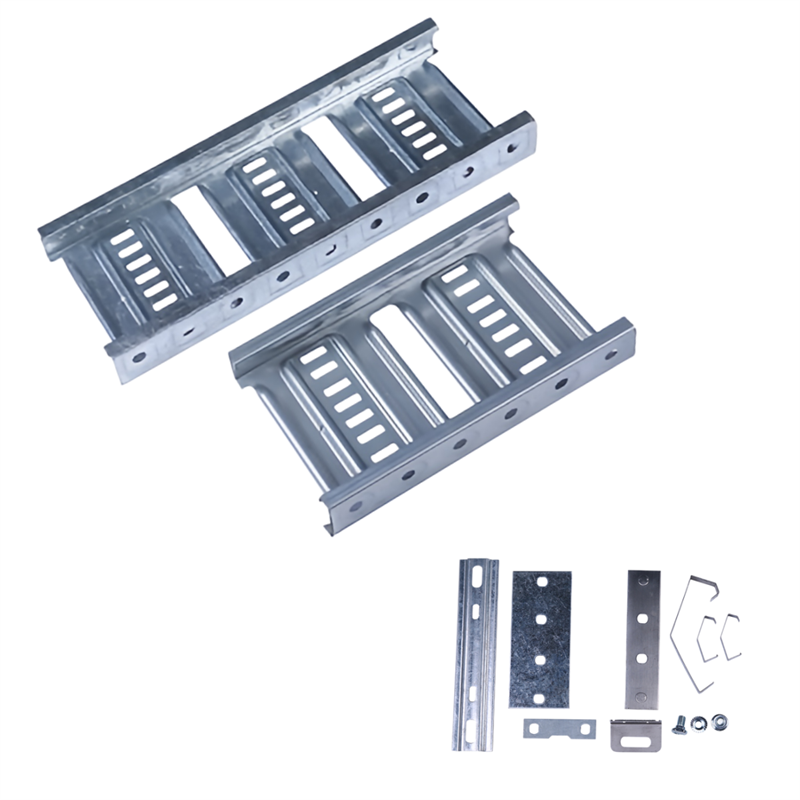
We supply conduits in steel and galvanized finishes compatible with our trays and supports, ensuring corrosion resistance and structural strength for various environments.
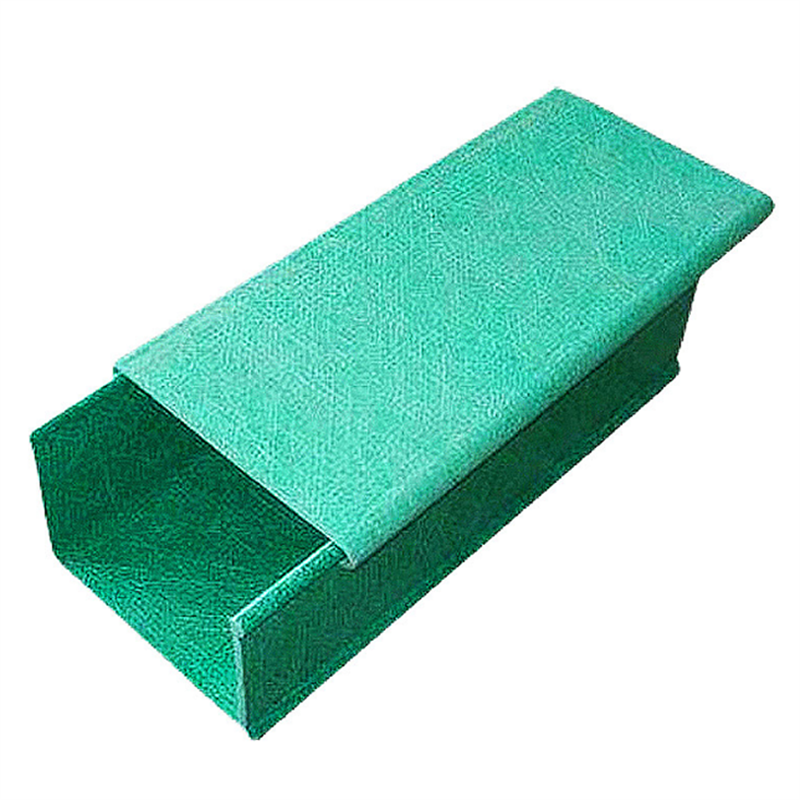
Yes. Our cable flex conduit integrates with cable trays and wire troughs to provide continuous protection and organized routing within support systems and seismic bracing.
Yes. We manufacture custom lengths, diameters, and stamped fittings to align with project specifications and our C-channel and finished support systems.
We use controlled manufacturing processes, material inspections, and industry-standard finishes to meet safety and performance requirements for electrical infrastructure and solar installations.

Our Blog Posts

Complete Hardware Glossary: Solar Mounting, Pipe Supports and Cable Management Parts

21

Sep

Complete Hardware Glossary: Solar Mounting, Pipe Supports and Cable Management Parts

Understanding the components of solar mounting structures, pipe supports, and cable management parts is crucial for professionals in the manufacturing and construction industries. This complete hardware glossary will provide insights into evaluating ...
View More

Get a Free Quote

Our representative will contact you soon.
Email
Mobile/WhatsApp
Name
Company Name
Message
0/1000

Related product categories

Choosing the Best Cable Flex Conduit for Applications

Get a Free Quote

Our representative will contact you soon.
Email
Mobile/WhatsApp
Name
Company Name
Message
0/1000