EN
EN

Aluminum tracks are essential components in various industrial applications, serving as guiding systems for machinery, equipment, and structural supports. Buyers in the B2B sector often seek reliable aluminum track products that meet specific application needs, ensuring quality, durability, and compatibility with existing systems. This article will help purchasing managers, engineers, and product managers understand where to find trustworthy suppliers, common installation challenges, diverse applications, key features and benefits, and the material advantages of aluminum tracks.
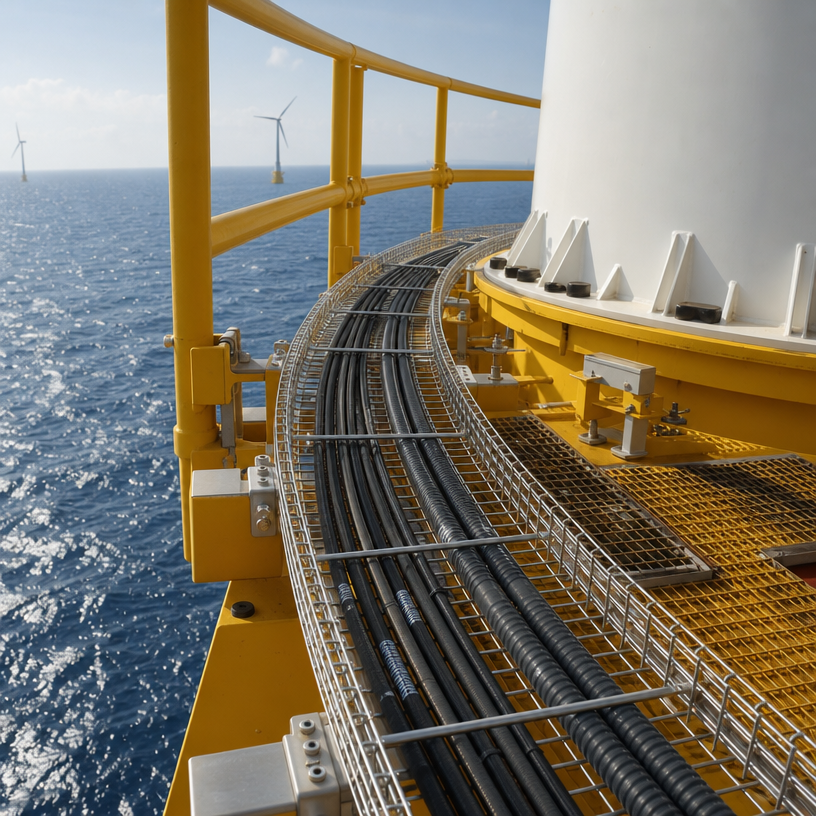
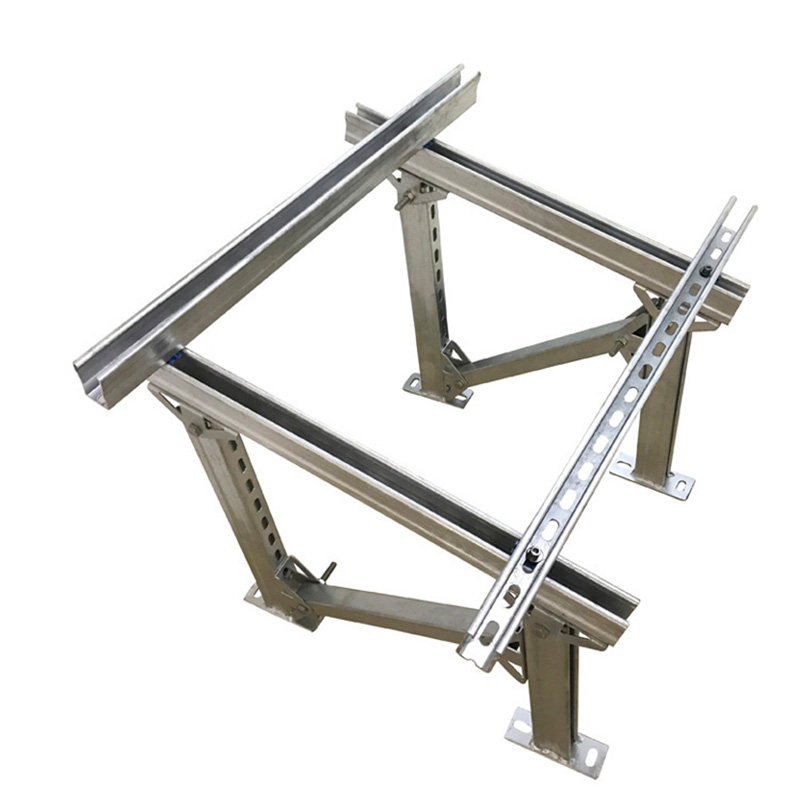
Common Installation Challenges with Aluminum Tracks and Solutions
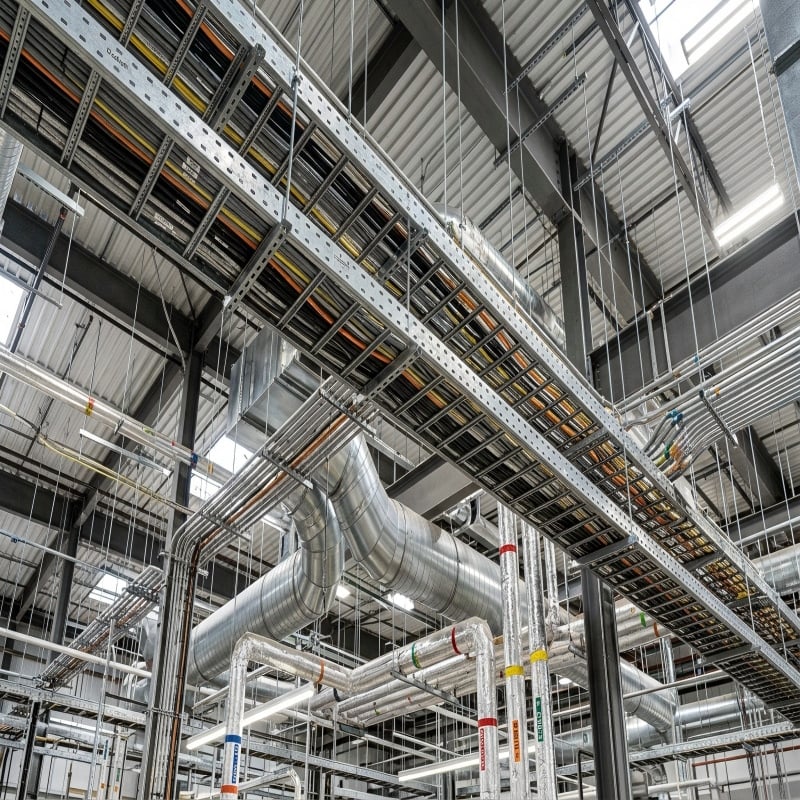
Installing aluminum tracks can present several challenges that may affect their performance and longevity. One common issue is misalignment during installation, which can lead to operational inefficiencies and increased wear on moving parts. To combat this, ensure that installation surfaces are level and that you utilize precise measuring tools to guide the alignment process.
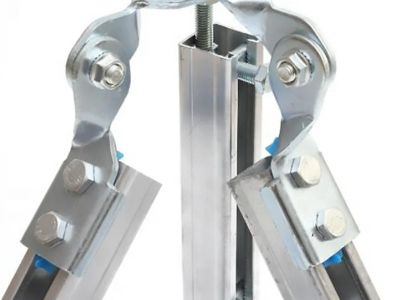
Another challenge is the compatibility of aluminum tracks with other materials or systems. For example, if the track will interface with steel or plastic components, proper selection of fasteners and connectors is essential to prevent galvanic corrosion. Utilizing corrosion-resistant coatings or anodized finishes can also enhance durability.
Lastly, thermal expansion is a consideration when installing aluminum tracks in environments with variable temperatures. It’s crucial to allow for expansion gaps in the design to prevent warping or structural stress. Proper installation techniques and material compatibility can significantly reduce these challenges and ensure a successful setup.