EN
EN

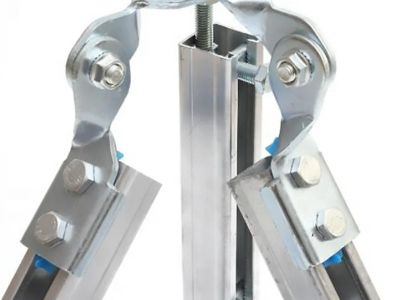
Solar panel unistrut systems are essential components in the mounting and support of solar panels, ensuring stability and durability in various environmental conditions. When purchasing solar panel unistrut, buyers often focus on cost, material quality, load-bearing capabilities, and compatibility with existing structures. This article will delve into key factors such as cost considerations, specifications for selection, material advantages, applications across diverse projects, and guidance on making wholesale purchases.
Evaluating Quality Standards for Solar Panel Unistrut Products
Selecting the right solar panel unistrut involves comparing multiple specifications that directly affect performance and compatibility. Key specifications include:
Dimensions: The width and height of the unistrut must align with the solar panel dimensions and mounting configurations. Common sizes are typically 1.5 to 3 inches in width, affecting load distribution and stability.
Load Capacity: It is crucial to assess the load-bearing capacity of the unistrut, which varies depending on its material and design. This capacity should align with the weight of the solar panels and any additional equipment, such as inverters or batteries.
Finish: The surface treatment of the unistrut can enhance its durability against environmental factors. Options may include powder coating, anodizing for aluminum, or galvanization for steel, each offering different levels of corrosion resistance.
Compatibility: Ensure that the unistrut system is compatible with other mounting hardware and solar panel configurations. This compatibility can significantly impact the ease of installation and long-term performance. For example, consider using the SS316 Wire Mesh Cable Tray for enhanced support.
By carefully evaluating these specifications, buyers can make informed decisions that meet their project's specific needs.