EN
EN

Conduit pipe hangers are essential components in various industrial applications, designed to secure and support pipes in a reliable manner. For B2B buyers, selecting the right conduit pipe hangers involves understanding their specifications, compatibility with different materials, and how they will perform under specific conditions. This article will guide you through the critical elements of conduit pipe hangers, helping you make informed purchasing decisions that align with your project requirements.
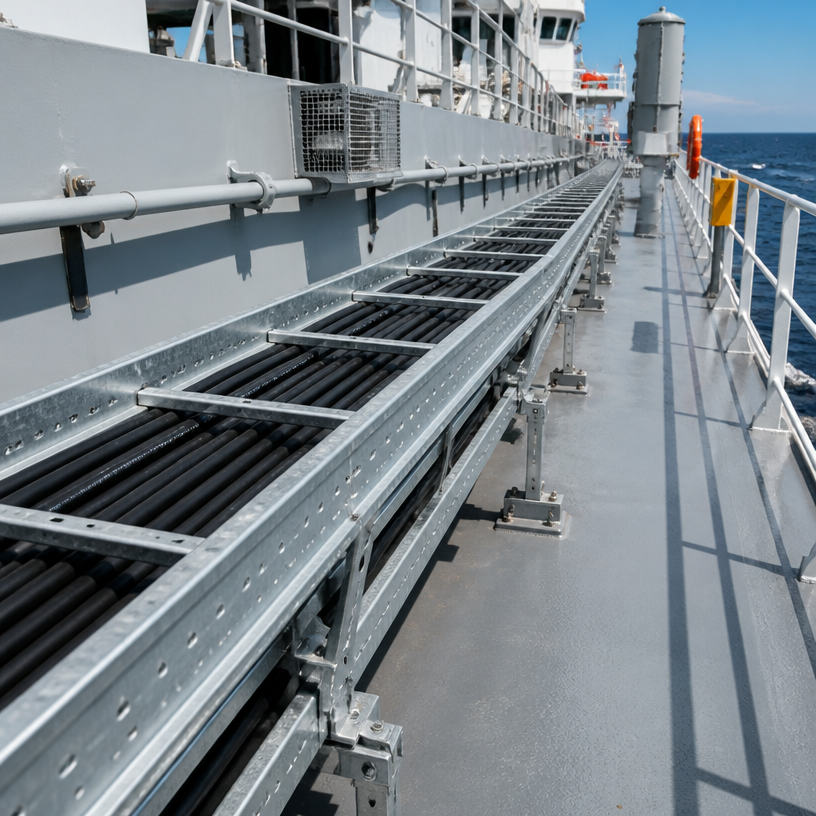
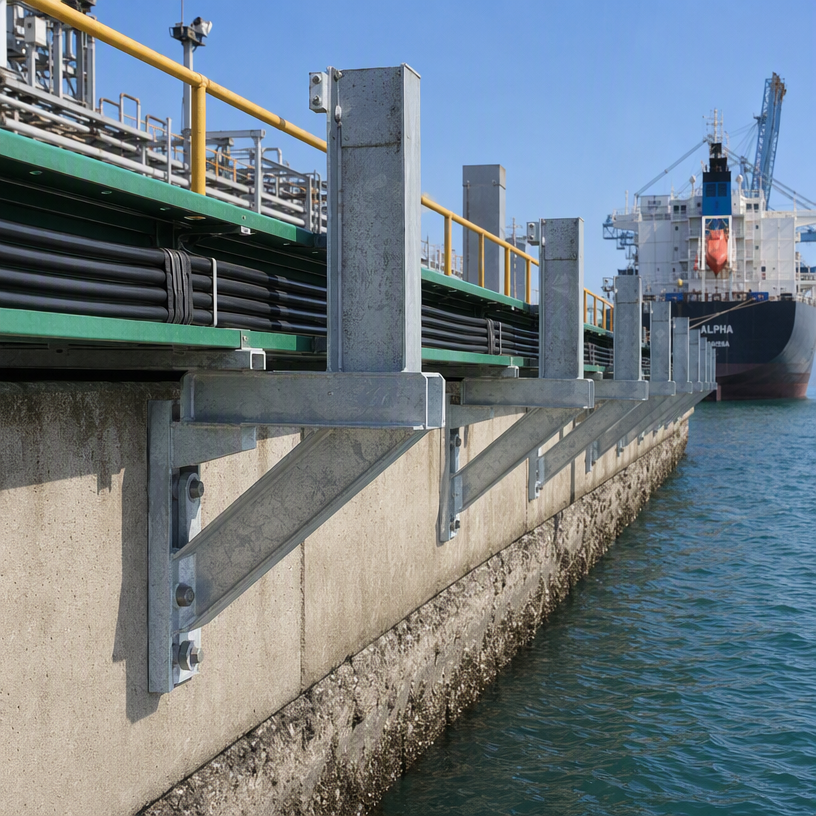
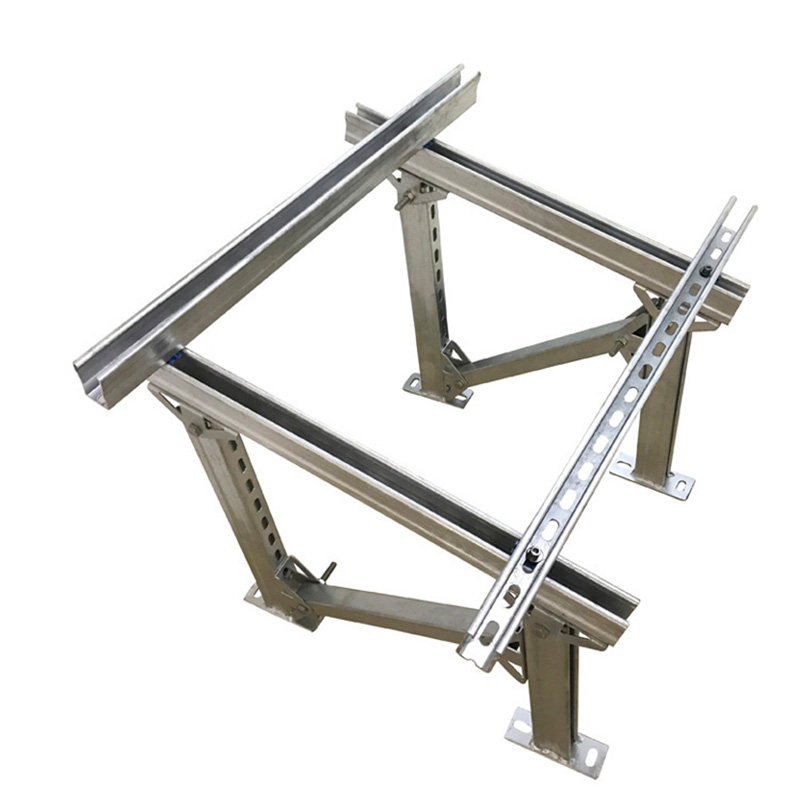
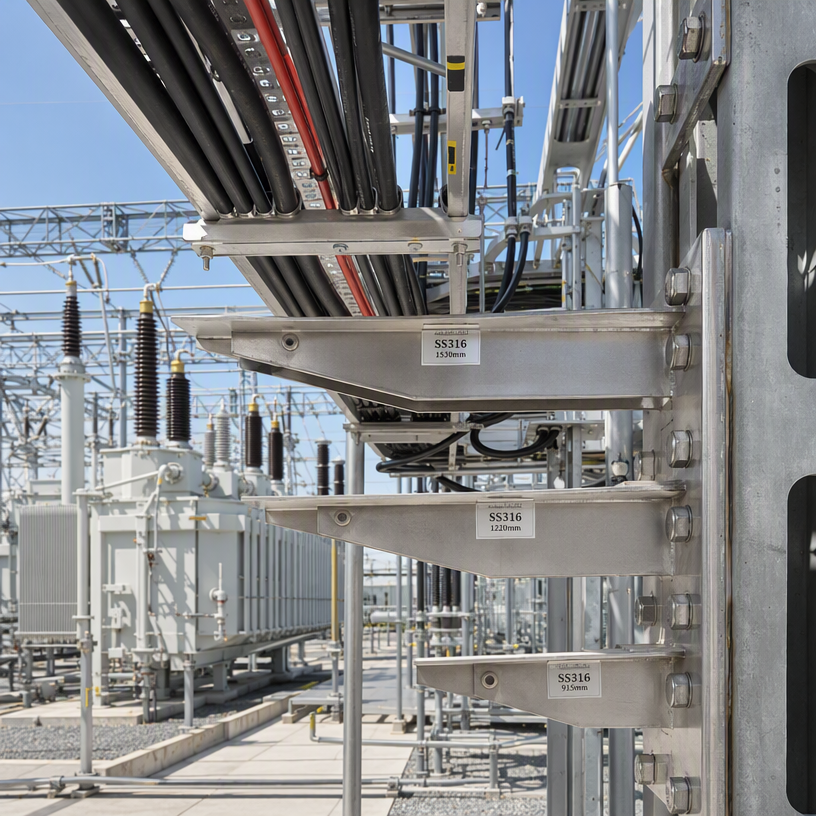
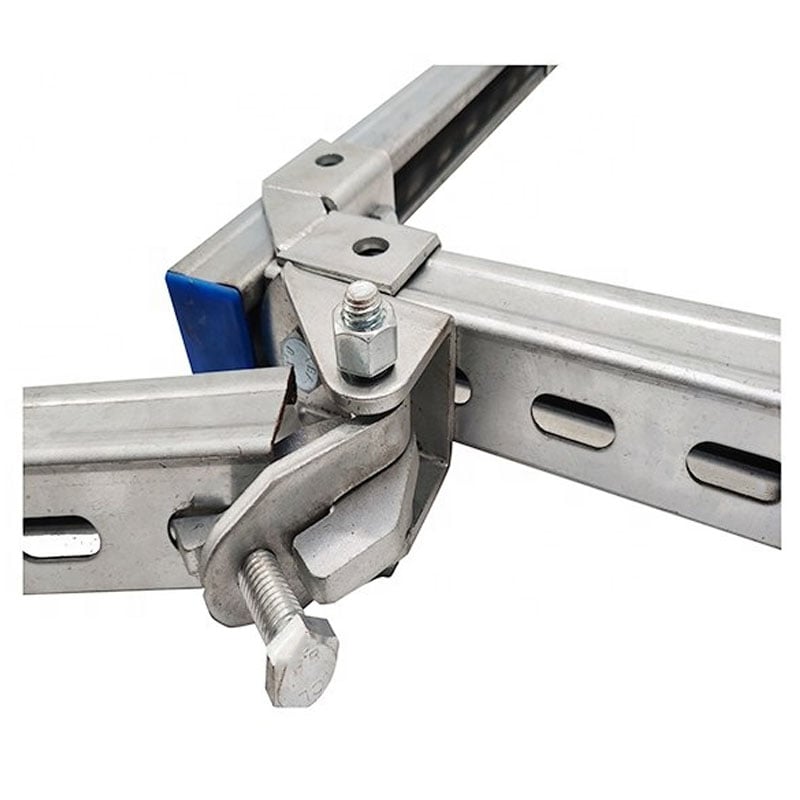
Key Specifications to Consider for Conduit Pipe Hangers
Understanding the key specifications of conduit pipe hangers is critical for ensuring optimal performance. Some of the most important specifications to consider include:
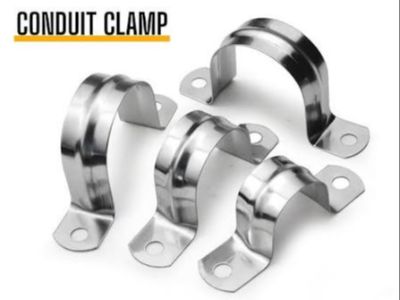
Load Capacity: This indicates the maximum weight the hanger can support. It is vital to select a hanger with a load capacity that exceeds the total weight of the pipes and any additional insulation or coatings. Material: The material of the hanger affects its strength, durability, and resistance to environmental factors. Common materials include steel, stainless steel, and plastic. Each material has its own benefits and limitations depending on the application. Dimensions: The size of the hanger must match the pipe's diameter. Incorrect sizing can lead to inadequate support and increased wear on the hangers. Type of Hanger: Different types of hangers—such as clevis hangers, loop hangers, and adjustable hangers—offer varying levels of support and flexibility for installation. Choose the type that best suits your project’s needs.