Selecting Durable Conduit Pipe Clips for Projects

Get a Free Quote

Our representative will contact you soon.
Email
Mobile/WhatsApp
Name
Company Name
Message
0/1000

conduit pipe clips

Conduit pipe clips are essential components used in various industrial applications to secure  and support  conduit  pipes.  As  a B2B buyer, understanding the specifications, material  options, and  supplier reliability  is crucial in  making  informed purchasing decisions. This article aims  to  provide in-depth insights into  conduit pipe  clips, addressing key concerns such  as selection criteria, supplier  evaluation, cost  factors, and material  advantages, enabling you  to  choose the right products for your project needs.
Our Products

Understanding Specifications for Durable Conduit Pipe Clips

Understanding Specifications for Durable Conduit Pipe Clips

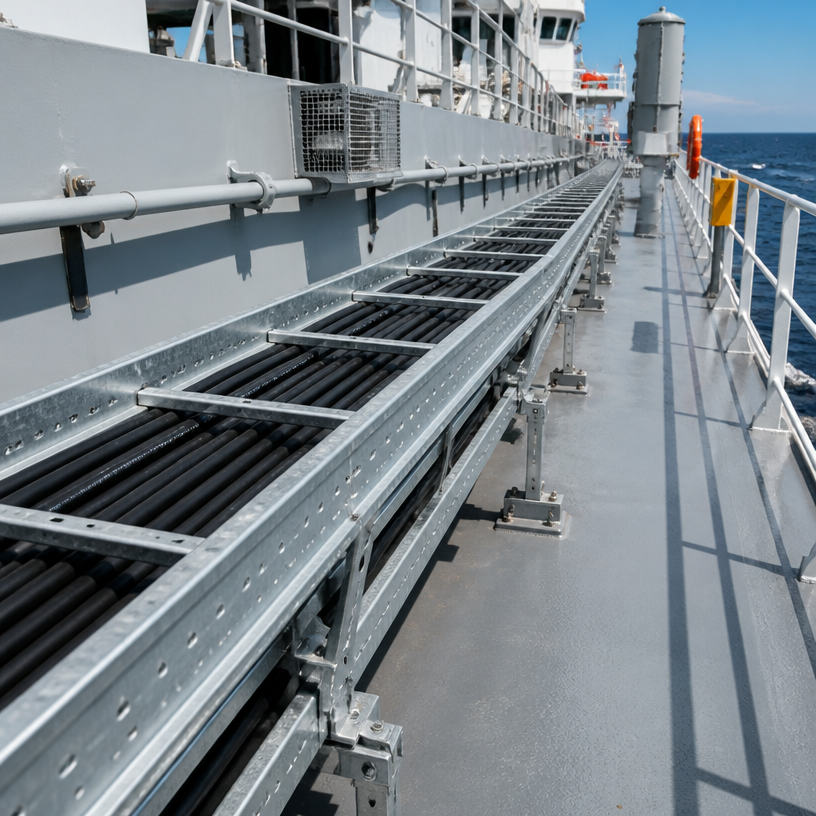
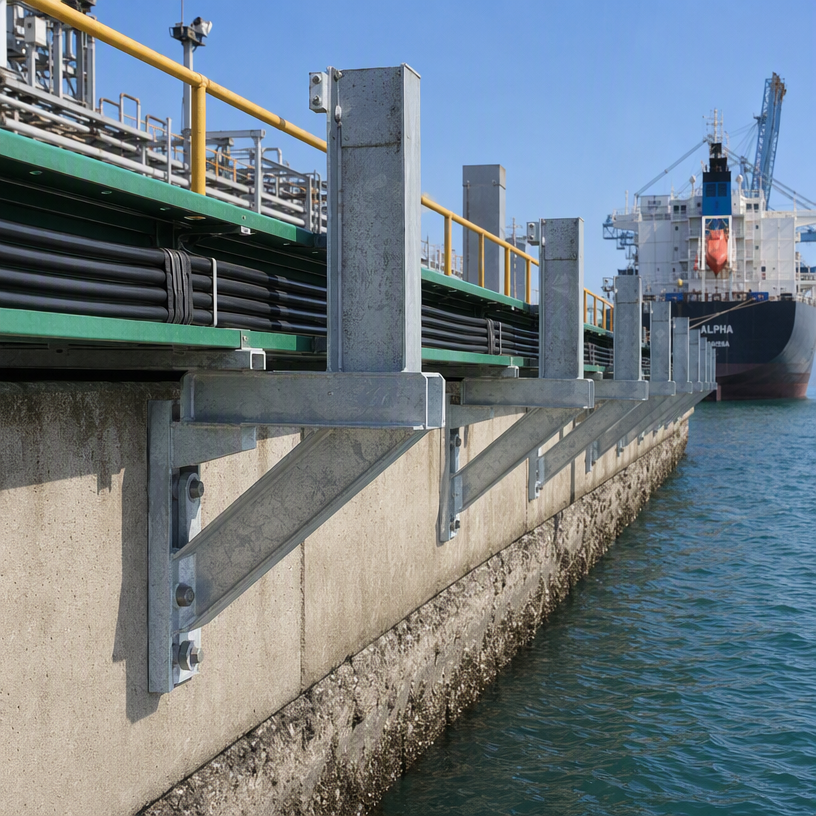
Finding a trustworthy supplier for conduit pipe clips  is crucial for ensuring product quality and  availability.  Look for manufacturers with  a  solid reputation and experience in the industry. Suppliers  like Shanghai Qinkai  Industry  Co.,  Ltd., known for their expertise in producing high-quality  support systems and accessories,  can provide valuable insights into product  performance and application suitability, including offerings like Marine-Grade FRP Cable Tray | NEMA FG1 Fiberglass Cable Ladder for Offshore & Coastal Projects.

When evaluating  suppliers, consider their manufacturing capabilities, quality  control processes, and certification status. Requesting samples before  placing a bulk  order  can also help verify product quality.  Additionally,  inquire about lead times, minimum order quantities (MOQs), and customization  options, as these factors can significantly impact your project timelines and budget.
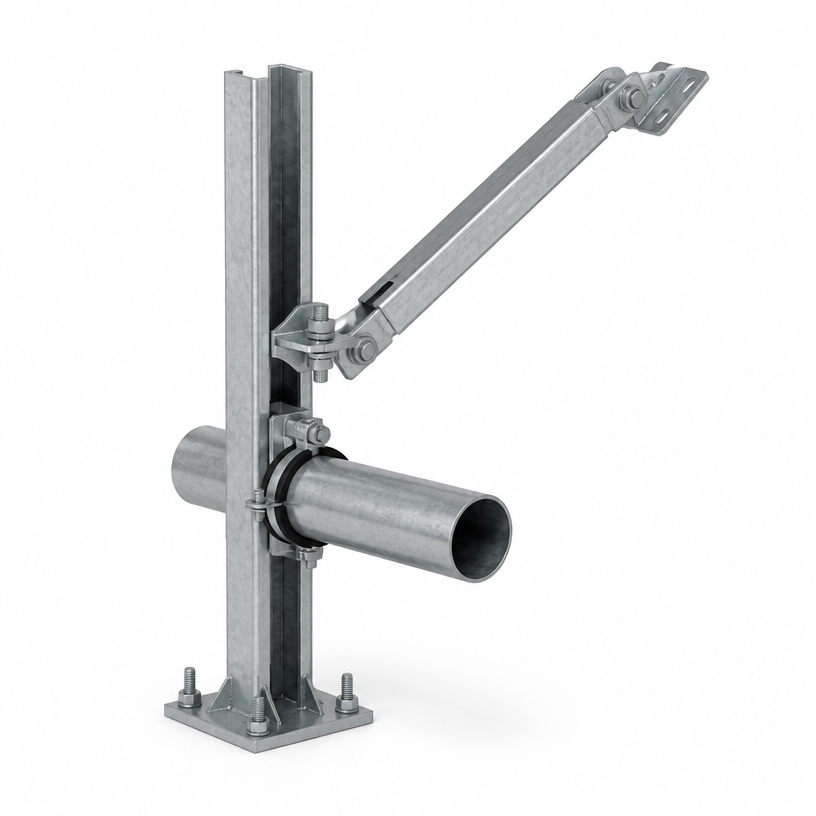
Cost Factors to Consider When Purchasing Conduit Pipe Clips

Cost Factors to Consider When Purchasing Conduit Pipe Clips

When purchasing conduit pipe clips, several key specifications should be taken into account:

Material: Common materials include  steel, stainless steel, and plastic. Steel options,  such  as galvanized or powder-coated finishes, provide durability and corrosion resistance, making them ideal for  outdoor applications. Stainless steel clips offer superior strength and resistance to harsh environments, while plastic clips can be suitable for lighter  loads in less demanding conditions.

Size and Dimensions: Ensure that the clips match the diameter and type of conduit being used.  Accurate dimensions are critical for proper fit and functionality.

Load Capacity: Different clips have varying load capacities depending on their design and material.  Assess the anticipated load to  ensure that the selected clips can safely support the weight without  failure.

Installation Method: Consider how  the clips  will be installed. Some require screws for mounting, while others  may feature snap-in designs for quick assembly. Understanding the installation  process can facilitate smoother project execution.

Each  of  these specifications plays a  vital role  in the performance and reliability of conduit pipe  clips. Buyers should verify that chosen specifications align with project requirements to avoid complications during installation and use.

Installation Guidelines for Efficient Use of Conduit Pipe Clips

Installation Guidelines for Efficient Use of Conduit Pipe Clips

When evaluating the costs associated with bulk orders of conduit  pipe clips, several factors  come into play.  First, the  material choice  significantly influences the overall cost. For instance, stainless steel  clips typically have a higher price point than plastic options due to their enhanced durability.

Second, production volume  affects pricing. Larger orders often qualify for discounts, making it  economically advantageous to consolidate purchases. However, keep  in  mind that  ordering too many clips beyond project needs can lead to excess inventory  costs.

Additionally,  shipping and  handling fees should be factored into total costs.  Depending on the supplier’s location and  your project  site, transportation costs can vary significantly. To minimize expenses, consider working with suppliers who offer competitive shipping rates or local  pickup options.

Lastly, any customization requirements, such as specific sizes or finishes, may  incur additional charges. It’s crucial to discuss these factors with  your supplier when requesting a quote to ensure a comprehensive understanding of the total investment.

Common Problems with Conduit Pipe Clips and Their Solutions

The material used in conduit pipe clips directly  impacts their performance,  durability, and suitability for different  applications.

Steel and Stainless Steel: Steel clips, particularly those treated  with galvanization or powder coating,  offer excellent strength and corrosion resistance, making them ideal for outdoor environments or areas  with high moisture exposure.  Stainless steel clips provide even greater resilience, particularly in harsh industrial settings where exposure to chemicals or extreme temperatures may occur.

Plastic: Plastic conduit pipe clips are lightweight and resistant  to corrosion, making them suitable for indoor applications or environments where chemical exposure is minimal. Their flexibility in design can facilitate easier installation in various  configurations.

Compatibility with Other  Materials: When selecting clips, consider  how the material will interact  with the conduit and surrounding components. For example,  using metal clips with plastic conduits may require careful consideration to  prevent damage during installation or operation.

In summary, understanding the material advantages of conduit pipe clips helps buyers make informed decisions  that  align with their project requirements  and environmental conditions. Choosing the right materials ensures that clips will perform  reliably over their intended lifespan while reducing  the likelihood of  costly replacements or repairs.

How to Evaluate the Quality of Conduit Pipe Clips

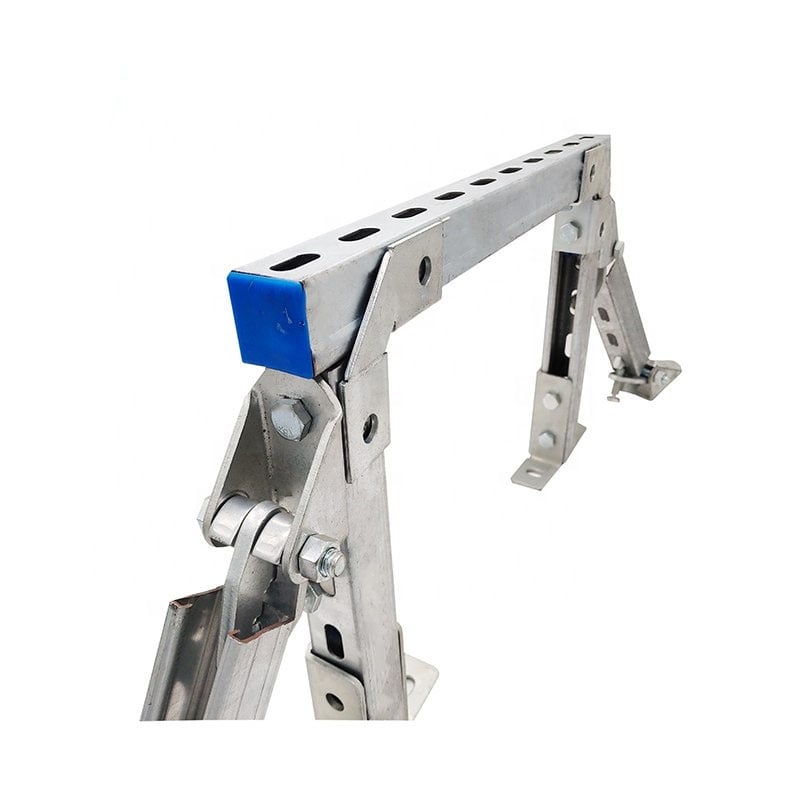
Selecting the appropriate  conduit pipe clips involves evaluating specific project requirements such as the type of conduit being used,  environmental  conditions, and load-bearing capacities.  Consider the size  and diameter of the conduit pipes, as clips must be compatible to ensure a secure fit. Additionally, assess whether the clips  will be used in indoor or outdoor  settings, as this influences material choice due to exposure to moisture, UV rays, and temperature fluctuations. For outdoor applications, options like SS316 Cable Tray Bracket — Corrosion-Proof Support Arms for Power Plant Cable Systems can provide enhanced durability.

When choosing conduit pipe clips, think about the installation method as well. Some clips are designed for easy  installation with screws  or bolts, while  others  may feature adhesive  backing for quick application. It’s  also essential to consider  any  relevant industry standards  or codes that may dictate certain  specifications or performance requirements for your applications. By aligning your selection with these factors, you can ensure  optimal  performance and longevity of  the conduit pipe clips in your projects.

Frequently Asked Questions

What are conduit pipe clips used for?

Conduit pipe clips secure electrical conduit, maintaining alignment and supporting runs along walls, ceilings, or cable tray systems. They prevent sagging and protect cables from mechanical stress.
We offer clips in steel and galvanized finishes compatible with our cable trays and support systems. Custom materials or coatings can be provided upon request for corrosion resistance.
Clips are available for common conduit diameters and can be produced to match specific conduit sizes. Provide your conduit OD and required quantity for precise options.
Yes. Clips are designed to integrate with C-channel steel, finished supports, seismic bracing, and cable trays manufactured by our company for secure installation.
Yes. We manufacture stamped parts and can create custom clip designs to meet project specifications, volume needs, and mounting requirements.

Our Blog Posts

Conduit Clamp Installation Tips for Solar Field Cable Protection

25

Sep

Conduit Clamp Installation Tips for Solar Field Cable Protection

When it comes to solar field installations, ensuring the safety and protection of cabling is crucial. Conduit clamps play a key role in securing cables and preventing damage from environmental factors. This article provides valuable conduit clamp ins...
View More
How to Select the Right Solar Panel Bracket for Ground-Mount PV Projects

23

Sep

How to Select the Right Solar Panel Bracket for Ground-Mount PV Projects

Selecting the right solar panel bracket for ground-mount photovoltaic (PV) projects is crucial for ensuring the stability and longevity of the solar installation. With various options available in the market, B2B buyers often face challenges in evalu...
View More
FRP Cable Tray: Why It Works for Corrosive Environment Solar Installations

25

Sep

FRP Cable Tray: Why It Works for Corrosive Environment Solar Installations

FRP (Fiberglass Reinforced Plastic) cable trays are increasingly recognized as an ideal solution for corrosive environment solar installations, offering a blend of durability, resistance to chemical exposure, and lightweight properties. For B2B buyer...
View More
Complete Buying Guide for Cable Tray in Solar Power Plant Construction

24

Sep

Complete Buying Guide for Cable Tray in Solar Power Plant Construction

In the rapidly evolving landscape of solar power plant construction, selecting the right cable trays is crucial for ensuring efficient and safe electrical management. This complete buying guide for cable trays focuses on the specific needs of solar p...
View More

Get a Free Quote

Our representative will contact you soon.
Email
Mobile/WhatsApp
Name
Company Name
Message
0/1000

Related product categories

Selecting Durable Conduit Pipe Clips for Projects

Get a Free Quote

Our representative will contact you soon.
Email
Mobile/WhatsApp
Name
Company Name
Message
0/1000