Key Considerations for Electrical Conduit Clamps

Get a Free Quote

Our representative will contact you soon.
Email
Mobile/WhatsApp
Name
Company Name
Message
0/1000

electrical conduit clamps

Electrical conduit clamps  are essential components  in electrical installations, providing secure attachment and support for conduit systems that  house wiring. As  a B2B  buyer, your main  concerns likely  revolve  around durability,  compatibility with various conduit sizes and materials, and the ease of  installation. This  article will guide you through  the key considerations when selecting electrical conduit  clamps, their  specifications,  the  advantages of  bulk purchasing, common issues encountered, and sourcing  options to meet  your distribution  needs.
Our Products

Key Specifications of Electrical Conduit Clamps for Wholesale Buyers

Key Specifications of Electrical Conduit Clamps for Wholesale Buyers

As a wholesale buyer, understanding the key specifications of electrical conduit clamps is vital for making informed purchasing decisions. Important specifications  include:

Material:  Choose from options like galvanized steel, stainless steel, or  high-density  polyethylene (HDPE). Each material offers different levels of strength, corrosion  resistance,  and suitability for various applications.

Size Range: Clamps are  available in various sizes to accommodate different conduit diameters. Ensure the dimensions are compatible with the  conduit you plan  to use.

Load  Capacity: Depending on the  application, clamps may have varying load capacities. Check the manufacturer's specifications to ensure  that  the selected clamps can support the expected load without  risk  of failure.

Mounting Style: Clamps can be surface-mounted,  adjustable, or designed  for specific installation methods. The choice of mounting style affects installation flexibility and stability.

Finish: The finish of the  clamps can impact their longevity. Options like galvanized or powder-coated finishes provide additional protection against environmental wear.

Having these specifications in mind will help you select the appropriate clamps for your needs and ensure compatibility with  your electrical systems.

Bulk Order Advantages for Electrical Conduit Clamps from Reliable Suppliers

Bulk Order Advantages for Electrical Conduit Clamps from Reliable Suppliers

Purchasing electrical conduit clamps in  bulk from reliable suppliers, like Shanghai Qinkai Industry Co., Ltd., offers numerous advantages. One significant benefit is  cost  savings. Bulk orders often come  with reduced unit prices, which can substantially lower your overall expenditure on projects.

Additionally, ordering  in bulk ensures consistent  supply, minimizing the  risk of delays in project timelines. This is particularly critical in industries where timely completion  is essential,  such  as construction or manufacturing. Reliable suppliers can  often provide customized solutions,  allowing you to specify particular materials, sizes,  or finishes that might  not be available in  smaller quantities. For instance, when sourcing materials for Underground Parking Lots, it’s crucial to ensure that the clamps meet specific load and material requirements.

Another  advantage is enhanced quality assurance. When working with  established manufacturers,  you can expect rigorous quality control processes that ensure each batch of  clamps meets specified  performance standards. This reduces the likelihood of defects and increases confidence in the products you are using.

Common Problems with Electrical Conduit Clamps and Effective Solutions

Common Problems with Electrical Conduit Clamps and Effective Solutions

Despite their importance, electrical conduit clamps can present several  challenges if not selected  or installed correctly. Common problems include:

Corrosion: If clamps are made from inadequate materials,  they  may corrode over time, leading to structural failure. To  mitigate this, select clamps made from corrosion-resistant materials  suitable  for the environment, such as stainless steel or those with protective coatings.

Improper Fit:  Using clamps  that do not fit the conduit properly can  lead to loose connections or damage.  Always verify the size and compatibility of the clamps with the  conduit before  installation.

Installation Errors: Inadequate installation may result in clamps not securing the conduit correctly, leading to sagging or dislodgement. Providing clear  installation guidelines and training  for your installation team can help prevent these errors.

Overloading: Exceeding the load capacity of the clamps  can lead to failure. Always adhere to the manufacturer's load specifications and consider factors like the weight of the wiring and conduit when planning  your installation.

By addressing these common issues proactively, you can enhance  the reliability and longevity of your electrical  installations.

Where to Source Electrical Conduit Clamps for Your Distribution Needs

Sourcing electrical conduit clamps for distribution requires due diligence to ensure you partner with a reliable manufacturer. Look for suppliers  with a proven track record in the industry, such as Shanghai  Qinkai Industry Co., Ltd.,  known for its comprehensive manufacturing capabilities and quality control processes.

When evaluating potential suppliers,  consider the following factors:

Product Range: Ensure the supplier offers a  variety of clamps to meet different project requirements, including various sizes, materials, and load capacities.

Customization Options: Some  suppliers can provide customized solutions tailored to specific project needs, which can be  crucial for unique installations in settings like Power Plants.

Export Capabilities:  If your distribution needs extend  beyond local markets, verify that the supplier has experience in international shipping and can meet any regulatory requirements  for your target markets.

Customer Support: Reliable suppliers should offer robust customer service, addressing inquiries and concerns promptly to facilitate  smoother  transactions.

As you assess potential suppliers, gathering samples for evaluation can also  help ensure that the product quality meets your expectations  before placing a bulk order.

In summary,  understanding  the specifications  and considerations associated with electrical conduit clamps will  empower  you to make informed purchasing decisions, mitigate common issues, and ultimately enhance  the efficiency of your electrical installations.

What to Consider When Choosing Electrical Conduit Clamps for Projects

When selecting electrical conduit clamps for your projects, it’s crucial to consider  several factors that directly  impact performance and application suitability. First, evaluate  the material  of the  clamps.  Common materials include steel and plastic; steel clamps  offer stronger support and durability, making them  suitable for heavy-duty applications, while plastic clamps can be suitable for lighter installations where  corrosion resistance is a priority.

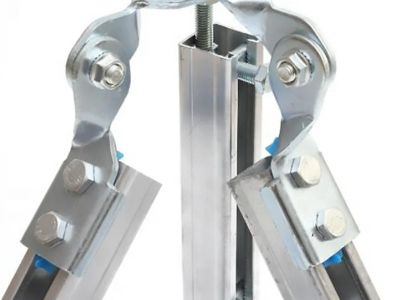
Next, consider the size and compatibility of the clamps  with the conduit you are using. Electrical conduit  comes in various diameters, and the clamps should fit securely without causing damage  to the conduit or wires. It’s also essential to check for any environmental conditions  the clamps will face, such as exposure to  moisture or chemicals, which can  affect material selection. Additionally, the design of clamps can vary, and options like adjustable designs can enhance usability and compatibility with different applications, including those in Marine Engineering.

Finally, installation ease should not  be overlooked. Look  for clamps that provide straightforward installation processes to minimize labor time and costs. Features such as adjustable designs or integrated locking mechanisms  can enhance usability.

Frequently Asked Questions

What sizes of electrical conduit clamps do you offer?

We provide clamps for common conduit sizes from 1/2" to 4" and custom sizes on request to match C-channel and support systems in industrial and commercial projects.
Clamps are available in galvanized steel, stainless steel, and pre-finished coatings compatible with our seismic bracing and support products for corrosion resistance.
Yes. We offer clamps with bolts, nuts, washers, and compatible brackets designed to integrate with our cable trays, metal wire troughs, and C-channel supports.
Yes. Clamps are manufactured to work with our seismic bracing systems and can be specified to meet seismic stability and regional code requirements when ordered.
We manufacture custom and stamped clamp parts to customer drawings, including special hole patterns, sizes, and finishes to fit solar, industrial, or commercial support structures.

Our Blog Posts

Complete Hardware Glossary: Solar Mounting, Pipe Supports and Cable Management Parts

21

Sep

Complete Hardware Glossary: Solar Mounting, Pipe Supports and Cable Management Parts

Understanding the components of solar mounting structures, pipe supports, and cable management parts is crucial for professionals in the manufacturing and construction industries. This complete hardware glossary will provide insights into evaluating ...
View More
C-Channel Sizing Guide for Solar Panel Bracket and Cable Support

25

Sep

C-Channel Sizing Guide for Solar Panel Bracket and Cable Support

C-Channel steel is essential for solar panel support systems, offering durability and structural integrity. This C-Channel sizing guide for solar panel bracket and cable support will help purchasing managers, engineers, and distributors navigate comm...
View More
Solar Panel Bracket Material Showdown: Steel, Aluminum and Stainless Steel

23

Sep

Solar Panel Bracket Material Showdown: Steel, Aluminum and Stainless Steel

Selecting the appropriate material for solar panel brackets is crucial for ensuring durability, cost-effectiveness, and overall performance. In the ongoing Solar Panel Bracket Material Showdown: Steel, Aluminum and Stainless Steel, buyers face signif...
View More
Solar Panel Bracket Buying Guide for Utility-Scale Ground-Mount Solar Projects

25

Sep

Solar Panel Bracket Buying Guide for Utility-Scale Ground-Mount Solar Projects

When planning utility-scale ground-mount solar projects, selecting the right solar panel brackets is crucial for ensuring stability, durability, and optimal performance. This Solar Panel Bracket Buying Guide for Utility-Scale Ground-Mount Solar Proje...
View More

Get a Free Quote

Our representative will contact you soon.
Email
Mobile/WhatsApp
Name
Company Name
Message
0/1000

Related product categories

Key Considerations for Electrical Conduit Clamps

Get a Free Quote

Our representative will contact you soon.
Email
Mobile/WhatsApp
Name
Company Name
Message
0/1000