Choosing the Right Conduit Cable Clips for Projects

Get a Free Quote

Our representative will contact you soon.
Email
Mobile/WhatsApp
Name
Company Name
Message
0/1000

conduit cable clips

Conduit cable clips are essential  components  used to  secure and organize electrical and  telecommunications cables. For  B2B buyers, especially purchasing managers and  engineers, selecting  the right conduit  cable clips can  significantly impact project  efficiency, safety,  and compliance with industry  standards. This  article aims  to provide practical insights into choosing the  right clips,  key specifications to consider,  cost  factors  for bulk orders, applicable industries, and the material advantages of high-quality  clips.
Our Products

Key Specifications to Consider When Sourcing Cable Clips

Key Specifications to Consider When Sourcing Cable Clips

Sourcing  the right  conduit cable clips involves evaluating several key specifications:

Material: The  material of the clips affects their  durability and performance. Common materials include plastic, stainless steel, and aluminum. Stainless steel clips,  for example, offer excellent resistance to  corrosion, making them suitable for outdoor or moisture-prone environments.

Load Capacity: Ensure that the selected clips can support the weight of the cables they  will hold. Each clip should have a  specified load capacity to prevent sagging or cable damage.

Dimensions: The size of the clips must match the dimensions of the cables being used. Clips that are too tight can damage cables, while loose clips may not  hold them securely.

Installation Method: Consider whether  the clips are designed for nail-in, screw-in, or adhesive installation. The installation method can influence both the ease of  use and the strength of the  attachment.

Compliance Standards: Ensure that the clips meet relevant industry  standards and regulations.  This is especially important in sectors  like construction and telecommunications.

Understanding these specifications will help buyers  make  informed decisions and  avoid common pitfalls, such as selecting clips that do not meet project requirements.
Understanding Cost Factors for Bulk Orders of Cable Clips

Understanding Cost Factors for Bulk Orders of Cable Clips

When evaluating the cost of conduit cable clips for bulk orders, several factors  come into play:

Material Costs: Higher quality  materials will typically result in higher prices. However, investing in durable materials may reduce long-term costs  associated with replacements and maintenance.

Order Quantity: Bulk orders often qualify for discounts, making it essential to determine the appropriate quantity needed for your projects. Assess your project timeline to maximize the benefits of bulk pricing.

Customization: If  your project requires customized clips—such as  specific dimensions or branding—this can increase costs. However, custom clips may  enhance brand visibility and ensure  a  better fit  for your applications.

Shipping and Handling: Consider the logistics costs, including shipping weight and  destination. Suppliers may offer different shipping  options that  can affect overall pricing.

Lead  Time: Urgent orders may incur  additional rush fees. Understanding the lead time for production and delivery is  crucial for project  planning.

By considering these cost  factors, buyers can optimize their purchasing strategy and  budget effectively.

Applications of Conduit Cable Clips in Various Industries

Applications of Conduit Cable Clips in Various Industries

Conduit cable clips are versatile and find applications across many  industries:

Construction: In commercial and residential construction, conduit cable clips  are vital for securing electrical  wiring and ensuring compliance with safety  regulations.

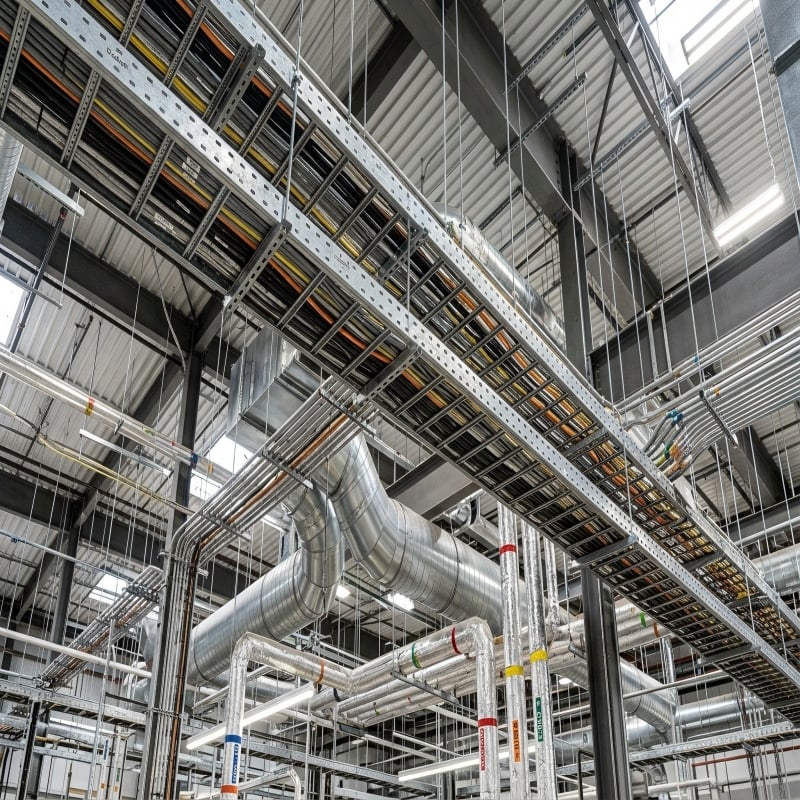
Telecommunications: These clips are crucial in the telecommunications sector, where  they help manage and organize  cables  in data centers  and communication networks.

Manufacturing: In industrial  settings, clips are used to secure power  cords and  data cables, minimizing hazards  and maintaining a tidy workspace.

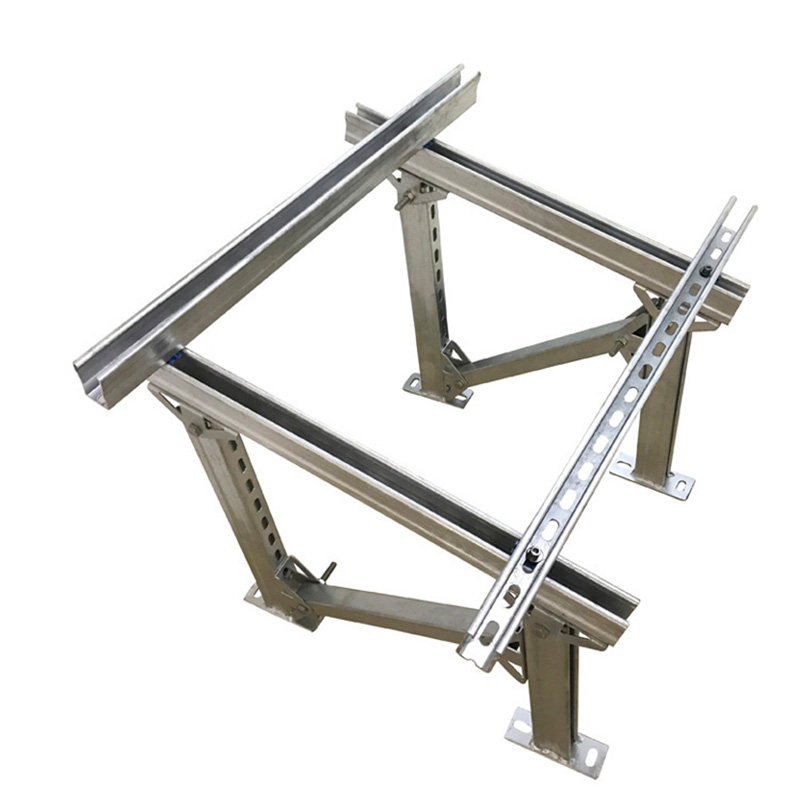
Renewable Energy: The solar mounting structures also utilize conduit  cable clips to secure wiring, ensuring safety and efficiency  in solar installations. For robust mounting solutions, consider a Solar Mounting System.

Automotive:  In automotive manufacturing, clips help  organize and secure wiring harnesses, contributing to the overall  reliability and safety of vehicles.

Understanding the specific applications within your  industry can guide the  selection process and enhance operational efficiency.

Material Advantages of Choosing High-Quality Cable Clips

The material choice for conduit cable clips significantly influences their performance and durability. High-quality clips are typically made  from materials that provide specific  advantages:

Corrosion Resistance: Stainless  steel  clips are resistant to rust and corrosion, making them ideal for outdoor applications where moisture is a concern.

Temperature Tolerance: Certain materials can withstand extreme temperatures, ensuring  that clips maintain their integrity  in both hot and cold environments. This is crucial for applications in climates with significant temperature  fluctuations.

Flexibility and Strength: Plastic clips can  offer flexibility, allowing  for easy adjustments without breaking. However, metal clips provide superior strength and durability, especially in high-stress environments.

UV Resistance: For  outdoor applications, selecting clips that resist UV degradation will prolong their lifespan and performance.

Electrical  Insulation: Non-metallic clips can provide electrical insulation, which is crucial in applications where electrical safety  is a concern.

Choosing high-quality materials not only enhances the functionality of the clips but also contributes  to the overall safety  and efficiency  of the installations they support. Additionally, using systems like HDG Cable Ladder can further improve cable management in various environments.

By  understanding these factors, B2B buyers can make informed decisions  that align with project requirements and ensure the successful  execution of their electrical management systems.

Choosing the Right Conduit Cable Clips for Your Project Needs

When selecting conduit cable clips, the first step is to consider  the specific requirements  of your project. Different applications  may necessitate different types of clips based on factors such as cable size, load capacity, and  environmental conditions. For instance, if you are working in a high-vibration  environment, you may need clips that provide superior hold and stability.

Additionally, assess whether you  require adjustable clips for  flexibility  in cable  management or fixed clips for more permanent installations. Understanding the installation environment—whether indoors, outdoors, or in areas with exposure  to  moisture or chemicals—is  crucial for ensuring the longevity  and effectiveness of the clips.

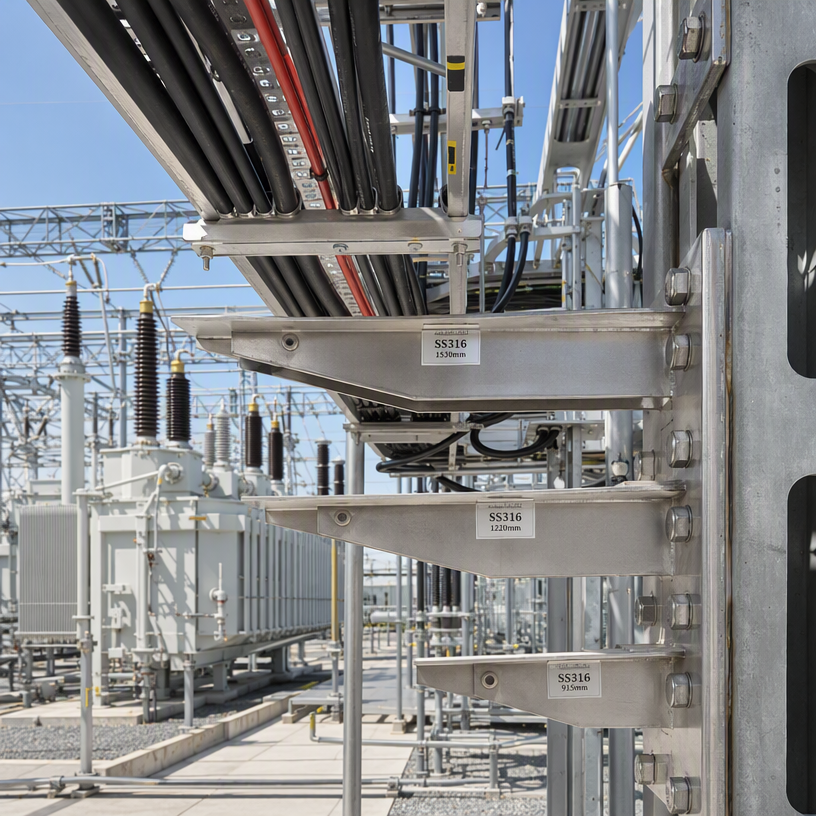
Always consider  compatibility with existing conduit systems and the ease of installation. Clips that allow for quick  installation can save  time  and reduce labor  costs, making them a more  attractive option for bulk  orders. For projects requiring enhanced durability, consider using SS316 Wire Mesh Cable Tray for effective cable management.

Frequently Asked Questions

What are conduit cable clips used for?

Conduit cable clips secure conduits and cables to surfaces, keeping wiring organized and preventing movement for safer, neater installations in industrial and commercial settings.
Our conduit cable clips are made from durable metals and corrosion-resistant coatings compatible with cable tray and support systems, ensuring long-term performance.
Yes, we offer conduit cable clips in common sizes to fit standard conduits; custom sizes are available to match specific conduit diameters and support requirements.
Absolutely. Our conduit cable clips are designed to integrate with C-channel steel, finished supports, and wire troughs for cohesive mounting and bracing solutions.
Contact our sales team with required dimensions, quantities, and material preferences; we provide quotes, drawings, and manufacturing options for custom stamping parts.

Our Blog Posts

Complete Hardware Glossary: Solar Mounting, Pipe Supports and Cable Management Parts

21

Sep

Complete Hardware Glossary: Solar Mounting, Pipe Supports and Cable Management Parts

Understanding the components of solar mounting structures, pipe supports, and cable management parts is crucial for professionals in the manufacturing and construction industries. This complete hardware glossary will provide insights into evaluating ...
View More

Get a Free Quote

Our representative will contact you soon.
Email
Mobile/WhatsApp
Name
Company Name
Message
0/1000

Related product categories

Choosing the Right Conduit Cable Clips for Projects

Get a Free Quote

Our representative will contact you soon.
Email
Mobile/WhatsApp
Name
Company Name
Message
0/1000