EN
EN

Under desk cable trays are essential components for maintaining organized and efficient workspaces. They provide a practical solution for managing electrical and data cables, ensuring safety and reducing clutter. For B2B buyers, the main concerns often revolve around quality, material selection, and the specific requirements of their projects. This article will delve into key considerations for sourcing under desk cable trays, highlighting specifications, quality evaluations, common issues, and their applications across various industries.





Key Specifications to Consider When Selecting Cable Trays
Selecting the right under desk cable tray involves understanding key specifications that directly affect performance and suitability. Here are several critical factors to consider:
Material: Common materials include steel, aluminum, and plastic. Steel trays provide high durability and weight capacity, suitable for heavy electrical loads, while aluminum trays are lightweight and corrosion-resistant. Plastic trays can be advantageous in environments with lower weight requirements or where aesthetics are a concern.
Dimensions: Buyers should consider the dimensions of the cable tray, including width, height, and length. These measurements must align with the size of the cables being managed and the available space under the desk.
Load Capacity: Each cable tray is rated for a specific load capacity, which is crucial for ensuring that it can support the weight of the cables and any additional accessories. Buyers must confirm these ratings to prevent structural failures.
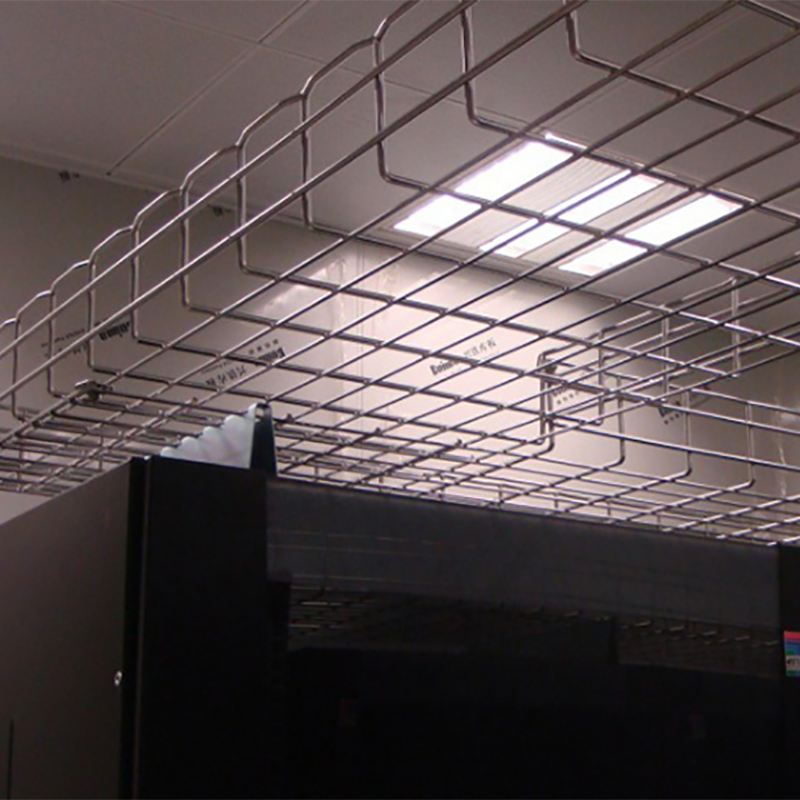
Ventilation Features: Some trays come with ventilation options to help dissipate heat generated by electrical cables. This feature is particularly important in environments where overheating could pose a risk.
Finish and Coating: The surface finish can influence durability, particularly in harsh environments. Options such as powder coating can protect against corrosion and wear, extending the tray's lifespan.
Understanding these specifications allows buyers to make informed decisions that align with their operational needs.