Choosing Solar Mounting Structures for Home Projects

Get a Free Quote

Our representative will contact you soon.
Email
Mobile/WhatsApp
Name
Company Name
Message
0/1000

solar for home

As the demand&nbs for renewable energy solutions grows, many businesses are&nbs exploring&nbs options for solar for&nbs home installations. Understanding the components involved in&nbs these systems, especially solar mounting structures,&nbs is&nbs critical&nbs for B2B buyers such as purchasing managers, engineers, and product managers. This article will provide&nbs insights into&nbs selecting&nbs the right&nbs solar mounting&nbs structures,&nbs sourcing quality&nbs products, and evaluating technical specifications,&nbs ultimately enabling you&nbs to&nbs make&nbs informed purchasing decisions.

&nbs

Where to Source Quality Solar Products for Wholesale Purchasing

Sourcing quality solar&nbs products&nbs for wholesale purchasing involves careful consideration of suppliers and their offerings. Here&nbs are some steps to guide your sourcing process:

Identify Reputable Manufacturers: Look for manufacturers with a proven track record in producing solar mounting structures and related accessories. Companies like Shanghai Qinkai Industry Co., Ltd., known for their expertise in metal fabrication and support systems, are good candidates.

Assess Product Quality: Request product samples to evaluate quality before&nbs making bulk purchases. Pay attention to the material finish, welding quality, and overall construction. It’s essential to ensure&nbs that the products meet industry standards&nbs and certifications.

Understand&nbs Customization Options: Many manufacturers offer customization capabilities. Discuss your specific project requirements&nbs with suppliers to see if they can accommodate your needs,&nbs whether it’s in design, dimensions,&nbs or material.

Review Terms and&nbs Conditions: Before finalizing orders, review the supplier's terms, including minimum&nbs order quantities (MOQ), lead times, and warranty conditions. Clear&nbs communication regarding these terms&nbs can prevent misunderstandings&nbs later.

By following these&nbs steps, you can effectively source quality&nbs solar products that&nbs align with&nbs your business needs.

&nbs
Top Specifications to Consider for Solar Installation Components

When evaluating&nbs solar installation components, several specifications&nbs should be at the forefront of your decision-making&nbs process:

Material Specifications: The choice of materials significantly impacts durability and&nbs performance. For&nbs example, stainless&nbs steel offers excellent corrosion resistance, making it suitable for coastal&nbs areas, while&nbs galvanized steel provides a&nbs cost-effective solution for inland&nbs applications.

Dimensions and Weight: Ensure that the dimensions of the mounting structures fit&nbs your installation requirements. Lighter structures may be easier to handle and install, but ensure&nbs they&nbs still meet load-bearing criteria.

Finish and Coating: The surface&nbs finish can influence the longevity of the structures. Look&nbs for coatings&nbs that enhance corrosion resistance and&nbs UV&nbs protection, which are crucial for outdoor installations.

Compatibility&nbs with Solar Panels: Ensure that the mounting structures are&nbs designed to accommodate the types and sizes of solar panels you intend to use. Compatibility will minimize installation issues and ensure optimal performance.

Understanding these specifications will help you select components that not only fit your project needs but also provide long-term reliability.

Evaluating the Cost Factors of Solar Solutions for Your Business Needs

Cost evaluation&nbs is a critical step&nbs in planning your solar&nbs installation.&nbs Several factors&nbs influence the&nbs overall cost of solar solutions:

&nbs

Material&nbs Costs: The choice of materials for mounting structures and solar panels can significantly affect your budget. While aluminum might&nbs have a higher upfront cost, its durability can lead to savings on maintenance and replacement over time.

Labor Costs: Installation complexity impacts labor costs. Ground-mounted systems may require more groundwork compared to roof-mounted systems, affecting overall project expenses.

Shipping&nbs and Handling:&nbs Consider shipping costs, especially if sourcing from international suppliers. Evaluate the logistics involved in&nbs transporting materials to your installation site, as&nbs this&nbs can add to your overall&nbs costs.

Incentives and Rebates: Research local and national incentives for solar installations. Discounts or rebates can offset initial&nbs costs and improve&nbs the return on investment.

By carefully evaluating these&nbs cost factors, you can develop a&nbs budget that aligns with your project goals while maximizing the economic benefits&nbs of solar energy.

Technical Knowledge for Effective Solar System Installation Guidance

Effective installation of solar systems hinges on a&nbs strong understanding of technical requirements and best practices. Here are essential considerations:

Site Assessment:&nbs Conduct a thorough assessment&nbs of the installation&nbs site. This includes measuring roof angles, shading from nearby structures, and soil conditions for&nbs ground-mounted systems. Accurate assessments ensure optimal panel placement and performance.

Installation Techniques: Familiarize yourself&nbs with installation techniques&nbs specific to the chosen mounting structures. Proper alignment,&nbs securing methods,&nbs and electrical connections are crucial for system efficacy and safety.

&nbs

Quality Control Checks: Implement quality control&nbs measures during&nbs installation. Regularly inspect components&nbs for defects&nbs and verify that the&nbs installation meets all safety&nbs and&nbsp regulatory standards.

Maintenance Plans: Establish a maintenance plan post-installation. Regular checks&nbs for debris, physical damage, and performance monitoring will extend the system’s lifespan and efficiency.

By equipping yourself&nbs with this technical&nbs knowledge, you can ensure that your solar installations operate effectively and provide long-term value for your business.

How to Choose the Right Solar Mounting Structures for Your Projects

Selecting the appropriate solar mounting structures is pivotal for ensuring the stability and longevity&nbs of your solar&nbs installations.&nbs Consider the following factors:

&nbs

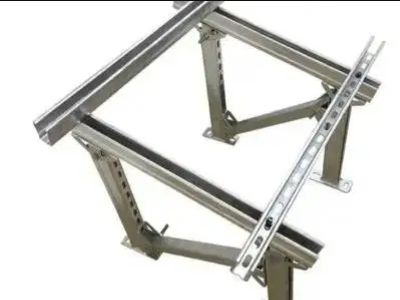
Type of Mounting System: There are different types of mounting&nbs structures—fixed, adjustable, and tracking systems. Fixed mounts are simpler and&nbs more cost-effective,&nbs while tracking systems can optimize energy capture by adjusting the panel angles throughout the day. To enhance your installation, consider using a Solar Mounting System designed for durability and hurricane-grade resilience.

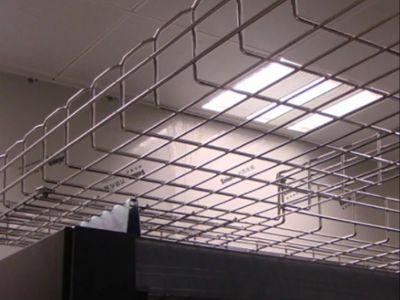
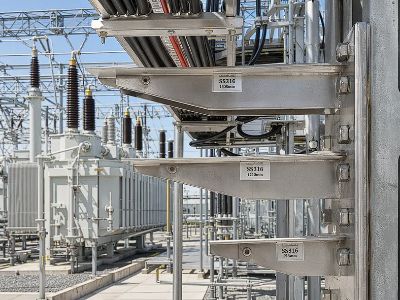
Material Selection: Common materials for mounting structures include aluminum and steel. Aluminum is lighter&nbs and&nbs resistant to corrosion, making it ideal for residential applications. Steel, on the other hand, offers greater strength and durability, suitable for larger installations or areas with extreme weather. For areas with high corrosion risk, utilizing SS316 Cable Tray Bracket can provide additional support.

Load Requirements: Evaluate the load&nbs requirements based on the local weather conditions, including wind and&nbs snow loads. Proper load calculations&nbs will help in selecting a mounting structure that can withstand environmental stresses&nbs without&nbs compromising performance.

Installation Environment: Consider the installation environment—roof-mounted, ground-mounted, or pole-mounted systems require different&nbs designs and considerations. Ensure the structure is compatible&nbs with the specific installation&nbs type.

By understanding these factors, you can&nbs select a&nbs solar mounting structure that meets&nbs your project's requirements while ensuring safety and performance.

Frequently Asked Questions

What solar mounting solutions do you offer for homes?

We provide residential solar mounting structures, C-channel steel supports, finished supports, seismic bracing options and related accessories tailored for rooftop and ground-mounted home systems.
Yes. Our solar mounting systems are designed for various roof types including pitched, flat, and tile roofs with adaptable brackets and mounting options.
Yes. We manufacture seismic bracing systems and reinforced supports to meet structural safety requirements in seismic-prone areas.
We offer custom stamping parts and tailored support components to meet project-specific dimensions, finishes, and load requirements for residential solar installations.
We supply assembly drawings, installation guides, load tables and technical support to installers, plus accessory kits to streamline home solar system installation.

Our Blog Posts

How to Retrofit Existing Unistrut Channel for New Solar Panel Support Systems

25

Sep

How to Retrofit Existing Unistrut Channel for New Solar Panel Support Systems

Retrofitting existing Unistrut channels for new solar panel support systems can be a practical and cost-effective solution for enhancing renewable energy installations. This process involves modifying or upgrading current support structures to accomm...
View More
FRP Cable Tray: Why It Works for Corrosive Environment Solar Installations

25

Sep

FRP Cable Tray: Why It Works for Corrosive Environment Solar Installations

FRP (Fiberglass Reinforced Plastic) cable trays are increasingly recognized as an ideal solution for corrosive environment solar installations, offering a blend of durability, resistance to chemical exposure, and lightweight properties. For B2B buyer...
View More
Cable Trunking vs Cable Tray: How to Make Correct Project Selection

24

Sep

Cable Trunking vs Cable Tray: How to Make Correct Project Selection

Understanding the differences between cable trunking and cable trays is crucial for any B2B buyer in the manufacturing and industrial sectors. This article, "Cable Trunking vs Cable Tray: How to Make Correct Project Selection," aims to clarify the di...
View More
Cable Tray Complete Selection Guide for Large Solar Power Plant Cabling

24

Sep

Cable Tray Complete Selection Guide for Large Solar Power Plant Cabling

When it comes to setting up cabling in large solar power plants, selecting the right cable tray is crucial for ensuring efficiency and safety. The Cable Tray Complete Selection Guide for Large Solar Power Plant Cabling addresses key considerations th...
View More

Get a Free Quote

Our representative will contact you soon.
Email
Mobile/WhatsApp
Name
Company Name
Message
0/1000

Related product categories

Choosing Solar Mounting Structures for Home Projects

Get a Free Quote

Our representative will contact you soon.
Email
Mobile/WhatsApp
Name
Company Name
Message
0/1000