Choosing Durable Pipe Conduit Clamps for Your Projects

Get a Free Quote

Our representative will contact you soon.
Email
Mobile/WhatsApp
Name
Company Name
Message
0/1000

pipe conduit clamp

When it comes to securing pipes  and conduits in various applications, pipe conduit clamps  are essential components that  ensure stability and  safety.  These clamps are used in a  range of industries,  including construction, electrical, and  telecommunications, to manage and  support piping systems. Buyers often have concerns  about the specifications,  material  quality,  and reliability  of suppliers. This article will  guide you through  key considerations for selecting pipe  conduit clamps, helping you  make informed purchasing  decisions.
 

Our Products

Finding Reliable Pipe Conduit Clamp Suppliers

Finding Reliable Pipe Conduit Clamp Suppliers

Identifying trustworthy  suppliers  is essential for maintaining quality in your procurement  process. Here are  some steps to consider:


Check Experience and Reputation:  Look for suppliers with a proven  track record in manufacturing pipe conduit clamps. Experienced manufacturers understand the nuances of material  properties and  production  techniques, which can affect  the final product.

Request Certifications: Ensure that suppliers can provide necessary certifications, which indicate compliance  with industry standards. This may include ISO certifications or material safety data sheets.

Review Customization Capabilities: Many projects require specific clamp designs or sizes. Reliable  suppliers should be able to offer customization options to meet unique  specifications.

Assess Quality Control Processes: Inquire about the  supplier's quality control measures, including testing methods and production tolerances. A robust quality assurance process minimizes defects  and ensures consistency.

Evaluate Customer Feedback: Research reviews and testimonials from  other buyers. Positive feedback regarding  product performance and supplier responsiveness can be  a good indicator of  reliability.
Material Advantages of Using Durable Pipe Conduit Clamps

Material Advantages of Using Durable Pipe Conduit Clamps

The material used in pipe conduit clamps significantly impacts their performance and longevity.

Stainless Steel:  This material is known for its  excellent corrosion resistance,  making it ideal for outdoor applications or environments where moisture is prevalent. Additionally, stainless steel clamps can withstand higher temperatures, which is beneficial in industrial settings.

Galvanized Steel: Often used in construction,  galvanized steel clamps are coated with a layer of zinc to protect against rust.  They balance cost and durability, making  them a popular choice for many applications.

Plastic  Clamps:  These are  lightweight and resistant to certain chemicals, making them suitable for specific environments. They are  often used in residential or  light industrial applications  where weight is a concern.

Aluminum: Lightweight  yet strong, aluminum clamps are corrosion-resistant and can be an excellent choice for  applications requiring ease of handling during installation.

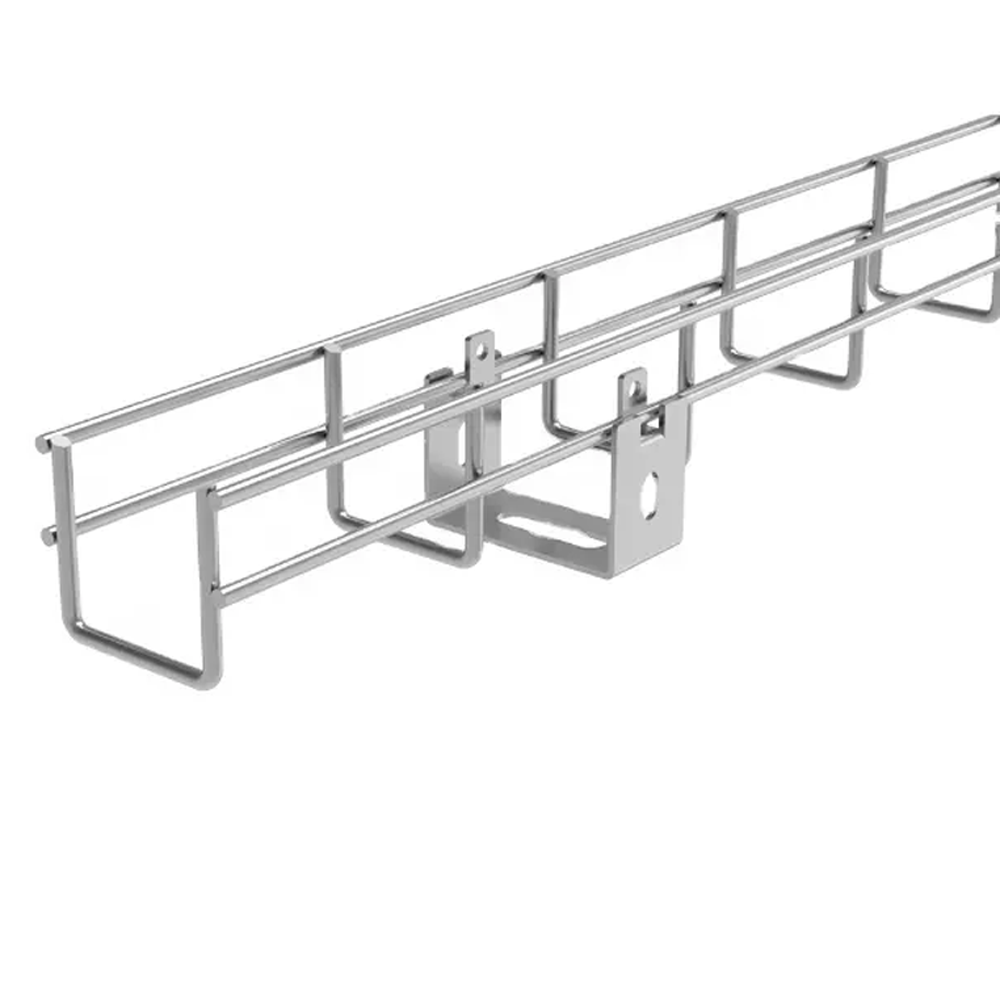
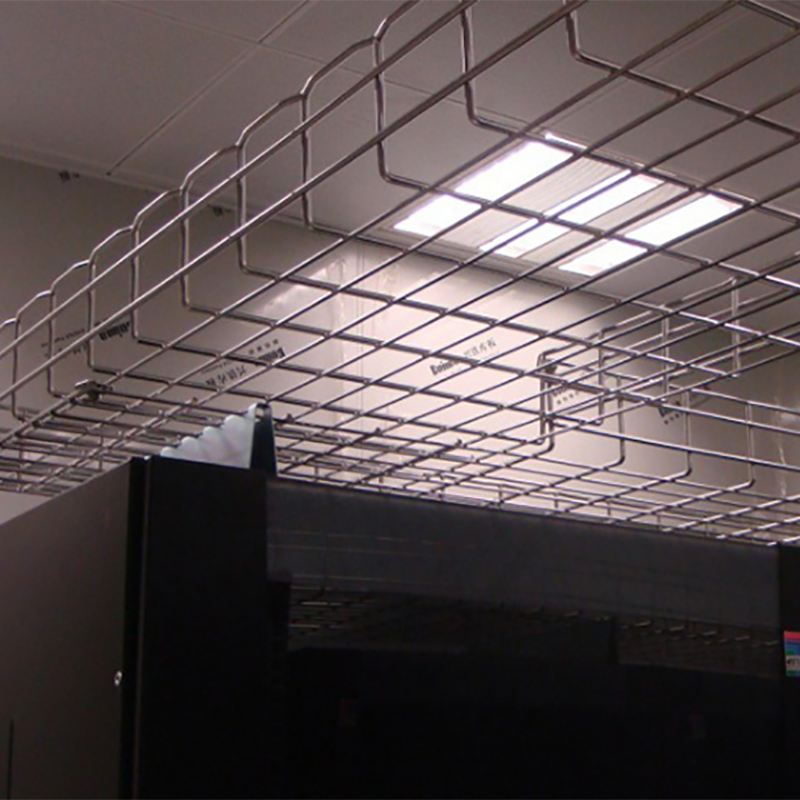
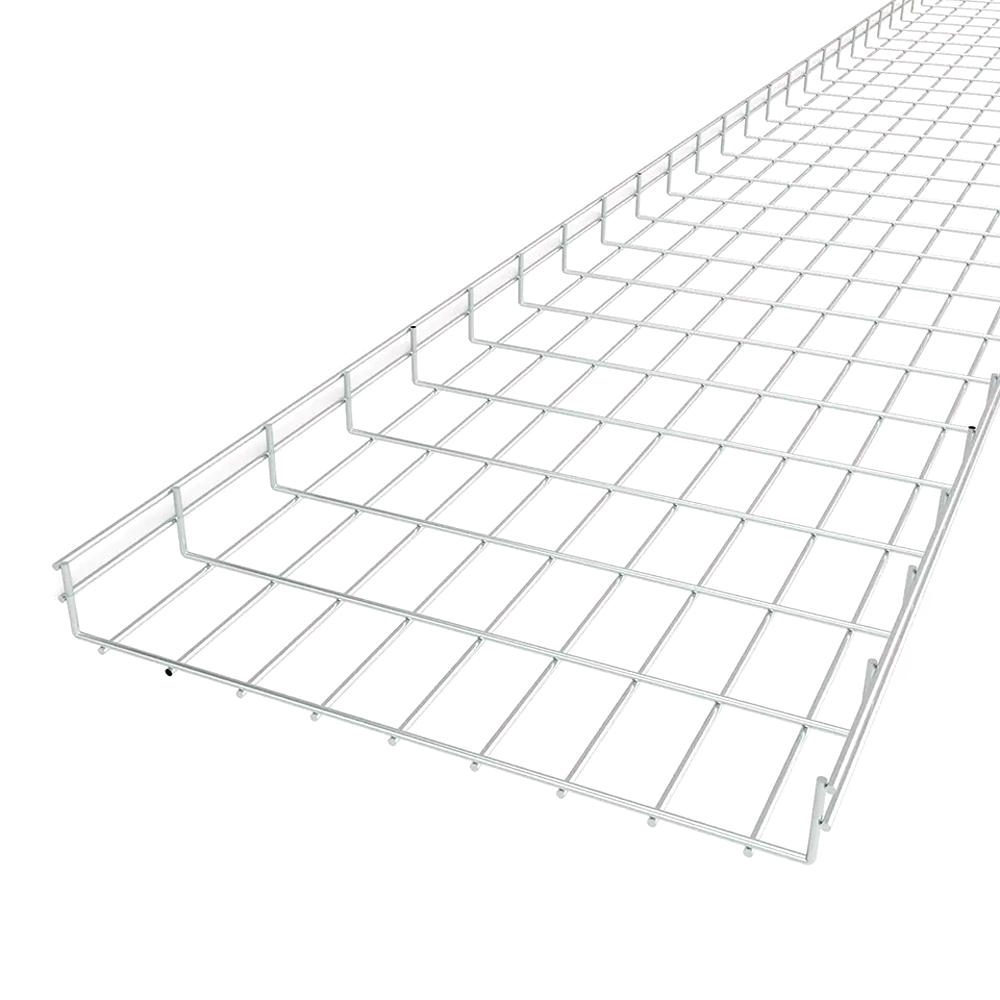
Choosing the  right material for pipe conduit clamps  ensures that they can withstand  the operational stresses and environmental factors  they will  face, prolonging  their service life. For instance, using a Galvanized Steel Wire Mesh Cable Tray can enhance durability in certain environments.

Common Problems with Pipe Conduit Clamps and Their Solutions

Common Problems with Pipe Conduit Clamps and Their Solutions

When using pipe conduit clamps, buyers may encounter several common  issues. Understanding these challenges and their solutions can help minimize disruptions.

Corrosion: If clamps are not made from suitable materials  for their environment, they may corrode over time. To  mitigate this, select clamps made  from  corrosion-resistant  materials, or apply  protective coatings.

Improper Sizing: A frequent issue is using  clamps  that do not fit the pipes correctly. This can lead to inadequate  support and potential pipe damage. Always  verify the pipe diameter and ensure the clamp specifications match.

Installation Errors: Incorrect installation can lead to clamp failure. Ensure  that installation guidelines are followed, and consider training for personnel involved in  the installation process to avoid mistakes.

Fatigue and Wear: Over time, clamps can become loose due to vibrations or thermal expansion. Regular inspections and maintenance should be conducted to ensure clamps remain secure and  functional.


Environmental Damage: Exposure to harsh chemicals or extreme temperatures can degrade materials. Using appropriate  materials  and coatings  can help prevent environmental damage.

By proactively addressing these  issues, buyers can enhance the  reliability and performance of their conduit systems.

What Buyers Need to Know

Before placing an order for pipe conduit clamps, there are several important considerations that buyers should address:

Specifications: Provide  detailed  specifications such  as pipe  size, material  preferences, and load requirements when requesting quotes.

Quantities: Understand your project needs to determine the minimum order  quantity (MOQ)  and how it impacts pricing and lead times.

Sample Approval: Request samples for  critical applications. Conduct testing under real-world conditions  to ensure the clamps meet performance expectations before mass production.

Lead  Times: Discuss production lead  times with  suppliers, especially  if customization is required. This helps in planning project timelines effectively.

Packaging and Shipping: Ensure that  the supplier’s packaging methods protect the clamps during transit. Discuss delivery options to ensure that they align with your project schedule.

By considering these factors, buyers can streamline their  procurement process and make informed decisions that align with their operational needs.

In summary, selecting the right pipe conduit clamps involves understanding specifications, finding  reliable suppliers, choosing appropriate materials,  and being aware of  common issues.  By following these guidelines, buyers can ensure they procure quality products that meet  their project's demands.

Key Specifications to Consider for Pipe Conduit Clamps

When selecting pipe  conduit clamps, several specifications are critical to ensure optimal performance.


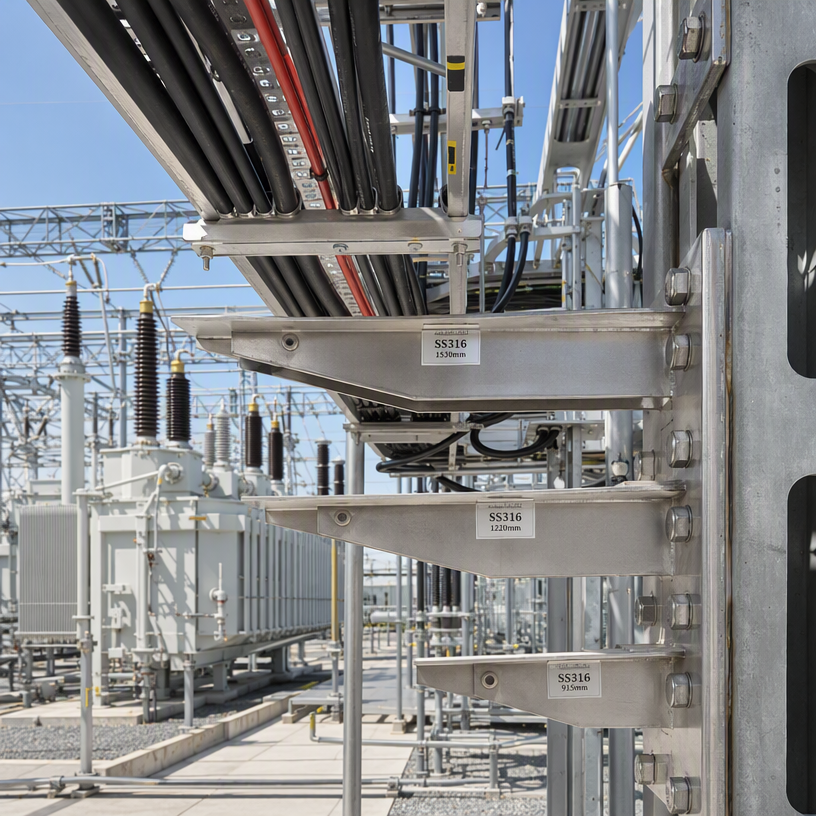
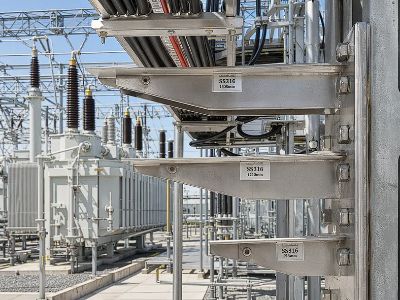
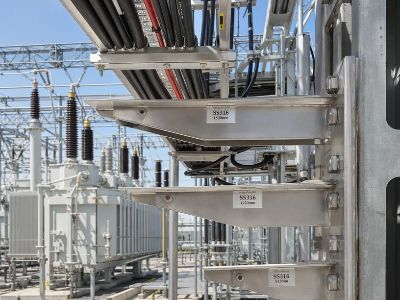
Material: The choice  of material affects durability and corrosion resistance. Common materials include stainless  steel, which offers high resistance to rust and is suitable for outdoor applications, and  carbon steel, which is often treated for enhanced strength. For instance, using SS316 Wire Mesh Cable Tray can provide additional protection in challenging environments.

Size  and  Compatibility: Clamps must match the diameter of the pipes  they secure. Buyers should confirm the required pipe size  and ensure that the  clamp’s design accommodates any thermal expansion or contraction of the  piping system.

Load Capacity: Understanding the weight that the clamp needs to support is vital. Each clamp should  be rated for the  specific load it will encounter in its application to prevent failure.

Installation Type: Consider whether the clamp will be mounted directly to a surface or used in a suspended application. This will influence the  design and  necessary hardware for installation.

Environmental Conditions: If the clamps  are to be  used in harsh environments, such as those exposed  to chemicals  or extreme temperatures, selecting clamps with appropriate coatings or materials is  crucial.

Frequently Asked Questions

What sizes of pipe conduit clamps do you offer?

We provide a range of sizes to fit common conduit diameters from small electrical conduits to larger pipes. Exact size chart is available on request to match your project specifications.
Clamps are manufactured from high-quality steel and treated with finishes such as galvanization or powder coating for corrosion resistance and long service life.
Yes. Our clamps integrate with seismic bracing and support systems, designed to meet heavy-duty and seismic load requirements when specified.
Yes. With appropriate finish options like hot-dip galvanizing or powder coating, the clamps are suitable for outdoor and solar mounting environments.
Yes. We manufacture custom stamped and finished clamps to match specific dimensions, hole patterns, and load requirements for your installation.

Our Blog Posts

Customized Stainless Steel Products for Harsh-Condition Solar & Industrial Works

23

Sep

Customized Stainless Steel Products for Harsh-Condition Solar & Industrial Works

Customized stainless steel products are essential for harsh-condition solar and industrial works, providing both durability and reliability in demanding environments. Buyers often face concerns including material selection, application suitability, a...
View More
How to Retrofit Existing Unistrut Channel for New Solar Panel Support Systems

25

Sep

How to Retrofit Existing Unistrut Channel for New Solar Panel Support Systems

Retrofitting existing Unistrut channels for new solar panel support systems can be a practical and cost-effective solution for enhancing renewable energy installations. This process involves modifying or upgrading current support structures to accomm...
View More
How C-Channel Acts as Backbone for Cable Tray and Pipe Support System

23

Sep

How C-Channel Acts as Backbone for Cable Tray and Pipe Support System

C-channel steel plays a crucial role in supporting cable tray and pipe support systems, acting as a backbone that enhances structural integrity and efficiency. In the realm of manufacturing and industrial applications, buyers often seek reliable supp...
View More
Cable Trunking vs Cable Tray: How to Make Correct Project Selection

24

Sep

Cable Trunking vs Cable Tray: How to Make Correct Project Selection

Understanding the differences between cable trunking and cable trays is crucial for any B2B buyer in the manufacturing and industrial sectors. This article, "Cable Trunking vs Cable Tray: How to Make Correct Project Selection," aims to clarify the di...
View More

Get a Free Quote

Our representative will contact you soon.
Email
Mobile/WhatsApp
Name
Company Name
Message
0/1000

Related product categories

Choosing Durable Pipe Conduit Clamps for Your Projects

Get a Free Quote

Our representative will contact you soon.
Email
Mobile/WhatsApp
Name
Company Name
Message
0/1000