High-Quality Conduit Strap Clamps for Wholesale Orders

Get a Free Quote

Our representative will contact you soon.
Email
Mobile/WhatsApp
Name
Company Name
Message
0/1000

conduit strap clamp

Conduit strap  clamps are  essential components  used in securing  electrical conduits,  ensuring stability and safety in  both commercial and industrial applications.  As B2B buyers, purchasing managers, and engineers consider these  products, it's crucial to  evaluate their quality, materials, and installation methods  to  ensure  they meet specific application requirements. This article will help you navigate  the complexities  of  conduit strap  clamps, addressing key concerns such as  quality evaluation, installation guidance,  material advantages, common problems, and cost factors influencing  your purchase. For instance, materials like stainless steel in products such as SS316 Wire Mesh Cable Tray — Marine-Grade Stainless Steel Cable Management for Offshore & Coastal Installations are essential for durability.
 

Our Products

Top Suppliers of Durable Conduit Strap Clamps for Bulk Orders

Top Suppliers of Durable Conduit Strap Clamps for Bulk Orders

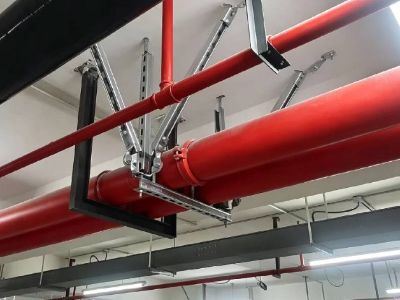
Correct installation of conduit strap clamps is vital to ensure  their  effectiveness and longevity. First, identify the surface where the clamp will be mounted. For concrete  or masonry surfaces, ensure that you use appropriate anchors to secure the clamp firmly. In contrast, for wooden surfaces,  wood screws may suffice.

When  installing the clamp, position it around the conduit and  secure it snugly without over-tightening, which could damage the conduit or  the clamp itself. In  environments subject  to vibration or movement, consider using additional supports  or securing methods to  prevent loosening over time.  It's also crucial  to follow any  specific installation instructions provided by the manufacturer, as  these will offer guidance tailored to  that specific  product.

For  applications with varying temperature and environmental conditions, consult with the manufacturer about the suitability of the  clamp  material and design. This can prevent issues such as material fatigue, corrosion, or failure under load.
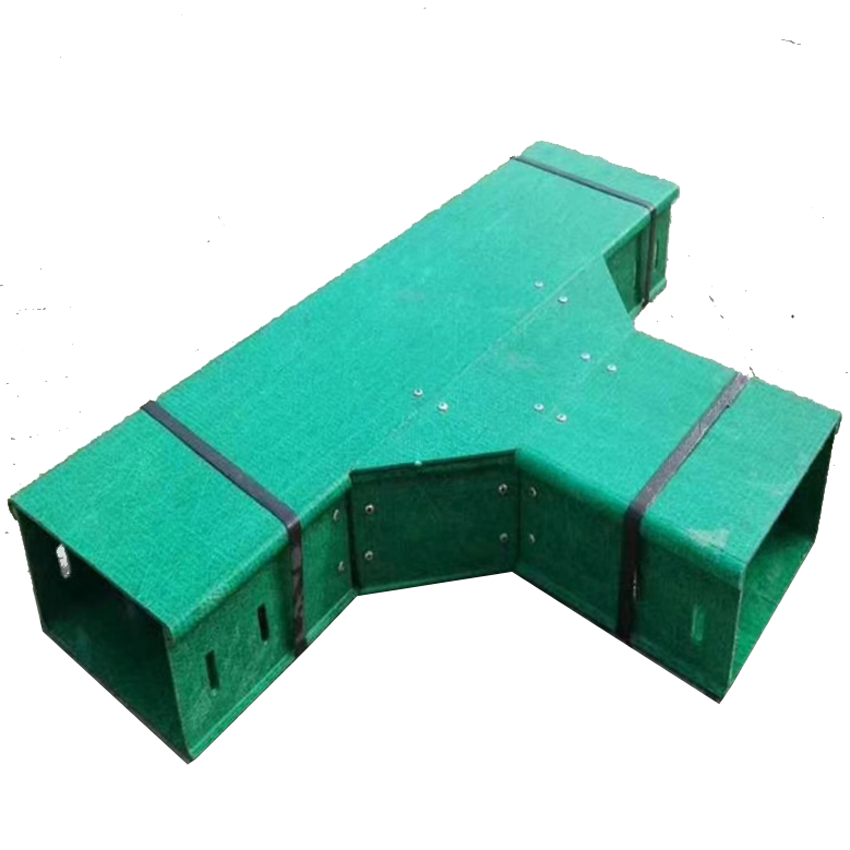
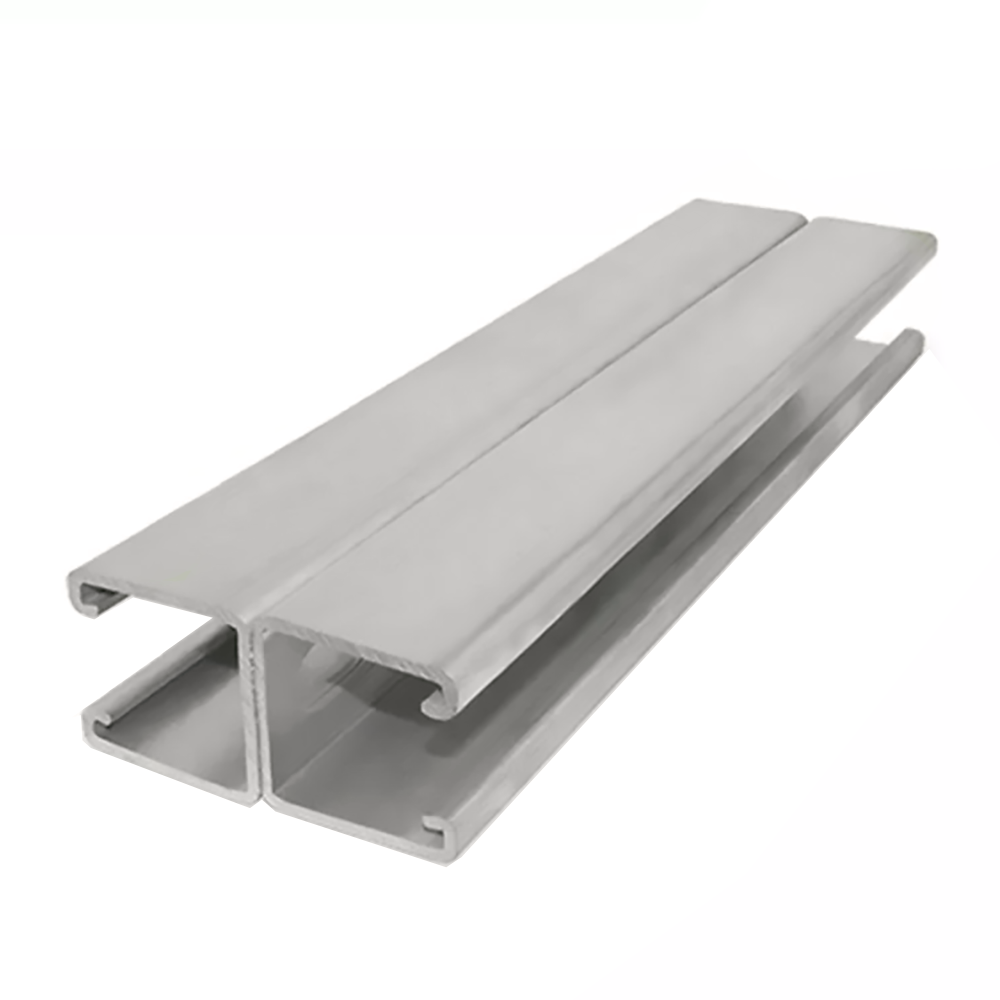
Which is Best?

Which is Best?

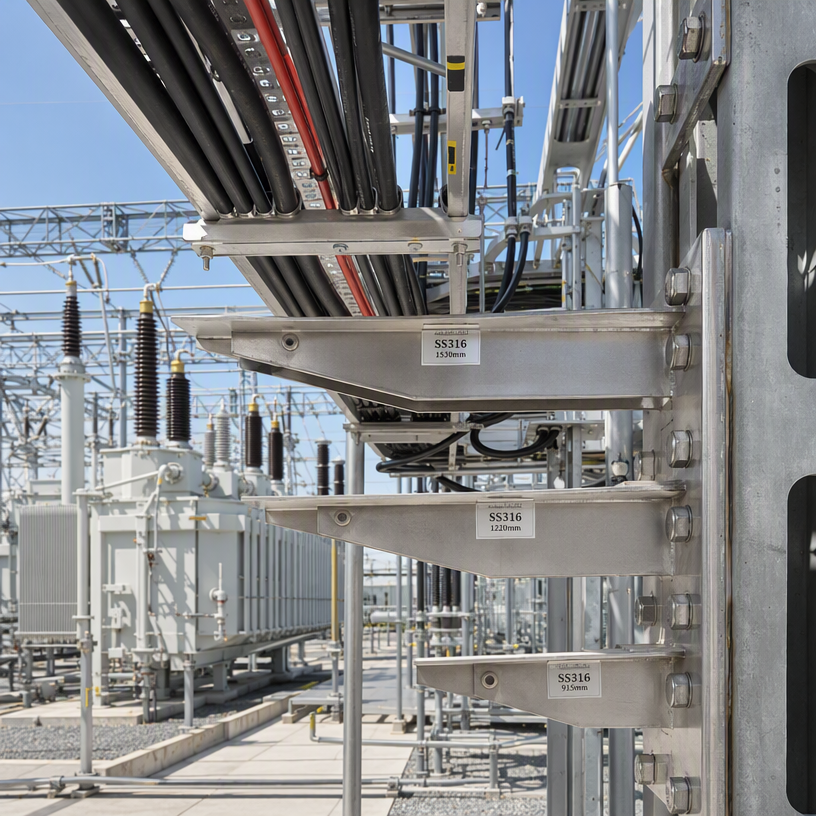
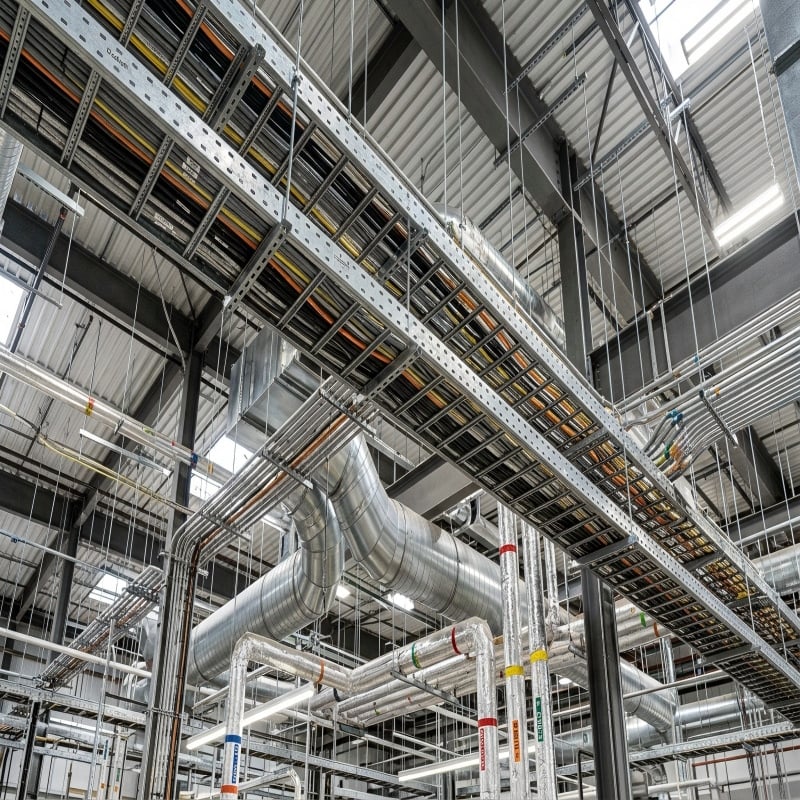
The material  of  conduit strap clamps significantly affects their performance and suitability for specific applications. Steel clamps, particularly  those with a galvanized or stainless finish, provide  excellent strength and resistance to  corrosion,  making them ideal for outdoor or  high-humidity environments. They can withstand higher  loads, making them suitable for heavy-duty applications, such as those outlined in the Qinkai Heavy-Duty Industrial Cable Tray System.

Plastic clamps, on the other hand, are lightweight and resistant  to corrosion, making them a viable option for applications where electrical insulation is required. However, they  may not support as much weight as metal  clamps and are more susceptible to  UV degradation over time, which could limit  their  application in direct sunlight.

Aluminum clamps offer a balance of strength and weight, providing good corrosion resistance while remaining lightweight. They are often used in  applications where weight savings are critical, such as  in overhead installations. Ultimately, the choice  of material should be  guided by the specific  demands of your application, including load  requirements, environmental conditions, and installation constraints.

Installation Guidance for Conduit Strap Clamps in Various Applications

Installation Guidance for Conduit Strap Clamps in Various Applications

Several common issues can arise with conduit  strap  clamps,  but understanding  these challenges allows for effective solutions. One frequent problem is clamp loosening over time due to vibrations or thermal expansion and contraction. To mitigate this, ensure that clamps are installed with the appropriate torque and consider using locking mechanisms or additional fasteners  in high-vibration  environments.

Another issue is corrosion, particularly in outdoor  applications.  Selecting clamps made from corrosion-resistant materials is essential,  and regular  inspections should be conducted to identify any signs of wear  or damage. If  corrosion is detected, replace the affected clamps immediately  to maintain system integrity.

Finally, improper  sizing can lead  to inadequate support or damage to  the conduit  itself. Always verify that the selected clamp size matches the conduit diameter and application specification. When in doubt, consult with  your supplier to confirm the correct dimensions and  load ratings for your application.


Evaluating the Quality of Conduit Strap Clamps for Long-Term Use

The cost of conduit strap clamps can vary significantly based on several factors. Material choice  is one of the  most significant  influences on price.  For example, stainless steel  clamps tend to  be  more expensive than plastic or galvanized options due to their superior durability and  corrosion resistance.

Another factor  is the manufacturing process. Clamps produced through advanced  manufacturing techniques may carry a higher upfront  cost but can result in better quality and longer lifespan, potentially leading to lower replacement and maintenance costs over time.  

Additionally,  bulk purchasing can often yield cost savings, but be mindful of  minimum order quantities (MOQs)  that may be set by the  manufacturer. Lastly, consider  the total cost of ownership, including installation and maintenance,  when  evaluating the  price of conduit strap clamps. This holistic approach will help ensure that you  make a cost-effective decision that aligns with your operational needs.

Wholesale Options for High-Quality Conduit Strap Clamps

When evaluating conduit strap  clamps for wholesale orders, focus  on several critical  attributes that influence their performance and  reliability. First,  consider the material used in manufacturing.  High-quality clamps  are typically made from corrosion-resistant materials such as stainless steel or galvanized steel, which enhance durability and longevity. Look for clamps that meet industry standards or certifications, as these indicate a baseline level of quality and  reliability.

Next, review the design features.  A well-designed conduit strap  clamp should provide  a secure grip  while allowing for easy installation and adjustments. Pay attention to the thickness of the material; thicker clamps generally offer better strength and resistance to  deformation. Additionally,  inspect  the finish; a smooth, even surface  can prevent corrosion  and  ensure  proper function over time. Lastly, always request samples to assess the product physically, ensuring it meets your  specifications before placing a larger order.

Frequently Asked Questions

What is a conduit strap clamp used for?

A conduit strap clamp secures electrical conduit or cables to walls, trays, or supports, preventing movement and ensuring neat, safe routing within cable management systems.
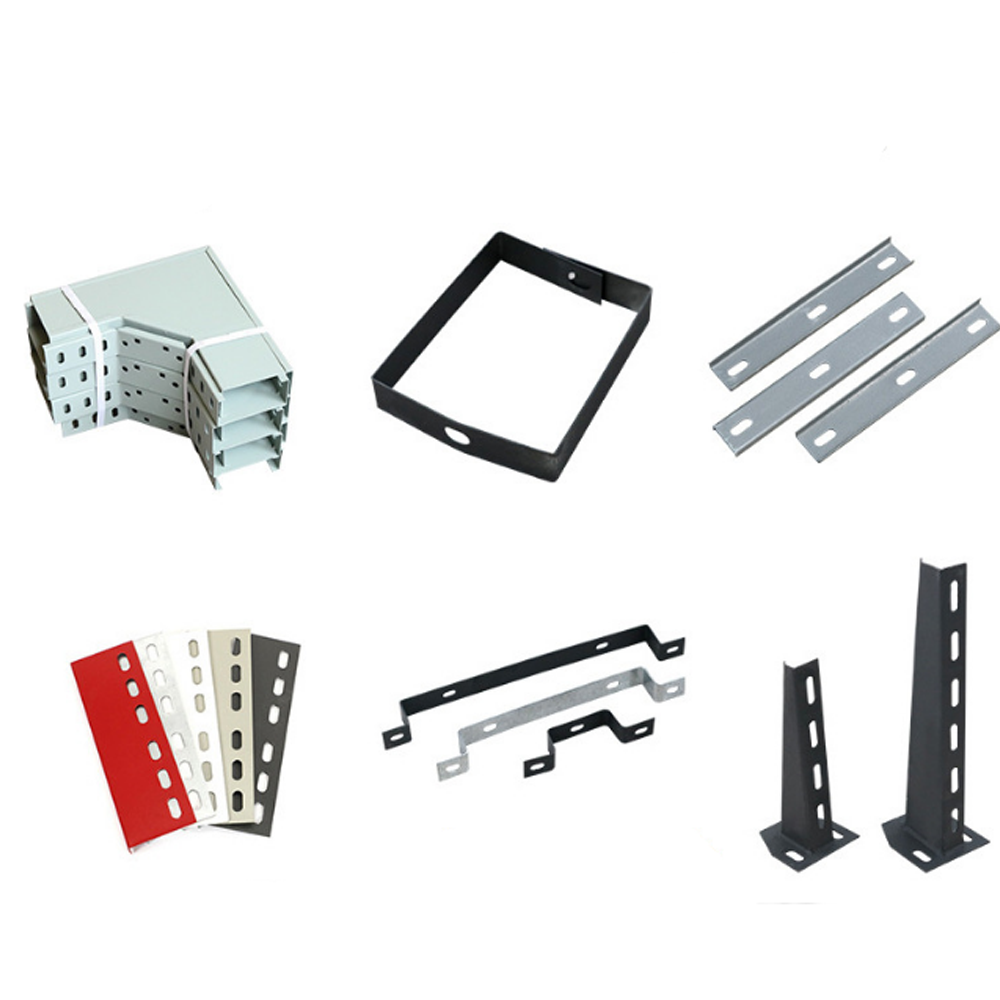
We offer conduit strap clamps in galvanized steel, stainless steel, and pre-painted finishes to suit corrosion resistance and project specifications.
Clamps are available in multiple diameters to fit common conduit sizes and can be customized to match our cable trays, C-channels, and support systems.
Yes. We provide custom stamping and design options for seismic bracing and solar mounting compatibility to meet specific structural and regulatory needs.
Contact our sales team with project details and required quantities. We will provide datasheets, material certificates, and lead times tailored to your application.

Our Blog Posts

Customized Stainless Steel Products Lead Time and Project Procurement Advice

22

Sep

Customized Stainless Steel Products Lead Time and Project Procurement Advice

Customized stainless steel products are vital components in various industries, from construction to electronics. Buyers often seek to understand lead times and project procurement advice to ensure they meet project deadlines and specifications. This...
View More
Aluminum Track for Solar: Adjustability Advantage for Tracking PV Systems

23

Sep

Aluminum Track for Solar: Adjustability Advantage for Tracking PV Systems

Aluminum tracks for solar applications are critical components of photovoltaic (PV) systems, allowing for optimal solar panel positioning to maximize energy capture. The adjustability advantage of aluminum tracks enhances the efficiency of solar trac...
View More
Pipe Support Installation Safety Guidelines for Industrial Construction

22

Sep

Pipe Support Installation Safety Guidelines for Industrial Construction

Proper installation of pipe supports is critical in industrial construction for ensuring the safety and integrity of piping systems. The Pipe Support Installation Safety Guidelines for Industrial Construction help buyers, project managers, and engine...
View More
Solar Panel Support Design: Critical Factors for Long-Term PV Stability

28

Sep

Solar Panel Support Design: Critical Factors for Long-Term PV Stability

The design of solar panel support systems is crucial for ensuring the long-term stability and efficiency of photovoltaic (PV) installations. Understanding the critical factors that influence solar panel support design can help purchasing managers, en...
View More

Get a Free Quote

Our representative will contact you soon.
Email
Mobile/WhatsApp
Name
Company Name
Message
0/1000

Related product categories

High-Quality Conduit Strap Clamps for Wholesale Orders

Get a Free Quote

Our representative will contact you soon.
Email
Mobile/WhatsApp
Name
Company Name
Message
0/1000