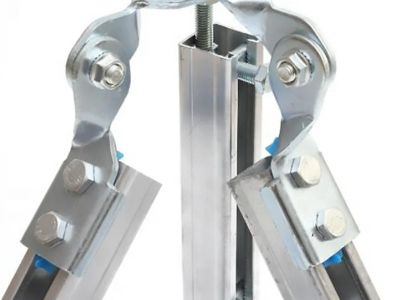
Conduit Trunking: Selection and Installation Guide

Get a Free Quote

Our representative will contact you soon.
Email
Mobile/WhatsApp
Name
Company Name
Message
0/1000

conduit trunking

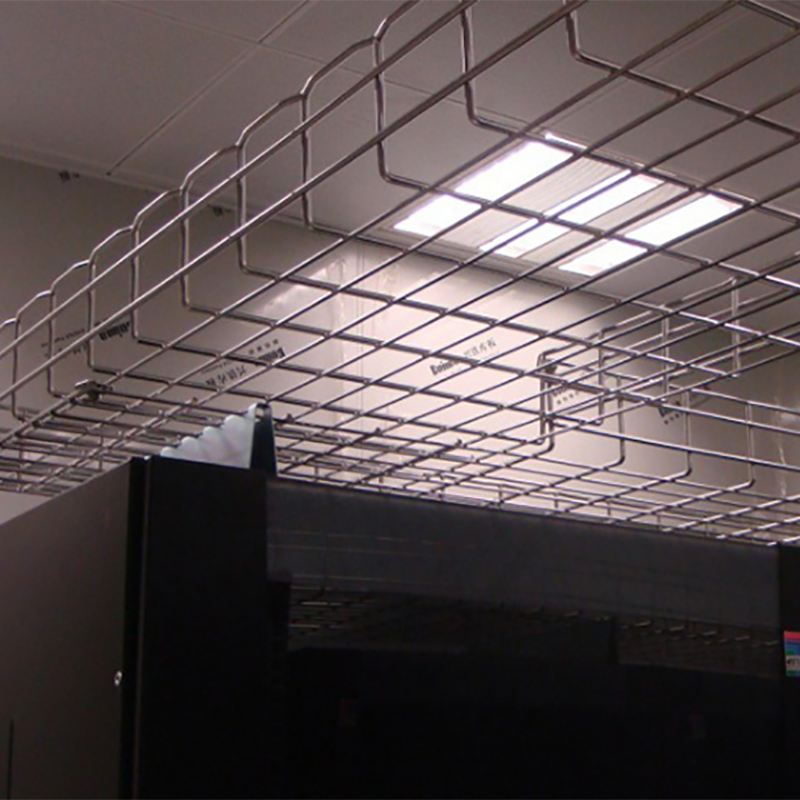
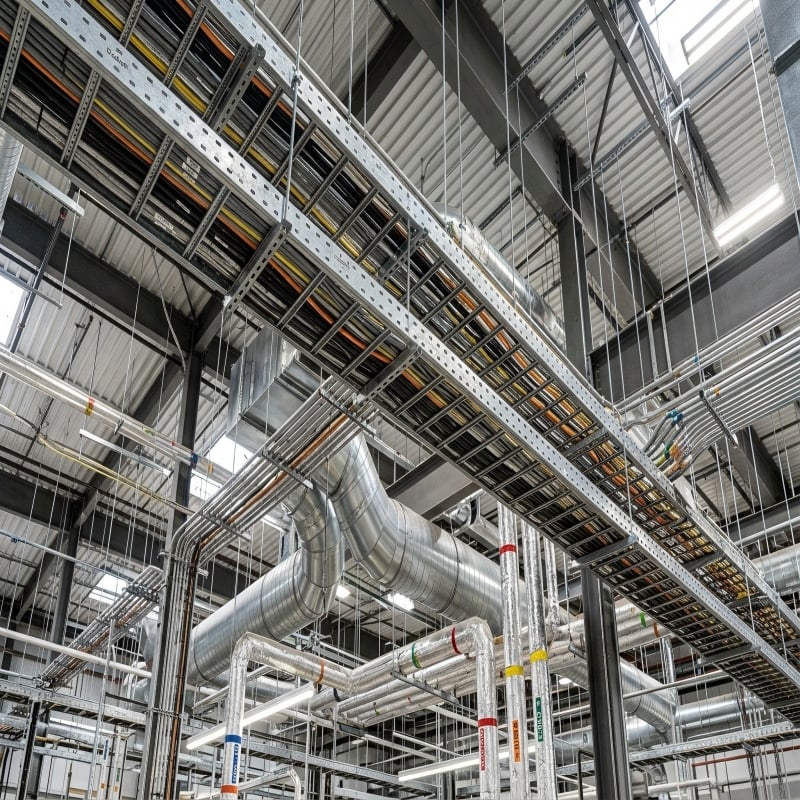
Conduit  trunking is  a crucial component  in electrical installations,  providing an  organized  pathway for wiring and cabling  systems. As B2B buyers, including purchasing managers and engineers, consider  conduit trunking  for  their projects,  they often focus  on  specifications,  quality standards, and  installation practices.  This article will  guide you  through selecting the right  conduit trunking, understanding wholesale  options, ensuring quality standards are met, and addressing common installation issues.
Our Products

Conduit Trunking Options for Wholesale Buyers

Conduit Trunking Options for Wholesale Buyers

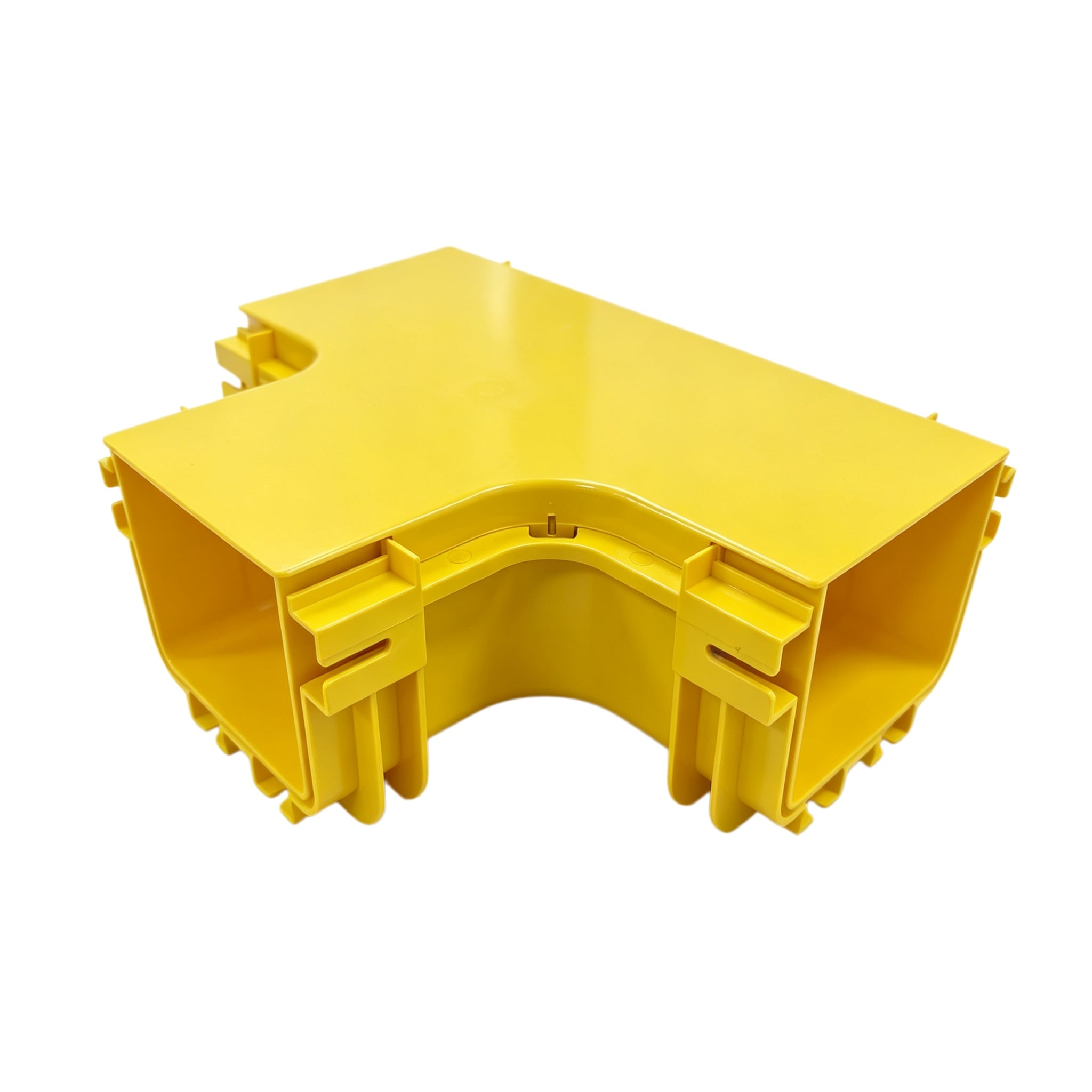
For wholesale buyers, understanding  the variety of conduit trunking options  available is crucial for  making informed  purchasing decisions.  Shanghai Qinkai Industry Co., Ltd. offers a diverse range of conduit trunking solutions tailored to different  applications. Buyers should consider the following when evaluating options:

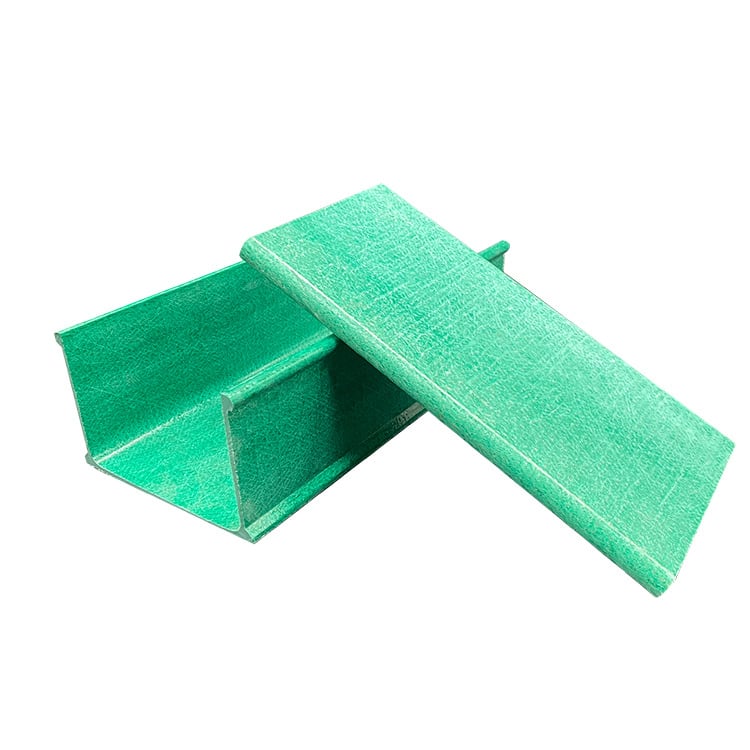
Material  Types:  Assess whether metal or PVC conduit trunking is more suitable for your projects. Metal options typically offer  better strength and longevity, while PVC is lightweight and corrosion-resistant.

Customizability: Many manufacturers, including Shanghai Qinkai, provide customization capabilities. Buyers should inquire about options  for specific lengths, colors, and additional features to meet unique project requirements.

Minimum Order Quantities (MOQ):  Different suppliers  may have varying MOQs.  Understanding  these requirements can help optimize costs and manage  inventory  more effectively.

Pricing and Lead Times: Request quotations based on your specific needs, including quantity, material,  and customizations. Be sure  to clarify lead times,  especially for customized orders, as  this can significantly impact project timelines.
Understanding the Quality Standards of Conduit Trunking Materials

Understanding the Quality Standards of Conduit Trunking Materials

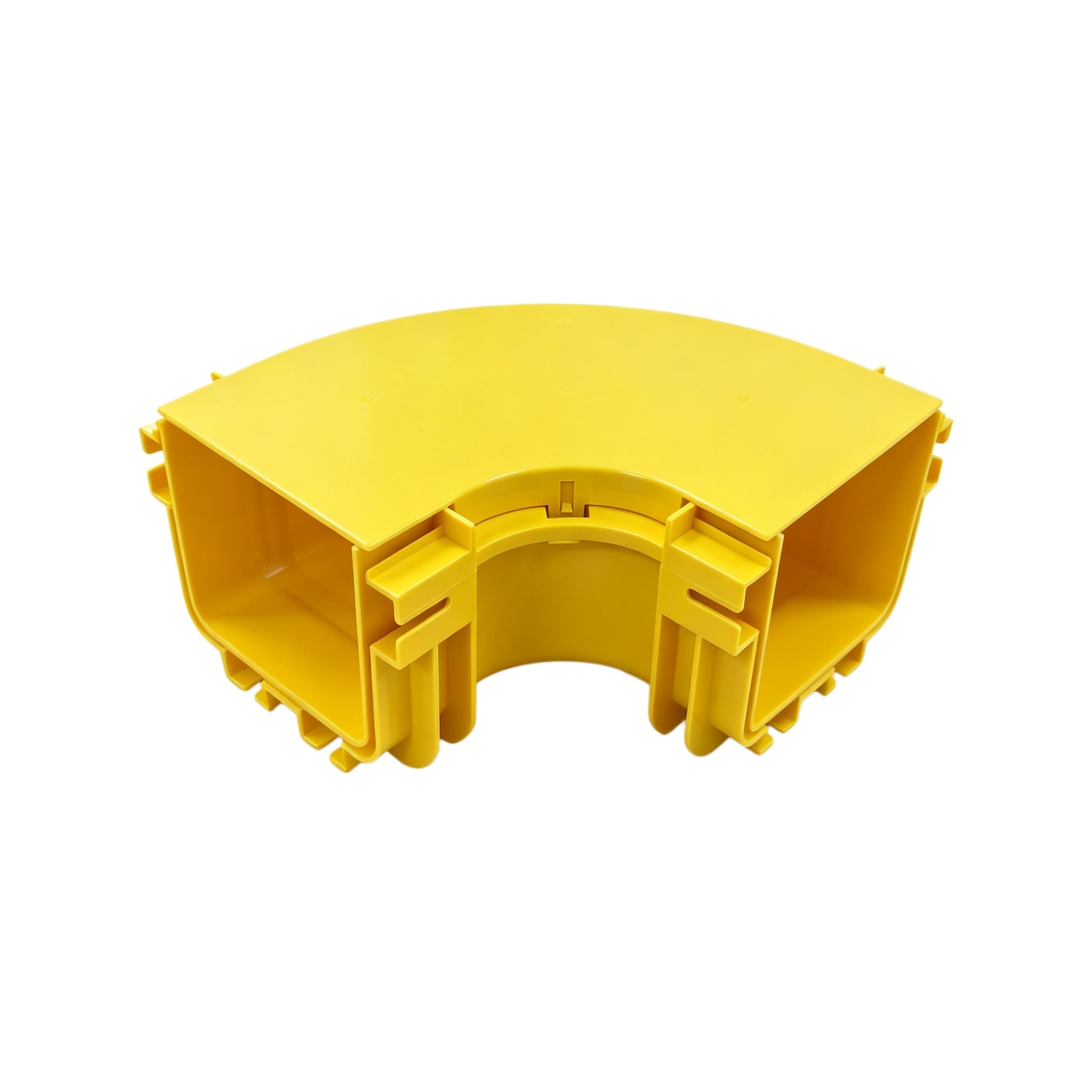
Quality standards for conduit  trunking  materials are  vital for  ensuring  reliability and safety in electrical installations.  Common specifications to consider include:

Material Compliance: Ensure that the trunking meets relevant industry standards, such as UL (Underwriters Laboratories) certification for safety and performance. This ensures that the materials can withstand the necessary electrical loads and environmental  conditions.

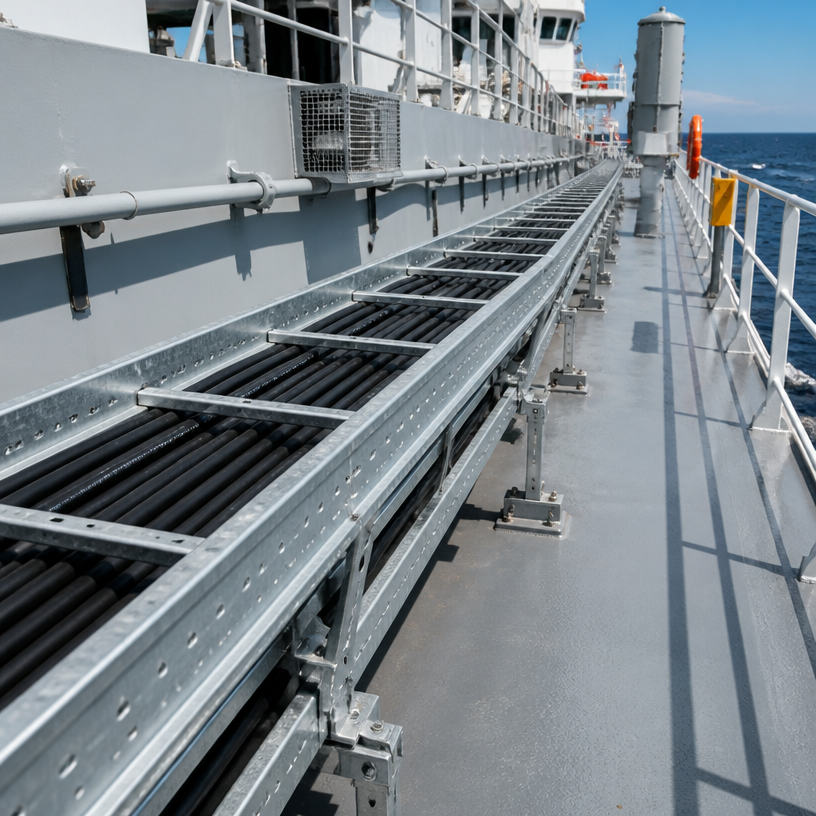
Thickness and Durability: The  thickness  of the conduit trunking directly  affects its durability and load-bearing capacity. Thicker materials generally offer greater  strength, making  them  suitable for heavy-duty applications. Consider using our HDG Cable Ladder for heavy-duty installations.

Surface  Treatment: Many metal  trunking solutions undergo surface treatments to enhance corrosion resistance.  Buyers should confirm the type of treatment used and ensure it  aligns with the intended  installation environment.

Quality Control Processes: Inquire about the manufacturer’s  quality control measures. A reputable supplier will  have established procedures for testing materials and finished products to ensure compliance with specified standards.

Installation Guidance for Efficient Conduit Trunking Systems

Installation Guidance for Efficient Conduit Trunking Systems

Efficient installation  of conduit trunking  is key to  ensuring a functional and safe  electrical  system.  Here are some practical  tips:

Preparation: Before installation, review  the project plans and ensure that  all necessary materials, tools, and equipment are on hand. This includes brackets, screws, and any required  fittings.

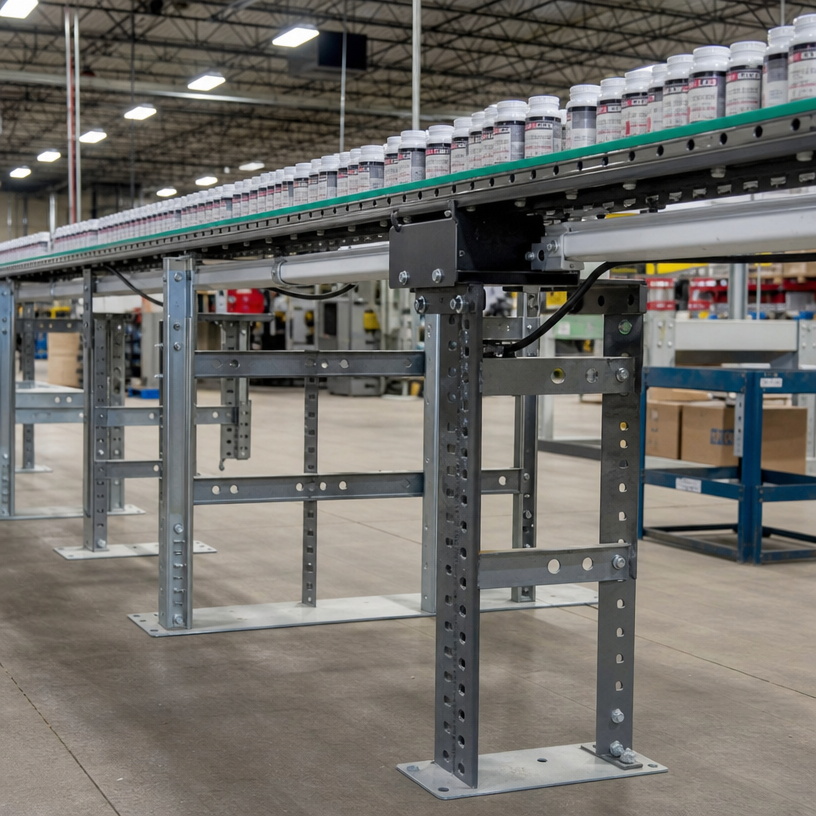
Mounting: Follow the manufacturer’s guidelines for spacing and  securing trunking to walls or ceilings. Proper mounting  is crucial to prevent sagging and maintain structural integrity.

Cable Management: When placing cables within the trunking, ensure they are organized and not  overcrowded. This helps with heat  dissipation and provides room for  future modifications.

Inspection  and Testing: After installation, conduct a thorough inspection to ensure that all connections are secure and  that the trunking is  installed correctly. Testing the entire electrical system  before finalizing the project can  prevent costly rework.

Common Problems with Conduit Trunking and Their Solutions

Despite careful planning, common  problems can arise with conduit  trunking installations. Here are a few  issues and  their solutions:

Overheating: If  cables are overcrowded within the trunking, it can lead  to overheating. Ensure that the conduit is  appropriately sized for the number  and type of cables and allow  for adequate  airflow.

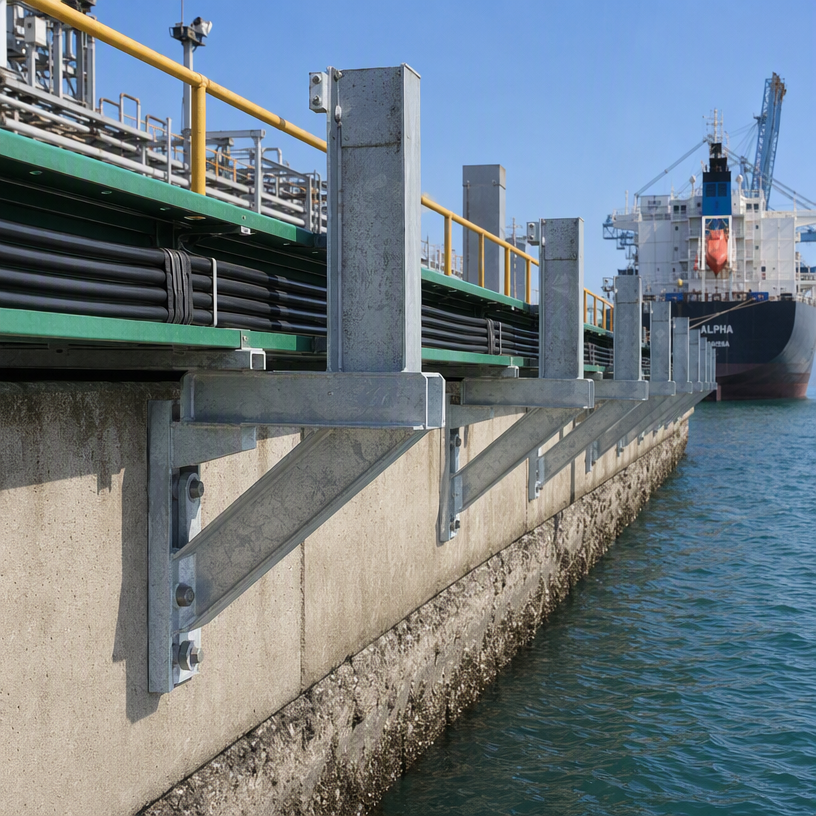
Corrosion: Metal trunks can suffer from corrosion if not  treated properly. Regular inspections can help identify early signs of corrosion, and using appropriately  coated materials can  mitigate  this risk. For marine environments, consider our Marine-Grade FRP Cable Tray to enhance durability.

Improper Mounting: Failure to secure the trunking correctly can lead to sagging or separation from the wall. Double-check mounting brackets and ensure they are installed according to the  manufacturer's specifications.

Accessibility Issues: If trunking is installed in hard-to-reach areas, it  can complicate maintenance and future upgrades. Consider accessibility during  the planning stage and design the layout to facilitate easy access.

By  understanding these common issues and their solutions, B2B buyers can  ensure the longevity and effectiveness of  their conduit trunking systems.

How to Choose the Right Conduit Trunking for Your Project Needs

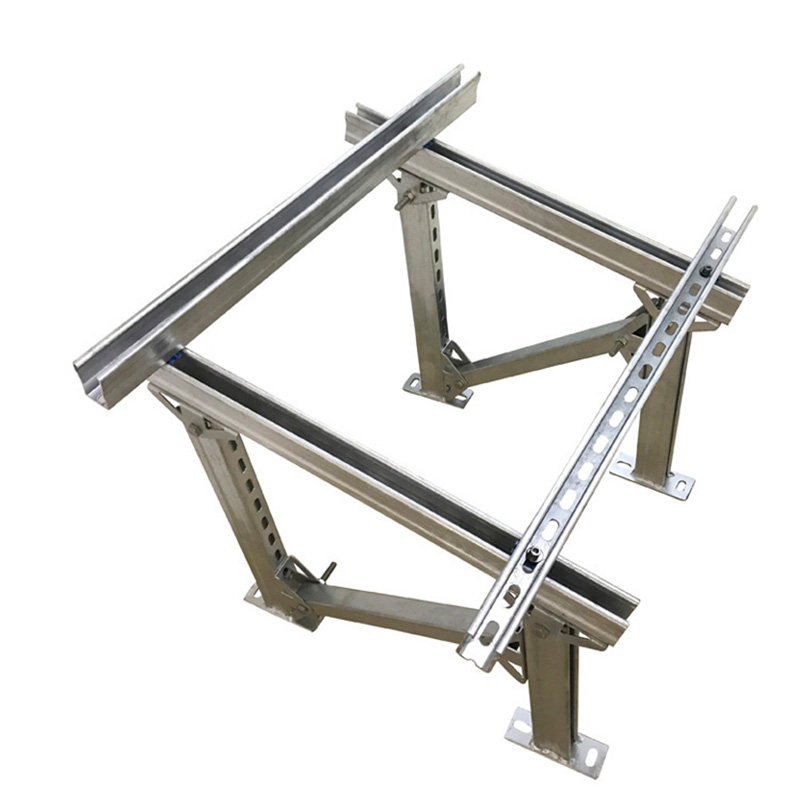
Selecting the appropriate  conduit trunking  involves several key considerations. First, identify the specific application  and environmental conditions the  trunking  will be exposed to. Common material choices include PVC and  metal, each offering  differing levels of durability, chemical resistance, and temperature tolerance. For instance,  metal  trunking, often preferred in industrial  environments,  provides superior strength and can withstand harsher conditions. For projects that require robust support systems, consider our SS316 Cable Tray Bracket for optimal durability.

Next, consider the dimensions and layout of the installation. The  size of  the conduit trunking should align  with  the volume and type of cables being housed, ensuring  adequate space  for heat dissipation and future expansion. Consult with your manufacturer about standard dimensions and any customization options available.

Lastly, evaluate any additional features that may enhance functionality, such as integrated mounting  systems or modular designs. These  can facilitate easier installation and maintenance in the long run.


Frequently Asked Questions

What is conduit trunking used for?

Conduit trunking routes and protects electrical cables in industrial and commercial settings, improving organization, safety, and maintenance access.
Common materials include galvanized steel, stainless steel, and aluminum, chosen for strength, corrosion resistance, and application requirements.
Yes. Our trunking is compatible with C-channel steel, finished supports, seismic bracing, and solar mounting accessories for seamless system integration.
Yes. We provide custom lengths, widths, and stamped parts to meet specific project needs and manufacturing tolerances.
We adhere to industry manufacturing standards, quality controls, and produce products designed for durability, safety, and long-term performance.

Our Blog Posts

Complete Hardware Glossary: Solar Mounting, Pipe Supports and Cable Management Parts

21

Sep

Complete Hardware Glossary: Solar Mounting, Pipe Supports and Cable Management Parts

Understanding the components of solar mounting structures, pipe supports, and cable management parts is crucial for professionals in the manufacturing and construction industries. This complete hardware glossary will provide insights into evaluating ...
View More

Get a Free Quote

Our representative will contact you soon.
Email
Mobile/WhatsApp
Name
Company Name
Message
0/1000

Related product categories

Conduit Trunking: Selection and Installation Guide

Get a Free Quote

Our representative will contact you soon.
Email
Mobile/WhatsApp
Name
Company Name
Message
0/1000