EN
EN
Conduit trunking is a crucial component in electrical installations, providing an organized pathway for wiring and cabling systems. As B2B buyers, including purchasing managers and engineers, consider conduit trunking for their projects, they often focus on specifications, quality standards, and installation practices. This article will guide you through selecting the right conduit trunking, understanding wholesale options, ensuring quality standards are met, and addressing common installation issues.
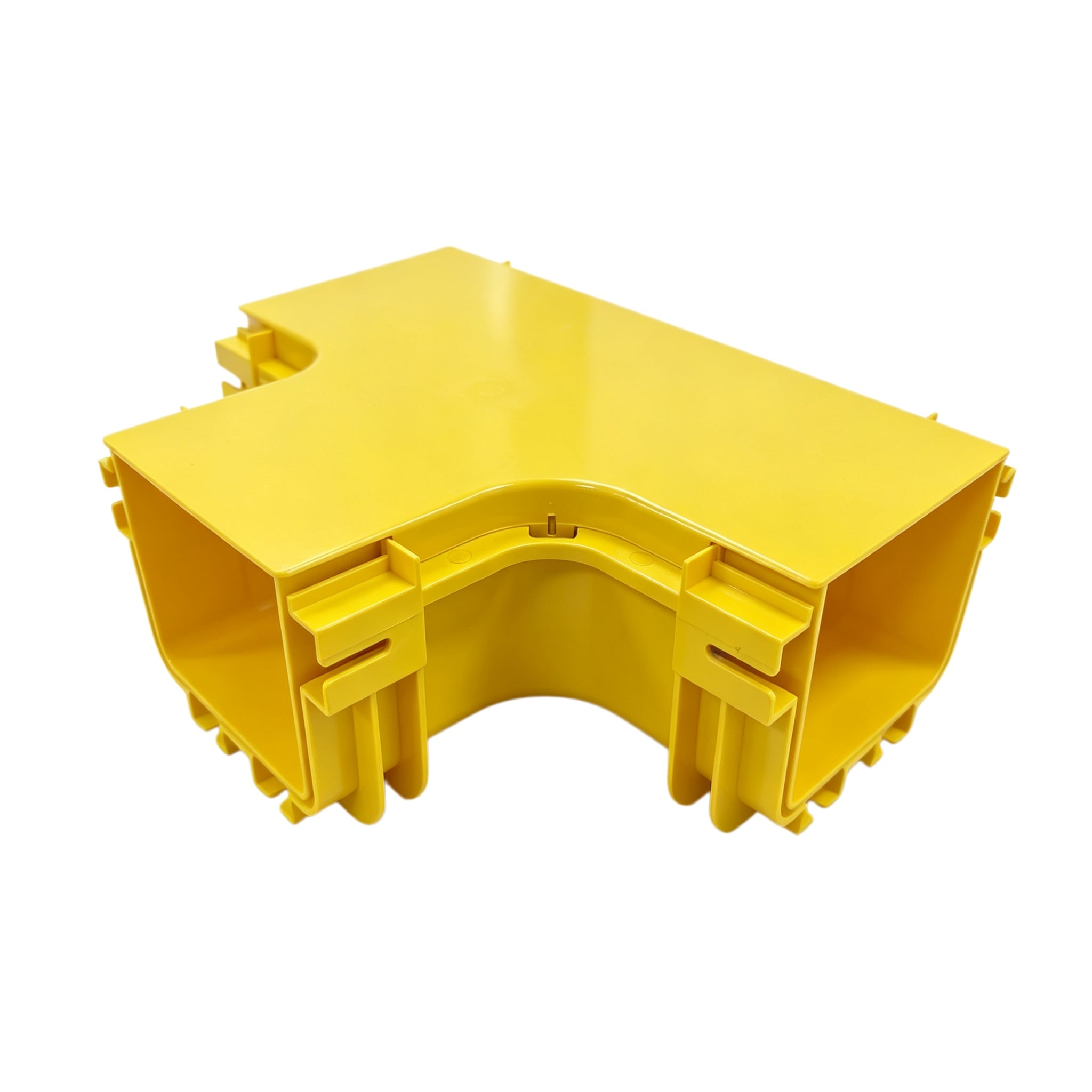
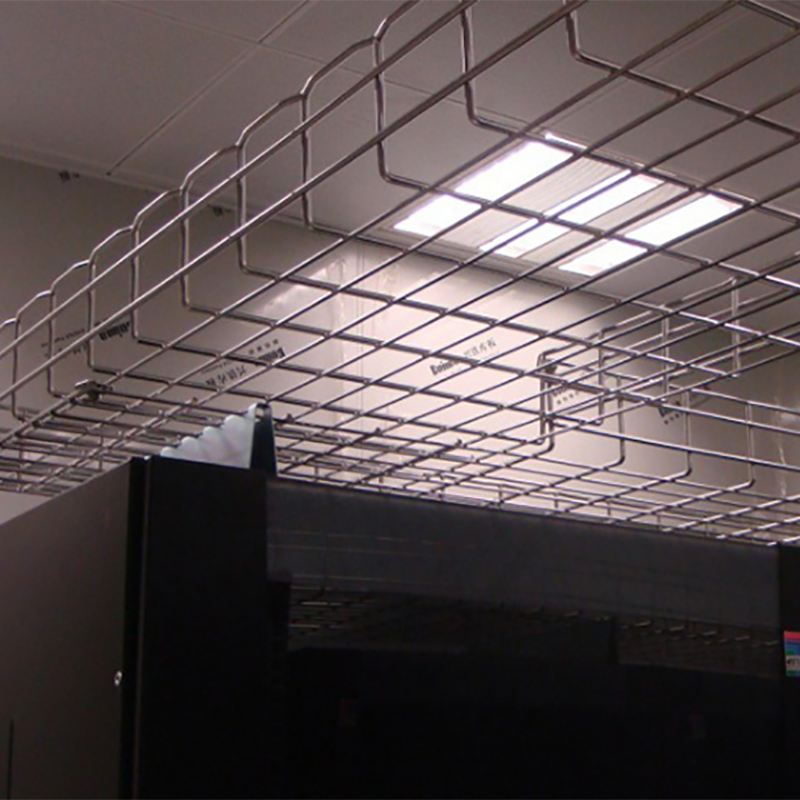
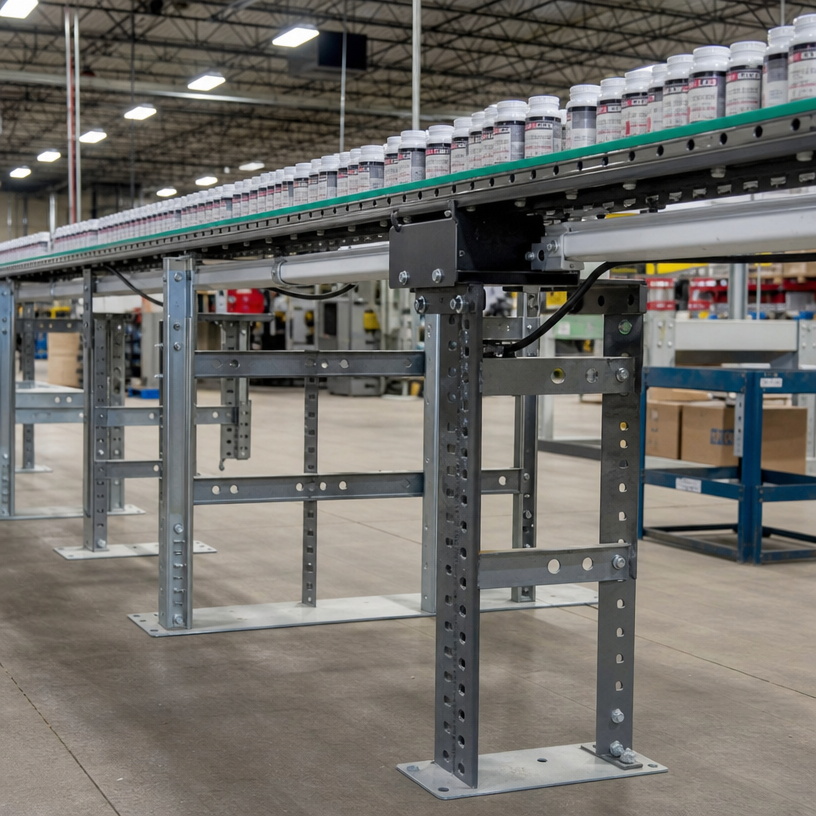
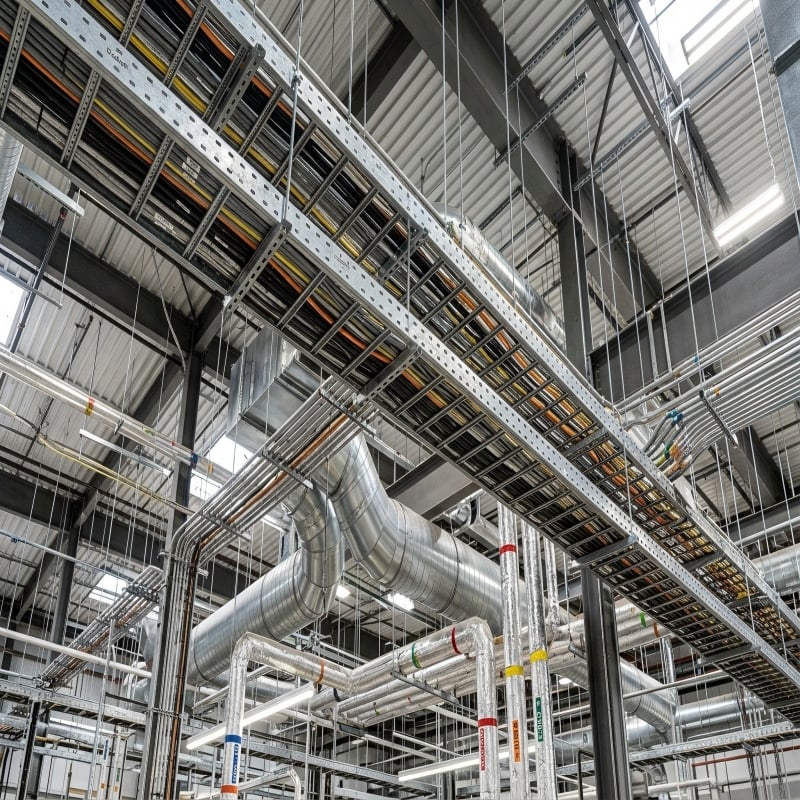
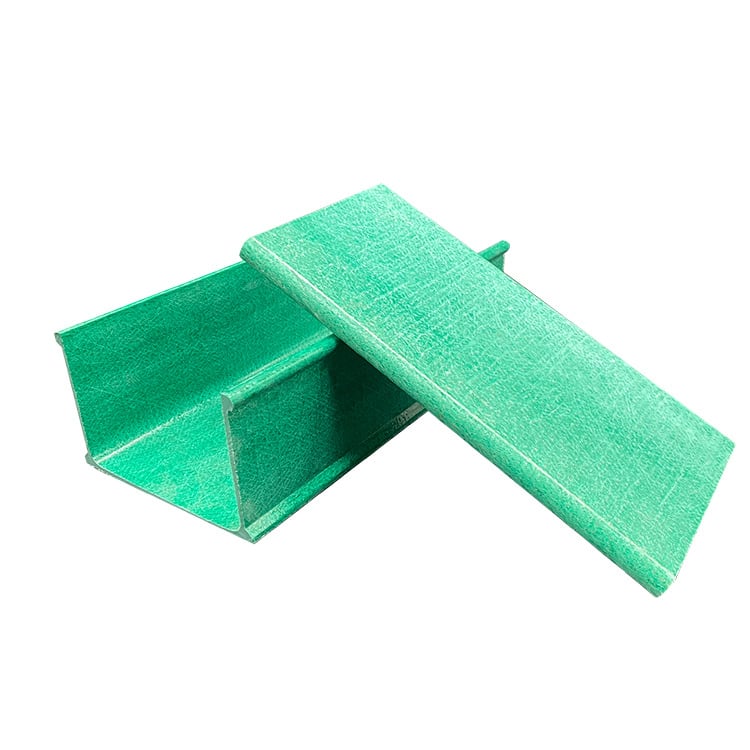
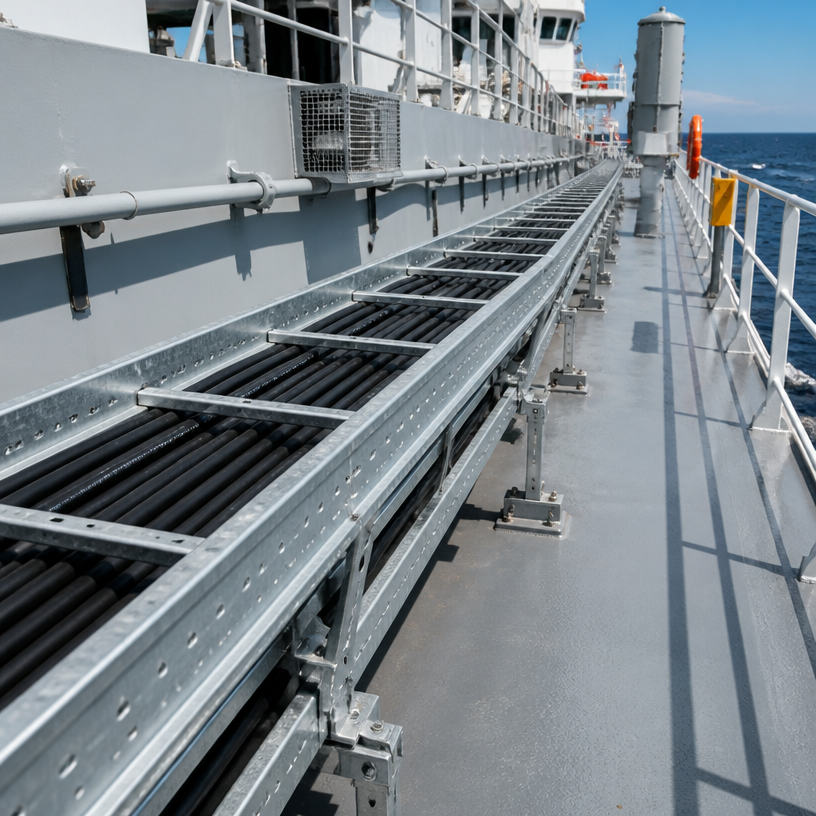
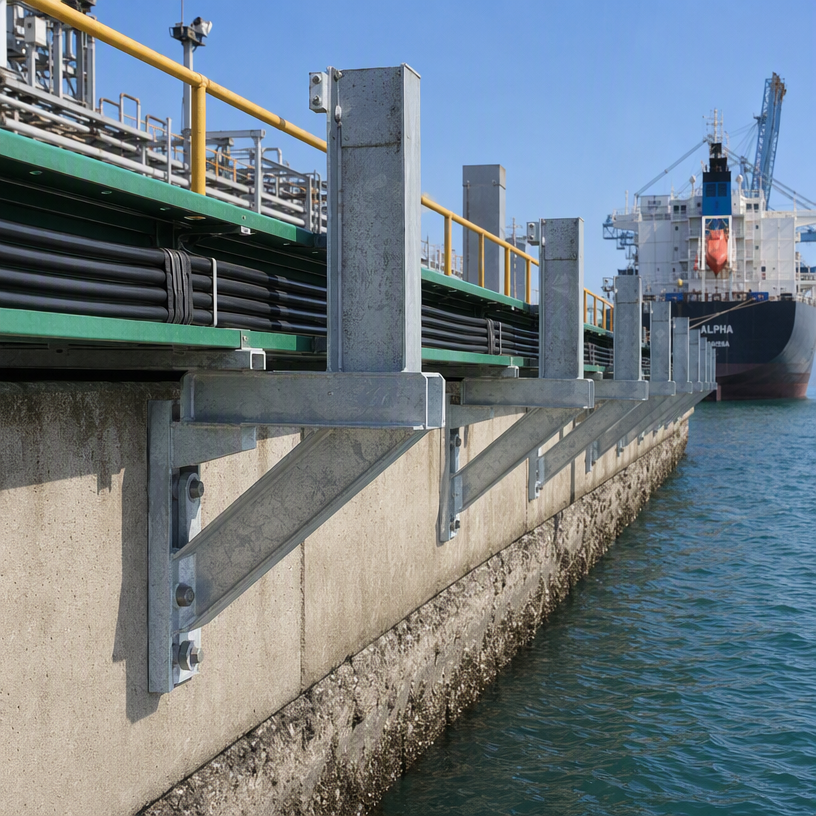
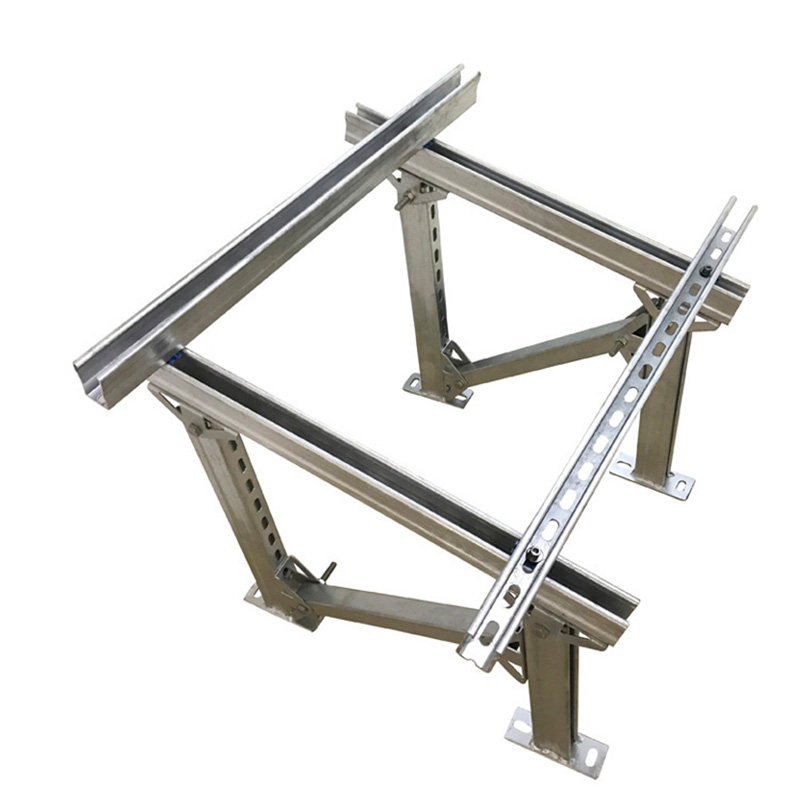
Conduit Trunking Options for Wholesale Buyers
For wholesale buyers, understanding the variety of conduit trunking options available is crucial for making informed purchasing decisions. Shanghai Qinkai Industry Co., Ltd. offers a diverse range of conduit trunking solutions tailored to different applications. Buyers should consider the following when evaluating options:
Material Types: Assess whether metal or PVC conduit trunking is more suitable for your projects. Metal options typically offer better strength and longevity, while PVC is lightweight and corrosion-resistant.
Customizability: Many manufacturers, including Shanghai Qinkai, provide customization capabilities. Buyers should inquire about options for specific lengths, colors, and additional features to meet unique project requirements.
Minimum Order Quantities (MOQ): Different suppliers may have varying MOQs. Understanding these requirements can help optimize costs and manage inventory more effectively.
Pricing and Lead Times: Request quotations based on your specific needs, including quantity, material, and customizations. Be sure to clarify lead times, especially for customized orders, as this can significantly impact project timelines.