EN
EN

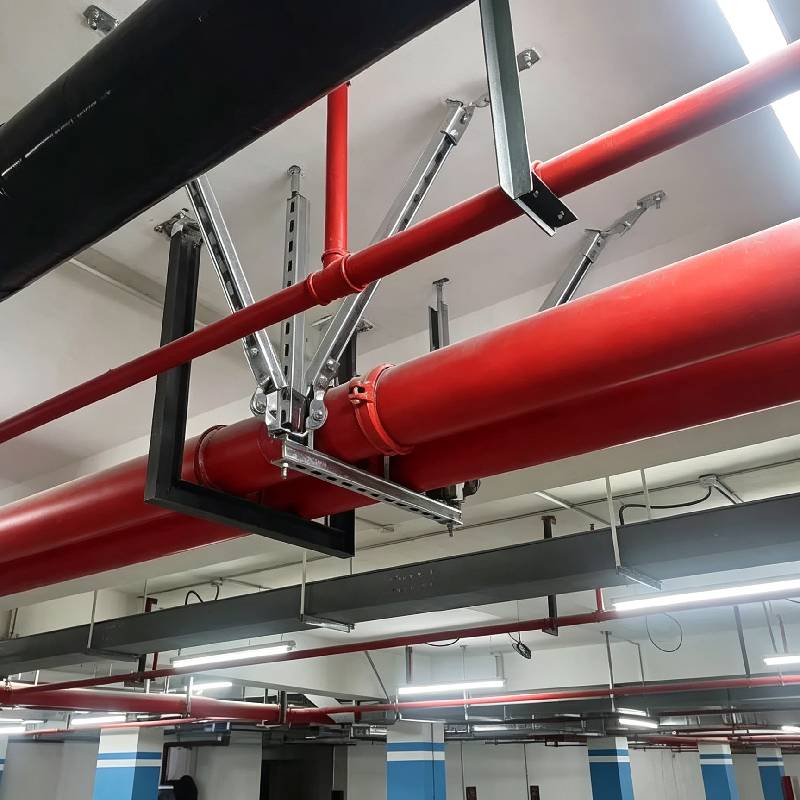
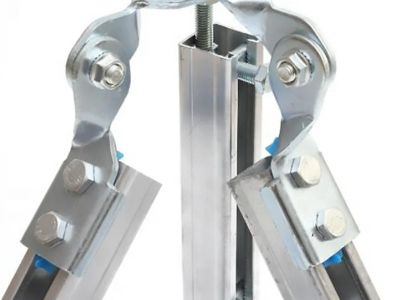
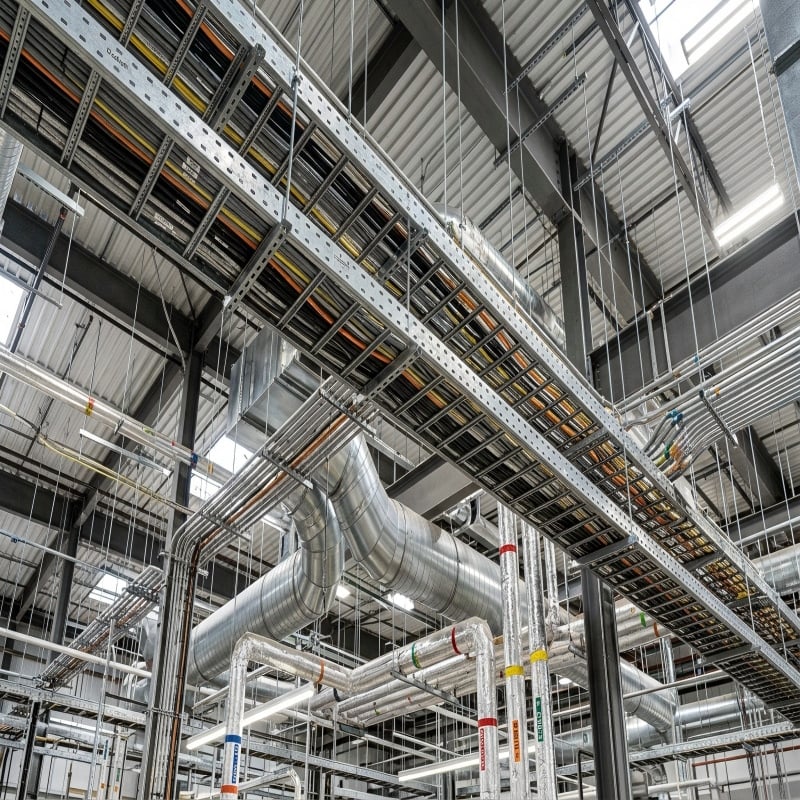
Unistrut aluminum is a versatile and durable framing system used widely in various industries for mounting, supporting, and securing equipment. When selecting the right unistrut aluminum, B2B buyers often face concerns such as compatibility with existing systems, load-bearing capabilities, and overall quality assurance. This article will guide you through essential factors to consider when choosing unistrut aluminum, focusing on specifications, installation guidance, and effective usage to help you make informed decisions.
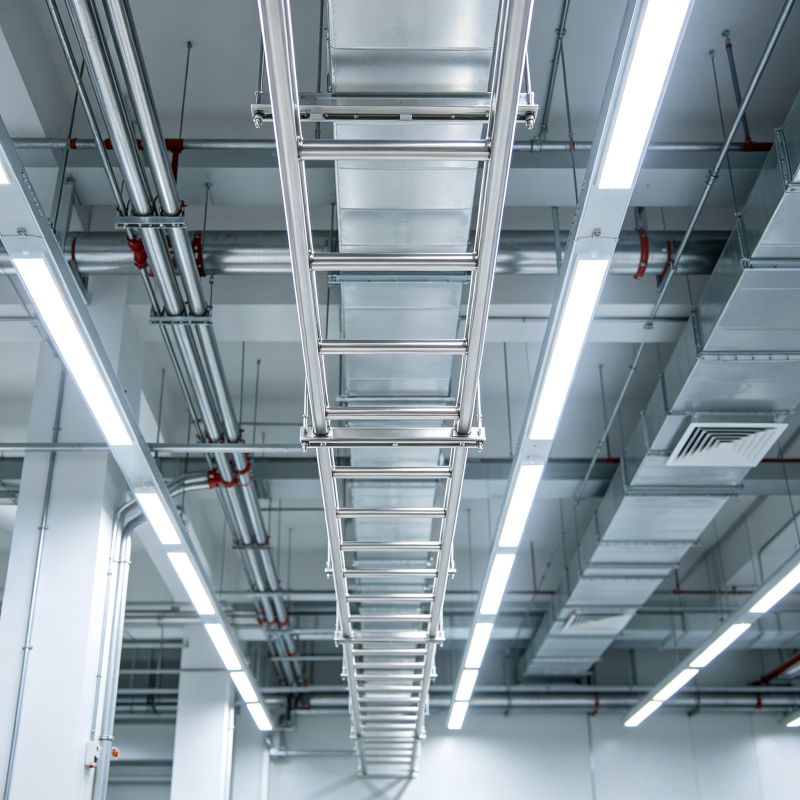
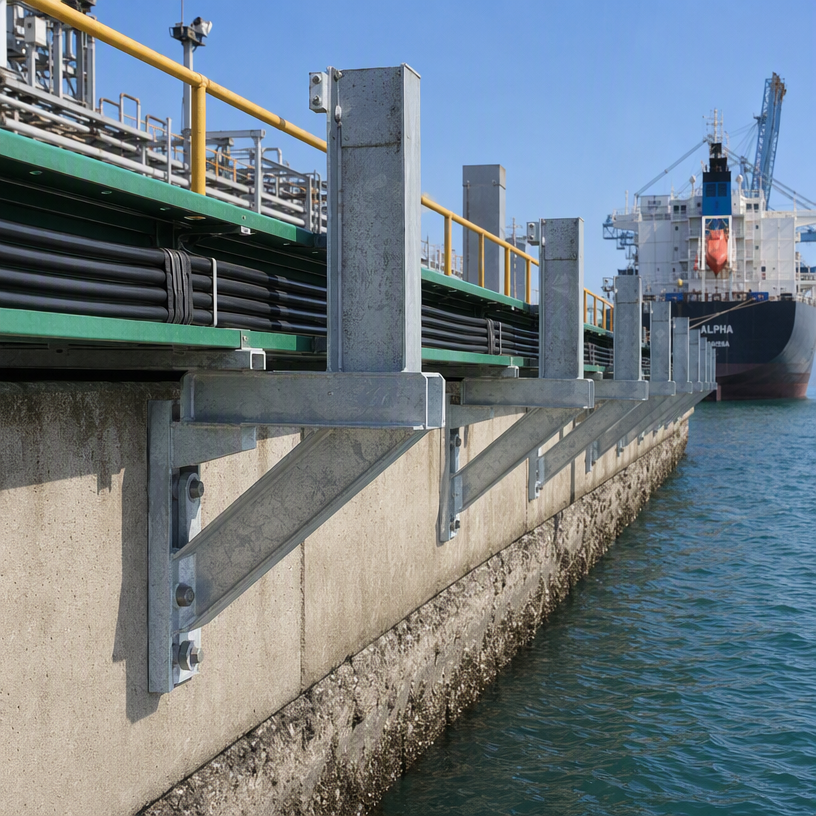

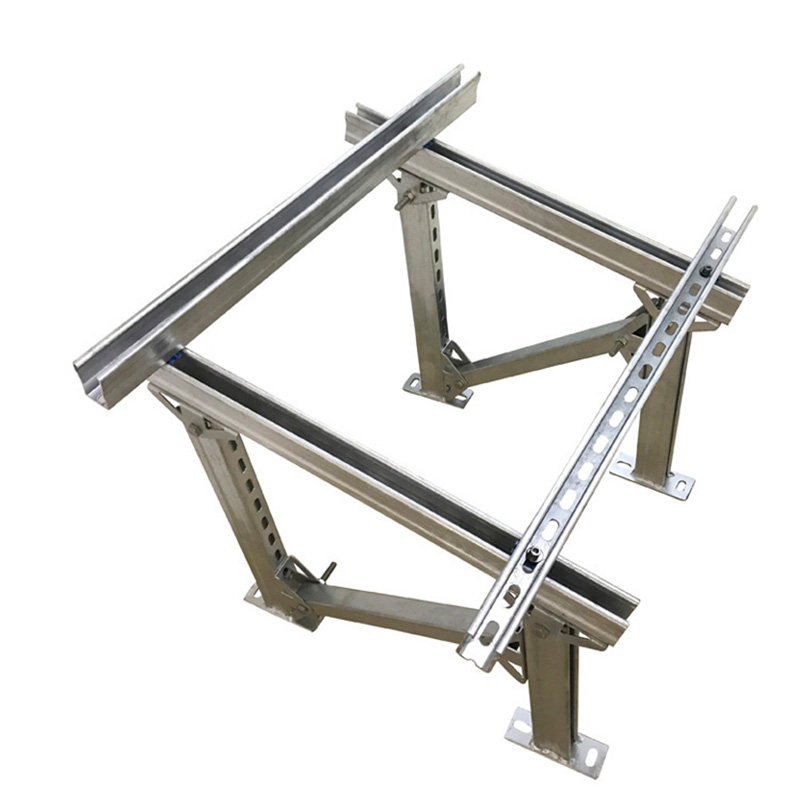
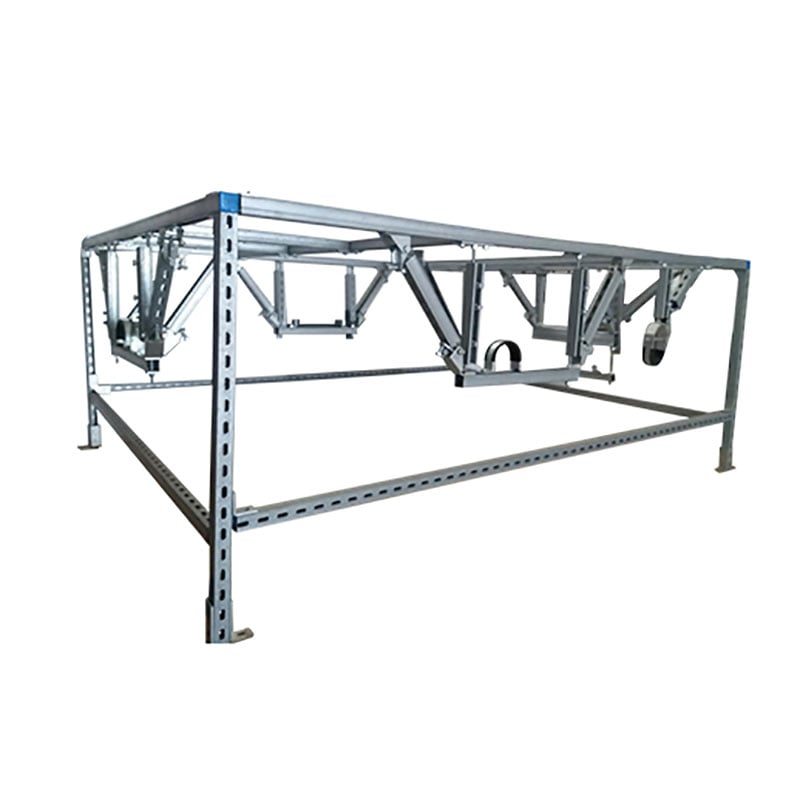
Key Specifications of Unistrut Aluminum for Quality Assurance
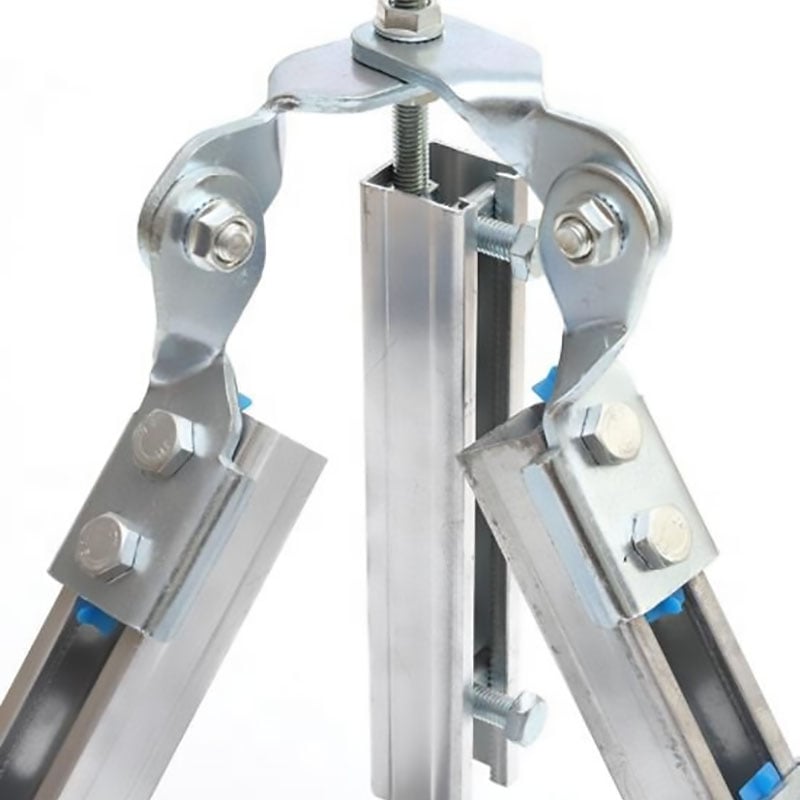
When it comes to quality assurance, several specifications are crucial for unistrut aluminum systems. Key specifications include:
Material Grade: Ensure that the aluminum conforms to industry standards such as ASTM or EN, which dictate the material's strength, corrosion resistance, and overall performance.
Thickness: The thickness of the aluminum influences its strength and load-bearing capacity. Thicker profiles are generally more robust but may also increase costs.
Finish: A proper surface treatment, such as anodizing or powder coating, can enhance corrosion resistance and aesthetic appeal. Buyers should verify the finish type suitable for their specific applications.
Load Rating: Each unistrut aluminum profile should have a clear load rating. This rating indicates the maximum load the system can support, which is critical for ensuring safety and compliance with project specifications.
By confirming these specifications, buyers can ensure that the unistrut aluminum chosen meets quality standards and performs as expected in real-world applications.