Choosing the Right Unistrut Aluminum for Projects

Get a Free Quote

Our representative will contact you soon.
Email
Mobile/WhatsApp
Name
Company Name
Message
0/1000

unistrut aluminum

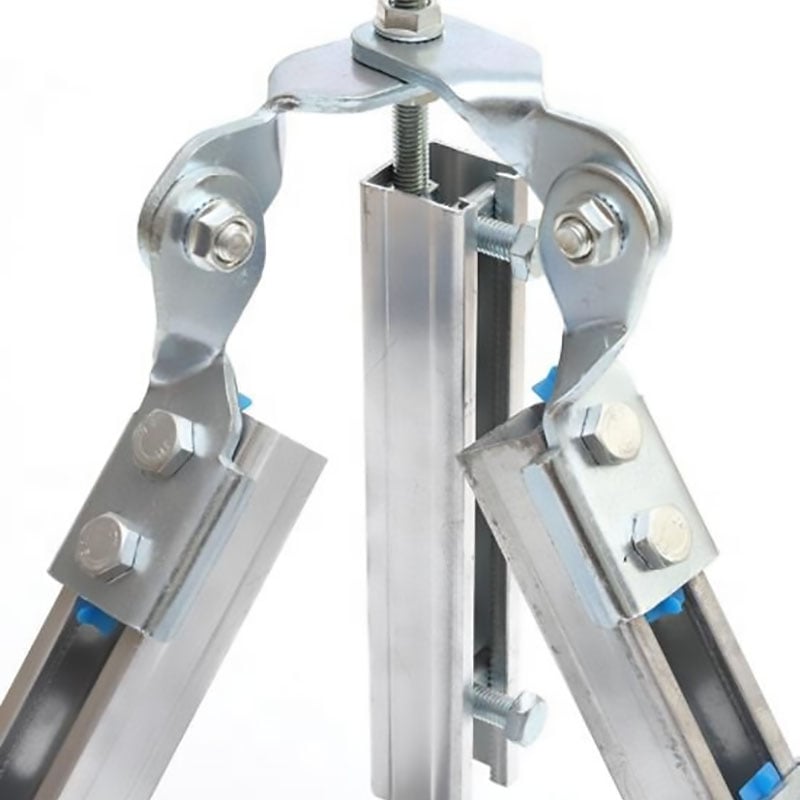
Unistrut aluminum is  a  versatile and durable framing system used widely in various industries for mounting,  supporting,  and securing equipment. When selecting  the right unistrut aluminum,  B2B  buyers often  face concerns such as compatibility with existing  systems, load-bearing capabilities, and overall  quality assurance.  This article  will guide  you through essential  factors to consider when choosing unistrut  aluminum, focusing  on  specifications, installation  guidance, and  effective usage to help you make informed  decisions.
Our Products

Key Specifications of Unistrut Aluminum for Quality Assurance

Key Specifications of Unistrut Aluminum for Quality Assurance

When it comes to  quality assurance, several specifications are crucial  for unistrut aluminum systems. Key specifications include:

Material Grade: Ensure that the aluminum conforms to industry standards such as ASTM or EN, which dictate the material's strength, corrosion  resistance,  and overall performance.

Thickness: The thickness  of the aluminum  influences its strength and load-bearing capacity.  Thicker profiles  are generally more robust but may also increase costs.

Finish: A  proper surface treatment, such as  anodizing or powder coating, can enhance corrosion resistance and aesthetic appeal.  Buyers should verify the finish type  suitable for their specific applications.

Load Rating: Each unistrut aluminum profile  should have a clear load rating. This  rating indicates the maximum load  the system can support, which is critical for ensuring safety  and compliance with  project  specifications.

By confirming these specifications, buyers can ensure that the unistrut aluminum chosen meets quality standards and performs as expected in real-world applications.
A Buyeru2019s Guide

A Buyeru2019s Guide

When preparing to purchase unistrut  aluminum, consider the  following factors to streamline the RFQ process and ensure a successful procurement:

Project Details: Provide specifics  about your project, including the intended use,  the operating environment, and  any special requirements. This information  helps suppliers recommend  the most suitable products.

Quantity  and Delivery: Clearly state the required quantity and any  delivery deadlines. Lead times can vary significantly based on  order volume  and  customization needs.

Technical  Drawings: If applicable, include technical drawings or specifications to communicate your requirements accurately. This reduces the risk of miscommunication and ensures that the final product meets your expectations.

Budget Constraints:  Discuss your budget openly with suppliers. Understanding the  cost  factors  involved, including material selection and customization,  can help in negotiating more favorable terms.

Sample Approval: Before mass production, request samples to evaluate  the quality,  dimensions, and performance of the unistrut aluminum. Testing under actual conditions can reveal any potential issues early in the process.

Installation Guidance for Unistrut Aluminum Systems and Components

Proper installation of unistrut aluminum  systems is vital for  ensuring optimal performance and safety. Here are  key guidelines for  installation:

Preparation: Before  installation, ensure that all components are available and that your installation area is clean and free from  obstructions.

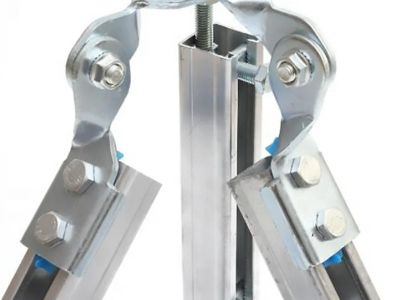
Assembly: Follow  the manufacturer’s instructions carefully. If your system  requires specific connectors or brackets, ensure they  are compatible with your unistrut aluminum profile.

Mounting: Use appropriate fasteners and ensure that all connections are secure. It’s essential  to avoid over-tightening,  which can deform the aluminum and compromise its strength.

Leveling and  Alignment: Ensure that the unistrut system is level and properly aligned before  securing all components. Misalignment can lead to added stress on the structure and potential  failure.

Safety Checks: After installation, conduct a thorough inspection of the system. Check for any  loose  connections, misalignments, or signs  of improper installation that could affect performance.

Following these installation guidelines can help  ensure that your unistrut aluminum system operates effectively and safely  throughout its lifespan.

Where and How to Use It Effectively

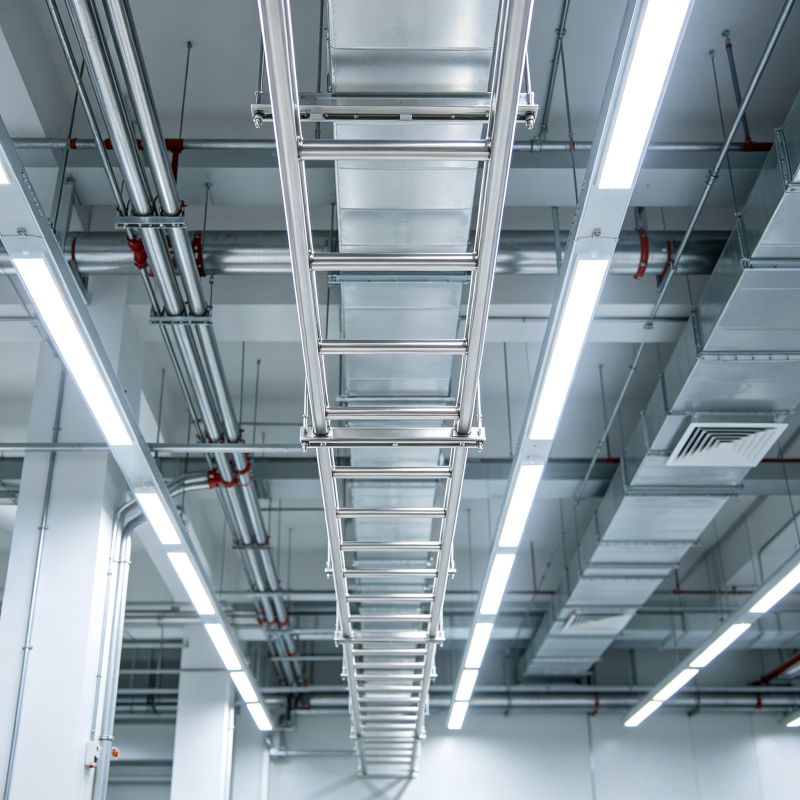
Unistrut aluminum is highly versatile and can be employed across various industries, including telecommunications, renewable energy, and construction. Here are  some effective applications and usage tips:

Telecommunications: In telecom applications, unistrut aluminum is ideal for mounting antennas and supporting cabling systems. Its  lightweight nature allows  for easy installation while providing  the  necessary strength.

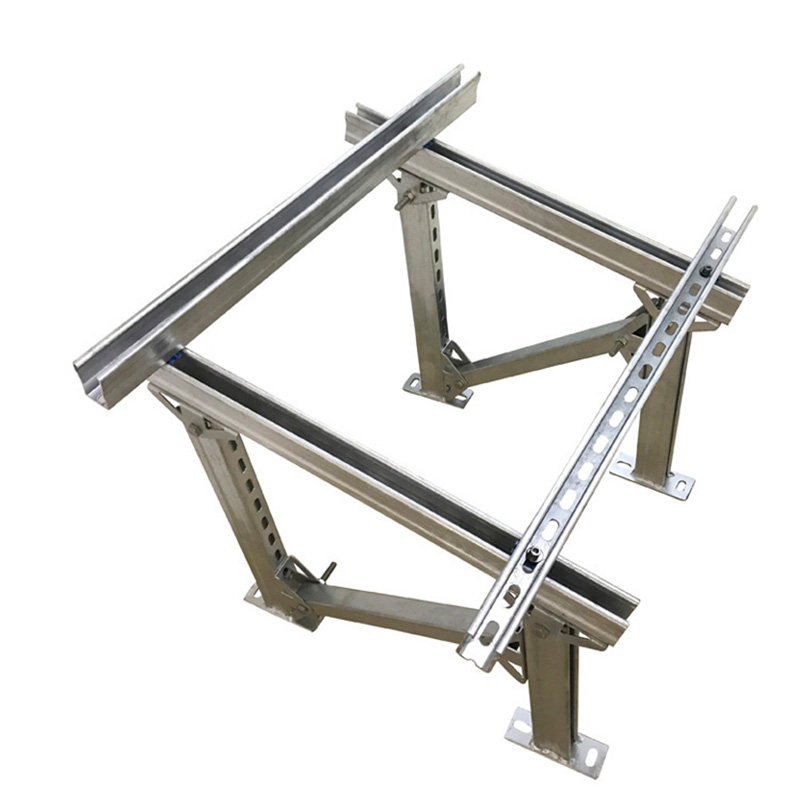
Solar Energy Systems: Unistrut aluminum is commonly used in solar  mounting structures. The material’s corrosion resistance is  particularly beneficial in outdoor environments  exposed to the elements.

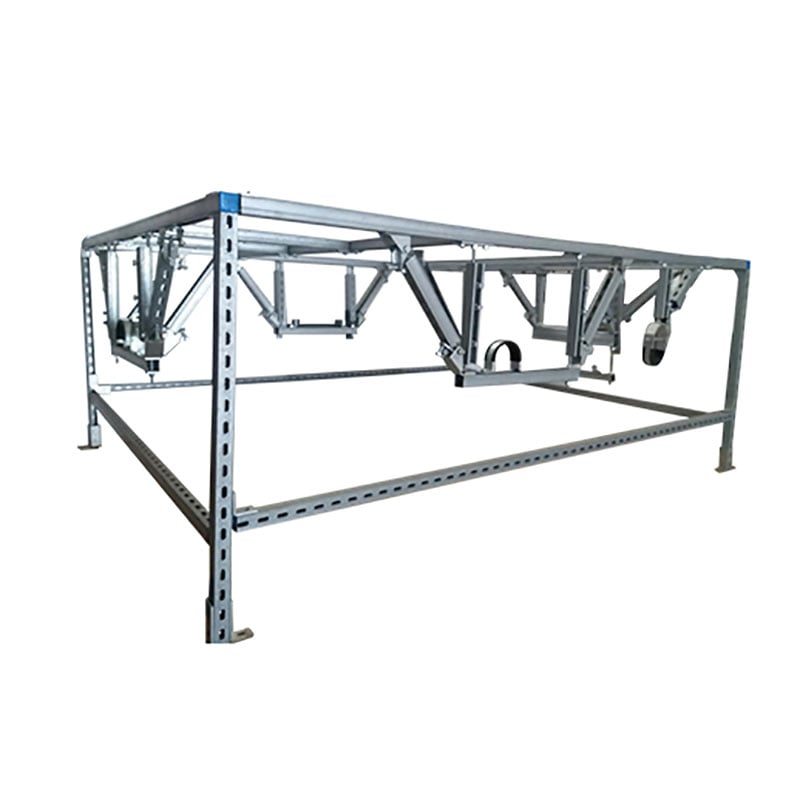
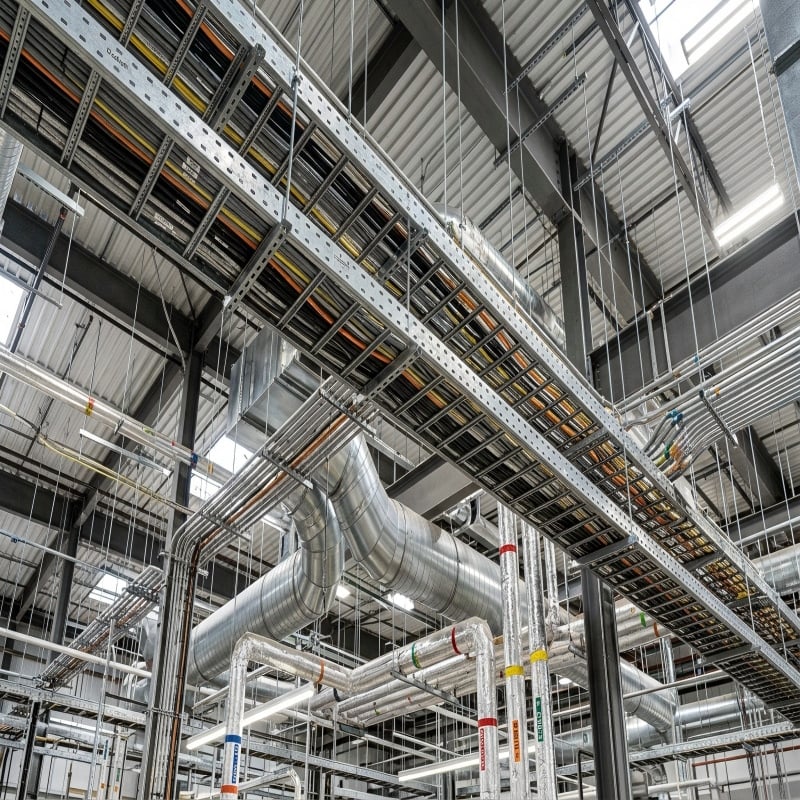
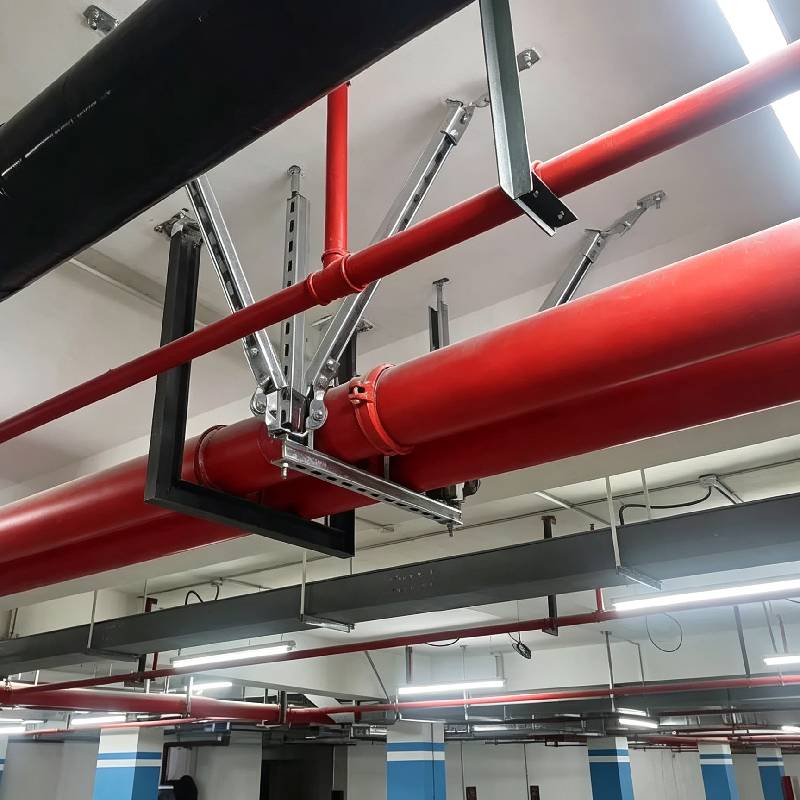
Industrial Applications: In manufacturing  settings, unistrut aluminum can be utilized for machine supports, conveyor systems,  and  safety barriers. Its flexibility in design allows it  to be  adapted for various configurations, such as in Industrial Workshops where robust support structures are needed.

Retail and Commercial Spaces: Retail displays and fixtures can also benefit from unistrut  aluminum systems. The ability to customize  lengths  and configurations means  that businesses can create tailored solutions  to meet their specific needs.

By understanding the various applications and employing unistrut aluminum effectively, buyers can maximize the benefits of  this versatile framing system, ensuring durability and reliability in their projects.

How to Choose the Right Unistrut Aluminum for Your Projec

Selecting the  appropriate unistrut aluminum for your  project involves several critical factors.  Firstly, consider the application environment. The  aluminum type should  match the load requirements and environmental conditions, whether it’s for indoor  or outdoor use. For instance, if  the system is exposed to moisture or corrosive elements,  opt for aluminum  with  a suitable protective finish.  Additionally, if your project involves large structures such as Power Plants, ensure you choose materials that can withstand the specific demands of such environments.

Next, evaluate the dimensions and load capacities. Buyers should assess the span distances and the weight of  the equipment that will be supported. Unistrut systems come in various sizes  and profiles; choosing the right  dimensions ensures that the structure can handle the  intended loads without  compromising safety or  functionality.

Lastly, consider customization options. Many manufacturers, including Shanghai Qinkai Industry  Co., Ltd., can provide tailored solutions to meet specific project needs. Custom lengths, hole configurations,  and  finishes can enhance compatibility and  ease of installation.

Frequently Asked Questions

What is unistrut aluminum used for?

Unistrut aluminum provides lightweight, corrosion-resistant framing for cable trays, support systems, solar mounts, and general equipment support in industrial and commercial installations.
We offer standard channel widths, depths, and slot patterns compatible with common fittings; custom lengths and punched profiles available on request to fit project needs.
Aluminum is lighter and more corrosion-resistant than steel, ideal for outdoor and corrosive environments; steel may offer higher load capacity when required.
Yes. Our manufacturing supports custom punching, cutting, and stamping to integrate with cable trays, seismic bracing, solar mounts, and other accessories.
We supply mill finish and optional anodizing or protective coatings to enhance corrosion resistance based on project specifications and environmental conditions.

Our Blog Posts

Complete Hardware Glossary: Solar Mounting, Pipe Supports and Cable Management Parts

21

Sep

Complete Hardware Glossary: Solar Mounting, Pipe Supports and Cable Management Parts

Understanding the components of solar mounting structures, pipe supports, and cable management parts is crucial for professionals in the manufacturing and construction industries. This complete hardware glossary will provide insights into evaluating ...
View More

Get a Free Quote

Our representative will contact you soon.
Email
Mobile/WhatsApp
Name
Company Name
Message
0/1000

Related product categories

Choosing the Right Unistrut Aluminum for Projects

Get a Free Quote

Our representative will contact you soon.
Email
Mobile/WhatsApp
Name
Company Name
Message
0/1000