EN
EN

Stainless steel unistrut is a versatile support system used widely in construction and industrial applications. As a B2B buyer, understanding the specifications and sourcing considerations for stainless steel unistrut is crucial for making informed purchasing decisions. This article will help you navigate the essential factors to consider when sourcing, installing, and troubleshooting stainless steel unistrut, ensuring that your projects are completed efficiently and effectively.
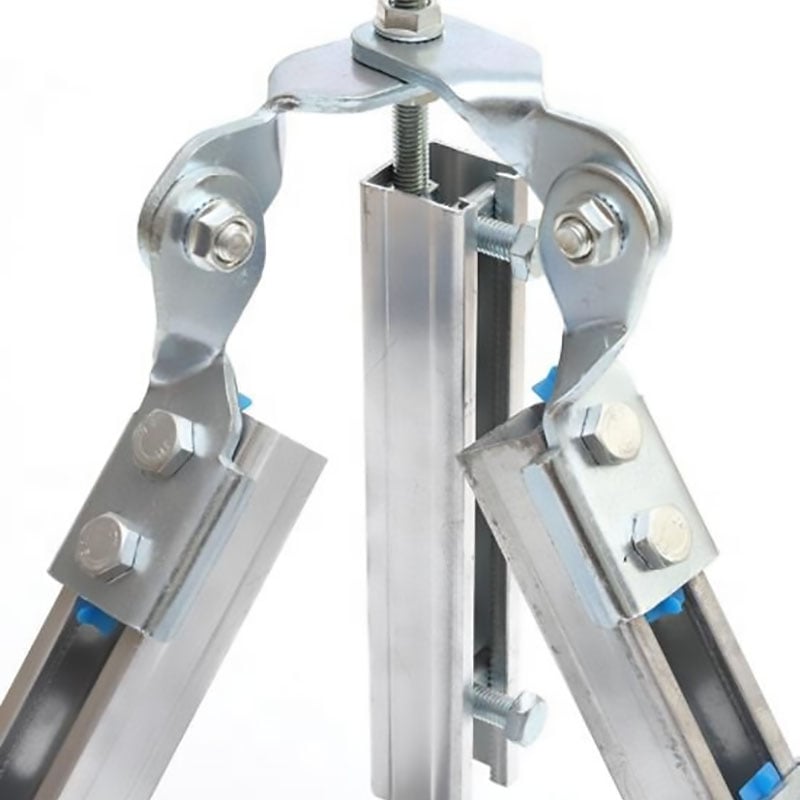
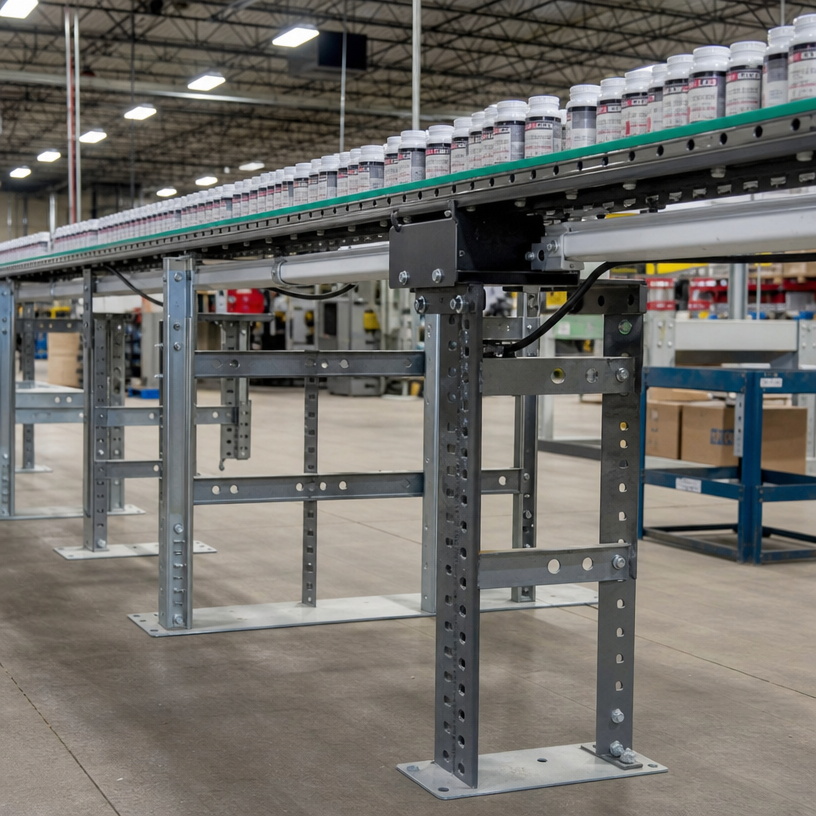
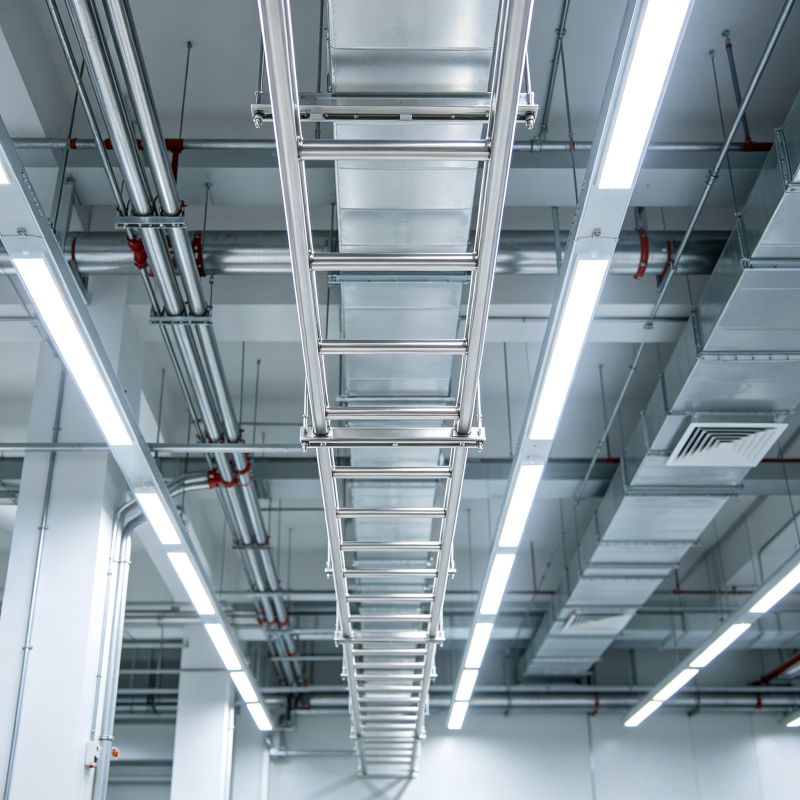
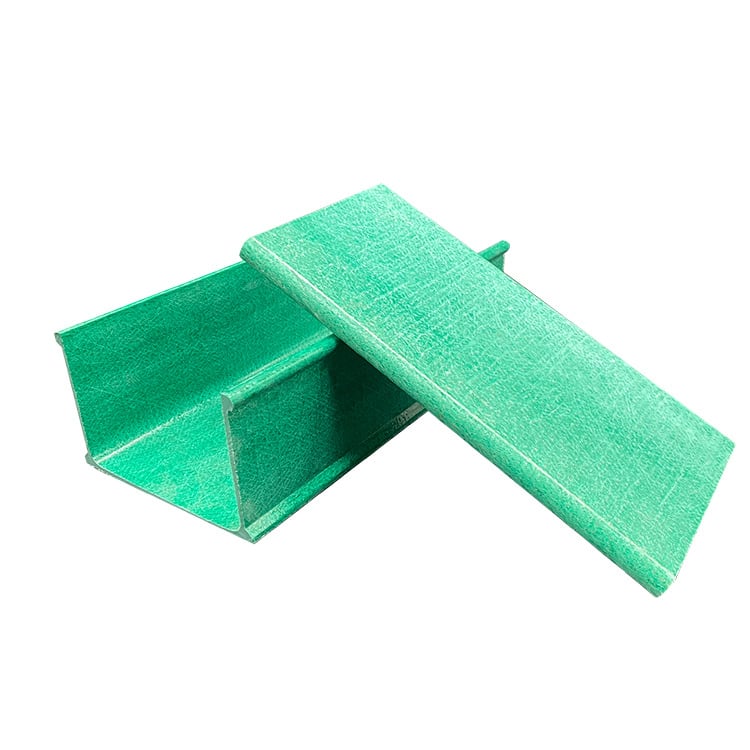
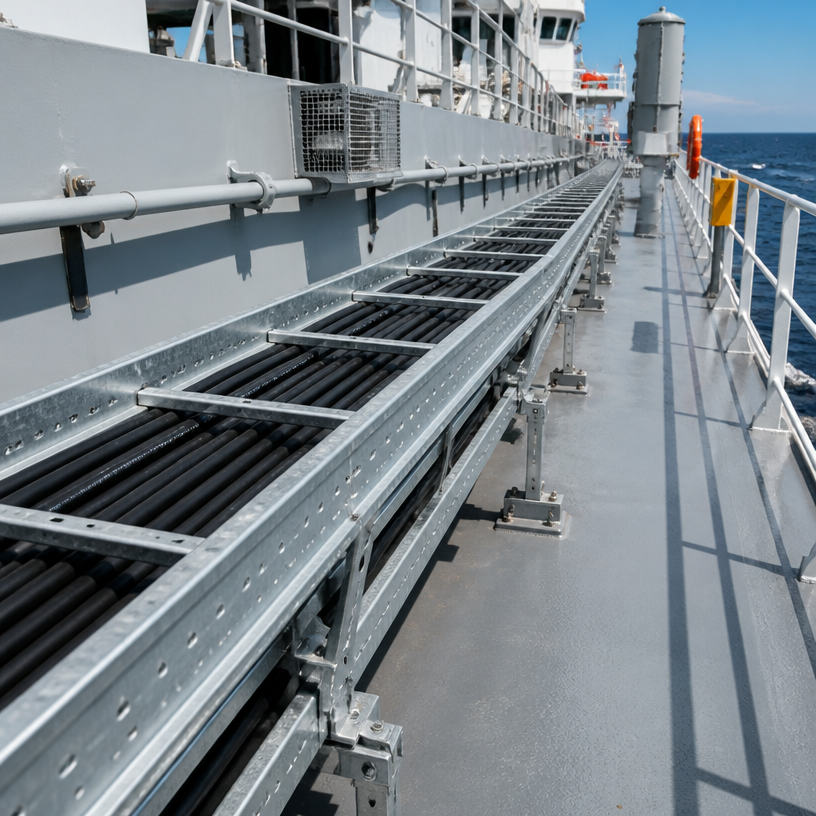

Installation Guidance for Stainless Steel Unistrut in Various Applications
Proper installation of stainless steel unistrut is crucial for ensuring structural integrity and performance. Start with a detailed plan, which includes the layout of the support system and the specific mounting methods. For instance, when installing in a solar mounting application, ensure that the unistrut is securely anchored to withstand wind loads and other environmental factors.
Utilizing the correct fasteners is also vital. Stainless steel fasteners are recommended to prevent galvanic corrosion when used with stainless steel unistrut. Additionally, during installation, confirm that all components are aligned correctly to facilitate smooth connections between the unistrut and other structural elements.
Finally, consider the environment in which the unistrut will be installed. For instances involving exposure to moisture, ensure that any joint connections are sealed effectively to prevent rust and degradation over time. Regular inspections post-installation can help detect any issues early on, maintaining the longevity of the support system.