Understanding Unistrut Trolley Track for Your Business

Get a Free Quote

Our representative will contact you soon.
Email
Mobile/WhatsApp
Name
Company Name
Message
0/1000

unistrut trolley track

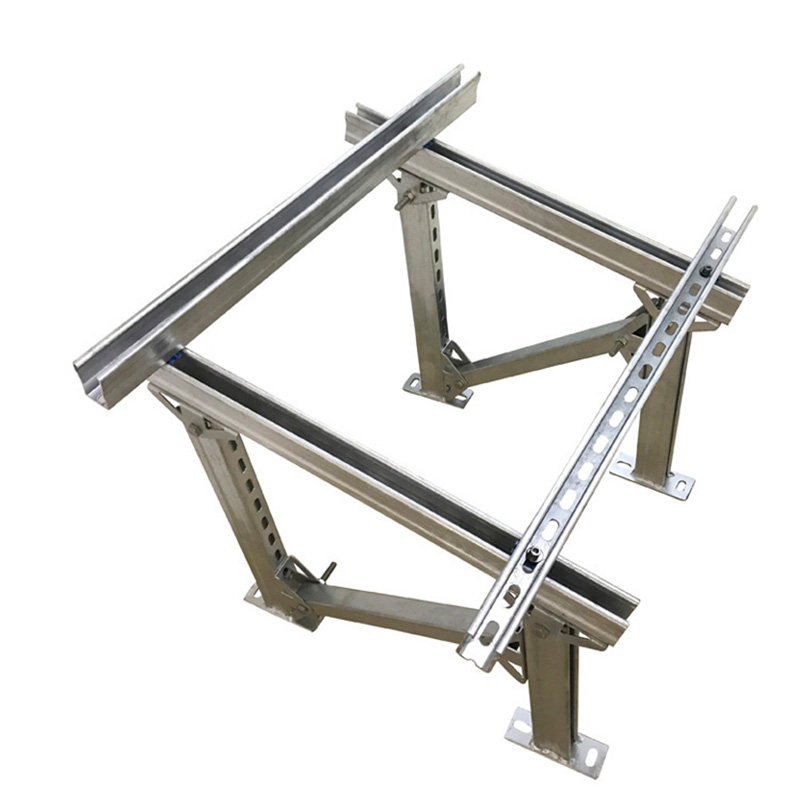
Unistrut trolley track systems offer a versatile solution for supporting  and guiding  various  loads  in industrial and commercial applications.  As a key component in  the construction of  overhead support  structures,  these tracks are essential for optimizing workflow and ensuring safe operations. For  B2B buyers, understanding specifications, supplier  reliability,  cost factors, and  common issues is crucial to  making informed  purchasing decisions.  This  article will delve into these  areas to help you navigate the  complexities of acquiring unistrut trolley  track systems.
Our Products

Finding Reliable Unistrut Trolley Track Suppliers

Finding Reliable Unistrut Trolley Track Suppliers

Identifying reliable  suppliers for unistrut trolley tracks is critical to ensuring product quality and  timely delivery. Here are some strategies to find trustworthy suppliers:

Industry Reputation: Research potential suppliers by checking their reputation in  the industry. Look for reviews, testimonials, and case studies that demonstrate their reliability and product quality.

Certifications  and Compliance: Ensure that the supplier adheres to relevant industry standards and possesses necessary certifications. This can be a strong indicator of their commitment to quality control  and manufacturing excellence.

Product Range  and Customization: Evaluate the supplier's product range to  determine if they offer various  options for unistrut trolley tracks, including customization capabilities. A supplier that can tailor products to meet your specific  needs can be a valuable partner.

Manufacturing Capabilities: Assess the supplier’s manufacturing processes and  capabilities. Understanding  their production capacity, lead times, and quality control measures can provide insight into their reliability as a supplier.

Customer Support: Consider the level  of  customer support offered by the supplier. Effective  communication  and responsiveness can greatly enhance the purchasing experience and resolve any issues that may arise.


By taking these steps, buyers can  find suppliers  that not only  meet their product needs but also provide a supportive partnership throughout the purchasing process.
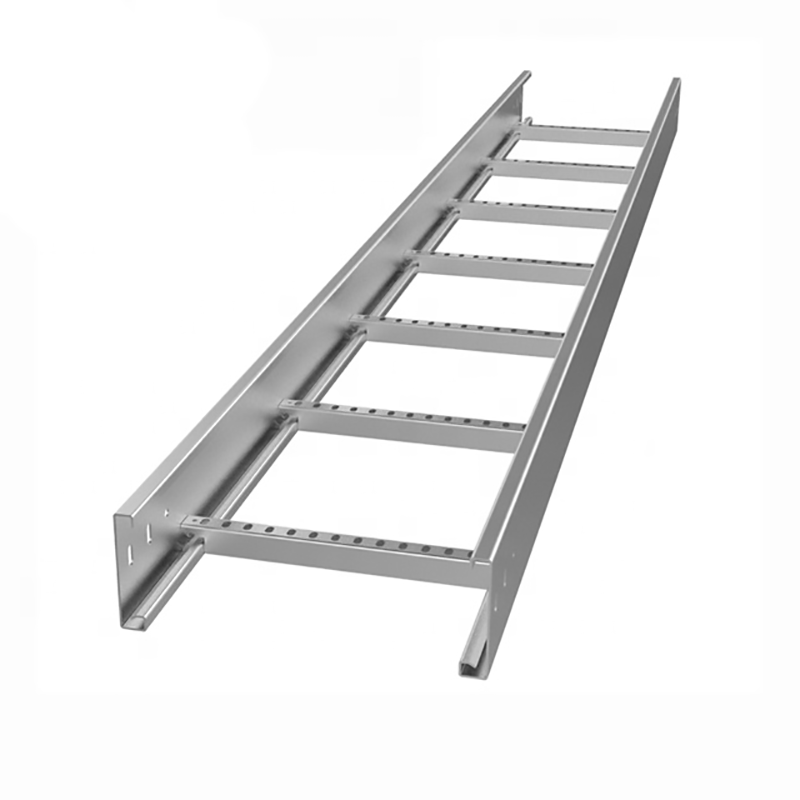
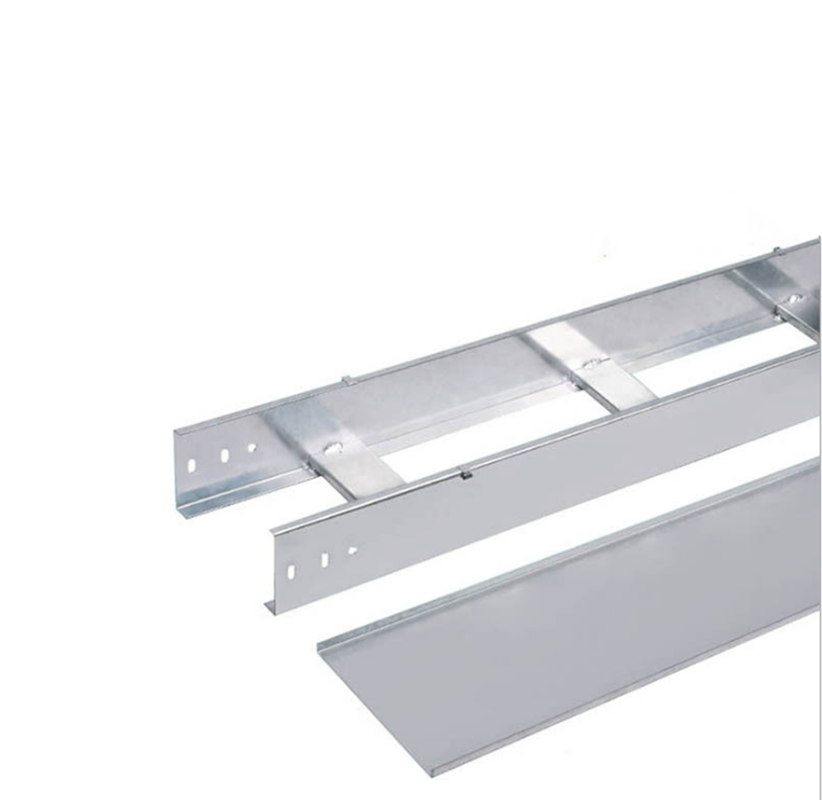
Cost Factors to Consider When Purchasing Unistrut Trolley Track

Cost Factors to Consider When Purchasing Unistrut Trolley Track

Cost is a significant factor in purchasing unistrut  trolley tracks, but it’s essential to look beyond the initial price tag. Here are key cost factors to consider:

Material Costs: The choice of material directly affects the price. Steel tracks tend to be more  expensive  than aluminum, but  they may offer better durability and load capacity.  Assessing the long-term benefits versus initial costs is crucial.


Customization Fees: If you  require customized tracks, be aware that additional fees may apply. Customization can include specific dimensions, load ratings, or surface treatments. It's vital to discuss these requirements upfront to avoid unexpected costs.

Shipping and  Handling: Shipping  costs can  vary significantly based  on the supplier's location  and the size of the order. Larger orders may qualify for reduced shipping  rates, so consider  bulk purchasing if feasible.

Quality Assurance Costs: Investing in quality assurance measures, such as third-party inspections  or certifications, can add to  upfront costs but may  save money in the long run by reducing the risk of product failures or replacements.

Maintenance and Lifespan: Consider the long-term costs associated with maintenance and lifespan. Higher-quality tracks may have a higher  initial cost but can lead to lower maintenance needs and longer service life.

By evaluating these cost factors, buyers can make informed decisions that align with both their  budget and operational needs.

Comparing Unistrut Trolley Track Options for Your Business Needs

Comparing Unistrut Trolley Track Options for Your Business Needs

When selecting unistrut trolley tracks, it’s important to compare different options to find the best fit for your specific business needs. Here are some aspects to consider:

Application Suitability: Assess the intended application  of the trolley  track. For heavy-duty operations, opt for  tracks with higher load capacities and robust materials.  Conversely, lighter operations may benefit from more cost-effective options.


Compatibility  with Existing Systems: Ensure that the trolley track  you choose is  compatible with your existing  systems. Compatibility with other components, such as trolleys and mounting hardware, is crucial for seamless integration.

Environmental Considerations: Consider the environmental conditions where the  trolley track will be used. If the track will be exposed to harsh conditions,  such as extreme temperatures  or  corrosive environments, select options with appropriate protective coatings or materials.

Performance Metrics: Compare performance metrics such as speed of operation,  noise levels, and wear rates. Some tracks may offer features that enhance overall efficiency, which can  be a valuable consideration for high-volume operations.

Supplier Recommendations: Leverage the expertise of your chosen suppliers. They can provide insights based on their  experience with past clients and help you identify which products have  performed best  in similar applications.

By thoroughly comparing these factors, businesses can select unistrut trolley tracks that not only meet their requirements but also enhance  productivity and efficiency.


Common Problems with Unistrut Trolley Track and Their Solutions

Understanding  common issues associated with unistrut trolley tracks can help buyers mitigate potential problems before they arise. Here are some prevalent  challenges and their solutions:

Misalignment: One of the most common problems is misalignment of the trolley on the track, which can lead to operational inefficiencies. To prevent this, ensure that installation is carried out according to manufacturer specifications  and conduct regular  inspections to verify alignment.

Wear and Tear: Over time, tracks may experience wear due to friction from the  trolley wheels. Implementing a  routine maintenance schedule that  includes lubrication and inspection can prolong the life of the  track and  trolley system.

Load Overcapacity: Exceeding the specified load capacity can lead  to track failure.  Always refer to the manufacturer's guidelines for load limits and conduct regular assessments to  ensure that  loads remain within safe parameters.

Corrosion: In environments with high humidity or exposure to corrosive substances, corrosion  can be a significant issue. Choosing tracks with protective coatings or investing in regular maintenance can help mitigate this risk.

Installation Errors: Improper installation can lead  to a host of issues, including instability and safety hazards. Always follow installation guidelines closely and consider consulting with a professional if you're not confident  in the installation process.


By being  aware of these common problems  and implementing proactive measures, buyers can enhance the reliability and performance of their unistrut trolley track systems.

Understanding Unistrut Trolley Track Specifications for Quality Assurance

When evaluating unistrut trolley track systems, it's essential to understand the specifications that dictate their performance and suitability for your application. Key specifications include the track's material, dimensions, load capacity, and surface treatment.

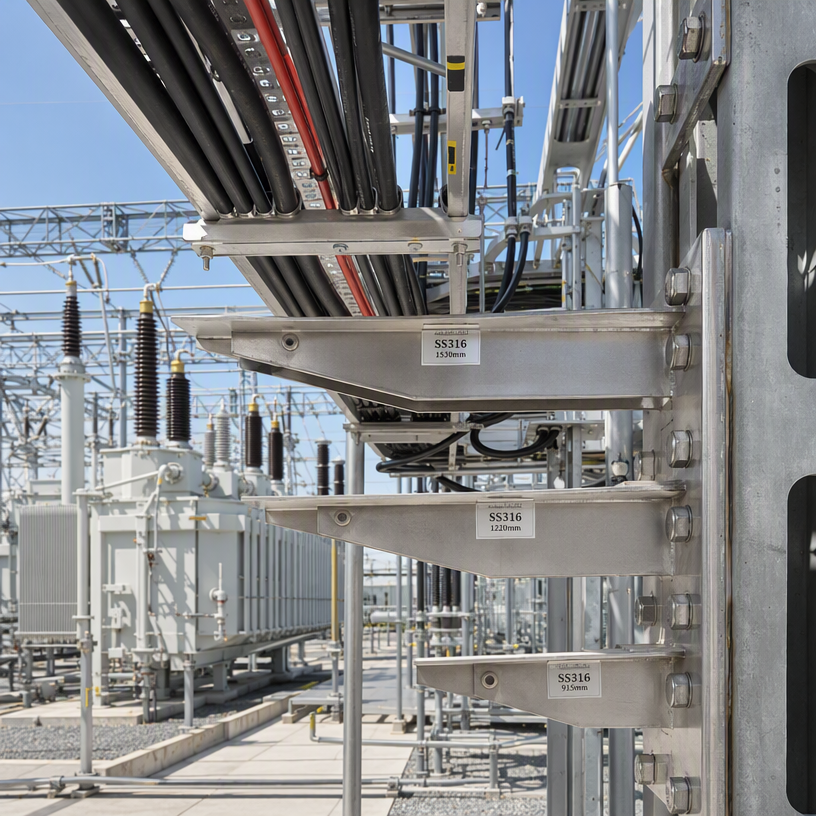
Material: Typically, unistrut trolley tracks are made  from high-strength steel  or aluminum. Steel tracks offer durability and higher load capacities, while aluminum  tracks are lighter and resistant to corrosion,  making them ideal for environments exposed to moisture. For those looking for enhanced durability in harsh environments, consider our SS316 Wire Mesh Cable Tray options.

Dimensions: It's crucial  to verify track dimensions, including  width, height, and length. These dimensions should be compatible with your existing support  structures and the loads intended for transport. A dimension that appears adequate on  paper may not fit seamlessly with your production equipment.

Load Capacity: Each  trolley track  system has a specified load capacity, which should be clearly outlined by the manufacturer. It's vital to assess your load requirements and ensure that  the selected track can  handle the maximum expected weight  without compromising safety.

Surface Treatment: The surface treatment of the track can affect its durability and performance. Common treatments include  galvanization and powder coating, which enhance  resistance to corrosion and wear. Buyers should consider  the environmental conditions where the track will be used. If you’re looking for corrosion-proof solutions, our SS316 Cable Tray Bracket could be the right choice.

In summary, understanding these specifications allows buyers to assess the quality and suitability of  unistrut trolley tracks  for their operations,  ensuring they meet safety and performance standards.

Frequently Asked Questions

What is a unistrut trolley track used for?

A unistrut trolley track provides a sliding support system for suspended loads, enabling movable fixtures, piping, cable trays, and equipment along a secure C-channel runway.
Tracks are typically supplied in galvanized steel, stainless steel, or pre-painted steel to match corrosion resistance and load requirements.
Calculate total static and dynamic loads, span length, and trolley spacing. Provide these details so we can recommend the appropriate channel size and trolley model.
Yes. We can supply finished supports and seismic bracing-compatible trolleys and tracks, plus custom lengths and mounting accessories for solar or industrial projects.
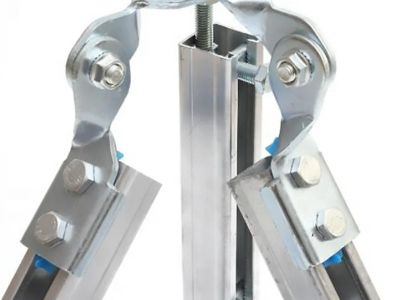
Available accessories include end stops, mounting brackets, hangers, bolts, and rollers. We can supply complete kits or individual stamped parts to match your system.

Our Blog Posts

Complete Hardware Glossary: Solar Mounting, Pipe Supports and Cable Management Parts

21

Sep

Complete Hardware Glossary: Solar Mounting, Pipe Supports and Cable Management Parts

Understanding the components of solar mounting structures, pipe supports, and cable management parts is crucial for professionals in the manufacturing and construction industries. This complete hardware glossary will provide insights into evaluating ...
View More

Get a Free Quote

Our representative will contact you soon.
Email
Mobile/WhatsApp
Name
Company Name
Message
0/1000

Related product categories

Understanding Unistrut Trolley Track for Your Business

Get a Free Quote

Our representative will contact you soon.
Email
Mobile/WhatsApp
Name
Company Name
Message
0/1000