Choosing the Right Solar Screw Piles for Your Project

Get a Free Quote

Our representative will contact you soon.
Email
Mobile/WhatsApp
Name
Company Name
Message
0/1000

solar screw piles

Solar screw piles  are  innovative  foundations designed  specifically for solar mounting applications, providing  a reliable  and  efficient  solution  for anchoring solar structures. As a B2B  buyer, your primary concerns  may  revolve around selecting the right type,  understanding material specifications, installation requirements,  and ensuring long-term performance. This article will guide you  through the  critical  aspects of solar screw  piles, helping you make informed decisions for  your  solar projects.
Our Products

A Contractor's Guide

A Contractor's Guide

For contractors, understanding the nuances of solar  screw piles is crucial for ensuring successful installation and performance. Here are key considerations  to keep  in mind:

Pre-Installation Planning: Before commencing installation,  ensure that all  necessary permits are obtained,  and the  project  site  is adequately prepared.  This includes marking utilities and ensuring access for installation equipment.

Installation Techniques: Familiarize  yourself with different installation methods, such as using hydraulic torque motors or manual installation tools. The right method will depend on the screw pile design, site conditions, and available machinery.

Quality Control: Implement a quality control process to verify that each screw  pile meets the  specified dimensions and  installation depth. Regular inspections during installation can prevent future complications.

Post-Installation Inspection: After installation,  conduct a  thorough inspection to  ensure that all screw piles are properly  aligned and securely anchored. This will help  prevent structural issues down the line.

By following these guidelines, contractors can enhance project efficiency and  ensure that solar screw piles perform as intended.
Key Scenarios and Benefits

Key Scenarios and Benefits

Solar screw piles offer several  advantages in  various scenarios:

Rapid Installation: Unlike traditional concrete  foundations, solar screw piles can be installed quickly, reducing project timelines and labor costs. This is particularly beneficial for large-scale solar farms.


Minimal Site Disturbance: The installation of solar screw piles typically requires less excavation, which  minimizes site disturbance and  preserves  the surrounding environment.

Reusability: In some cases,  solar screw piles can be removed and reused  for future projects, providing  added  value to contractors and  project managers.

Adaptability: These piles can be  installed in diverse soil  conditions  and terrains,  making them suitable  for a wide range of applications,  from residential to commercial solar installations.

Understanding these benefits can help project managers and  contractors leverage  solar screw piles effectively in their projects.

Common Problems with Solar Screw Piles and Effective Solutions

While solar screw piles are generally reliable, several common problems can arise during installation and  operation:

Installation Misalignment: If screw piles are not installed vertically, it can lead to  structural issues. To mitigate this,  use  accurate  alignment tools during installation and continuously monitor alignment.

Soil Settlement: Over time, soil settlement can affect  the stability of  screw piles. Conducting regular inspections and considering additional stabilization methods—such as grouting—can help address this issue.

Corrosion: In corrosive environments,  solar screw piles can be susceptible to rust. Utilizing galvanized or coated screw piles can significantly extend their lifespan and maintain structural integrity.

Load Capacity Underestimation:  Failing to accurately assess the load capacities of screw  piles can result  in instability. Always perform thorough  calculations based on  expected loads and soil conditions  before installation.

By  proactively addressing these common  issues, buyers and  contractors can  enhance the reliability  and  performance of solar screw piles.

Comparing Different Types of Solar Screw Piles for Your Requirements

When evaluating solar screw piles, it's essential to compare different types  based on  their specifications and  suitability for your project. Key factors to consider include:

Material: Most solar screw piles are made from high-strength steel, but variations  in material grades may affect durability and corrosion resistance. Assess  the environmental conditions to choose the appropriate material.

Design and  Dimensions: Solar screw piles  come  in various designs, including  helical and solid shaft types. The  design impacts  load-bearing capacity and installation methods. Ensure you select  a design that meets your project’s load requirements.

Coating Options: Different coatings, such as hot-dip galvanization or epoxy,  can enhance corrosion resistance. Evaluate the environmental factors  at your installation site to determine  the best  coating  option.

Customization Options: Some manufacturers, like Shanghai Qinkai Industry Co., Ltd., offer customization capabilities to tailor screw piles to specific project requirements.  Discuss these options with your supplier to  ensure you receive the best solution for your needs.

By carefully comparing these factors, you can select the most  suitable solar screw piles to enhance the effectiveness and longevity of your solar installations.

Choosing the Right Solar Screw Piles for Your Project Needs

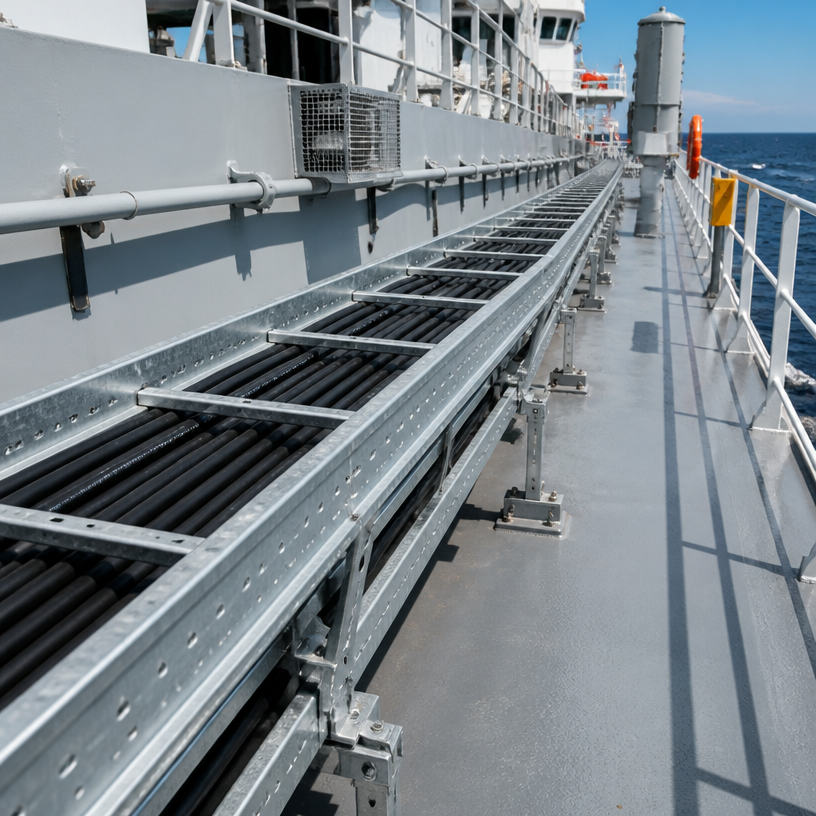
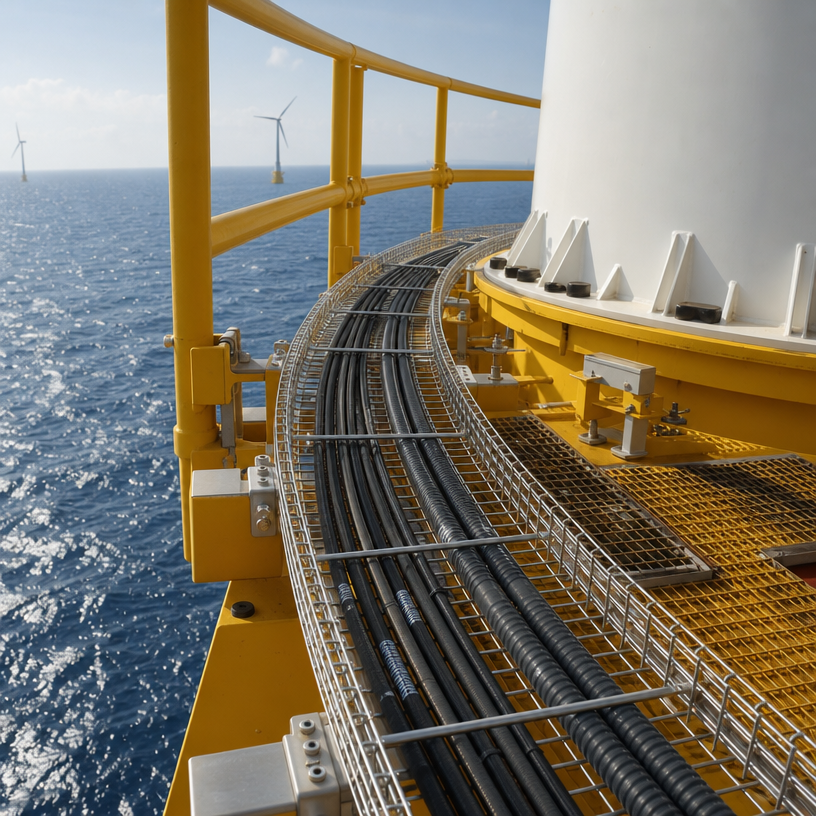
Selecting the appropriate solar screw piles involves understanding  your specific project requirements, including soil conditions, load-bearing capacities, and installation methods. Solar screw  piles  come in various sizes and materials, typically made from  high-strength steel to ensure durability and resistance to  corrosion. For projects in harsh environments, consider using SS316 Wire Mesh Cable Tray — Marine-Grade Stainless Steel Cable Management for Offshore & Coastal Installations to enhance protection.

When assessing your  needs, consider the following factors:

Soil Type: Different soil conditions—such  as clay, sand, or rocky terrain—will influence the type of screw pile  required. A geotechnical  survey may be necessary to determine the soil's bearing capacity.


Load Requirements: Calculate the expected loads that the solar panels and mounting structures will exert on the screw piles. This will help determine the pile diameter and length necessary to ensure stability and safety.

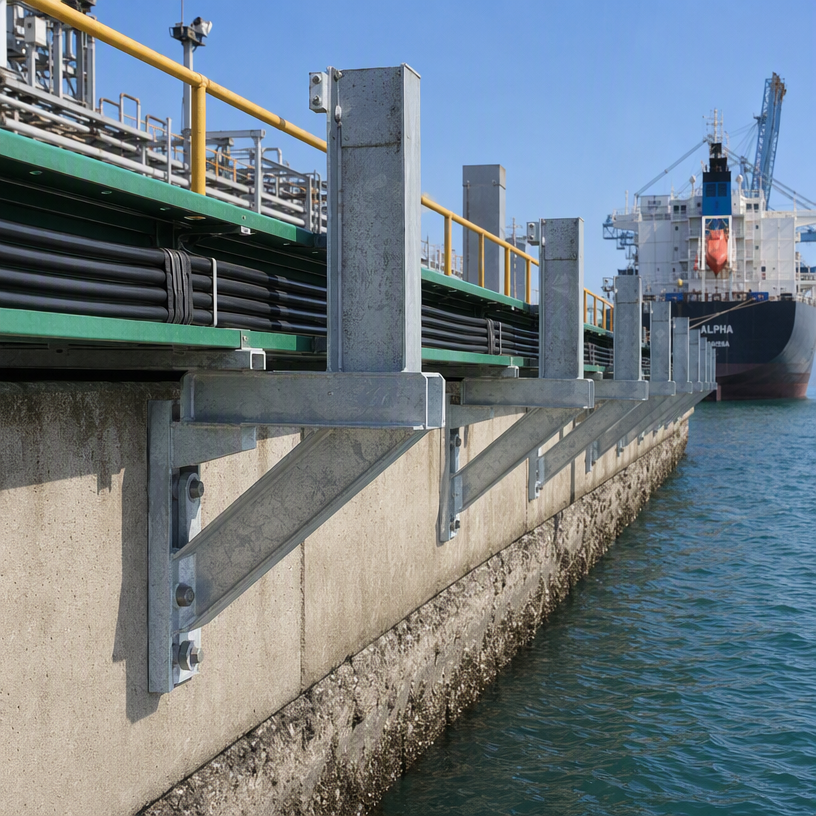
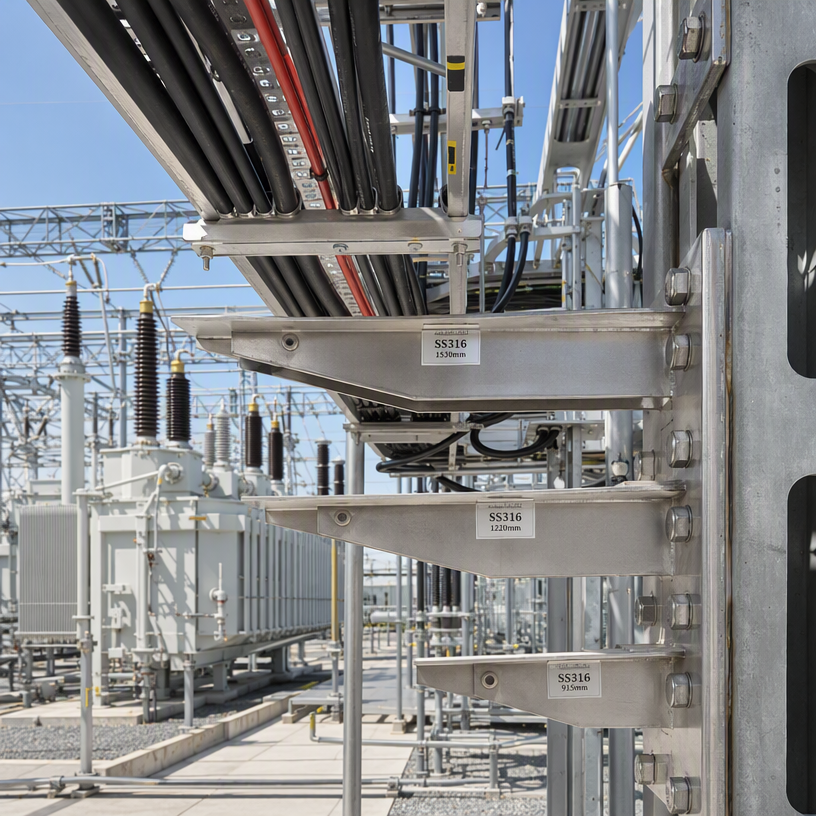
Environmental Factors: If the installation site is subject to harsh weather conditions or corrosive  environments, selecting  screw  piles  with appropriate protective coatings or materials  is vital. For example, using products like HDG Cable Ladder — ISO 1461 Hot-Dip Galvanized Cable Ladder for Coastal & Marine Service can be beneficial in such scenarios.

Installation Method: Evaluate whether  your project requires a quick installation process, as some screw  piles can be installed  using handheld tools, while others may require  specialized machinery.

Understanding these factors will enable you to choose solar screw piles that align with your project's technical requirements and  installation constraints.

Frequently Asked Questions

What are solar screw piles used for?

Solar screw piles provide stable, ground-mounted foundations for solar panels and structures, enabling quick installation and minimal soil disturbance for residential and commercial arrays.
Our screw piles are fabricated from high-strength galvanized steel with corrosion-resistant coatings to ensure long-term durability in outdoor environments.
Yes. We manufacture custom diameters, lengths, and flange designs to meet specific load requirements and soil conditions for each solar project.
We provide complete mounting kits, C-channel supports, brackets, and fasteners compatible with our solar screw piles for integrated installation solutions.
We provide technical guidance, load calculations, and installation recommendations; engineering assistance is available to ensure compliance with site and seismic requirements.

Our Blog Posts

Complete Hardware Glossary: Solar Mounting, Pipe Supports and Cable Management Parts

21

Sep

Complete Hardware Glossary: Solar Mounting, Pipe Supports and Cable Management Parts

Understanding the components of solar mounting structures, pipe supports, and cable management parts is crucial for professionals in the manufacturing and construction industries. This complete hardware glossary will provide insights into evaluating ...
View More

Get a Free Quote

Our representative will contact you soon.
Email
Mobile/WhatsApp
Name
Company Name
Message
0/1000

Related product categories

Choosing the Right Solar Screw Piles for Your Project

Get a Free Quote

Our representative will contact you soon.
Email
Mobile/WhatsApp
Name
Company Name
Message
0/1000