EN
EN

Solar panel rails and brackets are critical components in the installation of solar energy systems, ensuring panels are securely mounted and optimally positioned for maximum sunlight exposure. For purchasing managers, engineers, and other B2B buyers, understanding the nuances of these mounting solutions is essential for making informed decisions. This article will guide you through evaluating suppliers, key specifications, quality assessments, budgeting considerations, and best practices related to solar panel rails and brackets.
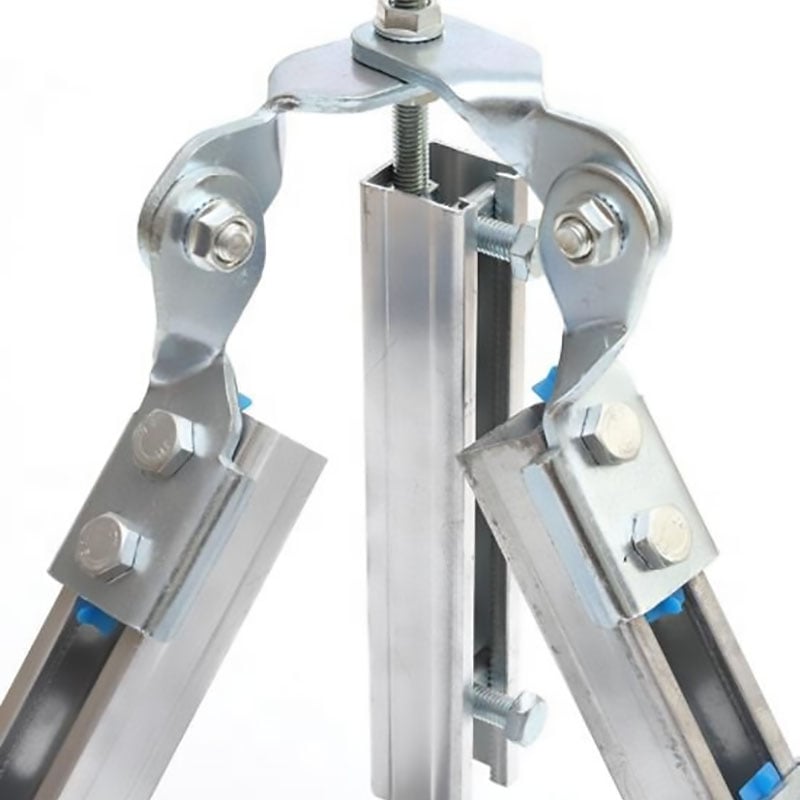
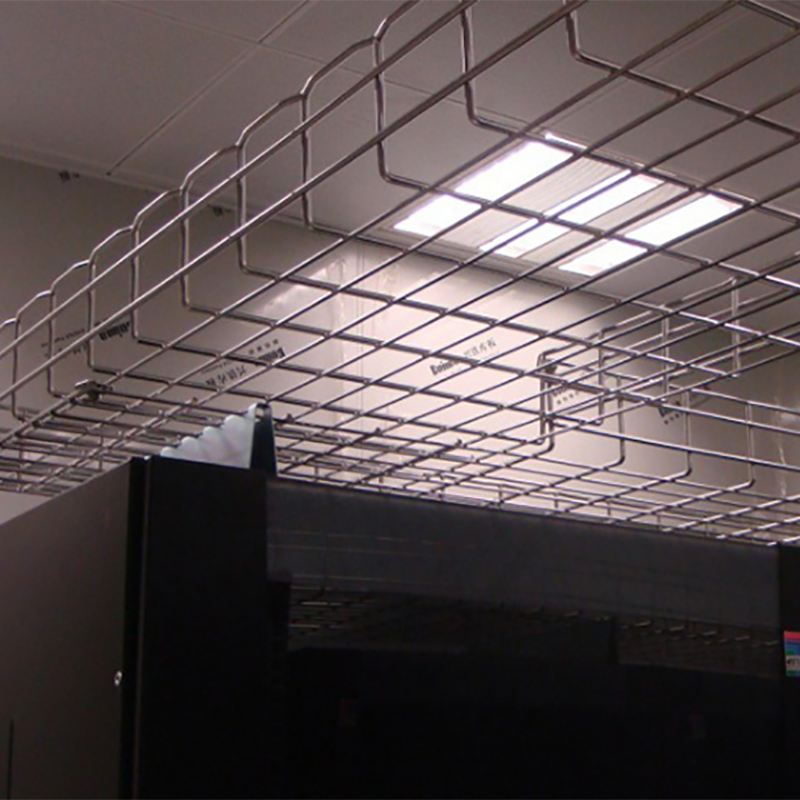

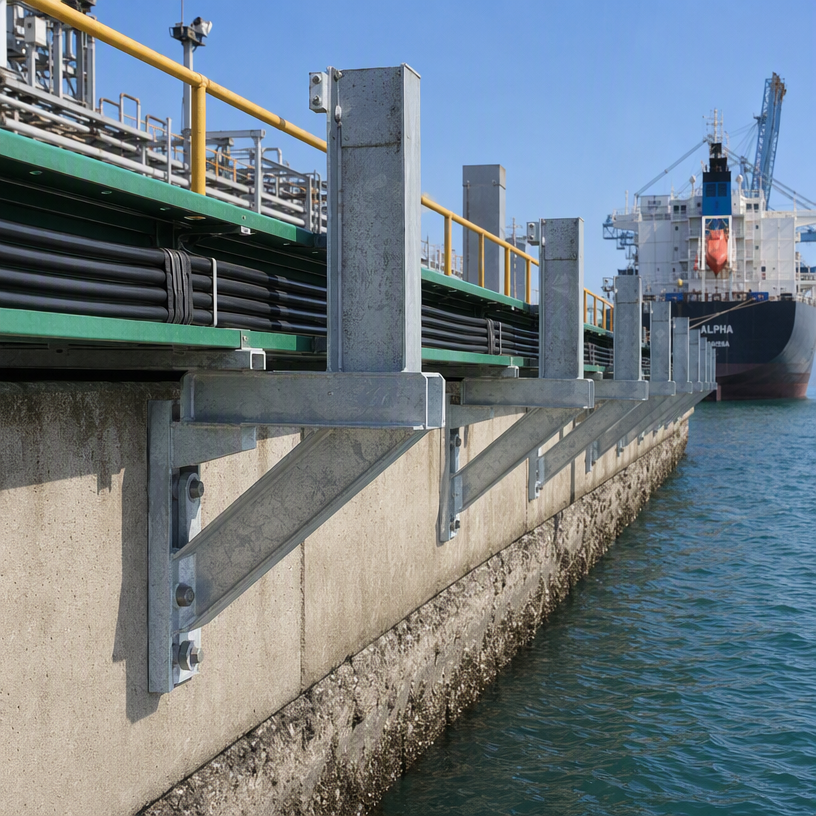
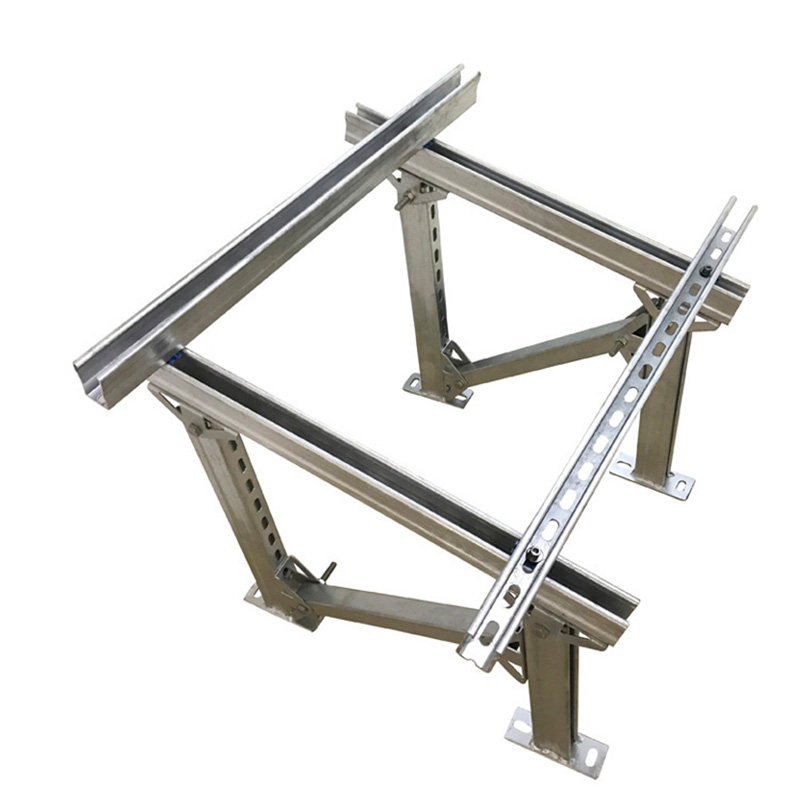
Key Specifications to Consider for Solar Panel Rails and Brackets
Understanding the key specifications of solar panel rails and brackets is crucial for ensuring compatibility with your solar energy system. Important factors to consider include:
Material: Common materials include aluminum and galvanized steel. Aluminum is lightweight and resistant to corrosion, making it suitable for various weather conditions. Steel, while heavier, provides strength and durability, especially for larger installations.
Dimensions: The dimensions of the rails and brackets must align with the size and weight of the solar panels being used. Ensure that the mounting structure can support the load and withstand environmental factors like wind and snow.
Load Capacity: Evaluate the load capacity of the mounting system, which is essential for ensuring safety and stability. This specification will depend on the design and material of the rails and brackets, as well as the installation environment.
Compatibility: Ensure that the solar panel mounting system is compatible with the specific type of solar panels you are using. This includes checking the mounting hole patterns and the overall design of the panels.
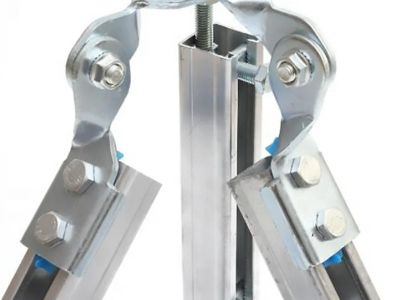
Seismic Compliance: In regions prone to seismic activity, it’s crucial to verify that the mounting structures comply with local building codes and standards for seismic performance. For instance, utilizing a Seismic Support System can enhance safety.
Buyers should confirm these specifications with their suppliers to ensure that the selected products align with their project needs.