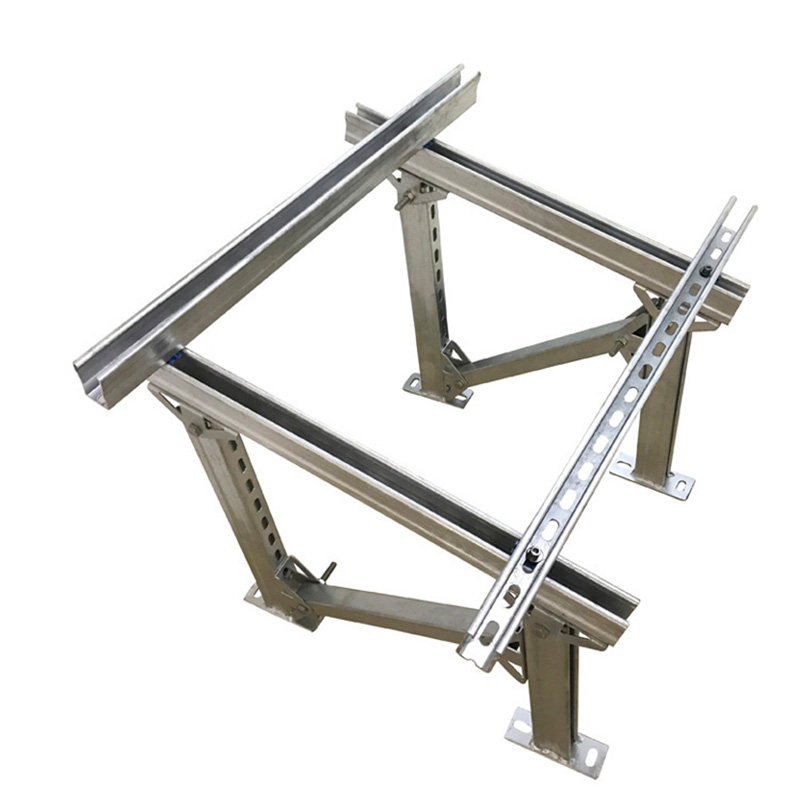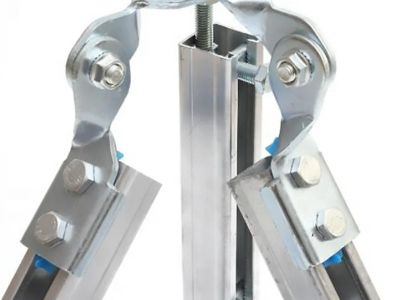
Quality Solar Panel Rails and Brackets from QINKAI

Get a Free Quote

Our representative will contact you soon.
Email
Mobile/WhatsApp
Name
Company Name
Message
0/1000

solar panel rails and brackets

Solar panel rails and brackets are critical components in the installation  of solar energy systems, ensuring panels  are securely mounted and optimally positioned for  maximum sunlight exposure.  For purchasing managers, engineers, and  other  B2B  buyers, understanding the  nuances of these mounting  solutions  is essential  for making informed decisions. This article  will guide  you through evaluating suppliers,  key specifications, quality assessments,  budgeting  considerations, and  best practices  related to solar panel rails and  brackets.
Our Products

Key Specifications to Consider for Solar Panel Rails and Brackets

Key Specifications to Consider for Solar Panel Rails and Brackets

Understanding the  key specifications  of solar panel rails and brackets is crucial for ensuring compatibility with your solar energy system. Important factors to consider include:

Material: Common materials include aluminum and galvanized steel. Aluminum is lightweight and resistant to corrosion,  making it suitable for various weather conditions. Steel, while heavier, provides strength and  durability, especially for larger installations.

Dimensions:  The dimensions  of the  rails and brackets must align with  the size and weight of the solar panels being used. Ensure that the mounting structure can  support the load and withstand environmental factors like wind and snow.

Load  Capacity: Evaluate the load  capacity of the mounting system,  which is essential for ensuring safety and stability. This specification will depend on the design and material of the rails and brackets, as well as the installation environment.

Compatibility: Ensure that the  solar panel mounting system is  compatible with the specific type of solar panels  you are  using. This includes checking the mounting hole patterns and the  overall design of the panels.

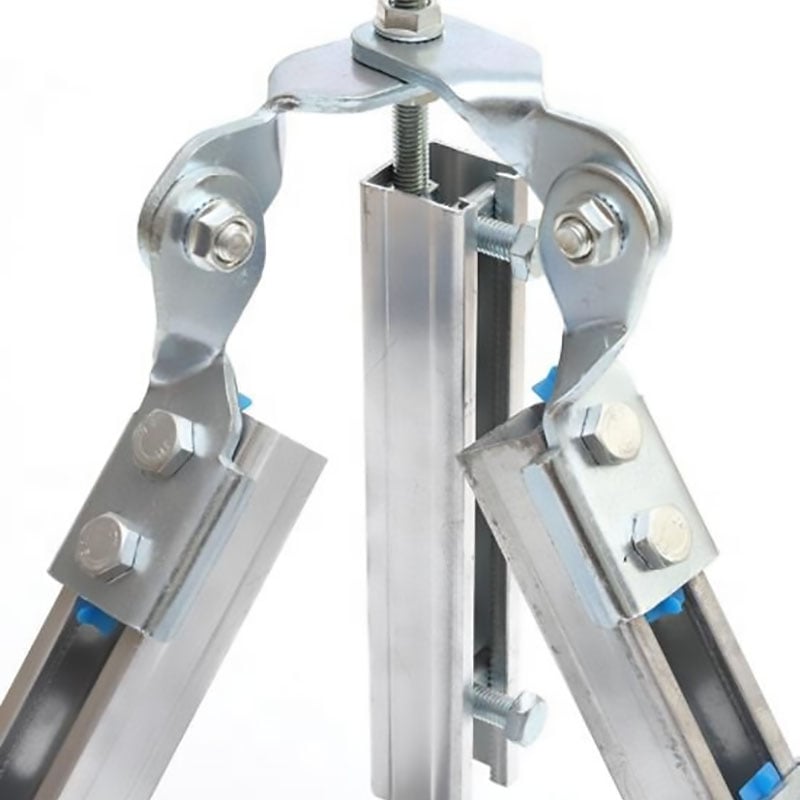
Seismic Compliance: In regions prone to seismic activity, it’s crucial to verify that the  mounting structures  comply with local building codes and standards for seismic  performance. For instance, utilizing a Seismic Support System can enhance safety.

Buyers should confirm these specifications with their suppliers to ensure that the selected products align with their project needs.
Evaluating Quality in Solar Mounting Structures and Accessories

Evaluating Quality in Solar Mounting Structures and Accessories

Quality is a pivotal aspect  when selecting solar panel rails and brackets. Here are some key evaluation criteria:

Material Quality: Inspect the quality of the materials used in the manufacturing process. High-grade materials  not only provide better performance but  also enhance  durability  and lifespan.

Manufacturing Processes: Understanding the manufacturing processes employed by the supplier can reveal a  lot about the potential quality of the products. Look  for suppliers that adhere to stringent quality control processes and have certifications that prove their compliance with industry standards.

Testing and Inspections: Inquire about the  testing methods used to ensure product durability  and performance. Reliable manufacturers often subject their products to various tests, such as stress tests and environmental  simulations,  to confirm their resilience.

Customer Feedback: Reviews and testimonials from other customers  can provide insight into the reliability and performance of the supplier's products. Look  for feedback related to  installation  ease, durability, and  customer service.

By  systematically  evaluating these factors, buyers can make more informed choices that minimize risks  in project implementation.

Budgeting for Solar Panel Rails and Brackets Purchases

Budgeting for Solar Panel Rails and Brackets Purchases

Budgeting for  solar panel rails  and brackets requires a clear understanding of several cost factors:

Material  Costs: The type of  material significantly impacts pricing. Aluminum  tends to be more expensive than  galvanized steel, but its lightweight nature may reduce  installation costs.

Customization: Custom solutions may incur additional costs. Discuss your specific requirements with the supplier to get an accurate estimate of any  extra charges associated with custom designs.

Quantities:  Bulk purchasing can lead to cost savings. Understand the minimum order  quantity (MOQ)  requirements of the supplier to optimize  your budget.

Shipping and Handling: Factor in shipping costs, especially for large or heavy items. Consider the delivery timeline as well; expedited shipping  may be necessary for urgent projects but will increase costs.

Installation  Costs: Lastly, consider whether the supplier  offers  installation services or if you will need to hire external contractors,  which can add to the overall budget.

Creating  a detailed budget that includes all these  elements will help ensure that financial resources  are allocated effectively throughout the project.

Best Practices for Solar Mounting Systems

To maximize the  performance and longevity of solar panel rails and brackets, adhere to these best  practices:

Proper Installation: Follow the manufacturer's installation guidelines carefully. Incorrect installation can lead to structural failures and reduced efficiency of the solar panels. If possible, have  a qualified professional oversee the installation.

Regular Maintenance: Conduct periodic inspections of the mounting structures to identify any signs  of wear or damage.  Regular maintenance can prevent costly repairs and ensure the system  operates optimally.

Environmental Considerations: Consider the environmental  conditions where the solar panels will be installed. Areas with high wind or snow loads  may require additional reinforcements or specific mounting  configurations.

Documentation and Compliance: Keep detailed records of  installation procedures, materials used, and any inspections conducted.  This documentation will be essential for compliance with local regulations and  for future maintenance planning.

Collaboration with Suppliers: Maintain open communication with your suppliers. They  can provide valuable insights and recommendations based on  industry trends and  innovations that may benefit  your  solar installation.

By implementing these best practices, you can enhance the reliability and efficiency of your solar  mounting systems, ultimately leading to greater energy production  and return on investment.

Reliable Suppliers for Solar Mounting Solutions

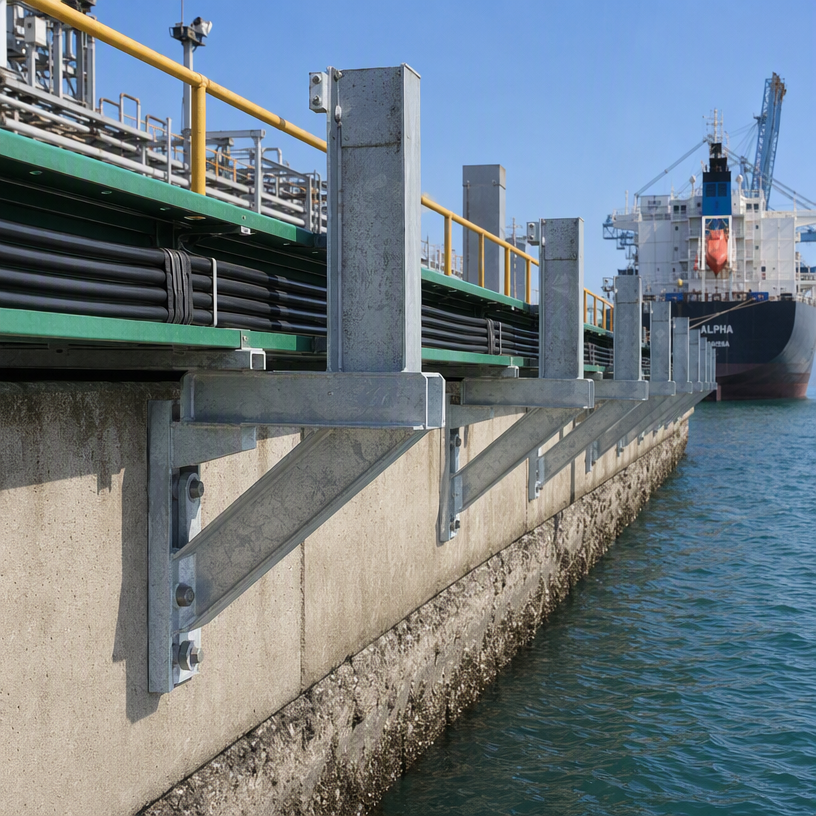
When sourcing solar  panel rails and brackets, it’s  vital to partner with reliable suppliers who understand the unique demands of the solar industry. Look for manufacturers like Shanghai Qinkai  Industry Co., Ltd., which  specialize in support systems and solar  mounting structures. A trustworthy  supplier should have a proven track record in manufacturing quality  products, demonstrate  a commitment to quality  control, and offer customization capabilities to  meet specific project requirements. Additionally, consider exploring options like SS316 Cable Tray Bracket — Corrosion-Proof Support Arms for Power Plant Cable Systems for added support solutions.

Additionally, assess  the supplier’s  manufacturing capabilities, including the  types of materials used, production equipment, and certifications. Suppliers with experience in  exporting to diverse markets  may  also provide insights  into compliance with  international standards and regulations. Establishing a long-term relationship with a reliable supplier  can  lead to better pricing, consistent product quality, and improved service.

Frequently Asked Questions

What materials are used for the solar panel rails and brackets?

We use high-quality galvanized steel and aluminum alloys, chosen for strength, corrosion resistance, and long outdoor life suitable for mounting systems and related accessories.
Our rails and brackets are designed for broad compatibility with standard panel sizes and frames; provide panel model and dimensions for confirmation and recommended fittings.
Yes. We offer custom fabrication and stamping of rails, brackets, and support components to meet project specifications and mounting system requirements.
We supply C-channel supports, finished supports, seismic bracing options, and complete mounting accessories for rooftop and ground installations. Installation guides are available.
Products undergo strict quality checks and material testing. Warranty terms vary by product; contact us with project details for specific warranty and inspection documentation.

Our Blog Posts

Complete Hardware Glossary: Solar Mounting, Pipe Supports and Cable Management Parts

21

Sep

Complete Hardware Glossary: Solar Mounting, Pipe Supports and Cable Management Parts

Understanding the components of solar mounting structures, pipe supports, and cable management parts is crucial for professionals in the manufacturing and construction industries. This complete hardware glossary will provide insights into evaluating ...
View More

Get a Free Quote

Our representative will contact you soon.
Email
Mobile/WhatsApp
Name
Company Name
Message
0/1000

Related product categories

Quality Solar Panel Rails and Brackets from QINKAI

Get a Free Quote

Our representative will contact you soon.
Email
Mobile/WhatsApp
Name
Company Name
Message
0/1000