Choosing Durable Cable Conduit Clips for Your Project

Get a Free Quote

Our representative will contact you soon.
Email
Mobile/WhatsApp
Name
Company Name
Message
0/1000

cable conduit clip

Cable conduit clips are essential components  used to secure  cable conduits, ensuring that electrical wiring is  organized and  protected in various industrial and  commercial  applications. As  a  purchasing  manager or engineer evaluating options, you likely have concerns  about the durability, compatibility, and cost-effectiveness of these clips. This article  will guide you through critical considerations  when selecting  cable conduit clips, covering how to  choose  the  right type,  their durability features, installation tips, cost  factors for bulk  purchases, and common issues with solutions.
 

Our Products

What Makes a Durable Cable Conduit Clip?

What Makes a Durable Cable Conduit Clip?

Durability is paramount when selecting cable conduit clips, especially in industrial settings where  they may be subjected to stress and harsh conditions. Several factors contribute to the durability of these clips:

Material  Strength: High-quality materials such as galvanized steel or stainless steel provide excellent strength and resistance to wear and corrosion. Look for clips that specify high tensile  strength and appropriate corrosion resistance for your  application.

Design and Structure: The design  of the clip plays a critical role in its  durability. Features  such as reinforced  edges, thicker bases, and ergonomic shapes can enhance  strength. A well-engineered clip will  distribute  stress evenly and minimize points of failure.

Surface Treatment: Clips that have undergone surface treatments, such as galvanization or  powder coating, offer improved resistance  to rust and environmental damage. This is particularly important in applications exposed to moisture or chemicals.

Testing and Certification: Manufacturers that conduct rigorous testing and offer certifications for  their products demonstrate a  commitment to quality. Look for clips that  have been tested  for load  capacity, impact resistance, and environmental durability.

Choosing clips with these durability features will ensure  long-lasting performance and  reduce the need for frequent replacements.
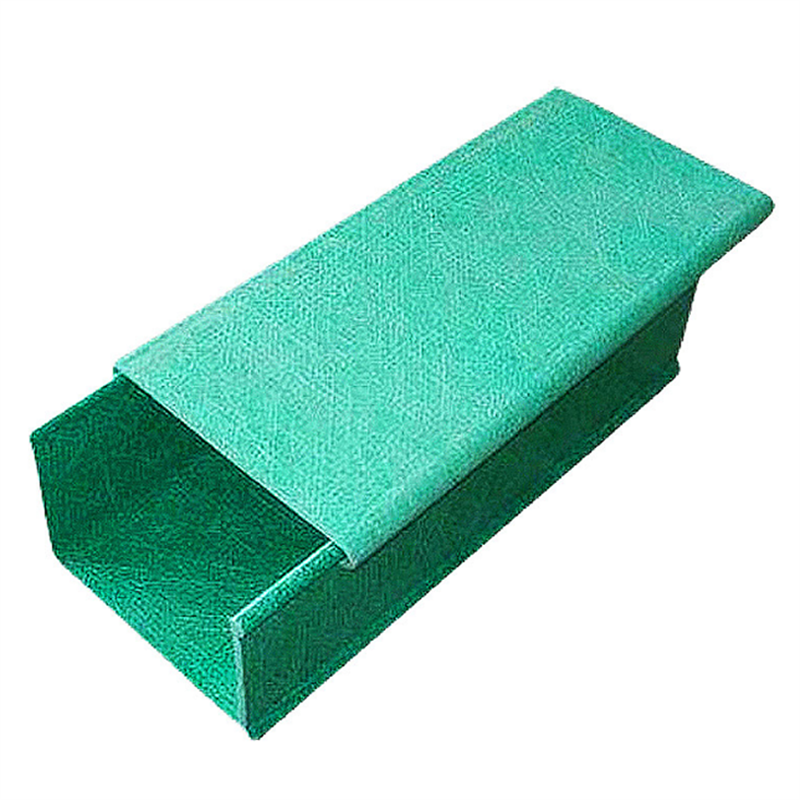
Installation Tips for Efficient Use of Cable Conduit Clips

Installation Tips for Efficient Use of Cable Conduit Clips

Proper installation of cable conduit  clips is essential for ensuring the effectiveness of your wiring system. Here are some practical tips to facilitate efficient installation:

Pre-Installation Assessment:  Before installation,  assess the project site to determine the best locations for clip placement. Ensure that the  clips will not interfere with other systems, such as plumbing or HVAC.

Use the Right Tools: Utilize  the appropriate tools for installation, including drills, screwdrivers, or  wrenches. Using the correct tools will speed up the installation process and reduce the risk of damaging the clips or conduits.


Proper Spacing: Follow the  manufacturer's recommendations for spacing between clips. Generally, clips should be spaced closer together for heavier cables or  when running through areas with  potential movement  or vibration.


Secure Fastening: Ensure that each clip  is securely fastened to prevent movement. Tighten screws or bolts to the recommended torque  specifications to maintain clip integrity.


Post-Installation Inspection: After installation, conduct a thorough  inspection to ensure all  clips are properly placed and secure. Check for any signs of misalignment or looseness that might affect performance.

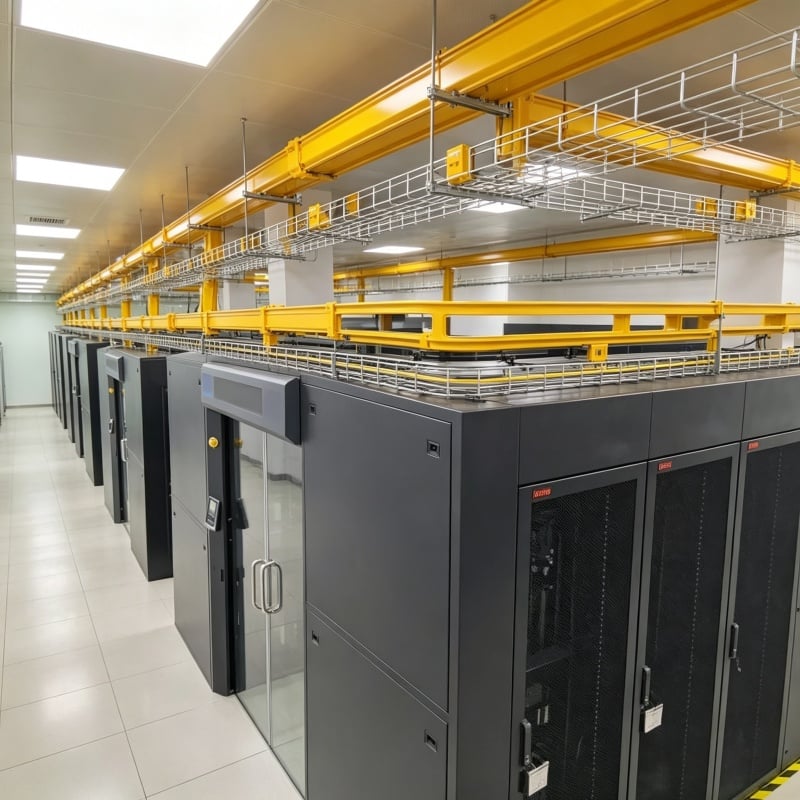
Following  these  installation tips will enhance the reliability of your cable management system and ensure that your electrical installations  remain safe and organized. Additionally, if your project involves building facilities like Industrial Workshops, proper installation becomes even more critical.

Cost Factors When Purchasing Cable Conduit Clips in Bulk

Cost Factors When Purchasing Cable Conduit Clips in Bulk

When considering bulk purchases of cable conduit clips, several cost factors come into play  that can affect your  overall expenditure:

Material Costs: The  type  of material used for  the  clips significantly influences price. Steel clips may be more costly than plastic options, reflecting their  durability and load-bearing capabilities.

Quantity Discounts: Many manufacturers offer tiered pricing based on order volume.  Ordering in larger quantities can lead to  significant savings  per unit, particularly  for standard clip  types.

Shipping and Handling: Consider the logistics costs associated with bulk purchases. Shipping costs can vary based on the weight  and size of the order, so  factor these into  your total cost assessment.

Customization Costs: If you require customized clips tailored to specific project needs, be prepared for additional costs associated with design and  production.

Supplier Relationships: Establishing a good relationship with suppliers can lead to better pricing and  terms. Suppliers may offer loyalty discounts or flexible payment options  for repeat customers.

By understanding these cost factors, you can make strategic  purchasing decisions that align with your budget and project requirements.


Common Problems with Cable Conduit Clips and Their Solutions

Despite their simplicity, cable conduit clips can present  several common issues during installation  and use. Here are typical problems and practical solutions:

Loosening Over Time:  Clips can become loose due to vibrations or  thermal expansion. To address this, consider using  locking mechanisms or lock washers to keep the clips securely fastened.

Corrosion: In humid  or corrosive  environments, clips may rust or degrade. To mitigate  this, select clips made from corrosion-resistant materials and consider applying protective coatings.

Incompatibility  with Conduit Size:  Using clips that are not suited for the specific conduit size can lead to instability. Always  verify dimensions before purchasing  and ensure that clips  are compatible with conduit specifications.

Overloading:  Clips that are not rated for the weight of the cables they  secure can fail.  Always check load ratings and select clips that exceed your expected weight requirements.

Difficult Installation: Some  clips may be challenging to install, leading to improper placement. Familiarize your team with installation procedures and consider pre-assembling clips with the conduit where feasible.

By proactively addressing these common issues, you can ensure the effectiveness and  longevity of your cable conduit clips in  various applications.


How to Choose the Right Cable Conduit Clip for Your Projec

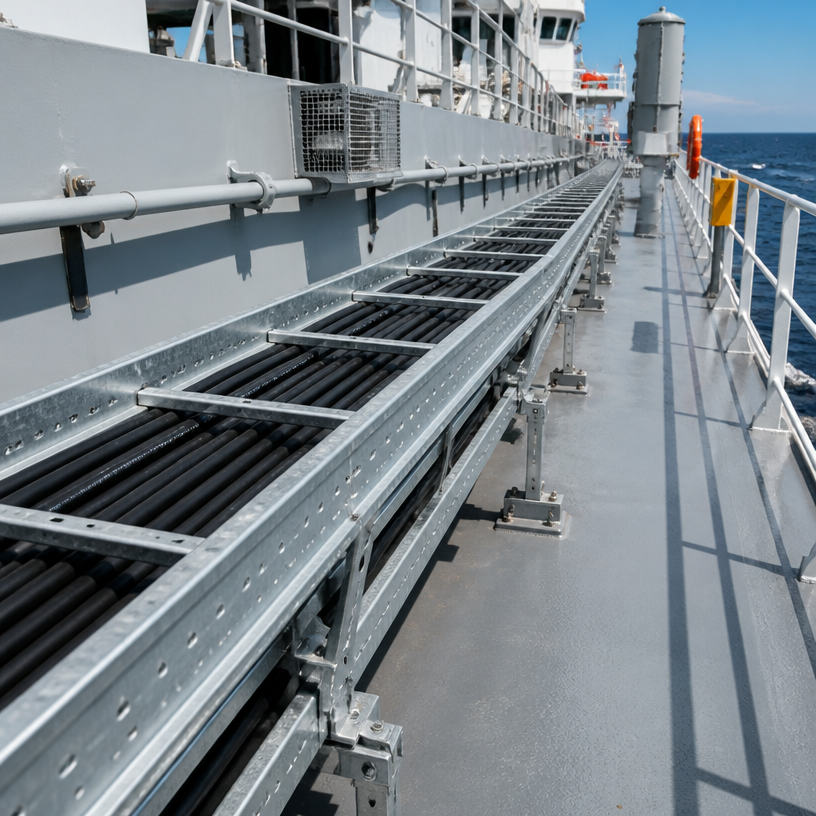
Selecting the appropriate cable conduit clip  begins with  understanding  the specific requirements of your project. Key factors to consider include the size of the conduit, the environment in which the clips will be used, and the load  they need to support. For instance, if you are working on projects involving Marine Engineering, understanding these factors is crucial.


Conduit Size and Type: Ensure  that the clips  you select are compatible with the diameter of the conduit. Common sizes range from  ½ inch to  4 inches, so confirming the exact measurements  is crucial.

Material Selection: Cable conduit clips are typically made  from materials like steel, plastic, or aluminum. Steel clips offer high durability and are suitable for heavy-duty applications, while  plastic  clips may be more appropriate for lighter installations and environments sensitive to corrosion.

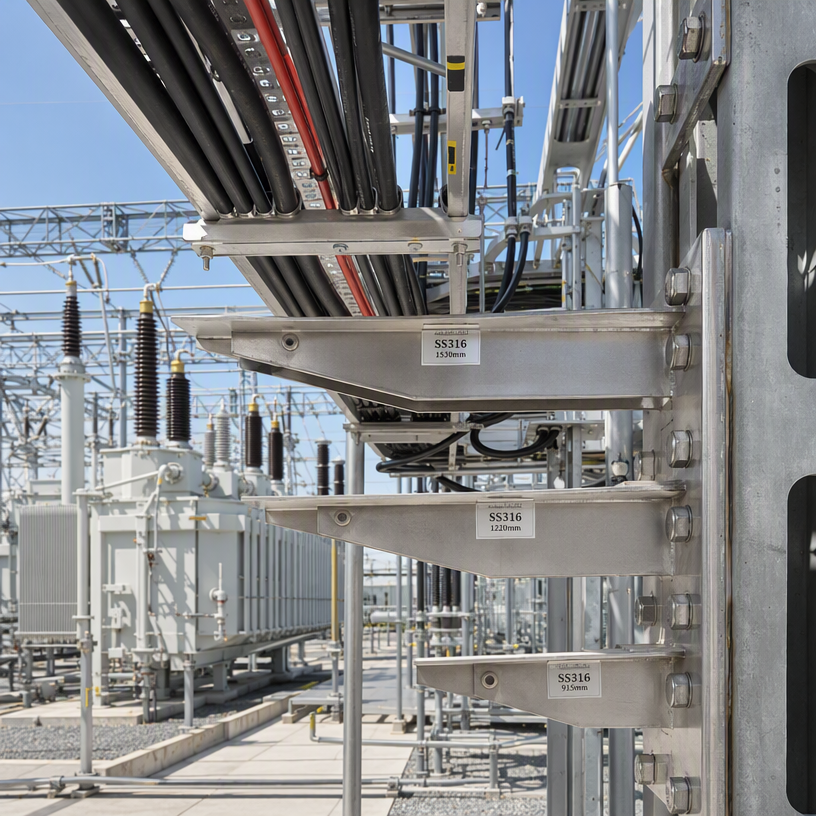
Environmental Conditions: Consider environmental factors such as moisture, temperature fluctuations, and exposure to chemicals. For instance, stainless steel clips may be necessary for outdoor or harsh environments to prevent rust and ensure longevity.

Load Requirements:  Evaluate the weight of the cables and any additional loads  they might bear. Clips must be rated  to handle  these weights without bending or breaking.

Regulatory Compliance: Ensure that the clips meet relevant industry standards and regulations,  which may vary based on your location or the specific application.

By taking  these factors  into account, you can make an informed choice that aligns with your project's requirements.

Frequently Asked Questions

What is a cable conduit clip used for?

A cable conduit clip secures conduits, raceways, or cables to structures, preventing movement and organizing runs for safety and neat installations in industrial and commercial projects.
We offer clips in steel and galvanized finishes, with options for stainless steel on request to resist corrosion and meet different environmental and load requirements.
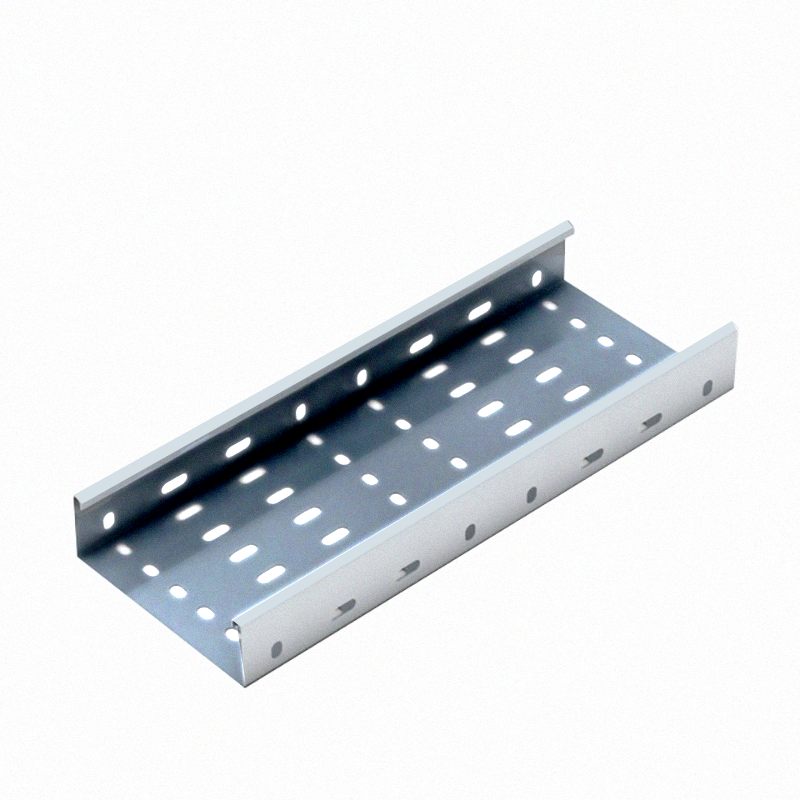
Yes. Our clips are designed to integrate with cable trays, C-channel supports, wire troughs, and mounting systems for secure, modular installations.
Yes. We provide custom stamping and fabrication for clip sizes, hole patterns, and finishes to match specific support systems and seismic or solar mounting needs.
Contact our sales team with project details, required quantities, material, and finish. We will provide lead times, pricing, and sample options based on your specifications.

Our Blog Posts

Customized Stainless Steel Products: Solve Corrosion Pain Points for Coastal Solar

22

Sep

Customized Stainless Steel Products: Solve Corrosion Pain Points for Coastal Solar

Customized stainless steel products are essential for addressing the unique corrosion challenges faced by coastal solar installations. As purchasing managers and engineers evaluate materials and components for these environments, they must consider f...
View More
Conduit Clamp Material Comparison: Galvanized, Stainless and Nylon

23

Sep

Conduit Clamp Material Comparison: Galvanized, Stainless and Nylon

Understanding conduit clamp materials is essential for any purchasing manager or product engineer tasked with sourcing reliable and effective fastening solutions. This article focuses on the conduit clamp material comparison between galvanized steel,...
View More
Load-Capacity Comparison: C-Channel vs Standard Unistrut Channel

23

Sep

Load-Capacity Comparison: C-Channel vs Standard Unistrut Channel

Understanding the load-capacity comparison between C-channel and standard Unistrut channel is critical for B2B buyers in the manufacturing and construction sectors. Both products serve vital roles in supporting structures, but their specifications an...
View More
Cable Ladder Specification Guide for Heavy Solar DC Cable Runs

25

Sep

Cable Ladder Specification Guide for Heavy Solar DC Cable Runs

When managing the installation and organization of heavy solar DC cable runs, selecting the appropriate cable ladder is crucial. This Cable Ladder Specification Guide for Heavy Solar DC Cable Runs will help procurement managers, engineers and project...
View More

Get a Free Quote

Our representative will contact you soon.
Email
Mobile/WhatsApp
Name
Company Name
Message
0/1000

Related product categories

Choosing Durable Cable Conduit Clips for Your Project

Get a Free Quote

Our representative will contact you soon.
Email
Mobile/WhatsApp
Name
Company Name
Message
0/1000