Choosing the Right Aluminum Track Channel

Get a Free Quote

Our representative will contact you soon.
Email
Mobile/WhatsApp
Name
Company Name
Message
0/1000

aluminum track channel

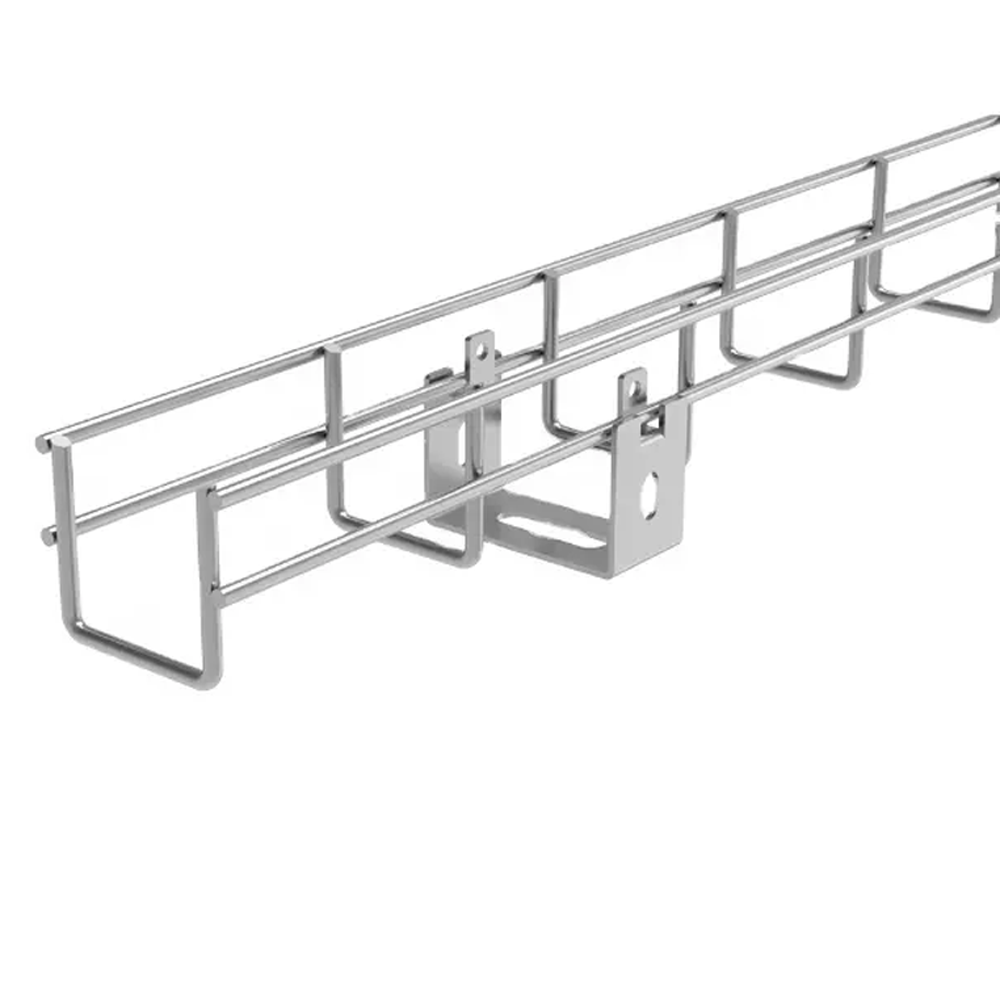
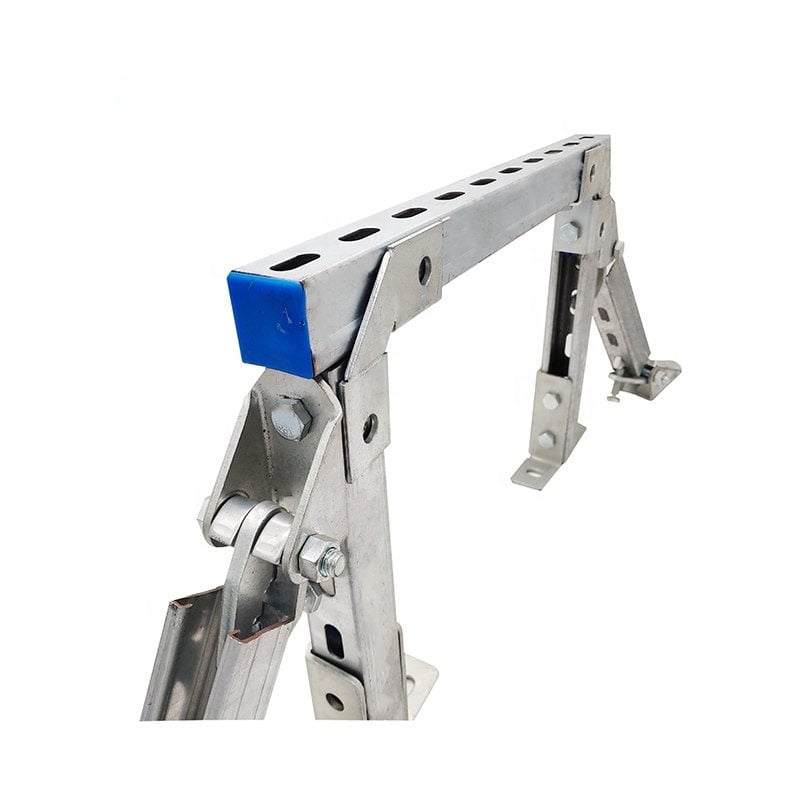
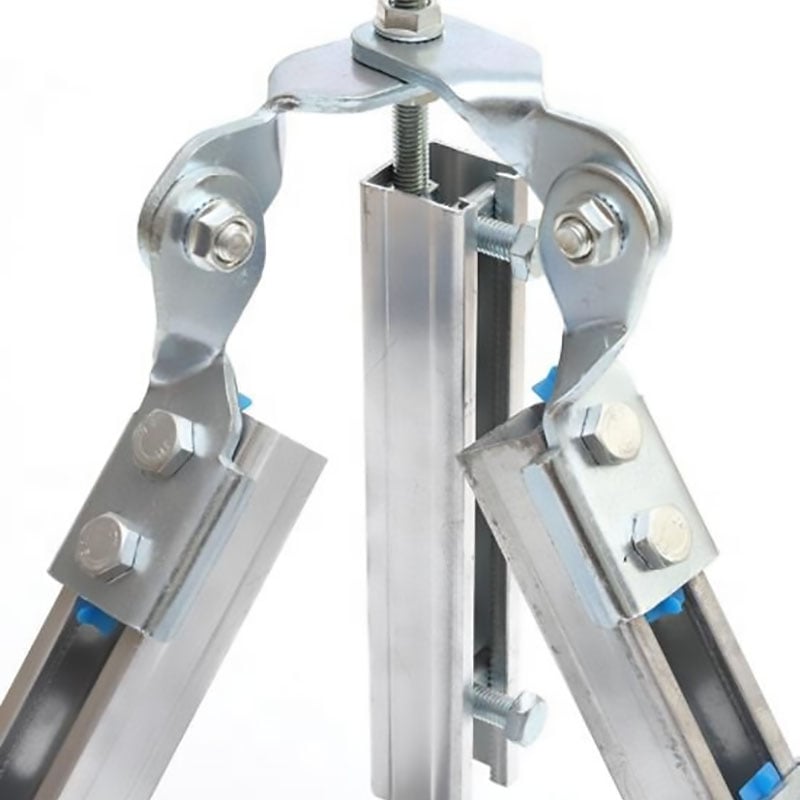
Aluminum track channels are  essential  components used  in  various  applications, including construction, manufacturing, and  assembly processes. These  channels provide a robust  and  lightweight solution for guiding, supporting,  and  securing equipment, making  them a popular choice among  B2B buyers.  When  selecting aluminum track channels, buyers may  have concerns regarding specifications, pricing, installation,  and quality assurance. This article will help  you navigate  these considerations, ensuring  you make informed decisions for your projects.
Our Products

Key Specifications of Aluminum Track Channels for Bulk Orders

Key Specifications of Aluminum Track Channels for Bulk Orders

When evaluating aluminum track  channels, several key specifications should be considered to ensure optimal performance:


Material Grade: The aluminum alloy  used can significantly affect the channel's strength and  corrosion resistance. Common grades include 6061 and 6063, which offer excellent structural integrity and are suitable for various applications.

Dimensions:  Track channels come in different widths, heights, and wall thicknesses. Ensure that the dimensions  align with your application requirements. A channel that is too  narrow may not provide adequate  support, while one that is too wide can result in unnecessary weight and cost.


Load Capacity: Specify the maximum  load the channel will need to support. This  is crucial  for ensuring safety and performance. A manufacturer  can provide load ratings based on the channel's design and material properties.

Finish and Coating: The  surface finish can impact both aesthetics  and durability. Anodized finishes can enhance corrosion resistance, while powder coating can provide additional protection and color  options.

Compatibility with Accessories: Consider any additional components you may need, such as brackets or connectors. Ensuring compatibility between these components and the track channel will streamline the installation process.

By confirming these specifications before  placing an  order, you can  avoid costly mistakes and ensure the selected channels  meet your project's demands.
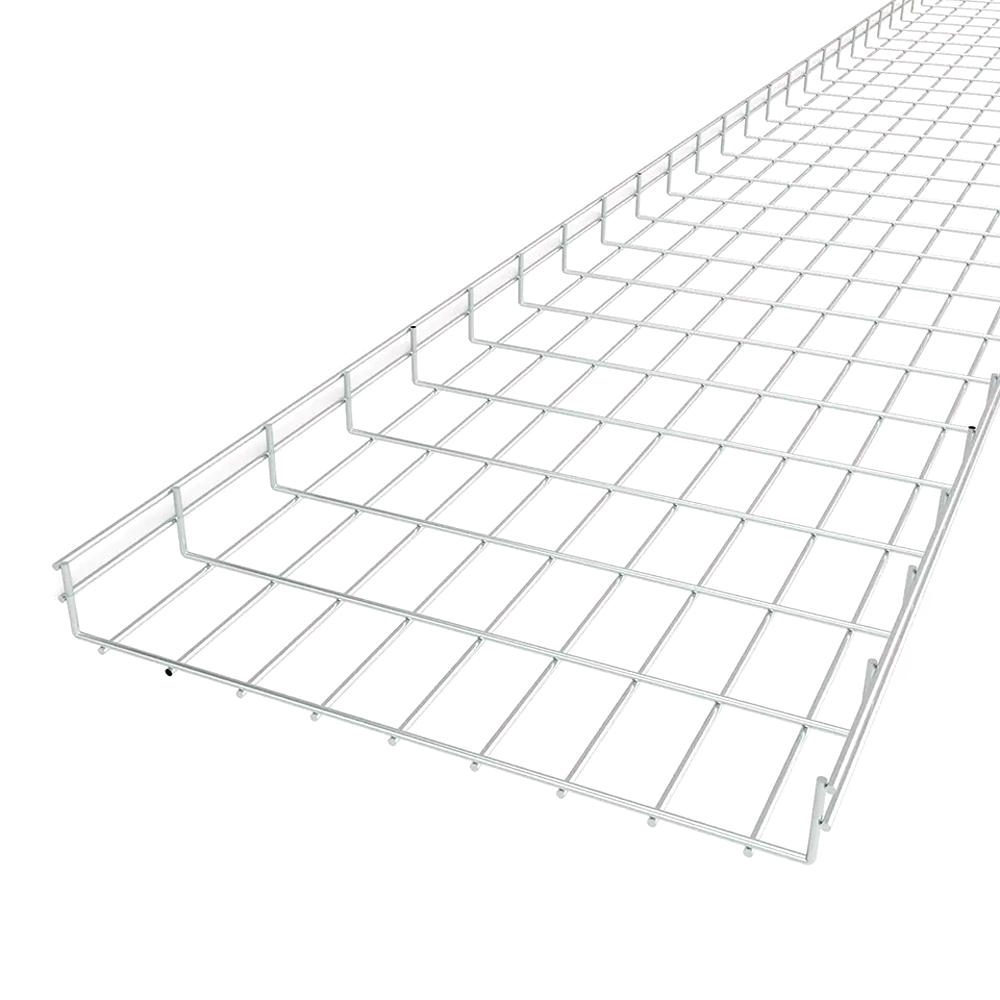
What to Look for in Aluminum Track Channels

What to Look for in Aluminum Track Channels

When purchasing  aluminum track channels in bulk, pricing can vary based on several  factors.  Manufacturers  often  offer wholesale pricing, which can significantly reduce costs compared to purchasing individual units. Key factors influencing pricing include:

Order Quantity: Larger orders typically  result in lower per-unit costs. It’s essential to discuss your projected needs with manufacturers to take advantage of bulk pricing.


Customization Requirements: Custom designs or specific finishes may  incur additional  charges. Be clear about your requirements  when requesting quotes to receive accurate pricing.

Material Costs: Fluctuations  in raw material prices can impact the  overall cost of aluminum track channels. Staying informed about market conditions can help you  time your purchases more strategically.

Shipping and Handling: Depending on the order size, shipping costs can vary.  Some  manufacturers may offer free shipping for large orders, while  others may charge based on distance and weight.

Lead Times: Longer lead times may allow for better pricing, as manufacturers  can plan production  schedules more efficiently. Discuss potential lead times with your supplier to find a balance between cost and  urgency.

By understanding these  pricing factors, you can negotiate better deals and plan your budget more effectively when purchasing aluminum track channels.

Cost Factors to Consider When Purchasing Aluminum Track Channels

Cost Factors to Consider When Purchasing Aluminum Track Channels

Installation of aluminum track  channels can present various challenges. Being  aware of common issues and their solutions can help ensure a  smooth installation process:

Misalignment: Improper alignment during  installation can  lead to operational issues. To prevent this, ensure that all mounting  points are level and adequately marked before securing the channels. Using a laser  level can aid in achieving  precision.

Inadequate Support: Insufficient support can compromise the integrity of the installation. Always consult load specifications  and ensure that the channel is adequately supported at recommended intervals. This may involve using  additional brackets or supports as necessary.


Corrosion Issues: If  channels are installed in environments with high moisture or corrosive elements, they may require additional protective  measures. Consider using aluminum with an anodized finish or applying a protective coating post-installation.

Difficulties in Mounting Accessories: Sometimes, mounting  additional  components like brackets can be challenging. Pre-drilling holes or using adjustable brackets may facilitate easier  installation and adjustment.


Material Defects: Inspect channels prior  to installation for any visible defects or damage. If any issues  are identified, discuss them with your supplier immediately to avoid complications during installation.

By anticipating these issues and implementing preventive measures, you can minimize delays and ensure a successful installation  of aluminum track channels.

Applications of Aluminum Track Channels in the Manufacturing Sector

Quality  assessment is vital when selecting aluminum  track  channels, as it directly impacts performance and durability. Here are critical factors to consider:

Material Specifications: Verify that the aluminum grade complies with industry standards. High-quality materials will enhance strength and  resistance to wear and corrosion.

Manufacturing  Processes: Inquire about  the manufacturer’s production  capabilities and processes. Reputable  manufacturers will adhere to strict quality control measures,  including inspections at various  stages of production.

Certifications:  While the provided information does not specify certifications  for Shanghai Qinkai Industry Co., Ltd., reputable manufacturers often have ISO certification or other relevant industry certifications that validate their quality management systems.

Customer Feedback: Seek reviews or testimonials from other buyers. Their experiences can provide valuable insights into the  performance and reliability of the aluminum track channels.

Sample Testing: Before placing  a large order, request samples and  test them under actual operating conditions.  This  allows  you to assess the channel's performance and determine its suitability for your application.

By taking the time to  evaluate these quality indicators, you can ensure that the aluminum track channels you select will meet your operational needs effectively.

How to Choose the Right Aluminum Track Channel for Your Projec

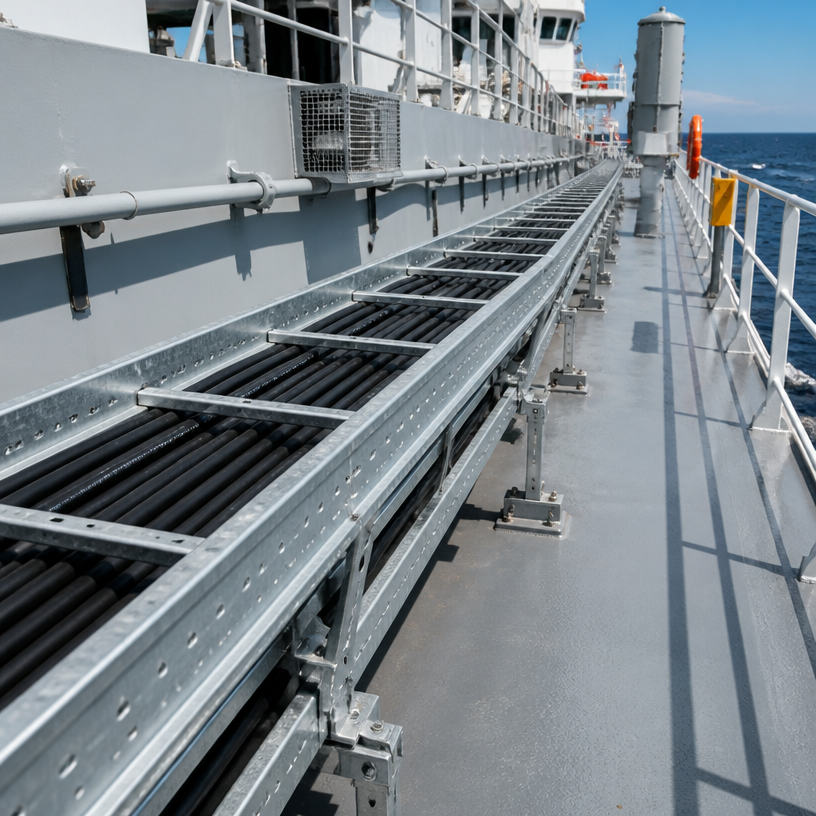
Selecting the appropriate aluminum track channel requires careful consideration of several factors. First,  assess the specific application and load requirements. Consider the weight and dimensions of the equipment that  will be supported  by the channel. Channels come in various sizes and load  capacities, so ensuring compatibility with your equipment is crucial. For example, in applications such as Marine Engineering, precise specifications are vital for performance.

Next, consider environmental factors. Will the track channel be exposed to moisture,  chemicals, or extreme temperatures? If so,  you may need  to  choose  a channel with specific corrosion-resistant properties or surface  treatments. Additionally, think  about whether a standard design will  suffice  or if  custom solutions are necessary.  Many manufacturers, including Shanghai Qinkai Industry Co.,  Ltd., offer  customization options to  meet unique project needs.

Lastly, evaluate the installation process. Some  channels may require specific mounting hardware or installation techniques, which can impact project timelines and labor costs. Understanding these aspects  will help you select a channel that aligns with your project requirements.

Frequently Asked Questions

What is an aluminum track channel used for?

An aluminum track channel supports and guides cable trays, wire troughs, solar rails, and sliding components in industrial and construction installations.
We offer multiple widths, depths, and thicknesses with standard C-channel and custom profiles to fit cable trays, supports, and mounting systems.
Available finishes include mill, anodized, and powder-coated surfaces for enhanced corrosion resistance in indoor and outdoor environments.
Yes. We provide custom lengths, hole patterns, brackets, and stamping features to integrate with seismic bracing, solar mounts, and support systems.
Lead times depend on quantity and customization; typical production ranges from days to weeks. Contact us with requirements for exact MOQ and delivery estimates.

Our Blog Posts

Complete Hardware Glossary: Solar Mounting, Pipe Supports and Cable Management Parts

21

Sep

Complete Hardware Glossary: Solar Mounting, Pipe Supports and Cable Management Parts

Understanding the components of solar mounting structures, pipe supports, and cable management parts is crucial for professionals in the manufacturing and construction industries. This complete hardware glossary will provide insights into evaluating ...
View More

Get a Free Quote

Our representative will contact you soon.
Email
Mobile/WhatsApp
Name
Company Name
Message
0/1000

Related product categories

Choosing the Right Aluminum Track Channel

Get a Free Quote

Our representative will contact you soon.
Email
Mobile/WhatsApp
Name
Company Name
Message
0/1000