EN
EN

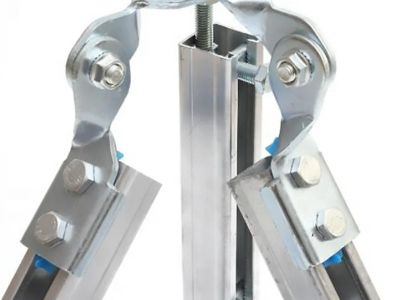
C-channels are vital components in various construction and support systems, particularly in electrical installations and structural applications. Buyers often face challenges in selecting the right C-channel steel due to varying specifications, applications, and cost factors. This article will guide you through the key specifications to evaluate C-channels for your projects, the cost factors associated with C-channel steel solutions, and best practices in their usage and installation.
Understanding the Cost Factors of C-Channel Steel Solutions
The cost of C-channel steel solutions can vary widely based on several factors:
Material Costs: The choice of material has a direct impact on pricing. For example, stainless steel C-channels will generally be more expensive than mild steel due to their enhanced properties.
Manufacturing Processes: The complexity of the manufacturing process can influence costs. Custom-cut C-channels or those requiring specific finishes may incur higher production costs compared to standard options.
Volume and Bulk Discounts: The quantity ordered often affects the price. Many suppliers offer discounts for bulk orders, which can significantly reduce per-unit pricing. For bulk needs, you might want to explore Qinkai Heavy-Duty Industrial Cable Tray System.
Shipping and Handling: Consideration must also be given to logistics. C-channels are typically heavy and may incur substantial shipping costs, especially for international orders.
Market Fluctuations: Steel prices can fluctuate due to market demand, availability, and geopolitical factors. Staying informed about market trends can help in budgeting and procurement strategies.
Understanding these cost factors will help you make informed purchasing decisions and optimize your project budgets.