
C-Channels for Ceiling Applications: Key Insights

Get a Free Quote

Our representative will contact you soon.
Email
Mobile/WhatsApp
Name
Company Name
Message
0/1000

c channel for ceiling

C-channels  are vital components in various  construction  and support systems, particularly in electrical  installations and structural applications. Buyers  often face  challenges in  selecting the  right  C-channel steel due to varying specifications,  applications, and cost factors. This  article will  guide you through the key  specifications to  evaluate C-channels for your projects, the cost factors  associated with C-channel  steel solutions, and  best practices in  their  usage and installation.

Understanding the Cost Factors of C-Channel Steel Solutions

The cost of C-channel steel solutions can  vary widely based on  several factors:

Material Costs: The  choice of material has  a direct impact on pricing. For example,  stainless  steel C-channels will generally be more expensive than mild steel due to their enhanced properties.

Manufacturing Processes: The complexity  of the manufacturing process can influence costs. Custom-cut C-channels or those requiring specific  finishes may incur higher production costs compared to standard options.

Volume and Bulk Discounts:  The quantity ordered often  affects the price.  Many suppliers offer discounts for bulk orders, which can  significantly reduce per-unit pricing. For bulk needs, you might want to explore Qinkai Heavy-Duty Industrial Cable Tray System.


Shipping and Handling:  Consideration must also be given to logistics. C-channels are typically heavy and may incur substantial shipping costs, especially  for international orders.

Market Fluctuations: Steel prices can  fluctuate due to market demand, availability, and geopolitical factors. Staying informed about market trends can help in budgeting and  procurement strategies.


Understanding these cost factors will help you make informed  purchasing decisions and optimize your project budgets.
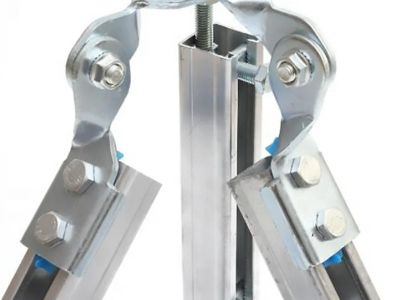
 

What to Look for When Buying C-Channels

When purchasing C-channels, there are several key considerations to ensure you select the right product for  your needs:

Supplier Reputation: Research suppliers to  verify their  reputation in the industry.  Look for  customer  reviews and testimonials to gauge reliability and product quality.

Customization Options: Depending on your project requirements, you may need customized C-channels. Ensure the manufacturer can accommodate your specifications, including dimensions,  material, and finishes.


Quality  Assurance: Ask about the supplier's quality control processes. Reliable manufacturers will conduct thorough inspections and testing to  ensure that the  C-channels meet specified standards.

Samples and Prototypes: Before committing to  a large  order, request samples or prototypes. Evaluating a physical product can reveal potential issues with fit and finish that may not be apparent in specifications  alone.

Documentation and Certification: Ensure  that the products come with necessary certifications and documentation, confirming compliance with industry standards and specifications.

By focusing on these factors, you  can mitigate  risks associated with purchasing and ensure that the  C-channels meet  your project requirements  effectively.

Best Practices for C-Channel Supports

Implementing best practices in the use of C-channel supports can enhance their performance and longevity:

Proper Installation: Follow manufacturer guidelines  for installation to ensure optimal performance. This  includes adhering to torque specifications and  ensuring that all connections are secure.

Use of Spacers and Support Blocks: Incorporate spacers or support blocks to distribute loads evenly and  prevent unnecessary stress on the  channels. This practice can extend the lifespan of the C-channels.

Regular Inspections: Conduct routine inspections to identify any signs of wear, corrosion, or deformation. Early  detection of issues  can prevent more significant problems  down the  line.

Appropriate Load Management: Ensure that the  C-channels  are  not overloaded beyond  their specified limits. Understanding  the load dynamics in your application can help prevent structural  failures.


Environmental Considerations:  Assess the environmental conditions where the C-channels will be used. For instance, in  coastal areas, additional  corrosion  protection may be necessary due to salt exposure. In such cases, consider using products like HDG Cable Ladder — ISO 1461 Hot-Dip Galvanized Cable Ladder for Coastal & Marine Service.

By adhering to these best practices, you can maximize the effectiveness of C-channel supports in your projects.

Common Installation Problems with C-Channels and Their Solutions

C-channel installation can present challenges that, if not addressed, may lead to  operational  inefficiencies or structural failures. Here are common problems and solutions:

Misalignment During Installation: One of the most frequent issues is misalignment. To avoid this, use alignment tools and jigs to ensure that channels are positioned correctly before securing  them.

Inadequate Load Distribution: If loads  are not evenly distributed across the C-channels, it can lead to bending or  failure. Ensure that supports are designed to distribute weight evenly and incorporate additional supports  where necessary.


Improper  Fastening: Using incorrect or insufficient fastening techniques  can compromise the integrity of the installation. Always use  the recommended fasteners and ensure that they are tightened to appropriate torque  specifications.


Corrosion Due to Poor Finish:  In  installations where C-channels are exposed to moisture, inadequate  finish can lead to corrosion. Selecting the right  coating and ensuring proper installation in these  environments is critical for longevity.

Ignoring Manufacturer Guidelines: Deviating from manufacturer guidelines can result in improper installation and performance  issues. Always adhere to  the specified installation practices provided by the manufacturer.

By anticipating these common issues and applying practical solutions, you can ensure a  successful installation that supports the longevity and effectiveness of your C-channel applications.

Key Specifications to Evaluate C-Channels for Your Projects

When assessing C-channels,  several key  specifications should be considered to ensure they meet your project requirements:

Material Composition: The steel grade used in C-channels significantly influences strength, ductility, and corrosion resistance. Common  materials include mild  steel, galvanized steel,  and stainless steel. For outdoor applications, galvanized or stainless  steel is often preferred due  to their resistance to environmental factors. If you are looking for reliable stainless steel solutions, consider SS316 Wire Mesh Cable Tray — Marine-Grade Stainless Steel Cable Management for Offshore & Coastal Installations.

Dimensions: C-channels come in a variety of sizes and thicknesses. Standard dimensions include height, width, and flange thickness. It’s crucial  to select the appropriate size to  ensure compatibility with other structural elements and to meet  load-bearing requirements.

Load Capacity: Understanding the load requirements is essential. Consider both static and dynamic  loads that the C-channel  will encounter. The load capacity is typically determined by the dimensions and material specifications.


Finish and  Coating: Depending on the application, the finish  can affect performance. For example, powder  coating or  galvanization can enhance corrosion resistance. It’s important to evaluate the finish to ensure it aligns with the environmental conditions of the installation site.

Manufacturing Standards: Check if the  C-channels meet relevant industry standards (such as ASTM or ISO). Compliance with these standards can be an indicator of quality and reliability.

These specifications play a  critical  role in ensuring that the selected C-channel will perform effectively in its intended application.

Frequently Asked Questions

What is the C channel for ceiling used for?

Our C channel for ceiling provides structural support for suspended ceilings, cable runs, and light fixtures, ensuring secure mounting and alignment in commercial and industrial installations.
We manufacture C channels in carbon steel and galvanized steel, with available finishes including hot-dip galvanizing, electro-galvanizing, and powder coating for corrosion resistance.
Standard widths, depths, and thicknesses are available; custom sizes and load-rated options can be produced to meet project specifications and seismic requirements.
Yes. We provide punched, slotted, or pre-drilled C channels to simplify installation and accommodate fasteners, cable ties, and threading as requested.
Yes. We deliver technical guidance, custom fabrication, and production of finished supports and accessories to match site requirements and ensure proper system integration.

Our Blog Posts

Complete Hardware Glossary: Solar Mounting, Pipe Supports and Cable Management Parts

21

Sep

Complete Hardware Glossary: Solar Mounting, Pipe Supports and Cable Management Parts

Understanding the components of solar mounting structures, pipe supports, and cable management parts is crucial for professionals in the manufacturing and construction industries. This complete hardware glossary will provide insights into evaluating ...
View More

Get a Free Quote

Our representative will contact you soon.
Email
Mobile/WhatsApp
Name
Company Name
Message
0/1000

Related product categories

C-Channels for Ceiling Applications: Key Insights

Get a Free Quote

Our representative will contact you soon.
Email
Mobile/WhatsApp
Name
Company Name
Message
0/1000