EN
EN

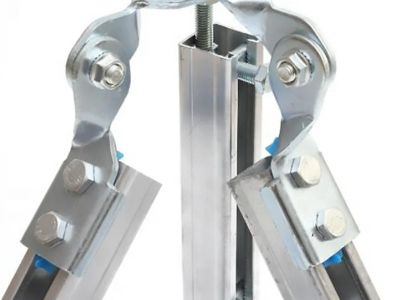
C-channel metal is an essential component in various industrial applications, particularly in the construction and electrical sectors. It serves as a structural element for supporting cable trays and other systems, offering strength and stability. For B2B buyers, key concerns often revolve around material quality, durability, customization options, and compliance with industry standards. This article will help you understand the specifications, selection criteria, and common challenges associated with C-channel metal, ensuring you make informed purchasing decisions.
How to Choose the Right C-Channel Metal for Your Projects
Selecting the right C-channel metal involves evaluating the specific needs of your project. Start by assessing the application environment. For instance, if the C-channel will be exposed to moisture or corrosive elements, opting for galvanized steel or stainless steel may be necessary to prevent degradation over time.
Next, consider the weight requirements. A heavier C-channel may be needed for applications requiring greater load capacity, while lighter options could suffice for less demanding uses. Be sure to check compatibility with existing systems to avoid installation issues.
Customization options are also worth exploring. Many manufacturers, including Shanghai Qinkai Industry Co., Ltd., offer tailored solutions to meet unique specifications. This can include custom lengths, widths, or additional pre-drilled holes for easier installation. You might find that solutions provided by Industrial Workshops can further enhance your project outcomes.
Finally, engage with suppliers to discuss your project needs. They can provide valuable insights and recommendations based on their manufacturing experience and technical knowledge of C-channel metal.