EN
EN

Aluminum track rails are essential components widely used in various industrial and commercial applications, including material handling, automated systems, and machinery support. As a B2B buyer, you may have concerns about sourcing high-quality aluminum track rails that meet specific project requirements, such as load capacity, material specifications, and manufacturing standards. This article will provide you with a comprehensive understanding of aluminum track rails, key considerations for sourcing, and practical guidance for making informed purchasing decisions.
A Comprehensive Guide
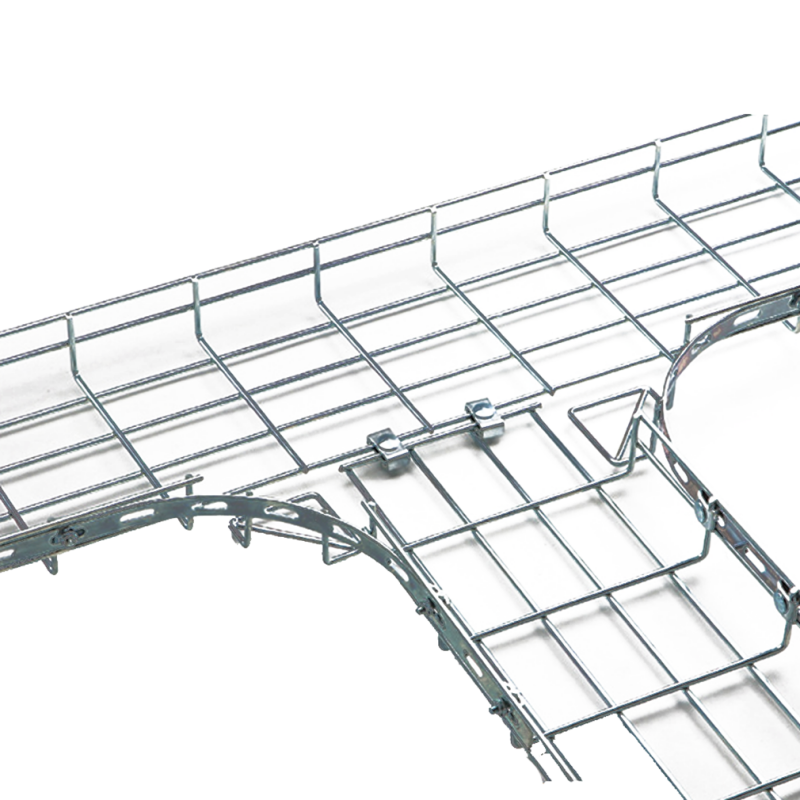
Aluminum track rails come in various designs, including straight rails, curved rails, and those with integrated mounting features. Understanding the specific requirements of your project will help you determine the best type of rail to use.
Specifications: Ensure that the specifications align with your application needs, such as rail thickness, weight capacity, and surface finish. Common thicknesses range from 3 to 10 mm, while load capacities can vary significantly based on the rail design.
Manufacturing Process: Familiarize yourself with the manufacturing methods used to produce aluminum track rails. Processes such as extrusion or machining can affect the precision and quality of the final product.
Customization Options: Many manufacturers offer customization options, including specific lengths, pre-drilled holes for easy installation, and surface treatments for improved durability. Make sure to communicate your needs clearly when requesting quotes.
Certifications: Verify that the manufacturer complies with relevant industry standards and certifications. This ensures that the aluminum track rails have been tested for quality and safety.