Aluminum Track Rails: Sourcing and Quality Guide

Get a Free Quote

Our representative will contact you soon.
Email
Mobile/WhatsApp
Name
Company Name
Message
0/1000

aluminum track rail

Aluminum track rails are essential components widely  used in various industrial and commercial applications, including material  handling, automated systems, and  machinery support. As a B2B  buyer,  you may  have concerns about  sourcing high-quality aluminum track rails  that  meet specific  project requirements, such  as load capacity,  material specifications, and  manufacturing standards. This  article will provide you with a comprehensive  understanding of aluminum  track rails, key  considerations for sourcing, and practical  guidance for making informed  purchasing  decisions.
Our Products

A Comprehensive Guide

A Comprehensive Guide

Aluminum track rails come in various designs,  including straight rails, curved rails, and those with integrated mounting features. Understanding the specific requirements of your project  will help you determine the best type of rail to use. 

Specifications: Ensure that the specifications align  with your application needs, such as rail thickness, weight capacity, and surface finish. Common thicknesses range from 3  to 10 mm,  while load capacities can vary significantly based on the rail  design.

Manufacturing Process: Familiarize  yourself with the manufacturing methods used to produce aluminum track rails. Processes such  as  extrusion or machining can affect the precision and quality  of  the final product.

Customization Options: Many manufacturers offer customization options, including specific lengths, pre-drilled holes for  easy installation, and surface treatments for improved durability.  Make  sure to communicate your needs clearly when  requesting quotes.

Certifications:  Verify that  the manufacturer complies with relevant industry standards and certifications. This ensures  that the aluminum track rails have  been tested for quality and safety.
Where to Find Reliable Suppliers of Aluminum Track Rails for Bulk Orders

Where to Find Reliable Suppliers of Aluminum Track Rails for Bulk Orders

Finding reliable suppliers for bulk orders of aluminum track rails involves several steps. Start by researching manufacturers with  a solid reputation in  the  industry. Look for companies that specialize in aluminum fabrication,  as they are likely  to have the expertise and equipment necessary for producing high-quality track rails. Attending trade shows related to the industry can also provide insights into potential suppliers.

Trade  Shows and Industry Events: Attend relevant trade shows and industry exhibitions to meet potential suppliers  face-to-face. This allows you to assess their offerings and discuss your requirements directly.

Online  Marketplaces and  Directories:  Utilize B2B marketplaces and industry directories to  find manufacturers specializing in aluminum track rails. Pay attention to reviews and ratings from other buyers to gauge the supplier's reliability.

Networking: Engage with industry peers to  gather recommendations  for reputable suppliers. Personal referrals  can often  lead to discovering hidden gems in the market.

Request Samples:  Before placing bulk orders, request  samples from potential  suppliers. This allows you to evaluate the quality  and specifications of the aluminum track rails firsthand.


Key Quality Control Measures for Aluminum Track Rails in Manufacturing

Quality control is paramount in the manufacturing process of aluminum track rails  to ensure that they meet required specifications and performance standards. Here are some key measures to consider:

Material  Inspection: Verify that the aluminum used meets specified  alloy standards. Conduct material tests, such as tensile strength and corrosion resistance, to ensure compliance with  quality expectations.

Dimensional  Verification: During production,  it's essential  to conduct regular checks on dimensions to ensure that the finished product  matches  the specified tolerances.  This prevents issues related to fit and  function during installation.

Surface Treatment Inspection: If the track rails undergo surface treatments, ensure that the  finish is uniform  and free from defects. This  is  crucial for enhancing the product's resistance to wear and corrosion.

Load Testing: For track rails intended to support heavy loads,  perform load testing to confirm that they can handle the required weight without deformation.  Document the test results for quality assurance records.

Final Inspection:  Before shipping, conduct a comprehensive inspection of the finished products to  ensure they meet all specifications. This step is critical to  prevent potential issues upon delivery.

Features That Matter for Buyers

When evaluating aluminum track rails, several features  can  significantly impact their performance and suitability for your  application:

Load Capacity: Understand the load capacity  required  for your application. The track rails should be able to handle both static and dynamic  loads  without  compromising safety.

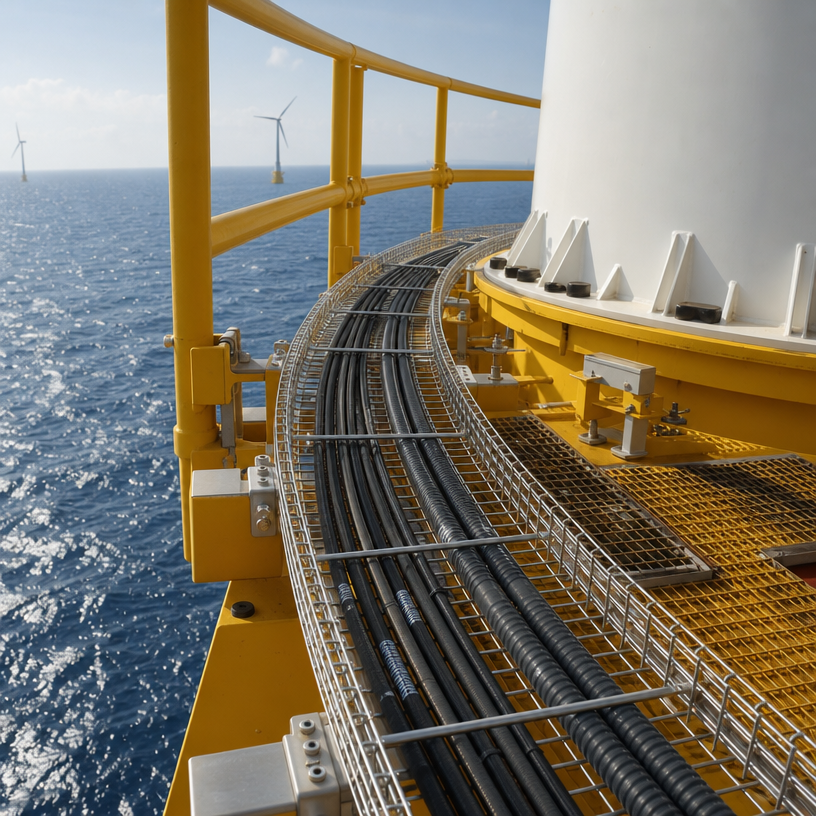
Corrosion Resistance: Look for track rails with anodized or powder-coated finishes for enhanced corrosion resistance, especially if they will be used in outdoor or harsh environments. Consider also the use of materials like HDG Cable Ladder — ISO 1461 Hot-Dip Galvanized Cable Ladder for Coastal & Marine Service that offer similar benefits.

Installation  Features: Consider designs that facilitate easier installation, such as pre-drilled holes or integrated mounting options. This can save time and reduce  labor costs during setup.

Compatibility: Ensure  that the aluminum track rails are compatible with the other components of your system, including any rolling elements or machinery that will interact with the rails.

Aesthetic Appeal: If the installation is visible  to clients or customers, consider the aesthetic aspects of  the aluminum  track rails. A polished finish or specific colors may  be necessary to align with branding or design guidelines.

By understanding these features  and evaluating suppliers based on their capabilities,  you  can make informed decisions when sourcing aluminum track rails  that align with  your operational needs.

What You Need to Know for Sourcing

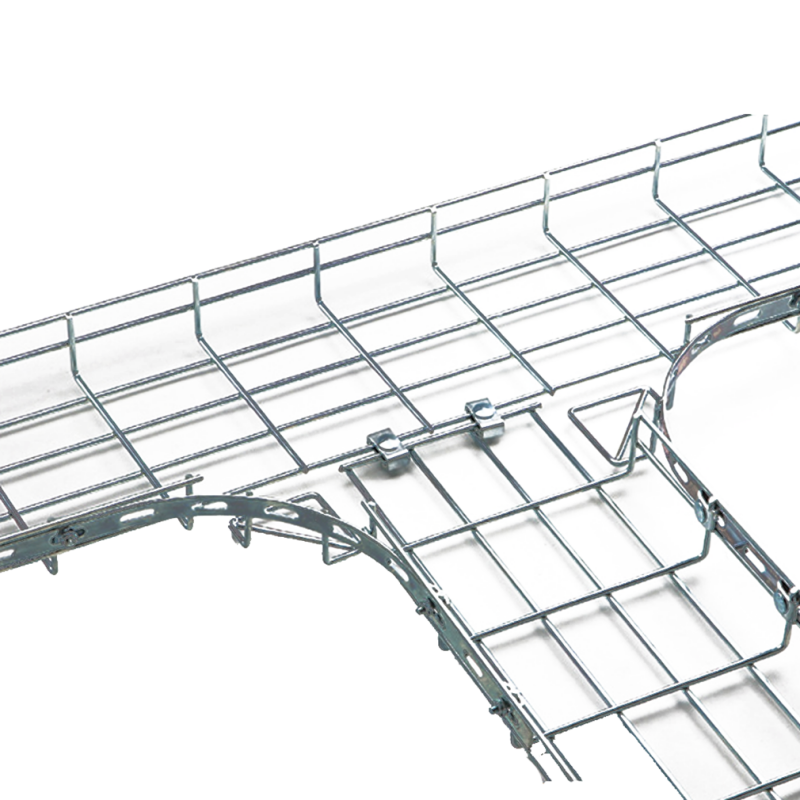
When  sourcing aluminum track rails, it’s  crucial to evaluate several factors to ensure the product meets your application needs. First, consider the dimensions  and  load capacity of the track rails. Make sure to specify  the  length, width, and height required for your setup, along  with the maximum  load they need to support. Additionally, it may be beneficial to explore options such as SS316 Wire Mesh Cable Tray — Marine-Grade Stainless Steel Cable Management for Offshore & Coastal Installations for enhanced durability.

Second, assess the material  quality. Aluminum is favored for  its lightweight nature  and corrosion resistance,  but the specific alloy  used can greatly  affect performance. Look for track rails made from high-grade aluminum alloys, which can  provide  enhanced strength  and durability.

Lastly, examine the manufacturer’s capabilities. A  reputable supplier should have robust quality control processes,  experience in producing similar components,  and the ability to meet customized specifications based on your unique requirements.

Frequently Asked Questions

What is an aluminum track rail used for?

Aluminum track rails provide linear guidance and support for cable trays, solar mounts, sliding components, and mounted equipment in industrial and construction applications.
We supply multiple lengths, widths, and profiles suitable for C-channels, solar mounting, and support systems. Custom sizes available on request to match project specifications.
Yes. Our aluminum rails are corrosion resistant by nature and can be anodized or treated for enhanced durability in outdoor or corrosive environments.
Yes. We offer customization including punched holes, slots, stamped features, and pre-drilled mounting patterns to integrate with cable trays and support systems.
Typical lead times depend on order size and customization; we provide project consultation, drawings, and manufacturing support to meet delivery schedules and installation needs.

Our Blog Posts

Complete Hardware Glossary: Solar Mounting, Pipe Supports and Cable Management Parts

21

Sep

Complete Hardware Glossary: Solar Mounting, Pipe Supports and Cable Management Parts

Understanding the components of solar mounting structures, pipe supports, and cable management parts is crucial for professionals in the manufacturing and construction industries. This complete hardware glossary will provide insights into evaluating ...
View More

Get a Free Quote

Our representative will contact you soon.
Email
Mobile/WhatsApp
Name
Company Name
Message
0/1000

Related product categories

Aluminum Track Rails: Sourcing and Quality Guide

Get a Free Quote

Our representative will contact you soon.
Email
Mobile/WhatsApp
Name
Company Name
Message
0/1000