EN
EN

Ground screws for solar installations are an essential component for mounting solar panels securely and efficiently. These screws provide a reliable foundation that can adapt to various soil conditions, making them a preferred choice for both residential and commercial projects. As buyers navigate the selection of ground screws, their main concerns typically revolve around the quality, specifications, installation challenges, and material performance. This article will guide you through key considerations for choosing the right ground screws for your solar projects.
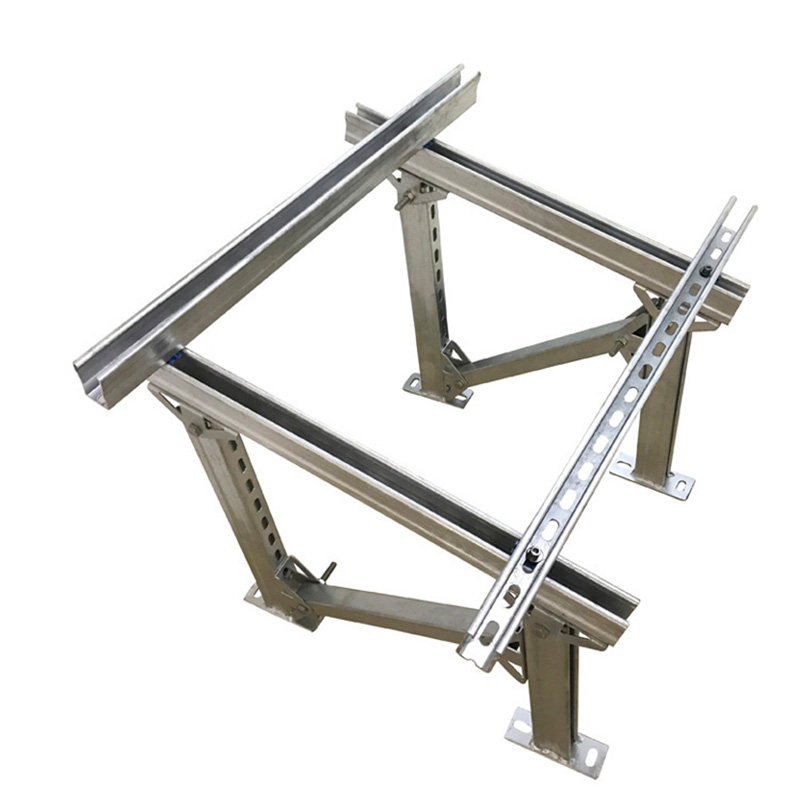
Common Installation Problems with Ground Screws and Their Solutions
Understanding the key specifications for ground screws is crucial for ensuring their suitability for solar projects. The main specifications to consider include:
Material: Ground screws are typically made from galvanized steel or stainless steel, which offer corrosion resistance. Galvanized steel is suitable for most applications; however, stainless steel may be necessary for environments with high moisture or corrosive elements.
Length and Diameter: The length of the screw should be chosen based on soil characteristics and the mounting system. Typical lengths range from 800 mm to 1200 mm, while diameters can vary between 76 mm to 114 mm. A proper fit ensures stability and load-bearing capacity.
Helix Design: The helix shape and number of turns can significantly affect the screw's anchoring performance. A well-designed helix enhances grip in the soil, which is essential for supporting solar panel systems against environmental factors like wind and snow loads.
Load Capacity: Consider the load-bearing capacity of the screws, which should align with the weight of the solar panels and any additional equipment. This specification helps prevent structural failures during extreme weather conditions.
Evaluating these specifications will enable you to select ground screws that meet the demands of your specific solar installation.