EN
EN

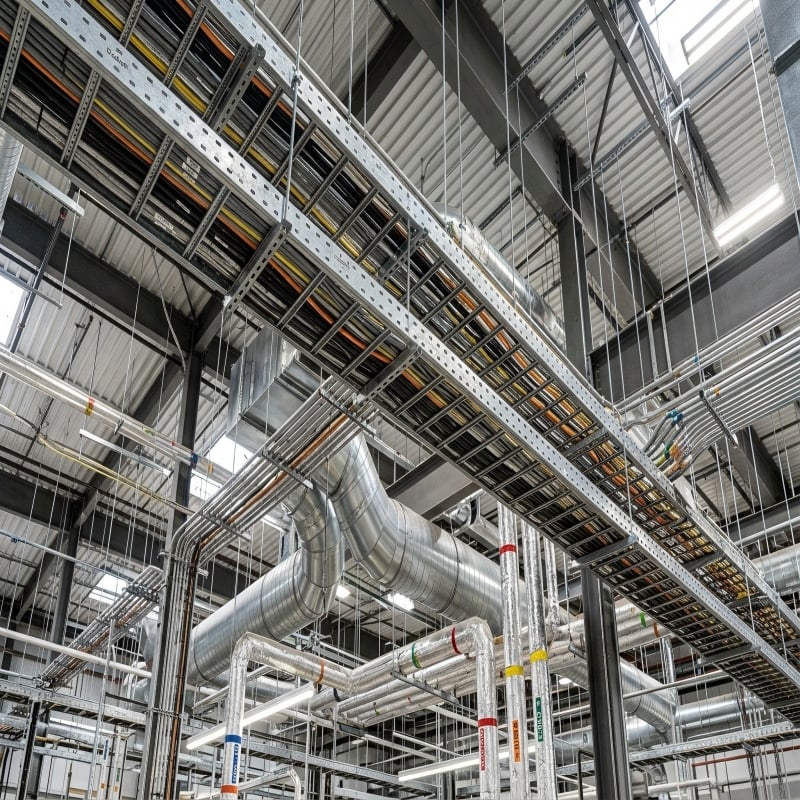
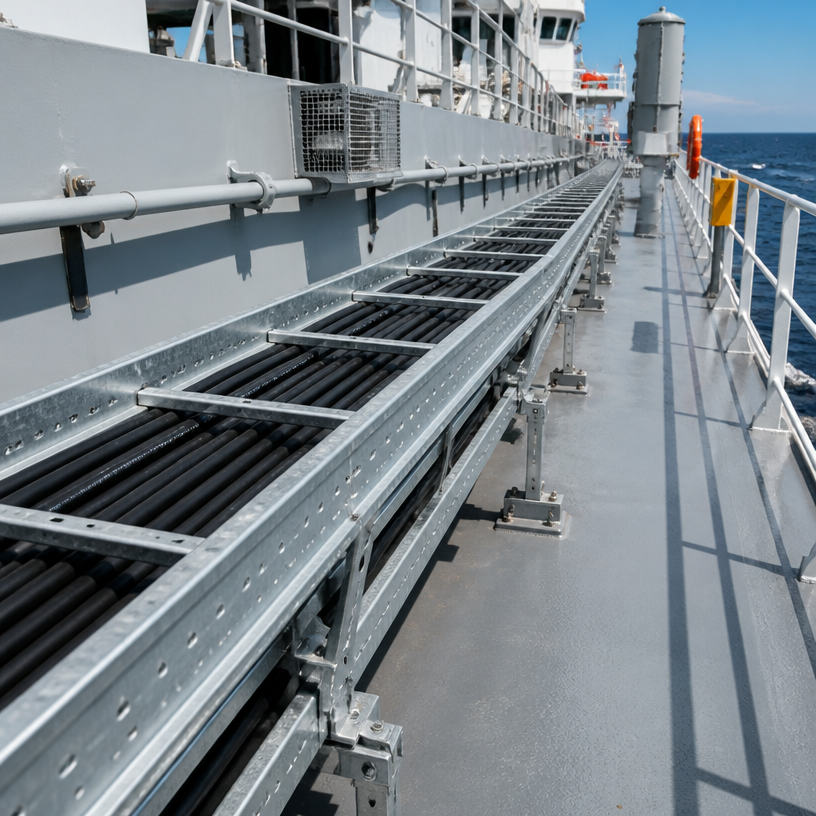
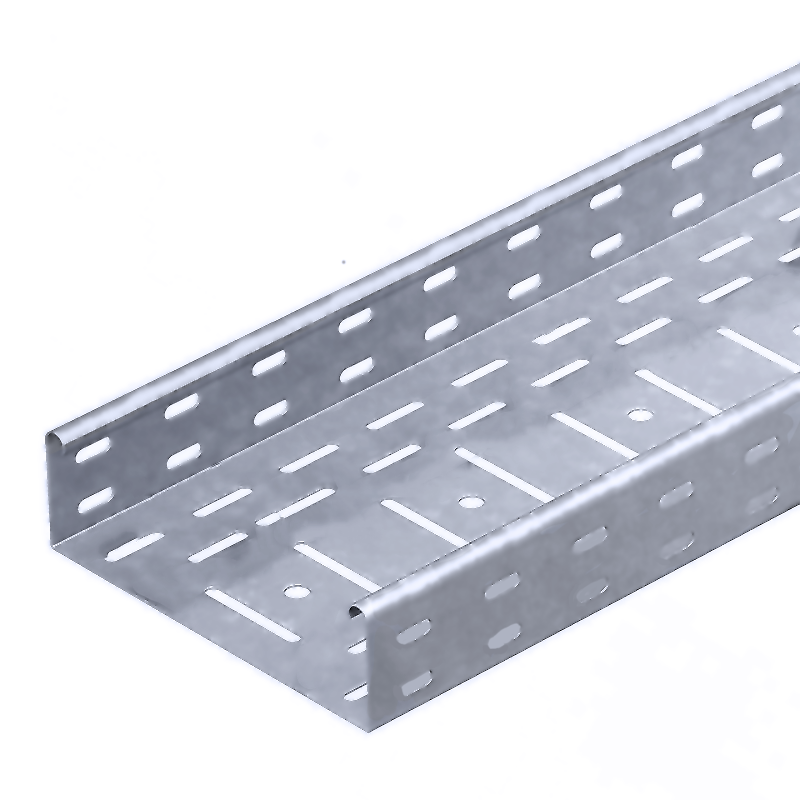
Unistrut wheels are essential components in various support systems, enabling efficient movement and stability in applications such as cable trays and structural supports. For B2B buyers, the primary concerns often revolve around selecting the right wheel for specific projects, understanding material advantages, and ensuring effective installation. This article aims to provide insights into choosing unistrut wheels, installation challenges, and their applications across industries.

What to Look For
When selecting unistrut wheels, buyers should focus on several key specifications that not only determine the wheel's performance but also its longevity and suitability for specific applications.
Tread Design: The tread pattern can influence grip and movement. A smooth tread may be suitable for flat surfaces, while a textured tread provides better traction on uneven terrain.
Temperature Resistance: Depending on the application, wheels may be exposed to varying temperatures. Materials should be selected based on their performance in specific temperature ranges to avoid deformation or failure.
Corrosion Resistance: In environments exposed to moisture or chemicals, corrosion resistance is critical. Wheels made from stainless steel or treated metals can withstand harsher conditions.
Noise Level: For applications requiring quieter operation, consider wheels designed to minimize noise during movement. This is particularly relevant in commercial settings where noise reduction is essential.
Custom Options: Many manufacturers offer customization options for wheels, such as specific colors or sizes, to match your project requirements. Discussing these options with the supplier can lead to tailored solutions that fit unique needs.
By carefully evaluating these specifications, buyers can ensure that the selected unistrut wheels meet their project requirements effectively.