Choosing the Right Unistrut Wheels for Projects

Get a Free Quote

Our representative will contact you soon.
Email
Mobile/WhatsApp
Name
Company Name
Message
0/1000

unistrut wheels

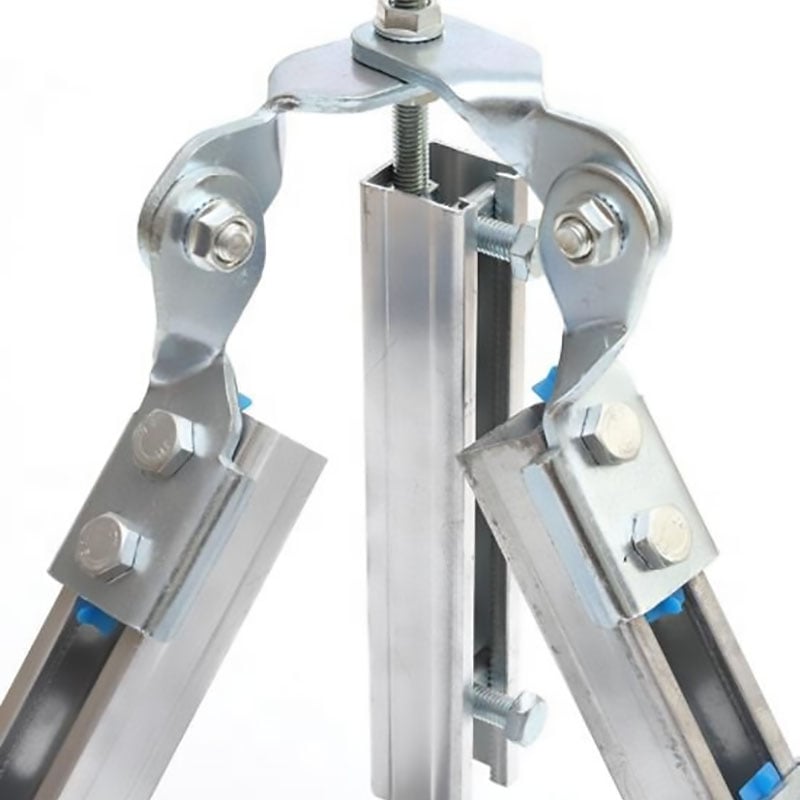
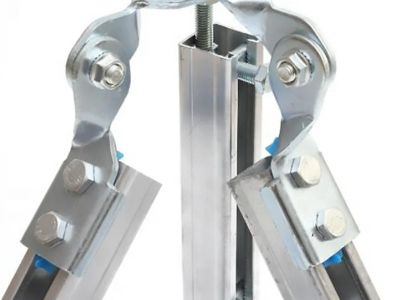
Unistrut wheels are essential components in various support systems, enabling efficient movement and stability in applications such as cable  trays  and structural supports.  For B2B  buyers, the  primary  concerns  often revolve  around  selecting the  right wheel  for  specific projects, understanding material  advantages,  and ensuring effective installation. This  article aims to  provide  insights  into  choosing unistrut wheels, installation challenges, and  their applications across industries.
Our Products

What to Look For

What to Look For

When selecting unistrut wheels, buyers should  focus on  several key specifications that not only determine the wheel's performance but  also its longevity and suitability for specific applications.

Tread Design: The tread  pattern can influence grip and movement. A smooth tread may be suitable for flat surfaces,  while a textured tread provides better traction on  uneven terrain.

Temperature Resistance: Depending on the  application, wheels may be exposed to varying temperatures. Materials should be selected based on  their performance in specific temperature  ranges to  avoid deformation or failure.

Corrosion Resistance: In environments exposed to moisture or chemicals, corrosion resistance is critical.  Wheels made from stainless steel or treated metals can withstand  harsher conditions.

Noise Level:  For applications requiring  quieter operation, consider wheels designed to minimize noise during movement. This is particularly relevant in  commercial  settings where noise reduction is essential.

Custom Options: Many manufacturers offer customization options for wheels,  such as specific colors or sizes, to match your project requirements. Discussing these options with the supplier can lead to tailored solutions that fit unique needs.

By carefully evaluating these specifications, buyers  can ensure that the selected unistrut wheels  meet their project  requirements effectively.
Common Installation Challenges for Unistrut Wheels and Solutions

Common Installation Challenges for Unistrut Wheels and Solutions

Installing unistrut  wheels can present various challenges, particularly in complex systems or tight spaces.  Here are  some common issues and practical solutions:

Misalignment:  Improper alignment of wheels can lead to uneven wear or malfunction. To prevent this, ensure that all mounting brackets and supports are installed correctly and level. Using adjustable mounts can  help achieve precise alignment.

Insufficient Load Distribution: Uneven load distribution  across multiple wheels  can cause operational issues. It’s important to calculate load distribution carefully and ensure that each wheel is rated for the load it will bear.

Access Limitations: In tight spaces, accessing wheel mounts can be difficult. Consider using tools designed for  compact areas or opting for wheel designs  that  allow for  easier access  during installation.

Surface Compatibility:  The installation surface should be compatible with the wheel  design. Ensure that  surfaces are smooth and free from  debris to facilitate easy movement. In  cases where  surfaces are uneven, consider using larger wheels or stabilizing features.

Routine Maintenance: Regular maintenance is critical to ensure longevity. Establish a maintenance schedule that includes  checking wheel conditions, lubricating moving parts, and replacing any worn components.

By anticipating these challenges and implementing solutions, buyers can streamline the installation process and enhance the performance of unistrut wheels in their systems.

Applications of Unistrut Wheels in Various Industries

Applications of Unistrut Wheels in Various Industries

Unistrut wheels find applications  across a range of industries due to their versatility and robustness. Here  are some  common applications:

Manufacturing:  In manufacturing settings, unistrut  wheels are  often used in conveyor systems, helping to efficiently  move  materials throughout the production line.

Construction: For construction projects, these wheels can facilitate the movement of scaffolding or modular structures, improving workflow and safety on site.

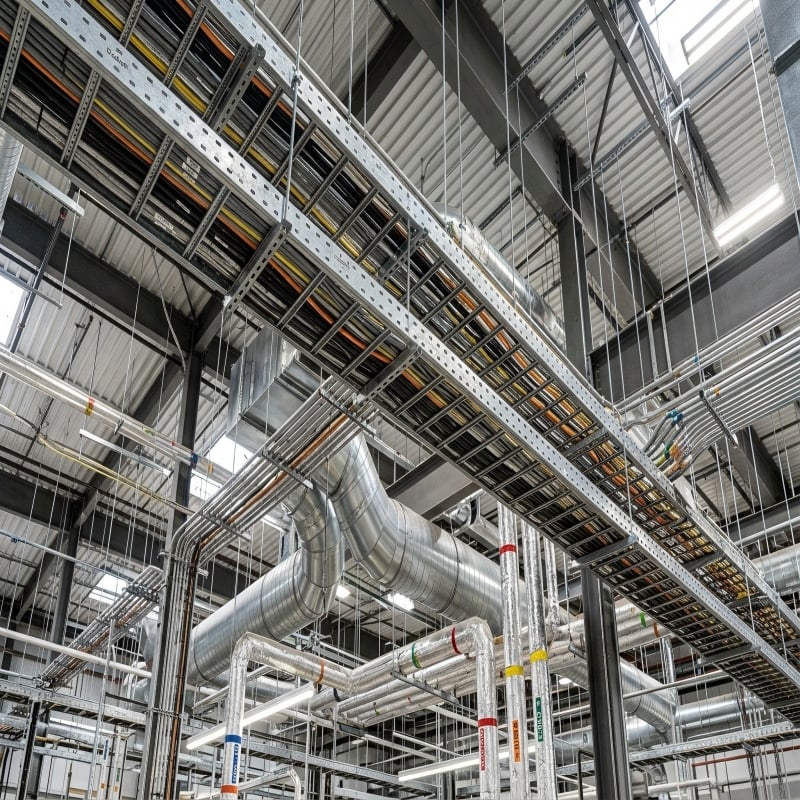
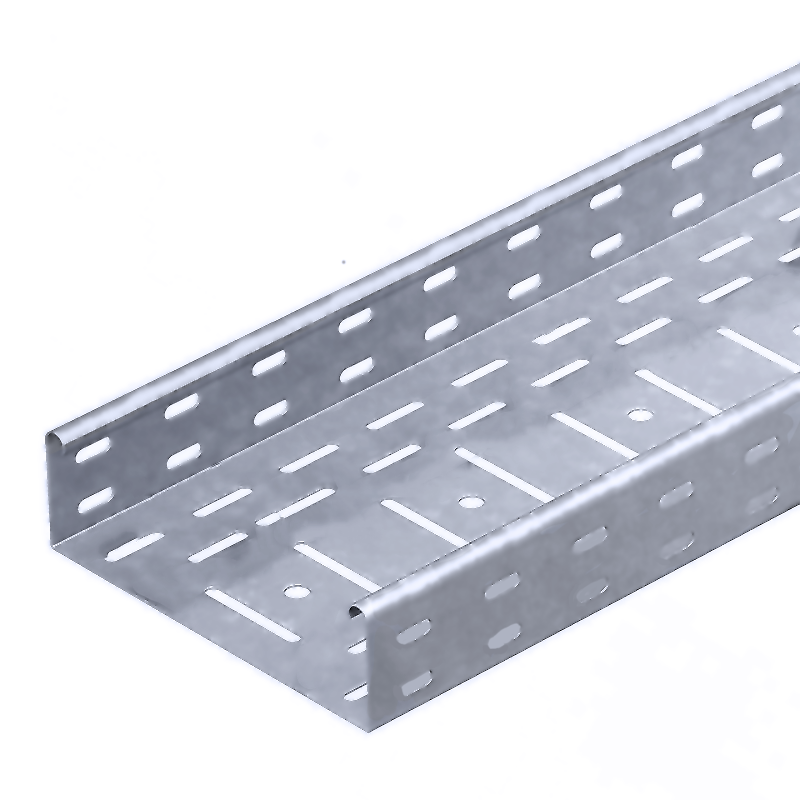
Telecommunications: In telecommunications, unistrut wheels support  cable trays, allowing  for organized and efficient routing of  cables  while providing easy access for  maintenance.

HVAC Systems: In HVAC installations, unistrut wheels assist in the movement  of ductwork and ventilation systems, ensuring proper  alignment and stability.

Solar Energy: In solar mounting structures, unistrut wheels can help with  the adjustment and positioning of  solar panels,  optimizing energy capture and efficiency.

The adaptability of unistrut wheels makes them ideal for diverse applications, underscoring their importance in various sectors.

Evaluating the Material Advantages of Unistrut Wheels

The material used in unistrut wheels significantly  influences their performance and suitability for  specific applications. Here’s a closer look at some common materials and their advantages:

Nylon:  Known for its lightweight and impact-resistant properties,  nylon wheels are excellent for indoor applications. They offer smooth operation and are resistant to chemicals, making them suitable for various environments.

Polyurethane: This  material combines flexibility and strength, providing  a softer tread that reduces noise and floor damage. Polyurethane wheels are ideal for use in environments where movement  over sensitive surfaces is  required.

Steel:  Steel wheels  are designed for heavy-duty applications, providing maximum load-bearing capacity. They are often used in  industrial settings where high durability is essential. However, they can be prone to corrosion, so proper treatment or coating is necessary.

Aluminum: Lightweight yet  strong, aluminum wheels offer corrosion resistance and are suitable for applications in outdoor environments.  They balance durability with ease of movement.

When  selecting materials, it is crucial to consider the specific  requirements of your application, including load, environment, and desired performance characteristics. Engaging with a knowledgeable supplier can help clarify which material is best suited for your needs.

By  focusing on  these key areas,  B2B buyers can make informed decisions when selecting  unistrut wheels, ensuring that their projects are efficient, reliable,  and tailored to specific operational requirements.

How to Choose the Right Unistrut Wheels for Your Projects

Selecting the appropriate unistrut wheels begins with understanding the specific application requirements. Factors  such as load capacity, wheel  diameter, and material type play crucial roles in determining compatibility with  the existing support systems. For instance, reliable solutions like Marine Engineering often depend on the right choice of wheels.

Load Capacity: Assess the weight that the unistrut wheels need to support. Each wheel type  has a  specified load rating, which should align with your project’s needs. Overloading wheels  can  lead to premature wear or failure.

Wheel Diameter: The diameter of the wheel affects its rolling efficiency, particularly in environments with uneven surfaces. Larger wheels tend to  roll  more smoothly over obstacles but may require more  space.

Material Selection: The choice of material impacts durability and performance. Common materials include nylon, polyurethane, and  metal, each offering  unique advantages. For example, nylon wheels are  lightweight and resistant to corrosion, making them ideal for indoor applications, while metal wheels provide superior  strength for heavy-duty environments. It is essential to consider how the material aligns with applications in Industrial Workshops.

Compatibility: Ensure that the wheel design is compatible  with  the  unistrut channel system  in use. This includes checking the mounting method and ensuring the  wheel fits securely within the channel.

By considering these factors, buyers can make  informed decisions that enhance the performance of their support systems.

Frequently Asked Questions

What are unistrut wheels used for?

Unistrut wheels allow smooth movement of trolleys and equipment along Unistrut channels, commonly used in cable tray supports, mounting systems, and material handling applications.
We manufacture unistrut wheels from durable steel and nylon options, with corrosion-resistant finishes available for long service in industrial and outdoor environments.
Yes, our unistrut wheels are designed to fit standard C-channel Unistrut profiles and common support systems used in cable trays and mounting structures.
Load capacity varies by wheel size and material; our steel wheels support higher loads while nylon suits lighter duty. Provide required load and application and we will recommend the appropriate wheel.
Yes. We provide custom sizes, materials, finishes, and bulk manufacturing to match support systems, seismic bracing, and solar mounting requirements.

Our Blog Posts

Complete Hardware Glossary: Solar Mounting, Pipe Supports and Cable Management Parts

21

Sep

Complete Hardware Glossary: Solar Mounting, Pipe Supports and Cable Management Parts

Understanding the components of solar mounting structures, pipe supports, and cable management parts is crucial for professionals in the manufacturing and construction industries. This complete hardware glossary will provide insights into evaluating ...
View More

Get a Free Quote

Our representative will contact you soon.
Email
Mobile/WhatsApp
Name
Company Name
Message
0/1000

Related product categories

Choosing the Right Unistrut Wheels for Projects

Get a Free Quote

Our representative will contact you soon.
Email
Mobile/WhatsApp
Name
Company Name
Message
0/1000