Choosing the Right PVC Trunking for Your Project

Get a Free Quote

Our representative will contact you soon.
Email
Mobile/WhatsApp
Name
Company Name
Message
0/1000

pvc trunking

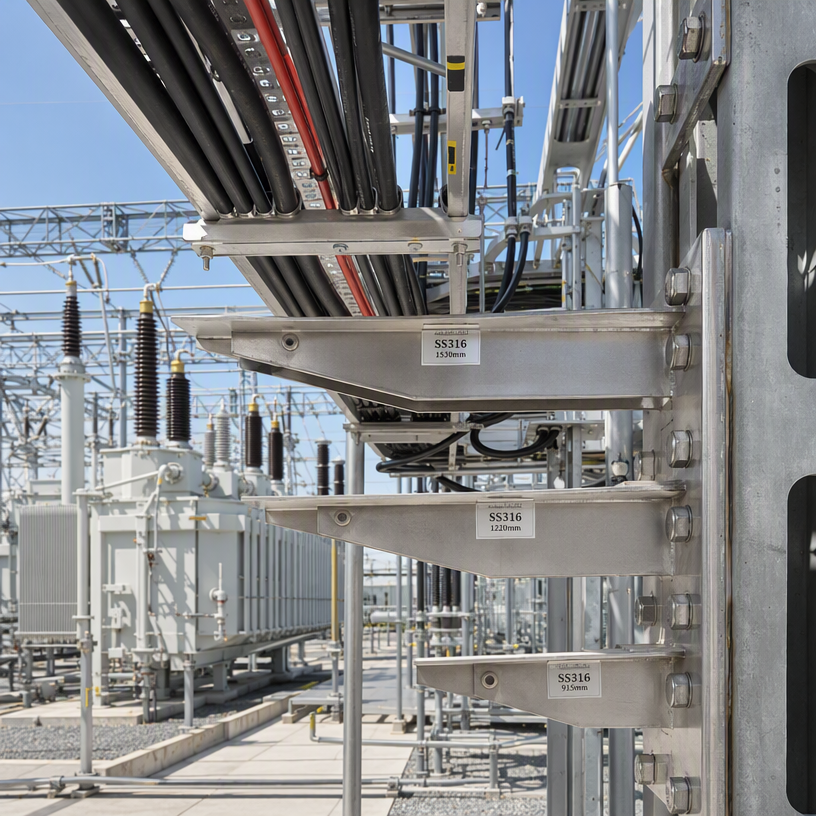
PVC trunking is  a critical component  in  electrical installations, providing a safe and efficient means of  routing  and protecting cables. As a B2B buyer,  you may have concerns regarding the selection, specifications,  and  potential issues associated  with PVC  trunking. This article aims to equip  you  with  the knowledge needed to make  informed decisions,  whether you're a  purchasing manager, engineer, or product manager, ensuring that you  choose the  right solution for your project  needs.
 

Our Products

Where to Find Reliable Suppliers of PVC Trunking Solutions

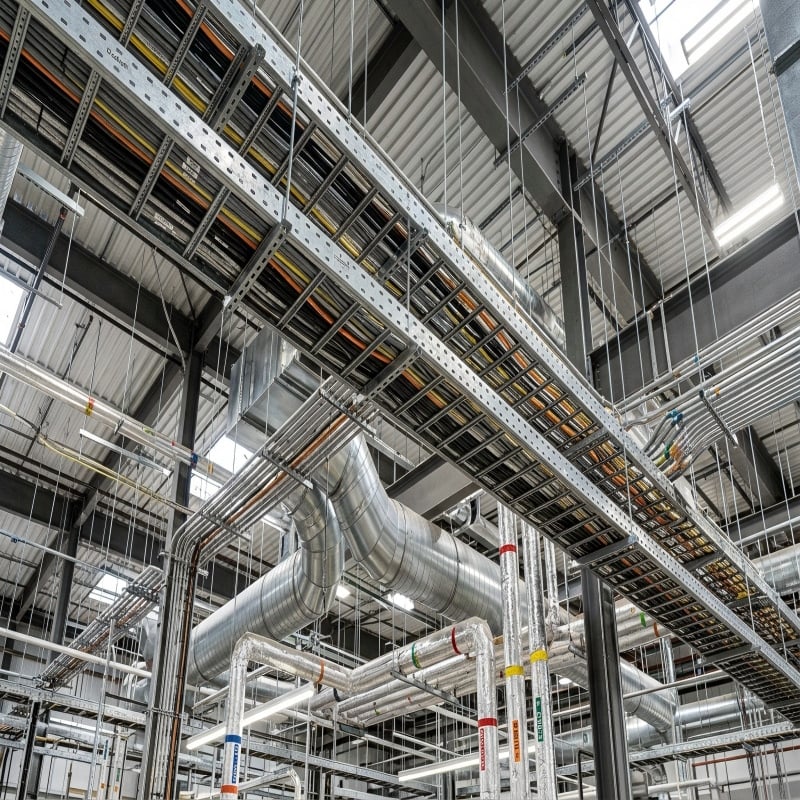
Finding reliable suppliers for PVC trunking  is essential for ensuring quality and consistency in your  projects. Start by researching manufacturers  with a solid reputation in the industry. Look  for companies that specialize  in electrical  components  and have  a proven track  record of delivering high-quality products.

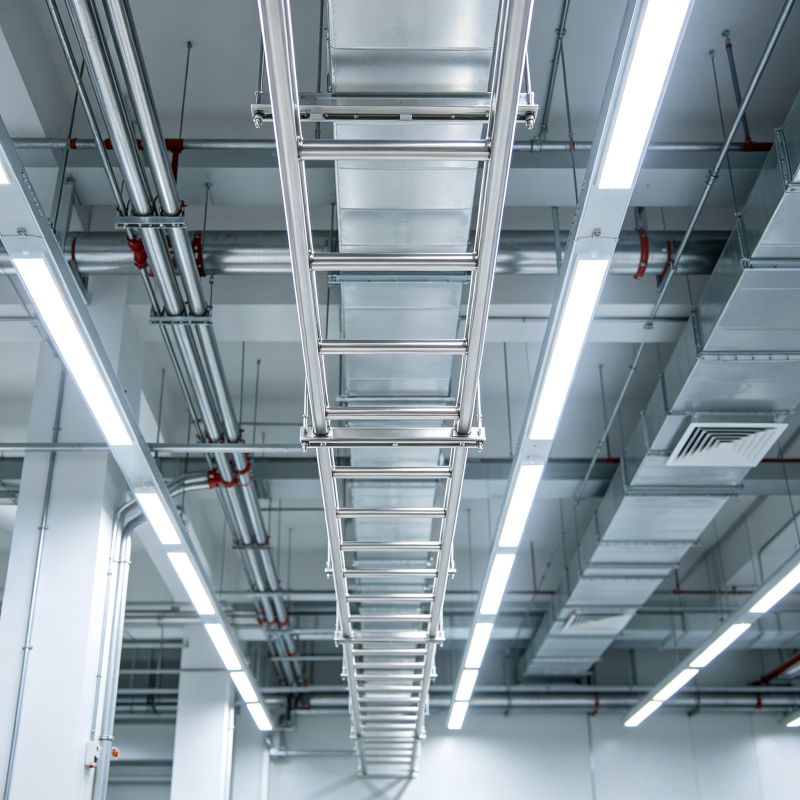
You can also  check  trade directories, industry exhibitions,  and online platforms to identify potential suppliers. When evaluating suppliers,  consider their manufacturing capabilities, certifications,  and product range. A manufacturer like Shanghai  Qinkai Industry Co., Ltd., with expertise in producing a variety of electrical management solutions, can be a valuable partner in various contexts, including Industrial Workshops.


Don’t hesitate to request samples  or  case studies from potential suppliers. This allows you  to assess product quality and suitability for your  specific applications.
Key Specifications to Evaluate When Selecting PVC Trunking

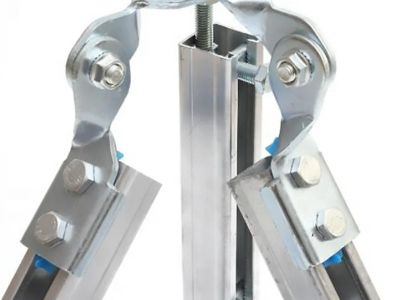
When  selecting PVC trunking, several specifications should be evaluated  to ensure  it  meets your needs. These include:

Material Quality: Look  for high-grade PVC  that offers durability  and resistance to environmental factors. The material should comply with relevant industry standards for  electrical  applications.


Dimensions: Confirm the internal dimensions of the trunking to ensure it can accommodate the cables you intend to use. Also, assess the external dimensions for aesthetic and installation considerations.

Load Capacity: Each trunking system has a maximum load capacity that should not be exceeded. Ensure that  the trunking can  handle the total weight of all cables  without compromising its structural integrity.

Sealing and  Protection:  Some PVC trunking options come with enhanced sealing features to protect against moisture, dust, and other  contaminants. Evaluate whether these features are necessary for  your application.


Fire Ratings: Ensure the trunking meets fire safety standards relevant to your industry. Fire-rated trunking is crucial in environments where fire  hazards are a concern.


Common Problems with PVC Trunking and Their Solutions

While PVC trunking  is generally reliable, there are common problems that buyers should be aware  of. Understanding these  issues can help in selecting the right product and avoiding potential setbacks.

Brittleness: PVC can become brittle over time, especially when exposed  to extreme temperatures. To  mitigate  this, select trunking designed for  the environmental conditions it will face, including UV-resistant options  for outdoor use.

Installation Errors: Improper installation can lead to gaps or misalignments, compromising the trunking's  protective  capabilities. Ensure that installation guidelines are followed and consider using pre-assembled systems to reduce human error.

Overloading: Exceeding the load  capacity  can  lead to deformation or failure of the trunking. Always  calculate the total weight of cables and compare it to the  trunking specifications  before  installation.

Inadequate Sealing: If the trunking is  not properly sealed, it can allow dust  and moisture to enter, leading to cable degradation. Choose trunking with effective sealing  mechanisms and check seals during installation.

Applications of PVC Trunking in Various Industrial Settings

PVC trunking is versatile and widely used across various industrial settings.  Here are some common applications:

Commercial Buildings: In offices and retail spaces, PVC trunking organizes and protects electrical cables, maintaining a clean and professional appearance while ensuring safety.

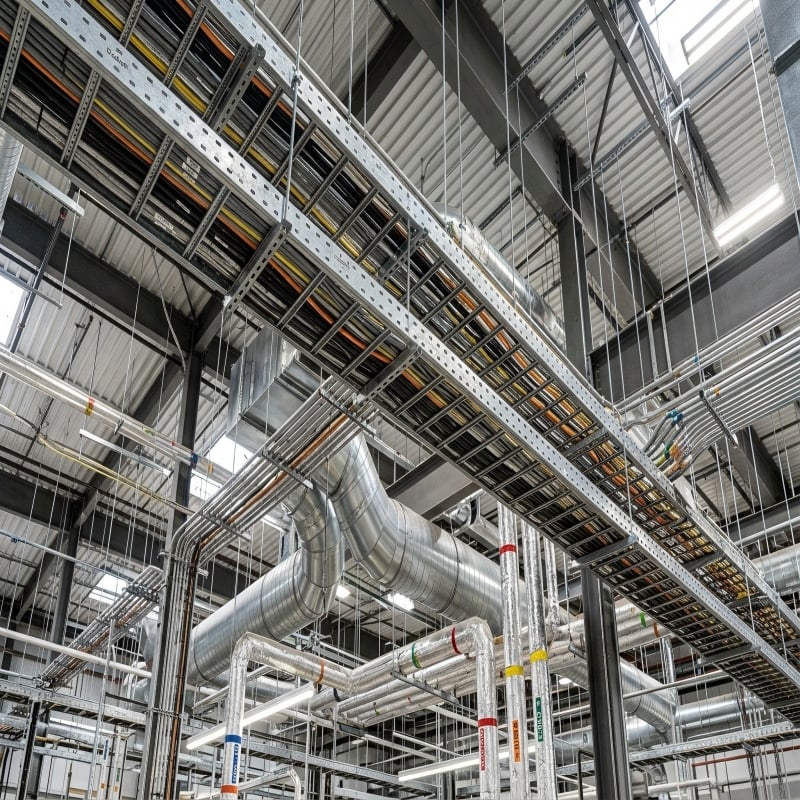
Manufacturing Facilities: In industrial environments, trunking is  used to  route  power and  data cables, keeping  them secure from mechanical damage  and  exposure to contaminants.

Telecommunications:  PVC trunking is  ideal for managing the extensive cabling  required  in telecommunications infrastructure, providing protection and organization.

Residential Projects: For  home electrical installations,  PVC trunking offers an effective way to manage wiring, ensuring compliance with safety standards while enhancing aesthetics.

When selecting PVC trunking for these applications,  consider factors like  load  capacity, environmental exposure, and  installation ease to ensure optimal  performance.

By understanding these  aspects of PVC trunking, you can make informed decisions that enhance safety, efficiency, and reliability in your electrical installations.

How to Choose the Right PVC Trunking for Your Project Needs

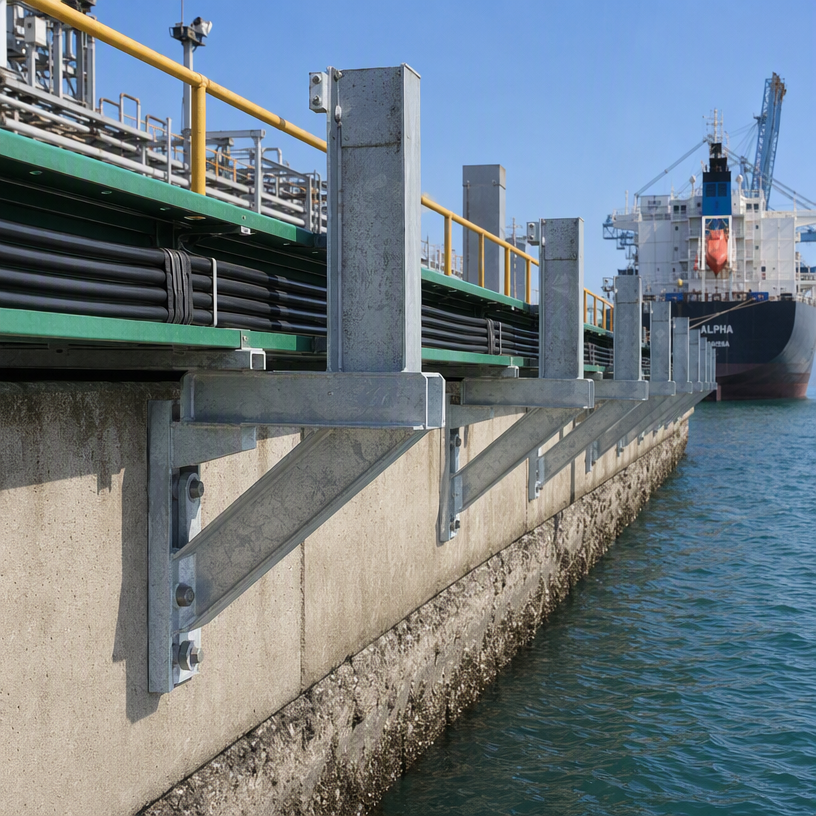
Selecting  the appropriate PVC trunking involves understanding  your specific project requirements. First,  consider the environment where  the trunking will be installed. For indoor applications, standard PVC trunking suffices, but  for outdoor or harsh environments,  you may need UV-resistant or  impact-resistant options. Additionally, if you're working on projects such as Marine Engineering, these factors become even more critical.

Next, evaluate the size and capacity needed. Trunking  comes in various  dimensions to accommodate different  cable  sizes. It's crucial  to ensure that the trunking can handle the bundle of cables without overcrowding, which can  lead to overheating  and potential failures.

Another key consideration is  the installation method. Some trunking systems offer easy-to-install features such as pre-drilled  holes or snap-on covers, which  can save time and labor costs during installation. Assess your installation capabilities and choose a  trunking system that  aligns with them.

Frequently Asked Questions

What is PVC trunking and its primary use?

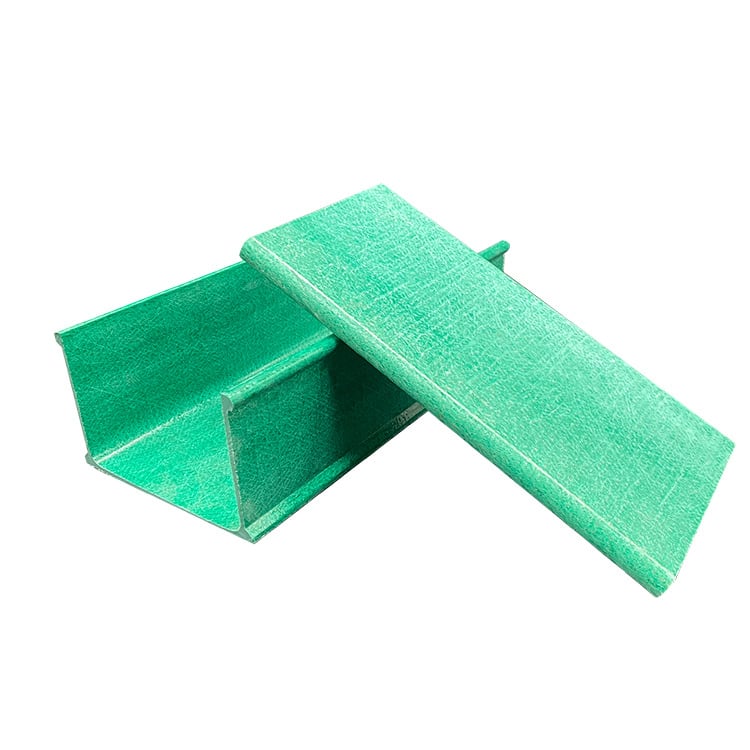
PVC trunking is a rigid plastic channel used to organize and protect electrical cables and wiring in buildings and industrial installations, providing neat routing, insulation, and mechanical protection.
We offer multiple widths, depths, and profiles including single, double, and multi-compartment trunking to fit various cable capacities and installation needs.
Yes. Our PVC trunking is durable, corrosion-resistant and compatible with our cable trays and support systems for industrial and commercial installations.
Yes. PVC trunking can be integrated with our support systems and seismic bracing solutions for secure routing where vibration and seismic considerations apply.
We supply accessories like junctions, bends, end caps, and offer custom lengths, colors, and stamped fittings to match project requirements and installation standards.

Our Blog Posts

Complete Hardware Glossary: Solar Mounting, Pipe Supports and Cable Management Parts

21

Sep

Complete Hardware Glossary: Solar Mounting, Pipe Supports and Cable Management Parts

Understanding the components of solar mounting structures, pipe supports, and cable management parts is crucial for professionals in the manufacturing and construction industries. This complete hardware glossary will provide insights into evaluating ...
View More

Get a Free Quote

Our representative will contact you soon.
Email
Mobile/WhatsApp
Name
Company Name
Message
0/1000

Related product categories

Choosing the Right PVC Trunking for Your Project

Get a Free Quote

Our representative will contact you soon.
Email
Mobile/WhatsApp
Name
Company Name
Message
0/1000