EN
EN

PVC cable trunking is a crucial component in various electrical and wiring systems, providing organized pathways for cables and wires while enhancing safety and aesthetics. As B2B buyers—purchasing managers, engineers, and product managers—seek reliable solutions for their projects, understanding the quality, specifications, and applications of PVC cable trunking becomes essential. This article will explore how to evaluate PVC cable trunking, key specifications to look for, common issues and solutions, its applications across industries, and the cost factors involved in wholesale purchasing.Learn more about marine-grade solutions.
Key Specifications to Look for in PVC Cable Trunking
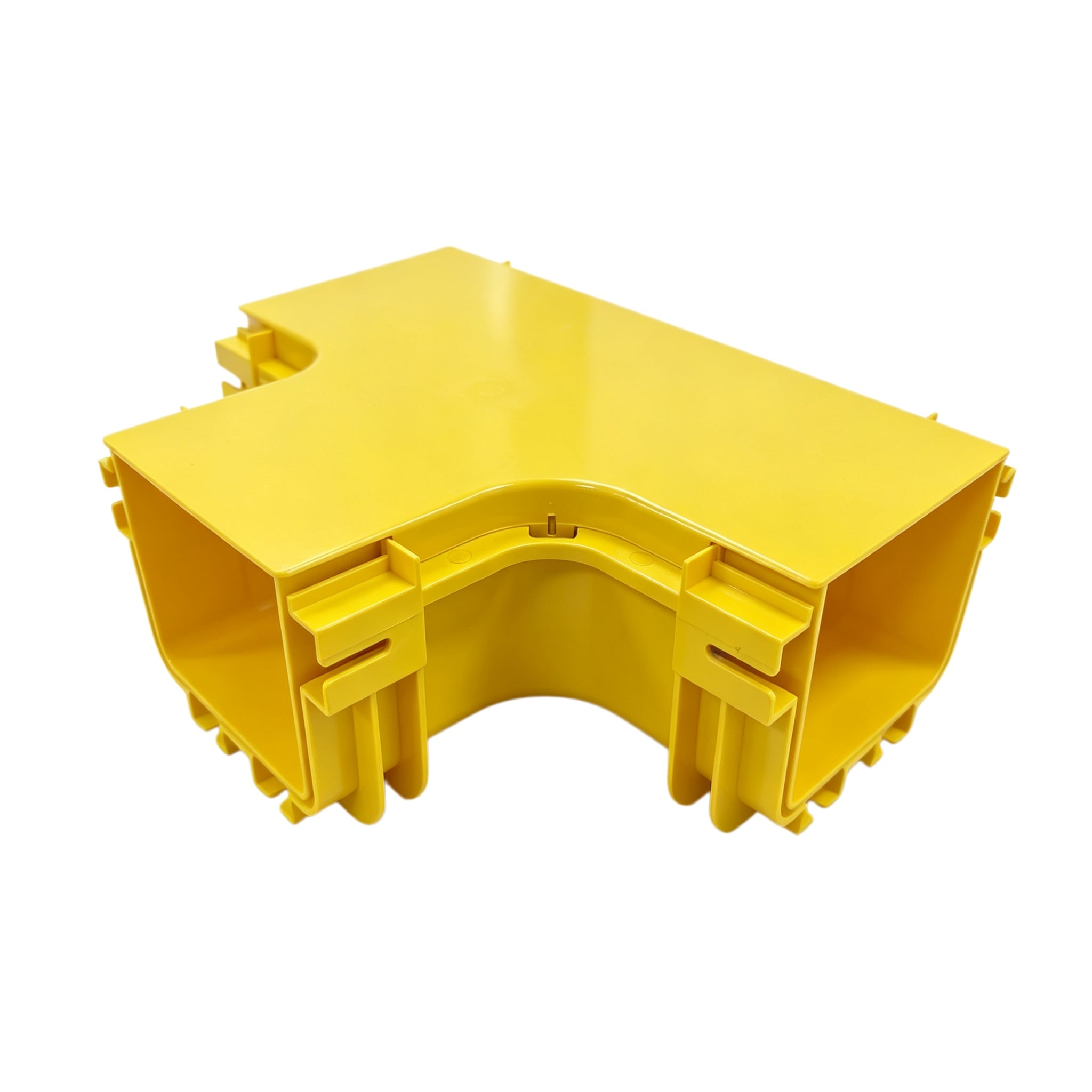
Understanding the key specifications of PVC cable trunking is vital for making informed purchasing decisions. Important specifications include:
Dimensions: Trunking is available in various sizes, typically measured in width and height. Ensure the selected dimensions are suitable for the cable types and quantities being used in your project.
Thickness: The thickness of the trunking walls affects its durability and load-bearing capacity. A thicker wall typically provides better protection against physical damage.
Load Capacity: Each trunking product has a specified load capacity, which indicates how much weight it can support without deformation. This is particularly important in industrial settings where multiple cables may be housed.
Temperature Resistance: Depending on the installation environment, the trunking must withstand certain temperature ranges. Specify the expected operating temperatures when sourcing products.
Sealing: Some applications may require sealed trunking to protect against dust, moisture, and chemicals. Ensure the trunking has appropriate sealing features if required for your environment.
These specifications should align with the intended application and environment for optimal performance.