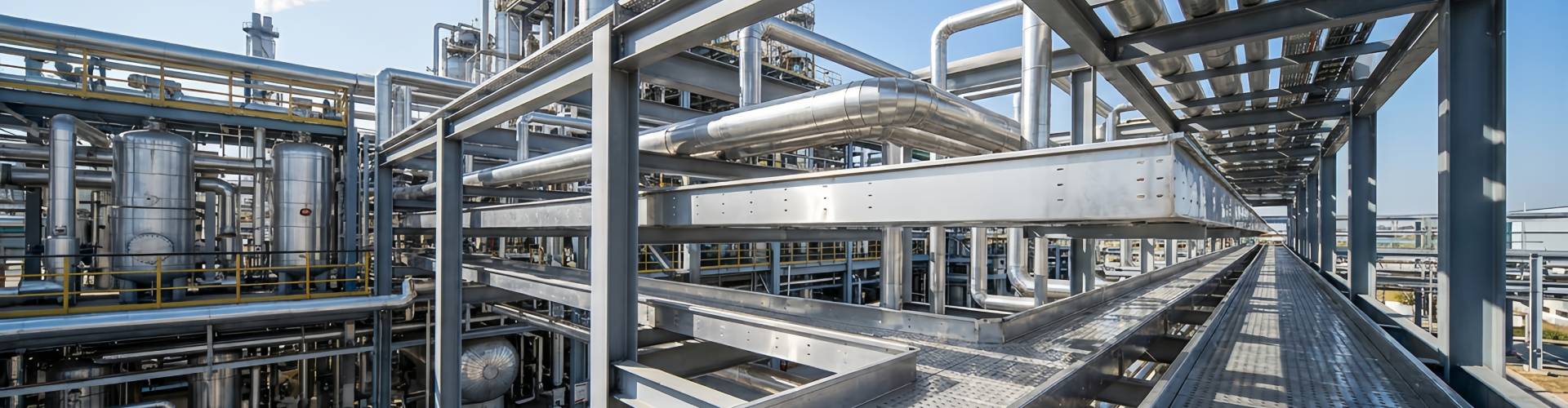
No country stretches a single cable support specification across more demanding atmospheres than Australia. The same hot-dip galvanized cable ladder that carries power through a Pilbara iron ore plant must also perform in a Sydney data centre, a Queensland battery storage yard, and a gas processing facility on a salt-laden northwest coast. Shanghai Qinkai Industrial Co., Ltd. says its T3 cable ladder system — engineered for heavy power and control cabling and finished to EN ISO 1461 hot-dip galvanizing — is being specified across exactly this range of Australian environments, for reasons that have little to do with price and everything to do with documented performance.
"The Australian market does not ask what a cable ladder costs per meter. It asks what the system is certified to carry, what the coating will survive, and whether the documentation survives an engineer's review," the company said in a statement. "The T3 was designed for those three questions, and they look different in every sector — mining, power, data centres, transport, processing. The product is the same; the reason it is specified is not."
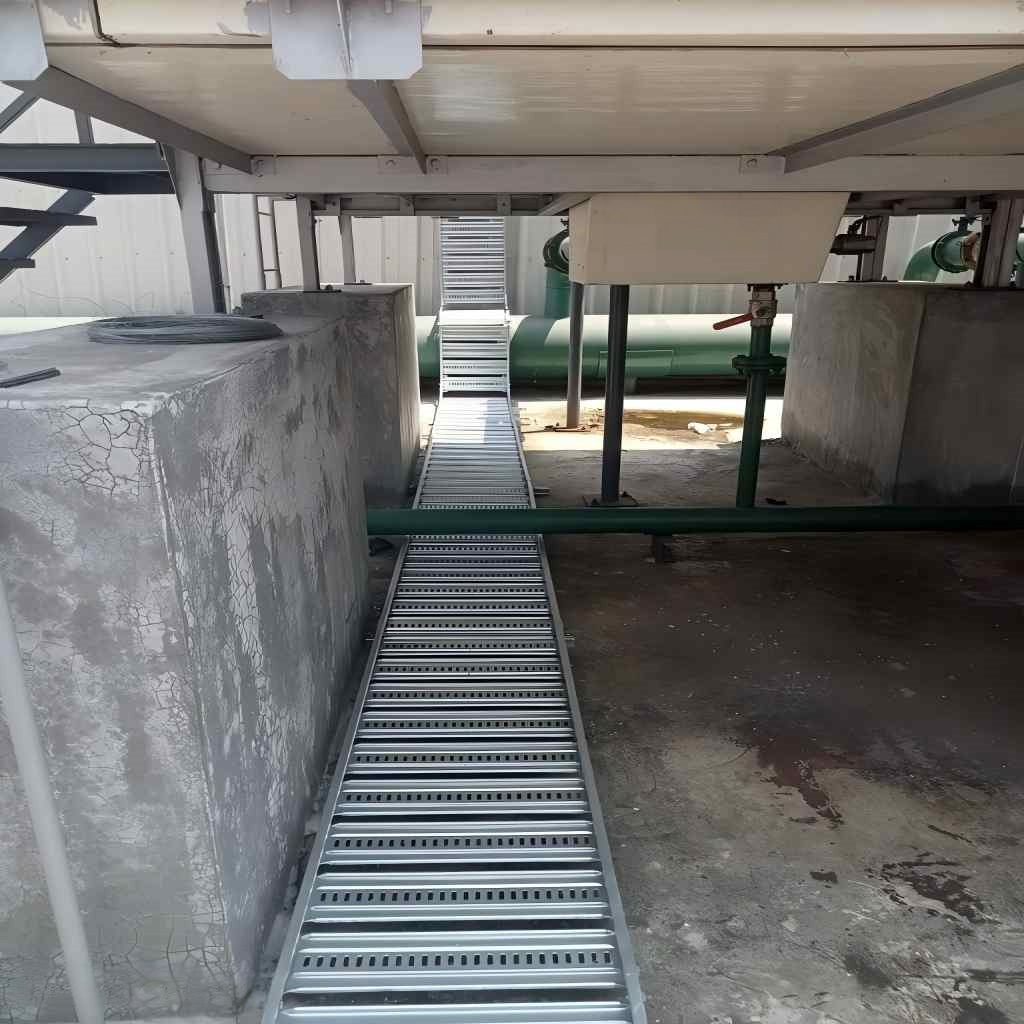
Before the sector-by-sector picture, one fact governs every Australian installation: corrosion. Australian atmospheres range from tropical humidity in Queensland and the Northern Territory to salt-laden coastal air in Western Australia, and from inland dust to industrial pollutants. That is why specification across Australian industry has converged on hot-dip galvanized steel for outdoor and process environments. The T3's EN ISO 1461 finish, with typical coating thickness of 70–85 µm — three to five times thicker than electro-galvanized alternatives — provides the cathodic self-healing protection that matters at scratches, drilled holes, and field-cut ends. In an environment where a support system is expected to outlive several equipment generations, coating specification is not a detail; it is the specification.
The second governing rule is AS/NZS 3000, the Australian wiring rules, which set the framework for cable support installation, alongside IEC 61537 test and marking requirements for cable tray and ladder systems. Load-class documentation, published load tables, and identifiable marking are increasingly demanded at the design stage. Projects across every sector below now arrive at quotation with the same request: show us the test data before you show us the price.
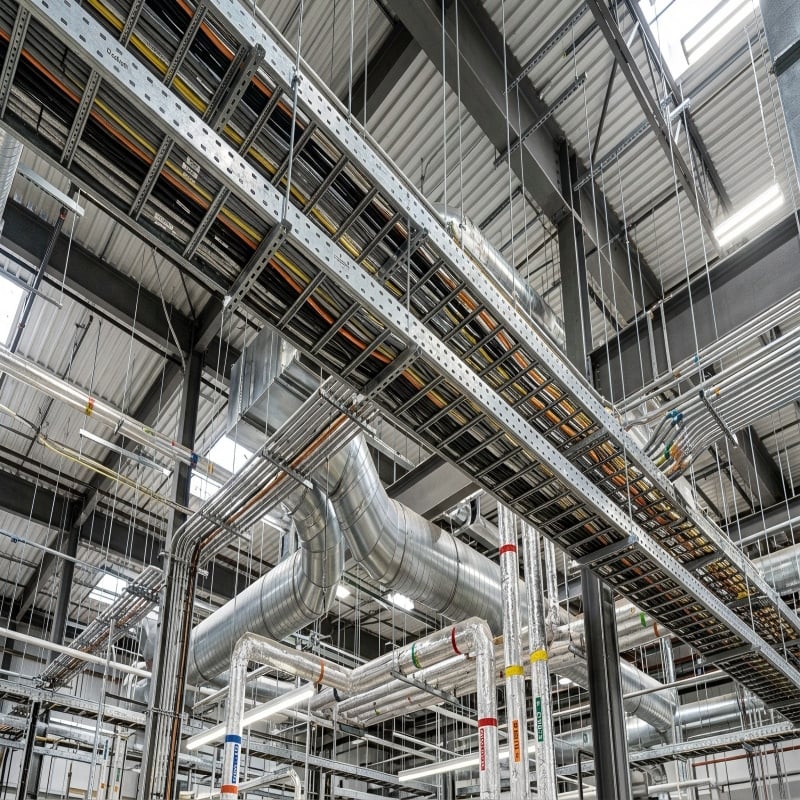
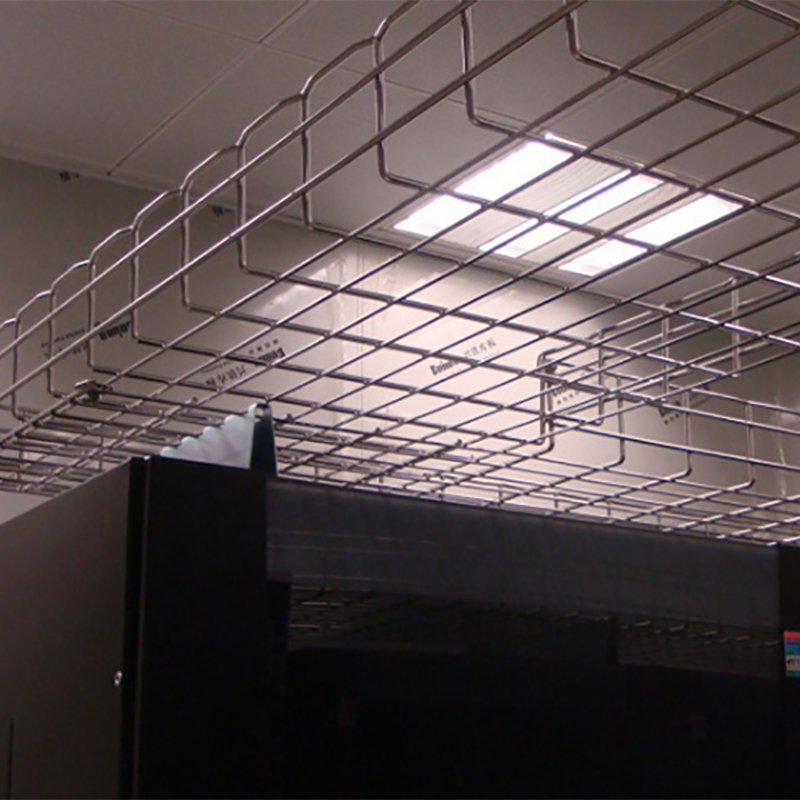
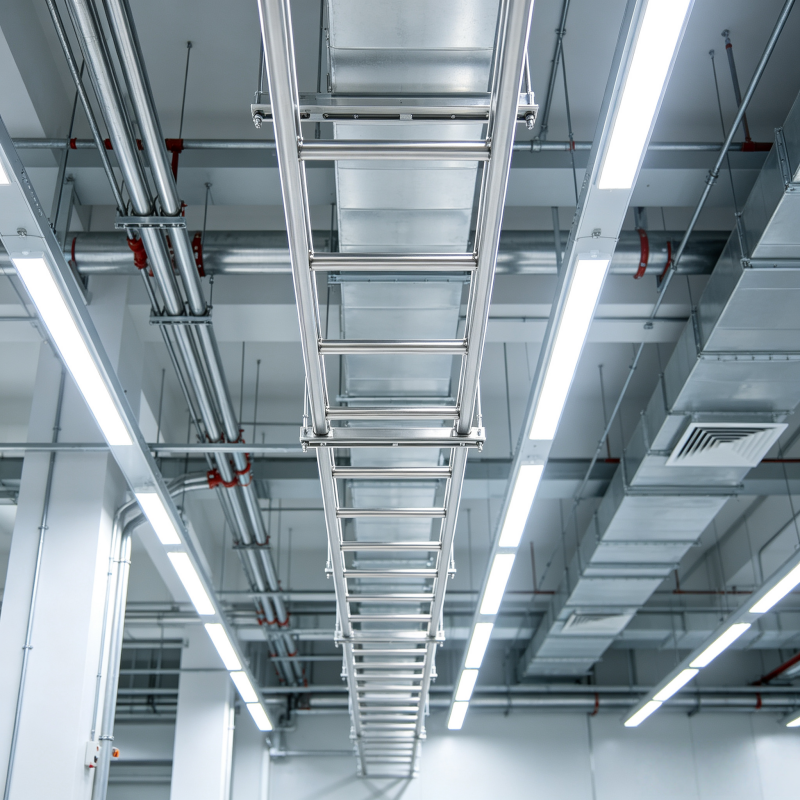
The highest-profile Australian application for the T3 is power distribution inside data centres, where national capacity is being expanded at an unprecedented pace. Inside a server hall, the tray system has two distinct jobs. Above the IT racks, high-count data cabling runs on open wire mesh tray for airflow and rework speed. But the electrical spine of the facility — the large conductors feeding power distribution units, UPS rooms, and switchgear — is a ladder application, and it is where the T3 is specified.
The engineering logic is straightforward. Heavy power cables generate heat, and the T3's resistance-welded, seven-slot ventilated rungs dissipate it while providing 360-degree lashing points at every rung. High-density distribution rooms demand overhead runs that stay accessible for maintenance without shutting down live circuits. And because data centre schedules are compressed, the T3's pre-punched oval splice holes — sections bolt together with standard hardware, no drilling, no welding — cut installation time in the electrical room the same way they do in the field.
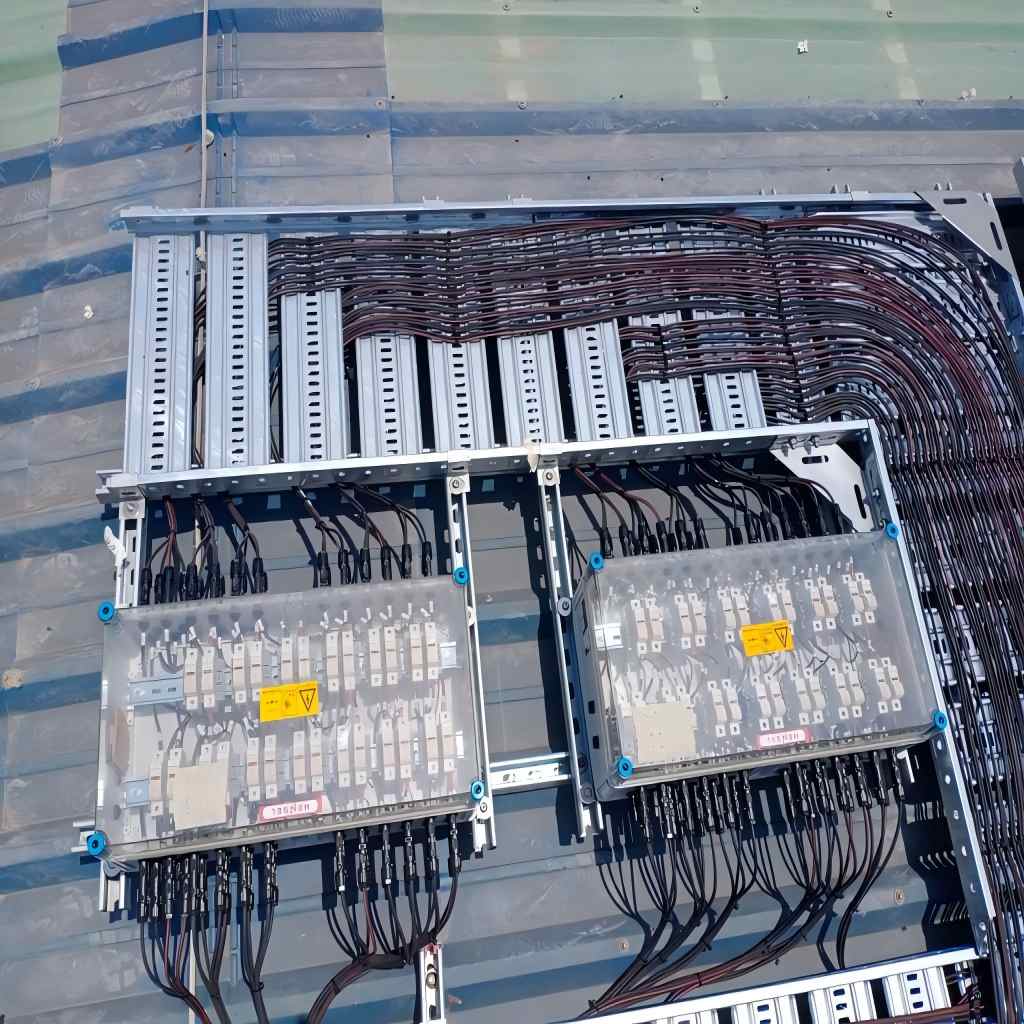
In the Pilbara and the Bowen Basin, cable support is not a building service; it is production infrastructure. Ore processing plants, conveyor galleries, and port load-out facilities run continuous-duty power and control cabling through environments of dust, vibration, heat, and exposure. Downtime in these facilities is measured in lost tonnes, which makes two T3 properties decisive.
First, mechanical robustness: the C-profile side rails with an inward-facing channel resist bending and twisting under load, and the ladder construction carries the large conductor bundles these plants use over the long unsupported spans common in conveyor and plant structures. Second, corrosion and abrasion resistance: HDG coating to EN ISO 1461 survives the combination of dust and humidity that defeats painted and electro-galvanized systems within a few wet seasons. Mining specifications in Western Australia and Queensland increasingly state hot-dip galvanized or stainless as the only acceptable finishes for outdoor tray and ladder runs — a rule the T3 meets without field modification.
Australia's electricity grid is being rebuilt around renewables, and every connection point is a cable-heavy construction site. Utility-scale solar farms route DC collection and AC power cabling across wide, exposed sites. Wind farms carry power and control cables through tower interiors and outdoor substations. Battery energy storage systems — among the fastest-growing installations in the country — pack high-current cabling into outdoor containers and yards where heat dissipation and ventilation are critical to both performance and safety.
For these applications, the T3's ventilated rung design earns its place twice: it allows heat from energized cables to escape in dense battery and inverter areas, and the open structure sheds wind load better than solid-bottom alternatives in exposed locations. Substation connection works — the interface between new generation and the grid — demand the same HDG corrosion performance as the outdoor plant they serve, plus load documentation that engineers can file with the commissioning record.
The northwest shelf and Queensland's coal seam gas processing facilities present the harshest coastal and tropical atmospheres in the country. Salt-laden wind, high humidity, and process environments combine to make corrosion the primary failure mode for unprotected steelwork. Here the specification question is not whether to use hot-dip galvanized steel, but how thick the coating must be and how the system behaves when cut or scratched on site.
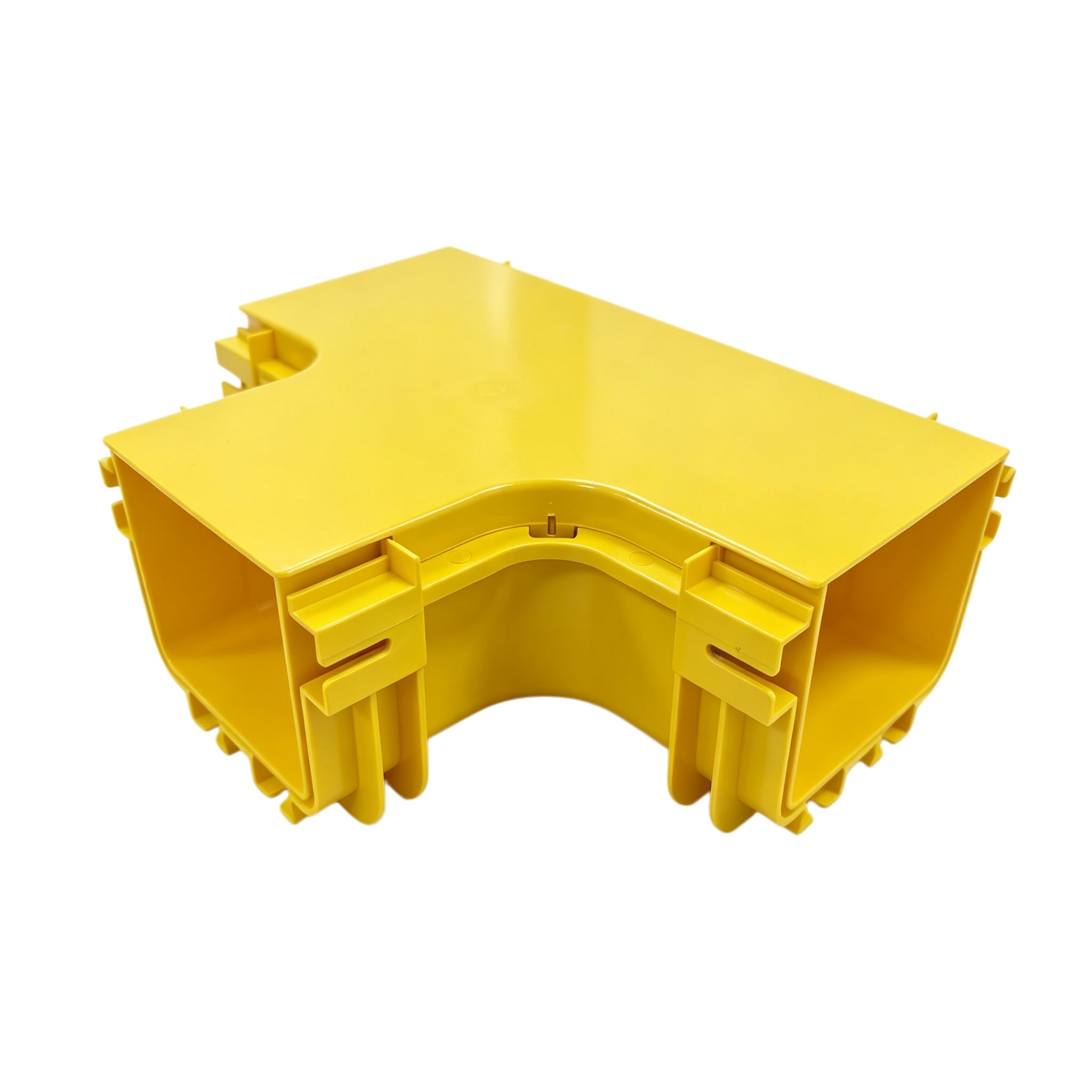
The T3 answers with EN ISO 1461 galvanizing — its cathodic protection continues to defend the steel at cut edges and scratches — and with a complete in-house fittings range, so horizontal and vertical bends, tees, crosses, and drop-out units come from the same production line with the same coating quality as the straight sections. For EPC contractors managing coastal projects, single-source supply of a uniformly coated system removes the weak points that appear when fittings from different suppliers carry different coating standards.
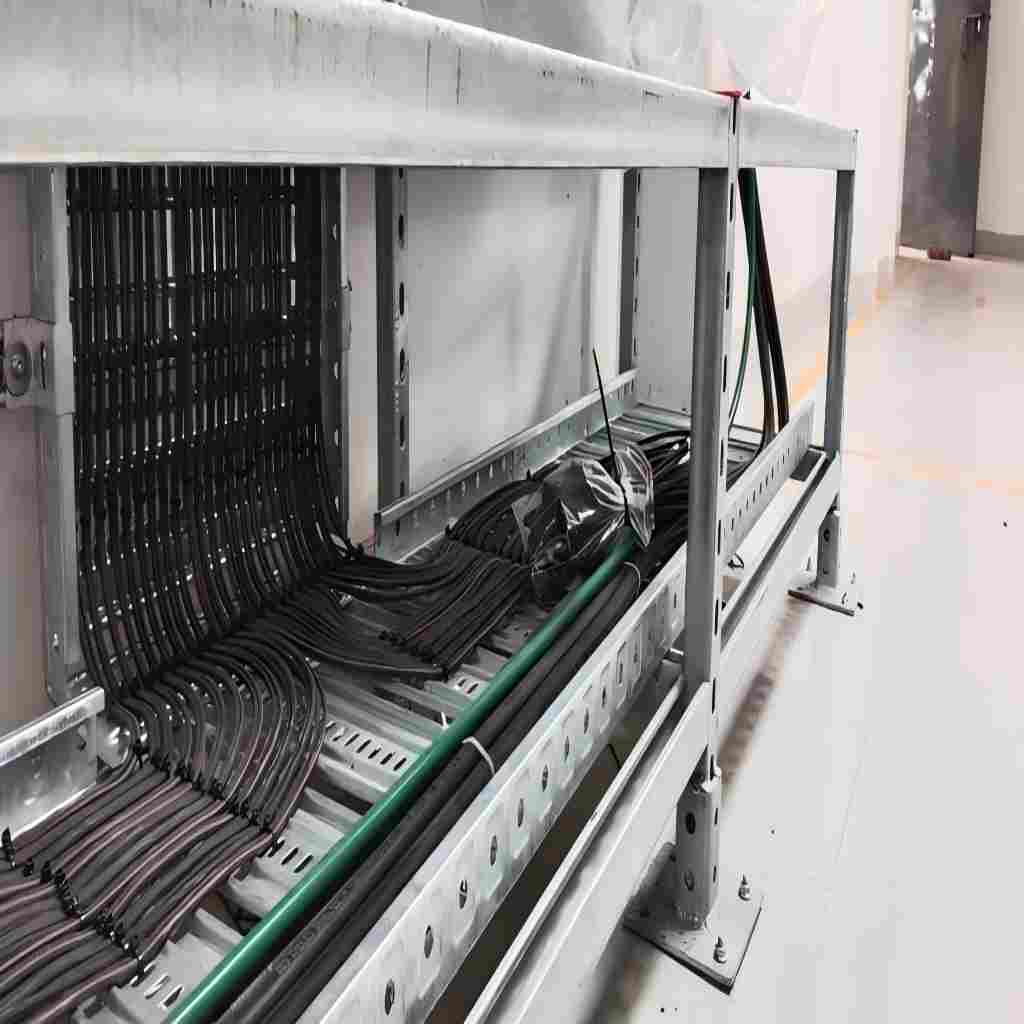
Railway power and signalling, airport expansion, and tunnel projects add a different set of demands: space is constrained, cable routes weave around other services, and fire performance is regulated. Tunnels and stations require systems that can be installed in confined working conditions and configured around tight geometries — exactly where a bolted ladder with pre-punched splice holes and a full range of compact fittings outperforms systems that need on-site drilling.
In these environments the T3 is specified less for corrosion and more for configurable installation: standard 3 m and 6 m sections in widths from 200 mm to 900 mm, rung pitch options of 250 mm and 300 mm, and fittings manufactured to match the sections dimensionally, so a complete run is delivered from one drawing and one supplier. For signalling and control circuits that must remain traceable and accessible through the life of the asset, the open ladder profile keeps every cable visible and reachable.
Finally, a quieter but steady application: process plants, desalination, and water treatment facilities across coastal and tropical Australia. These sites combine humid atmospheres, process chemicals, and a maintenance culture that expects cable runs to stay inspectable over decades. Ventilated ladder construction suits the mixed power and control cabling of treatment plants, while HDG finish — or stainless steel where chemical exposure demands it — matches the site's corrosion class. As with every sector above, the deciding factor at tender is the same: documented load ratings with a 1.5 safety factor, material certificates, and coating reports issued with the shipment.
What unites these applications is not the product but the procurement pattern. Across Australian industry, the T3 is being specified because it answers the three questions every project asks: certified load performance per width, rung pitch, and support spacing; corrosion performance matched to the site's atmosphere; and documentation complete enough to survive engineering review and commissioning. "We do not sell the T3 differently to a mine, a data centre, or a substation," the company said. "We sell the same documented system, and each sector tells us which property matters most. That is how the specification travels from the Pilbara to the power grid."
Shanghai Qinkai Industrial Co., Ltd. is a manufacturer and exporter of NEMA-standard cable tray and cable ladder systems, seismic supports, solar mounting structures, LED aluminum profiles, and custom steel hardware. The company serves EPC contractors, distributors, and infrastructure developers across North America, Latin America, the Caribbean, South Asia, Southeast Asia, and Australia. All products are manufactured in China and shipped with full material certificates and project documentation.
For media inquiries or project quotations, contact: [email protected] | www.qinkaiindustrial.com
 Hot News
 EN