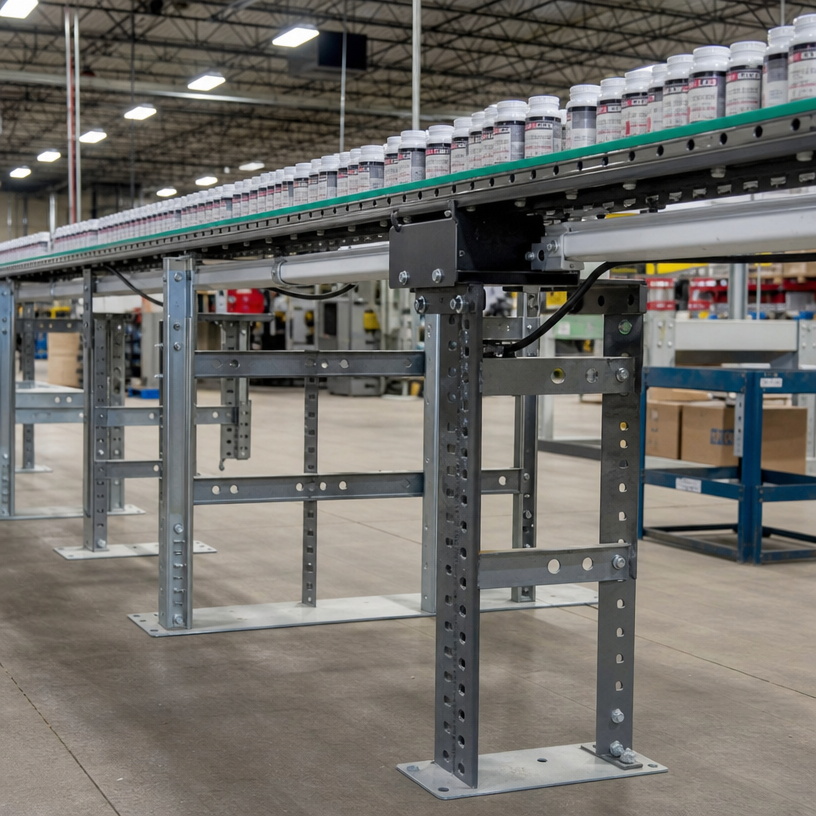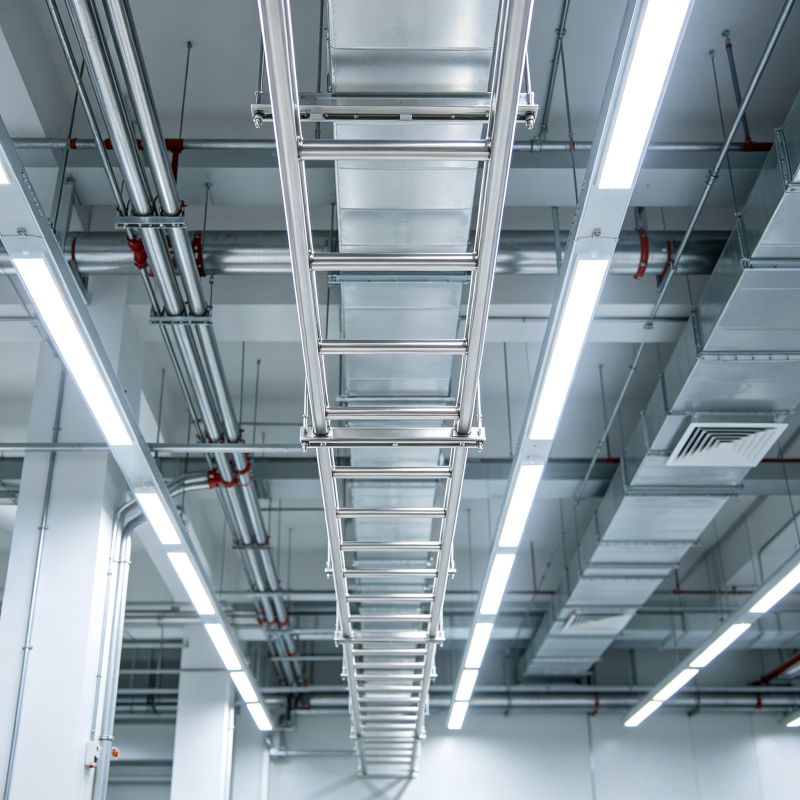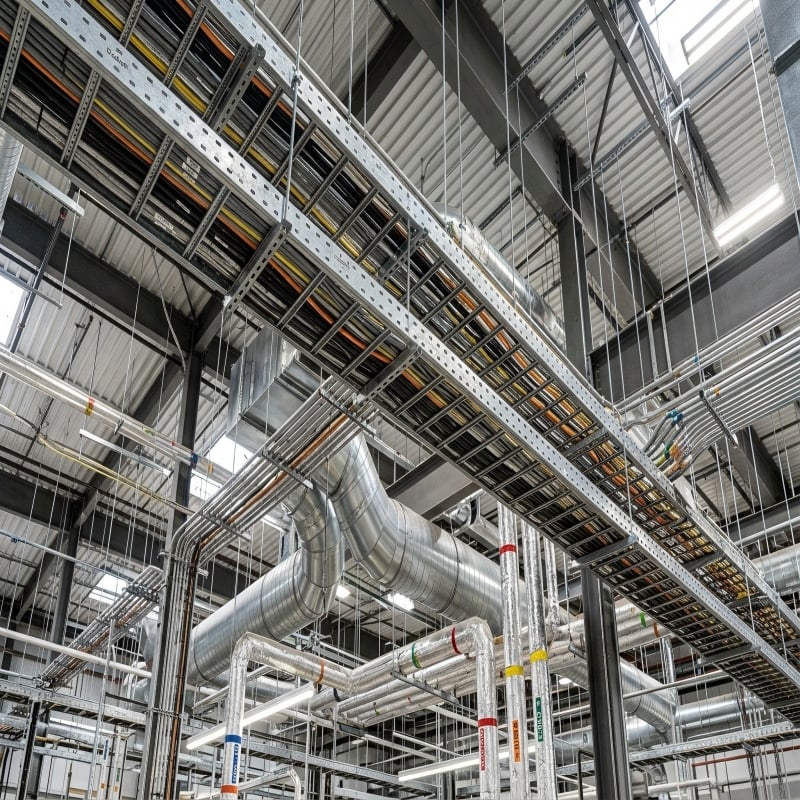
With the growing demand for efficient, orderly electrical systems, cable trays have become increasingly prevalent across industries. As a proven means of supporting and routing cables, they keep installations functional while ensuring full compliance with applicable safety standards. As 2026 approaches, adherence to established best practices in cable tray installation has never been more critical to safety and operational efficiency. Before any installation work begins, thorough planning and design come first. This phase involves assessing the project's specific requirements, including the type and quantity of cables, facility layout, and potential obstacles. At this stage, engineers should calculate tray width and cable fill, typically keeping fill between 40 and 50 percent to preserve airflow and allow future cable additions, and confirm that support spans and bracket loads are sized for both current and anticipated loading. Loading calculations should also account for dynamic forces, seismic requirements where applicable, and concentrated loads from junction boxes and heavier cable sections. Through careful design, the most suitable tray type—ladder, solid-bottom, or perforated—can be determined based on the application and environmental conditions. The future expansion of the electrical system must also be factored in; designing in flexibility now avoids costly rework later. Early coordination with electrical engineers and contractors ensures the design complies with applicable local codes and regulations, which vary by jurisdiction.
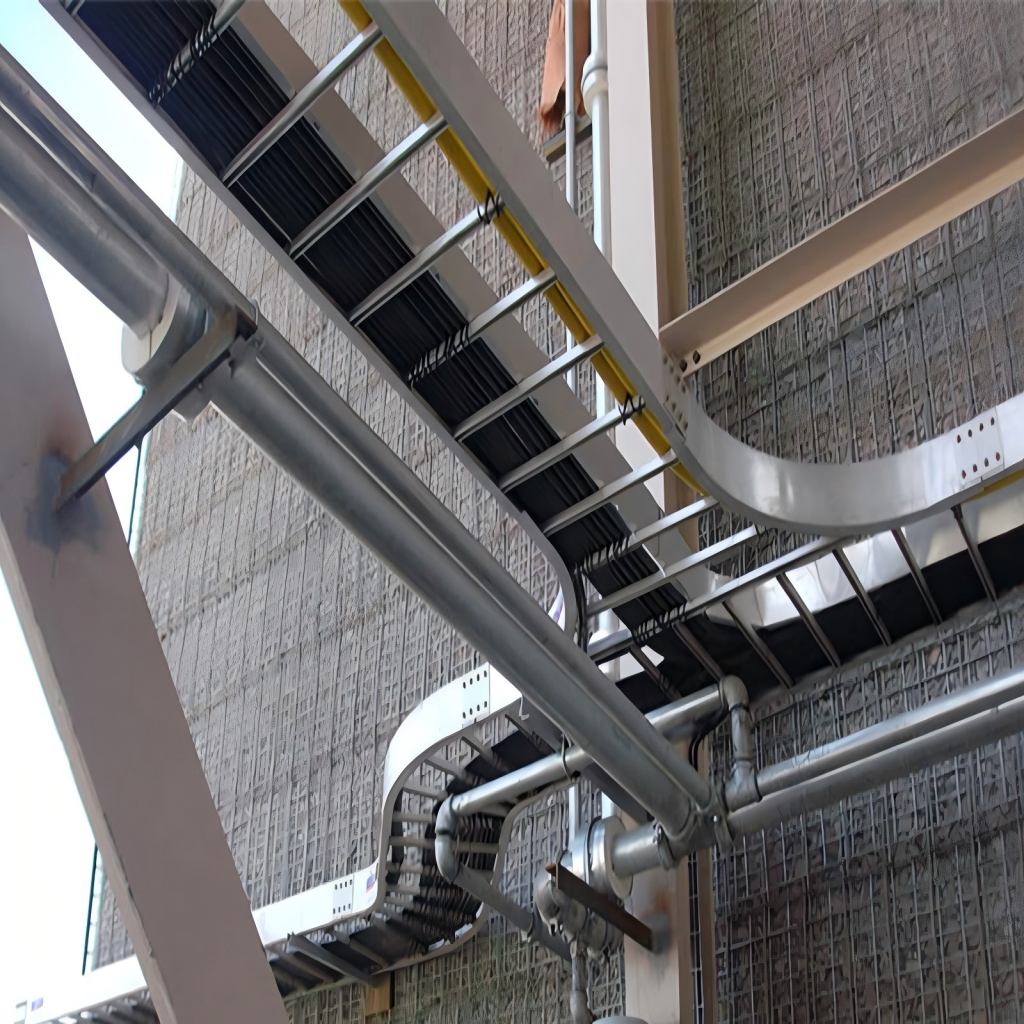
Equally important is material selection, the foundation of durability and long-term safety. Cable trays are typically fabricated from steel, aluminum, or fiberglass, each with distinct performance characteristics. Steel trays deliver the strength required for heavy-duty industrial applications, while aluminum trays offer lightweight construction and natural corrosion resistance, making them well suited to outdoor and coastal environments. Beyond the base material, the surface finish deserves equal consideration: hot-dip galvanizing, powder coating, and stainless steel construction can each significantly extend service life, particularly in demanding environments. For aggressive chemical, marine, or high-humidity environments, specify stainless steel (typically 316L) or a heavier galvanized coating; economical electro-galvanized or powder-coated finishes generally suffice for dry indoor areas. Request mill certificates and load test reports from the supplier to confirm the delivered grade and performance. Always consult the manufacturer's specifications and engineering guidelines when matching materials to the application and environment.
With the right materials in place, correct installation technique becomes the decisive factor in the safety and efficiency of a cable tray system. First, verify that the supporting structure is rated to carry the combined weight of the tray and the cables it bears. Select appropriate fasteners, brackets, and supports, and follow the manufacturer's published support-spacing and installation instructions. Support spacing should follow the manufacturer's load tables, typically 1.5 to 2.5 meters depending on tray width and load, with all fasteners and connections tightened to the specified torque. Vertical runs require closer support spacing, and fittings such as elbows, tees, and reducers must be supported independently. Where trays pass through walls or floors, provide fire-stopping and expansion joints in accordance with project specifications. Throughout installation, maintain proper alignment and levelness to prevent sagging and misalignment, which can damage cables and create safety hazards. Allow adequate clearance for thermal expansion and contraction of the cables and for future cable additions, and never exceed the rated load of a tray: overloading compromises structural integrity and invites serious safety risks.

Safety is always the top priority during cable tray installation, and rigorous safety measures are non-negotiable. All personnel must be properly trained and fully briefed on site safety protocols, and the use of personal protective equipment (PPE)—hard hats, gloves, and safety glasses—must be mandatory. When working at height, use suitable access equipment and fall protection, and follow lockout/tagout procedures near energized systems. Plan lifting and rigging of long tray sections to prevent bending and worker strain. Verify continuity of the bonding conductor with a low-resistance test before energizing, and re-inspect the system after any circuit modification. Comply strictly with electrical safety standards, including the bonding and grounding of cable tray systems—a critical step in preventing electrical hazards and protecting both installers and end users. Routine inspection and preventive maintenance programs are equally essential for the early identification and correction of potential hazards.
Finally, complete documentation of the installation is vital for future reference, troubleshooting, and regulatory compliance. Record the design basis, materials installed, installation methods, and all field changes in detail; such records are invaluable for maintenance planning and future system expansion. As-built drawings, material certificates, inspection reports, and test records should be archived alongside the installation log, and handover documentation should be provided to the facility owner for ongoing operation and maintenance. After installation, a thorough evaluation should verify that the system performs as designed and identify opportunities for improvement. Soliciting feedback from the installation crew surfaces the challenges encountered and the solutions applied, refining best practices for future projects.
As 2026 approaches, the importance of adhering to best practices in cable tray installation cannot be overstated. Through meticulous planning and design, appropriate material selection, correct installation techniques, rigorous safety measures, and complete documentation, project managers and installation teams can deliver cable tray systems that are safe, efficient, and equal to the demands of modern electrical systems. Adopting these practices not only improves installation quality but also enhances the safety and reliability of electrical infrastructure across every industry.
 Hot News
 EN
EN