EN
EN

Conduit pipe holders are essential components in various industrial applications, ensuring stability and support for conduit pipes in electrical and plumbing systems. For B2B buyers, understanding the specifications, material choices, and installation requirements of conduit pipe holders is crucial in making informed purchasing decisions. This article will help you navigate the key considerations when evaluating conduit pipe holders, including supplier reliability, cost factors, installation guidance, and common issues.
Reliable Suppliers for Conduit Pipe Holders
Selecting a reliable supplier for conduit pipe holders is fundamental to ensuring consistent quality and timely delivery. Here are key factors to consider:
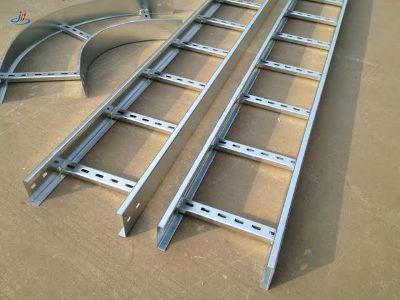
Experience and Expertise: Look for suppliers with a proven history in manufacturing conduit pipe holders. Companies like Shanghai Qinkai Industry Co., Ltd. have specialized in producing support systems and accessories, which can provide assurance of their expertise. Consider their Qinkai Heavy-Duty Industrial Cable Tray System for robust solutions.
Customization Capabilities: A supplier that offers customization options can better meet specific project requirements. This can include variations in size, material, and finish.
Quality Control: Inquire about the supplier's quality control processes. A robust quality assurance system ensures that each product meets the required specifications. Request information on testing methods and certifications that the manufacturing facility holds.
Customer Reviews and References: Reviewing customer feedback and seeking references can provide insight into a supplier's reliability and product quality. Positive testimonials from previous clients often indicate a trustworthy supplier.
Lead Times and MOQs: Understand the supplier's lead times and minimum order quantities (MOQs). Efficient lead times are crucial for project timelines, and reasonable MOQs can help manage inventory costs.