
Selecting the Right Unistrut Channel Trolley

Get a Free Quote

Our representative will contact you soon.
Email
Mobile/WhatsApp
Name
Company Name
Message
0/1000

unistrut channel trolley

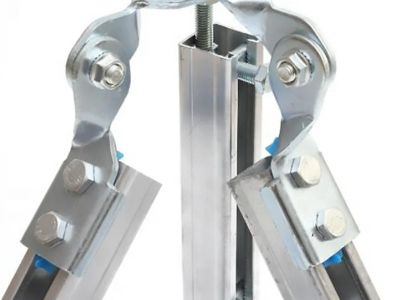
Unistrut channel trolleys are essential components  used  in  various industrial applications for supporting  and guiding  cable and piping  systems. When considering  the purchase  of unistrut channel trolleys,  B2B  buyers often have  concerns regarding product specifications, quality, and  cost-effectiveness. This article will guide  you through the  key  considerations to  ensure you  make an  informed  purchasing decision.


Evaluating the Quality of Unistrut Channel Trolleys for Wholesale Buyers

Quality  is a paramount concern for wholesale buyers when sourcing unistrut channel trolleys. Here are  key  aspects to evaluate during your selection process:

Manufacturing Standards: Look for  manufacturers that adhere to industry standards and regulations.  Certifications can indicate a commitment to quality, but you should verify what specific standards are  met, such as ISO certifications.

Material  Quality: Assess the type of materials used in the construction of the trolleys. High-quality steel or  aluminum should  be used, which can withstand both mechanical stress and environmental factors without degradation.

Quality Control Processes: Inquire about the manufacturer’s quality control processes. A robust quality  assurance system that includes  regular inspections and testing can  help minimize defects  and  ensure product reliability.

User Reviews and Case Studies: Seek out feedback from previous  customers and case studies that demonstrate the trolley's performance in real-world applications.  This  can provide insights into durability and reliability.

Sample Approval: Before placing a bulk order, request samples to  evaluate the trolleys firsthand. This enables you to assess the physical characteristics and compatibility  with your existing  systems.
Cost Factors to Consider When Purchasing Unistrut Channel Trolleys

Understanding the various cost  factors involved in purchasing unistrut channel trolleys  is essential for B2B buyers. Here are key  considerations:

Unit  Price: Compare unit prices across different suppliers. However, remember that the cheapest  option may  not always represent the best value. Evaluate the total  cost of ownership, which includes factors such as durability and maintenance.

Bulk Discounts: Many suppliers offer  discounts  for bulk orders. Determine your  projected  needs to take advantage of  these  savings opportunities.

Shipping  and Handling Costs:  Factor  in the cost of shipping, which can vary significantly based on the distance and weight of the order. Additionally, consider any potential tariffs or import fees if purchasing from overseas suppliers.

Lead  Time:  The time required for production and delivery can affect overall  project  costs. Ensure the supplier can meet your timelines and factor any delays into your cost calculations.

Maintenance Costs: Consider the long-term maintenance costs associated with the trolleys. Higher-quality products may have lower maintenance requirements, leading to cost savings over time.

Best Practices

Implementing best practices can maximize the  efficiency and longevity of your unistrut channel  trolleys:

Regular Inspections: Schedule routine  inspections to identify  any wear or  damage early. Addressing  issues promptly  can prevent costly downtimes.

Proper Installation: Ensure  that the installation of the trolleys  is performed according to the manufacturer's guidelines. This will help maintain their performance and safety.

Maintenance Schedule:  Develop a maintenance schedule  that  includes cleaning and lubrication as necessary, particularly  in environments  prone to dust and debris.

Training Staff: Educate staff on  the proper usage and care of the trolleys  to  avoid misuse  that could lead  to premature failure.


Common Problems with Unistrut Channel Trolleys and Their Solutions

While unistrut channel trolleys are generally reliable, some issues can arise during use. Here are common problems and suggested solutions:

Misalignment: Over  time, trolleys may become misaligned, leading to  increased friction and wear. Regularly check the alignment and make adjustments as necessary,  ensuring that the tracks  are free of  obstructions.

Corrosion: In  corrosive environments, trolleys can rust or corrode. Utilizing trolleys made from stainless steel or applying protective coatings can mitigate this risk.

Overloading: Exceeding the load capacity can lead to trolley failure. Always verify the weight of the supported items and ensure that the  trolley is rated for the load.

Worn Wheels: The wheels of  the  trolley may wear out over time, leading to  operational inefficiencies. Regularly inspect the wheels  and  replace them as needed to  maintain smooth operation.

Improper Installation: Trolleys installed without  following the manufacturer’s guidelines can  lead to performance issues. Ensure that installation is done correctly and verify alignment and securing methods.

By understanding these aspects  of unistrut channel trolleys, B2B buyers  can  make informed decisions that align with their project requirements. Whether you  are sourcing trolleys for a new installation or evaluating your existing systems, these guidelines will help you navigate the complexities of  purchasing and utilizing unistrut channel trolleys effectively.

Selecting the Right Unistrut Channel Trolley for Your Project Needs

When selecting unistrut channel trolleys, it’s crucial to understand the specific requirements of your project. Factors such as load capacity, material, and environmental conditions will dictate the type of trolley that will best suit  your needs. For example, if you're working in coastal areas, consider using materials like Marine-Grade FRP Cable Tray to ensure durability.

Load Capacity: Determine the weight of the cables or pipes to be supported. Unistrut channel trolleys come in various load ratings, so ensure that the selected trolley  can handle the  maximum expected load without compromising safety  or functionality.

Material  Selection: Most  unistrut channel trolleys are made from steel or aluminum. Steel offers higher strength and durability, making it  suitable for heavy-duty applications, while aluminum  is lighter  and resistant to corrosion, ideal for environments where weight is a concern. For heavy-duty applications, you might consider options like HDG Cable Ladder.

Environmental  Factors: Consider  where the trolleys will be installed. If  exposed to moisture or corrosive substances, opt for trolleys with protective coatings or those made from stainless steel. Understanding the  operating environment will help  ensure longevity and reliability.

Compatibility: Ensure that  the trolley is compatible with the existing unistrut channels in your  system.  Check dimensions and  design to avoid  installation issues.

Customization Options: If your project has unique requirements, inquire about customization options. Many manufacturers, including Shanghai Qinkai Industry Co., Ltd.,  offer tailored solutions to meet specific application needs.

Frequently Asked Questions

What is an unistrut channel trolley used for?

An unistrut channel trolley provides a mobile support for suspending pipes, cable trays, HVAC components, and equipment along C-channel systems for flexible positioning and load movement.
We manufacture trolleys in steel with options for galvanizing, powder coating, or stainless steel to suit corrosion resistance and site requirements.
Select based on C-channel dimensions and the expected static and dynamic loads; consult our load tables or provide specifications for recommendation.
Yes, our trolleys are designed to fit standard C-channel profiles and integrate with finished supports, seismic bracing, and mounting systems.
Yes, we offer custom stamping and fabrication to meet project drawings, special hole patterns, or unique load and mounting requirements.

Our Blog Posts

Complete Hardware Glossary: Solar Mounting, Pipe Supports and Cable Management Parts

21

Sep

Complete Hardware Glossary: Solar Mounting, Pipe Supports and Cable Management Parts

Understanding the components of solar mounting structures, pipe supports, and cable management parts is crucial for professionals in the manufacturing and construction industries. This complete hardware glossary will provide insights into evaluating ...
View More

Get a Free Quote

Our representative will contact you soon.
Email
Mobile/WhatsApp
Name
Company Name
Message
0/1000

Related product categories

Selecting the Right Unistrut Channel Trolley

Get a Free Quote

Our representative will contact you soon.
Email
Mobile/WhatsApp
Name
Company Name
Message
0/1000