EN
EN

Solar panel installation brackets are essential components that secure solar panels to various surfaces, ensuring stability and optimal performance. For B2B buyers, such as purchasing managers and project engineers, selecting the right brackets is critical for project success. This article will guide you through choosing reliable solar panel installation brackets, examining key specifications, sourcing options, best practices, and common challenges to help you make informed purchasing decisions.
Key Specifications for Solar Panel Installation Brackets You Should Know
Understanding key specifications can help buyers assess the suitability of solar panel installation brackets. Here are some critical specifications to consider:
Load Capacity: This is the maximum weight the bracket can support without risk of failure. It should be evaluated based on the solar panel weight and anticipated environmental loads.
Material Thickness: The thickness of the material directly influences strength and durability. Thicker materials typically offer better resistance to bending and breaking but may add weight.
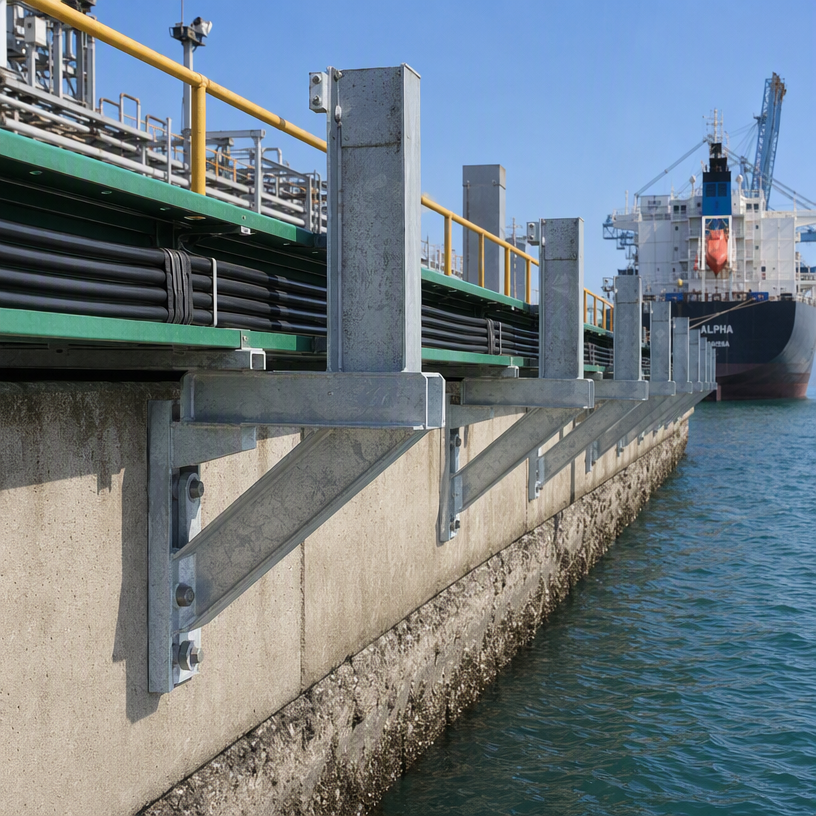
Corrosion Resistance: Depending on the installation environment, choose brackets with appropriate surface treatments, such as powder coating or galvanization, to prevent rust and degradation over time. You may also consider the HDG Cable Ladder for additional corrosion resistance in coastal areas.
Dimensions: The size of the brackets should match the specifications of the solar panels and the installation surface. Accurate dimensions ensure a proper fit and alignment.
By confirming these specifications with your supplier, you can ensure that the brackets will perform optimally in your specific application.